

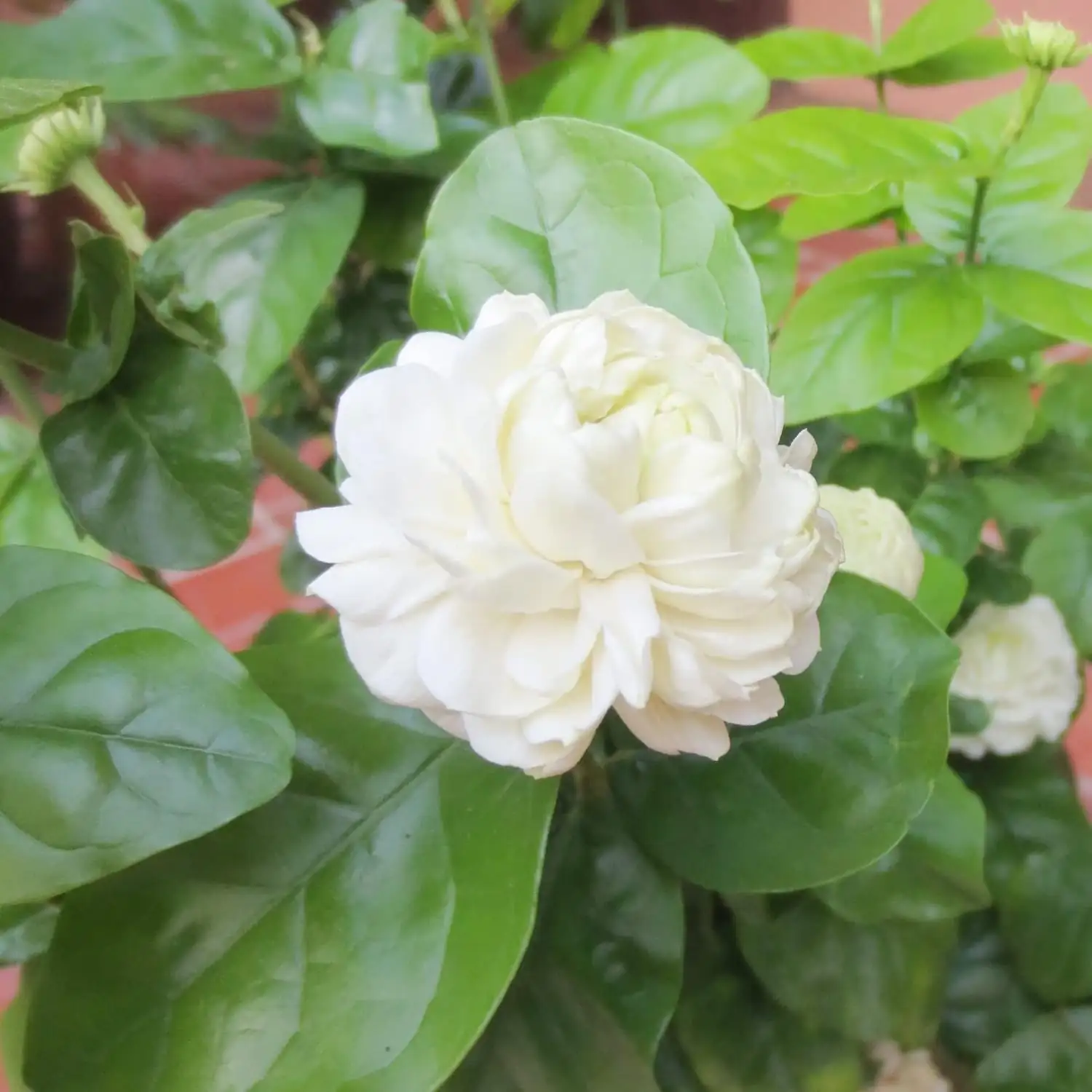
Lean in: the quickest way to more perfume from Arabian jasmine (Jasminum sambac) isn’t a mystery fertilizer or a chant—it’s your secateurs. Cut smartly right after a flower flush and this heat-loving shrub responds with a rush of new shoots loaded with next-round buds. Here’s the exact when, where, and how.
First, know your bloom biology
Jasminum sambac flowers on new growth. Buds form in clusters at the tips of fresh shoots, open in succession, and then that shoot’s show is done. Your job is to cue the plant to branch just beneath those spent clusters so two, three, or even four lateral shoots replace one—and each new shoot can carry its own bouquet.
- Translation: prune after a flush, not before. Cutting too early removes the impending show; cutting right after bloom redirects energy into new, bud-heavy shoots.
The “now” moment: when to prune after a flush
Don’t chase the calendar—watch the plant.
Prune when:
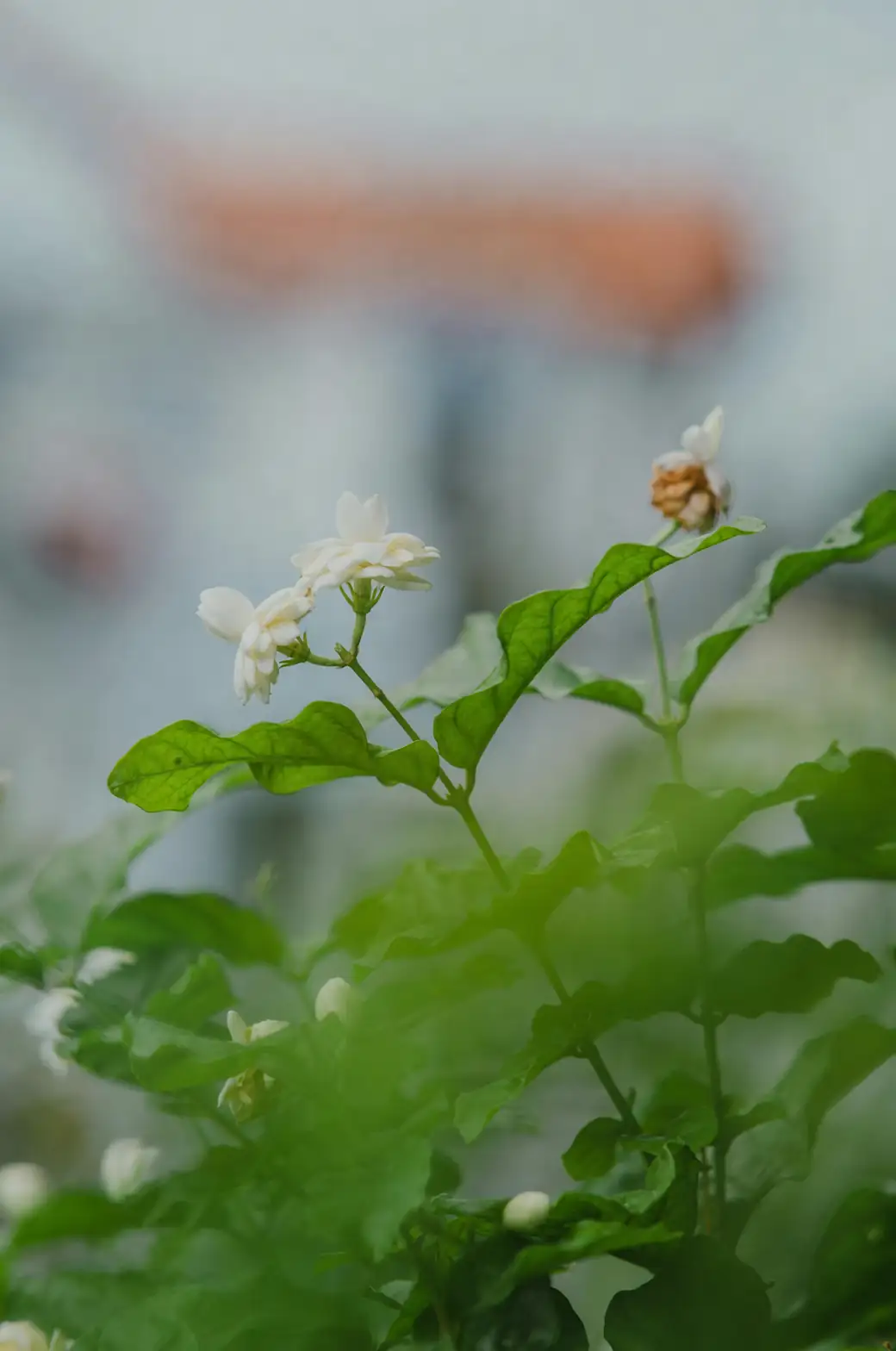
- Most petals have dropped cleanly from a cluster (around 70% spent), and
- The bases of the old flowers look like little green nubs (seed pods starting), and
- No fresh buds are forming at the same tip.
Timing by season:
- Warm, bright conditions (spring through early fall): deadhead and lightly prune after every flush. Do your bigger shape-up after the first big summer bloom.
- In hot, frost-free climates (USDA 10–12): you can cycle prune all season; stop heavy cuts about 6–8 weeks before nights regularly dip below 10°C/50°F.
- Over winter or in low light: hold off on major pruning. Keep only to sanitary snips; do your structural work once light and warmth increase.
Exactly where to cut: node-by-node playbook
Think in two cut types: deadheading to trigger branching, and thinning to open the plant.
1) Spent flower clusters (deadhead with purpose)
- Find the first strong pair of leaves below the faded cluster.
- Cut 3–5 mm (1/8–1/4 in) above an outward-facing node or leaf pair.
- Angle the cut slightly away from the bud (a gentle 30–45° helps water shed).
Result: that node breaks into lateral shoots that carry your next buds.
2) Tip-pinching soft new growth (for compact, bouquet-heavy plants)
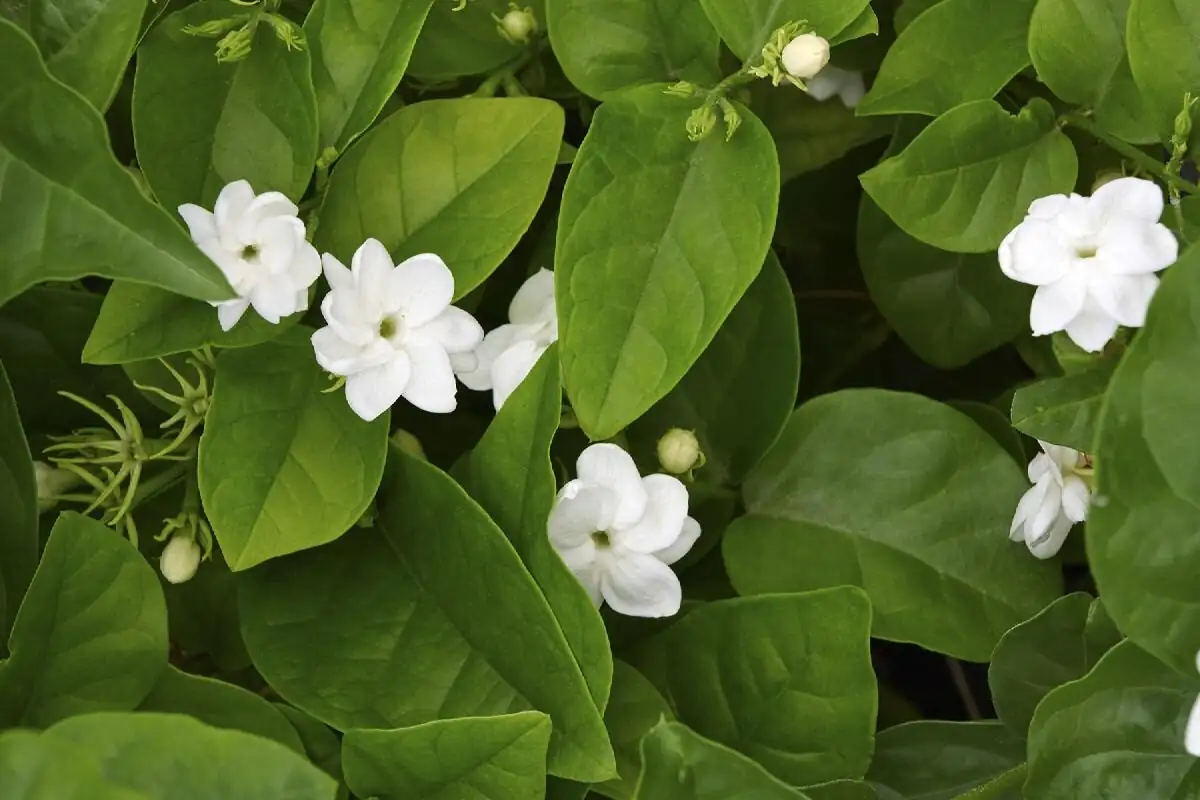
- On green, non-woody tips 8–15 cm (3–6 in) long, pinch or snip just above the second or third leaf pair.
- Use this right after a flush, and again mid-season if growth turns leggy.
Result: each pinch can double or triple the number of flowering tips.
3) Shortening post-bloom shoots (to reset length and stack nodes)
- Trace the just-bloomed stem down into firm green wood.
- Count 2–4 nodes down from the spent cluster and cut above an outward bud.
- As a guide, reduce that stem by about one-third.
Result: vigorous, well-lit laterals ideal for heavy budding.
4) Thinning for airflow and shape (the invisible bloom booster)
- Remove weak, spindly, crossing, or inward-growing stems at their origin.
- Make thinning cuts to the branch collar (the slight swelling where stems meet) without leaving stubs.
Result: a bright, breezy canopy that resists mites and leaf spots and packs more sun into the remaining shoots.
5) Trellis or small-climber training
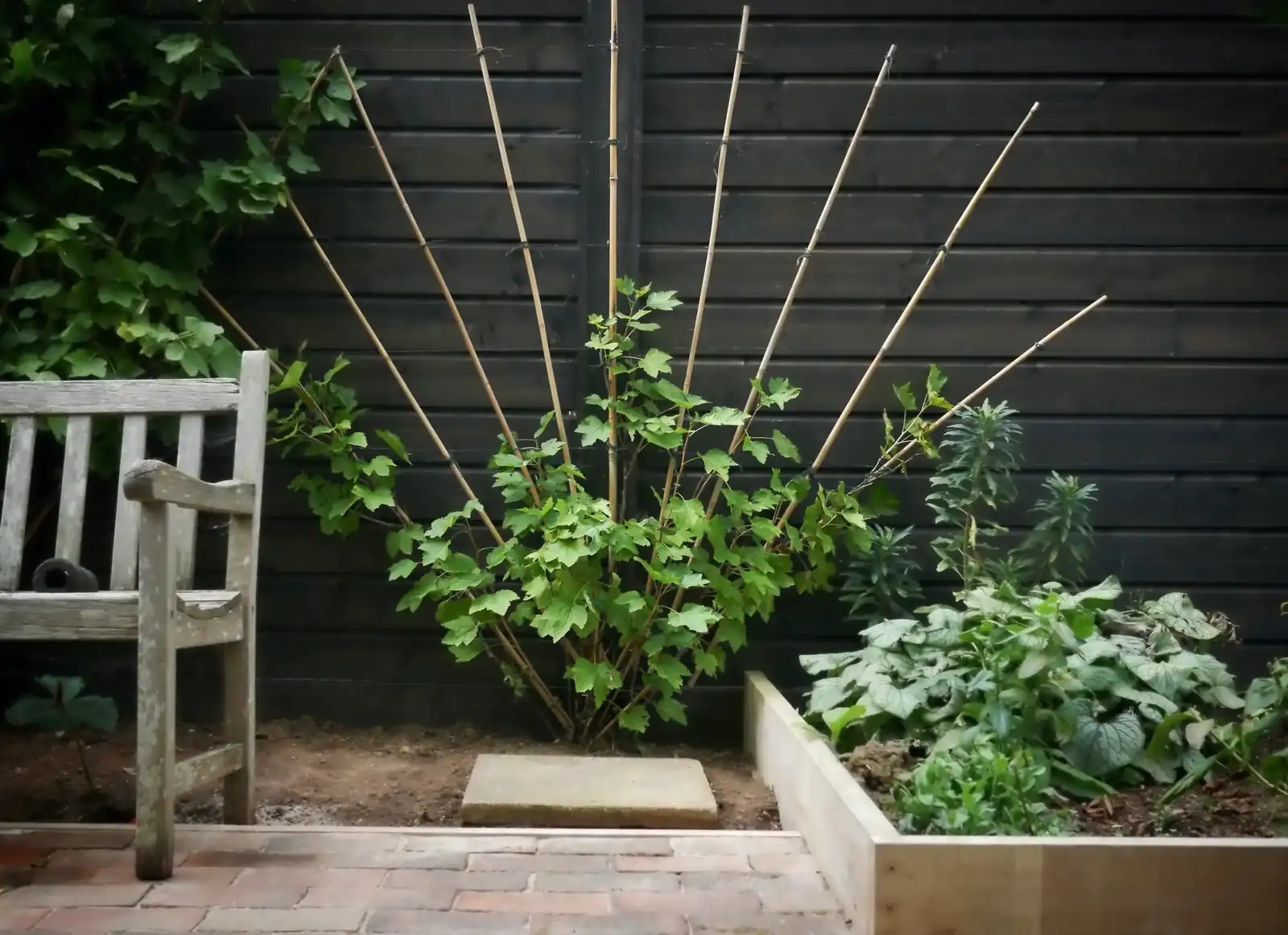
- Keep 3–5 main canes fanned out and tied.
- After each flush, shorten side shoots (laterals) back to 2–3 nodes to make “flowering spurs.”
- Each year, renew 1 older cane by cutting it low and training a fresh replacement.
Result: a tidy lattice peppered with flower clusters from top to bottom.
How much to remove
- After routine flushes: 10–20% overall is enough to trigger branching.
- Annual shape-up (prime growing season): 25–40% keeps plants compact and floriferous.
- Rescue rejuvenation (very leggy plants): wait for warm, bright conditions, then reduce to 30–45 cm (12–18 in) or to strong low laterals—but expect a short pause before a bigger, better rebound.
Tip: Avoid stripping off more than half the foliage at once unless you’re saving a declining plant.
Tools and hygiene that keep cuts clean
- Bypass pruners (sharp and sized for your stems)
- Snips for fine deadheading
- Alcohol wipes or isopropyl spray (sanitize before you start and after any diseased cut)
- Gloves and a soft tie for training canes
- A clean container or tarp to catch debris (don’t compost diseased leaves)
Sharp, sanitized tools make crisp cuts that callus quickly and reduce pest/disease issues.
Shape for sun and airflow
Sun drives scent and bloom. Airflow keeps foliage healthy.
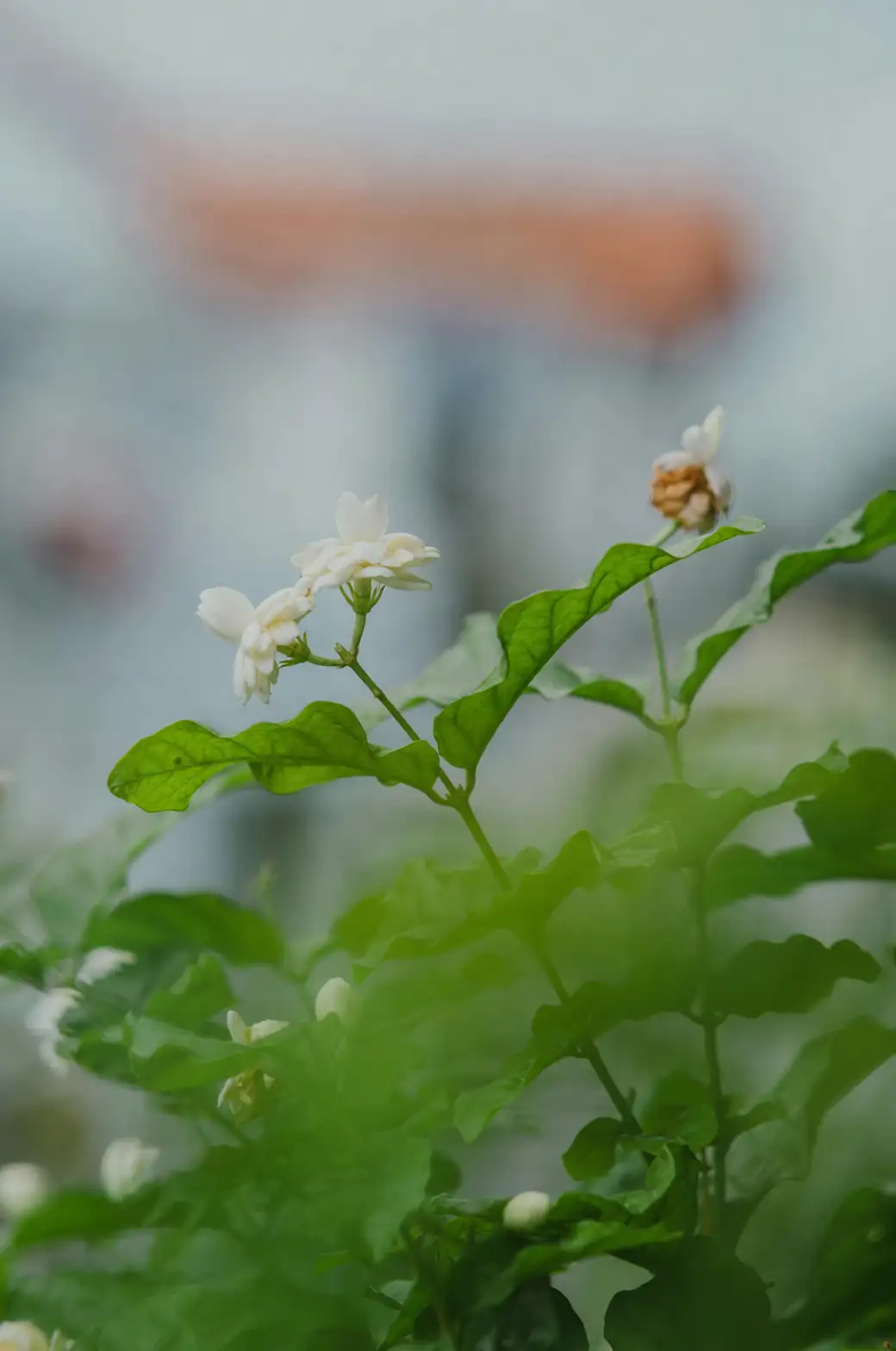
- Aim for an open, vase-like shrub or a flat fan against a trellis.
- Maintain finger- to palm-width gaps between main stems.
- Remove inward and crossing shoots first; then decide on height.
- Rotate containers a quarter-turn every week or two so all sides collect sun.
Seasonal pruning guide at a glance
- Spring (light strongens): Repot if needed, then pinch tips to build a branched framework. After your first big bloom, do a firmer prune.
- Summer to early autumn: Maximum sun and feeding. Deadhead right after each flush; shorten overlong shoots. Trellis growers: reset laterals to 2–3 nodes routinely.
- Late autumn to winter: In cool/dim conditions, pause heavy pruning. Keep only to dead/diseased/wayward snips. Protect plants from cold (above 10°C/50°F).
Growing indoors? Put it in the brightest window (south or west), prune right after each flush while light is strong, and avoid hard cuts in low-light months.
Aftercare that turns cuts into buds
- Sunlight: 6–8+ hours of direct sun fuels rebloom and fragrance.
- Water: Keep evenly moist during active growth—water deeply when the top 2–3 cm (1 in) dries. Don’t swing between drought and soggy.
- Feeding: Fertilize weekly or every 1–2 weeks in the growing season. If foliage is lush but blooms are light, shift to a bloom-supporting formula and go easy on nitrogen.
- Humidity and airflow: Moderate to high humidity (50%+) plus good air movement discourages mites and leaf spots.
- Don’t let seed pods steal the show: removing spent clusters early keeps energy focused on new buds.
Five pruning mistakes that cost you flowers
1) Pruning before a flush
- Sambac sets buds on new growth; cutting just as tips are budding erases the show. Wait until petal drop.
2) Hedge-shearing the outside only
- You’ll create a dense shell with a dark, pest-prone center. Always thin first, then shorten.
3) Cutting too far from—or too close to—the node
- Leaving long stubs invites dieback; cutting flush can harm the bud. Target 3–5 mm (1/8–1/4 in) above an outward node.
4) Heavy fall/winter pruning in low light
- You’ll force soft growth that struggles indoors or in cool weather. Save big cuts for bright, warm periods.
5) Skipping sanitation and airflow
- Dull, dirty blades plus a crowded canopy = aphids, mites, and leaf spots. Clean tools; open the plant.
Troubleshooting: pruned right, but still few buds?
- Not enough sun: Move it to full sun; aim for 6–8+ hours.
- Overfeeding nitrogen: Switch to a balanced or bloom-forward feed.
- Water stress: Drought drops leaves and buds; keep moisture steady.
- Cold nights: Keep above 10°C/50°F for reliable bud set.
- You pruned too timidly: If shoots just elongate without branching, go back and cut to 2–3 nodes on several stems.
A quick note on meaning and mystique
Across South and Southeast Asia—and far beyond—Arabian jasmine is woven into ceremonies, tea, and daily life. Its “flower language” often points to love, purity, and gentle devotion. That symbolism isn’t random: white, waxy rosettes open clean and bright, and the scent—richest on warm evenings—feels like a quiet promise kept. Gardeners also prize its resilience: give it sun and a thoughtful haircut, and it returns with even sweeter abundance.
—
Set your eyes for those post-bloom signals, aim your cuts just above outward nodes, and keep the canopy sunny and airy. With Jasminum sambac, good pruning is less a chore and more a wand—one snip, and the next wave of fragrance is already on its way.


