

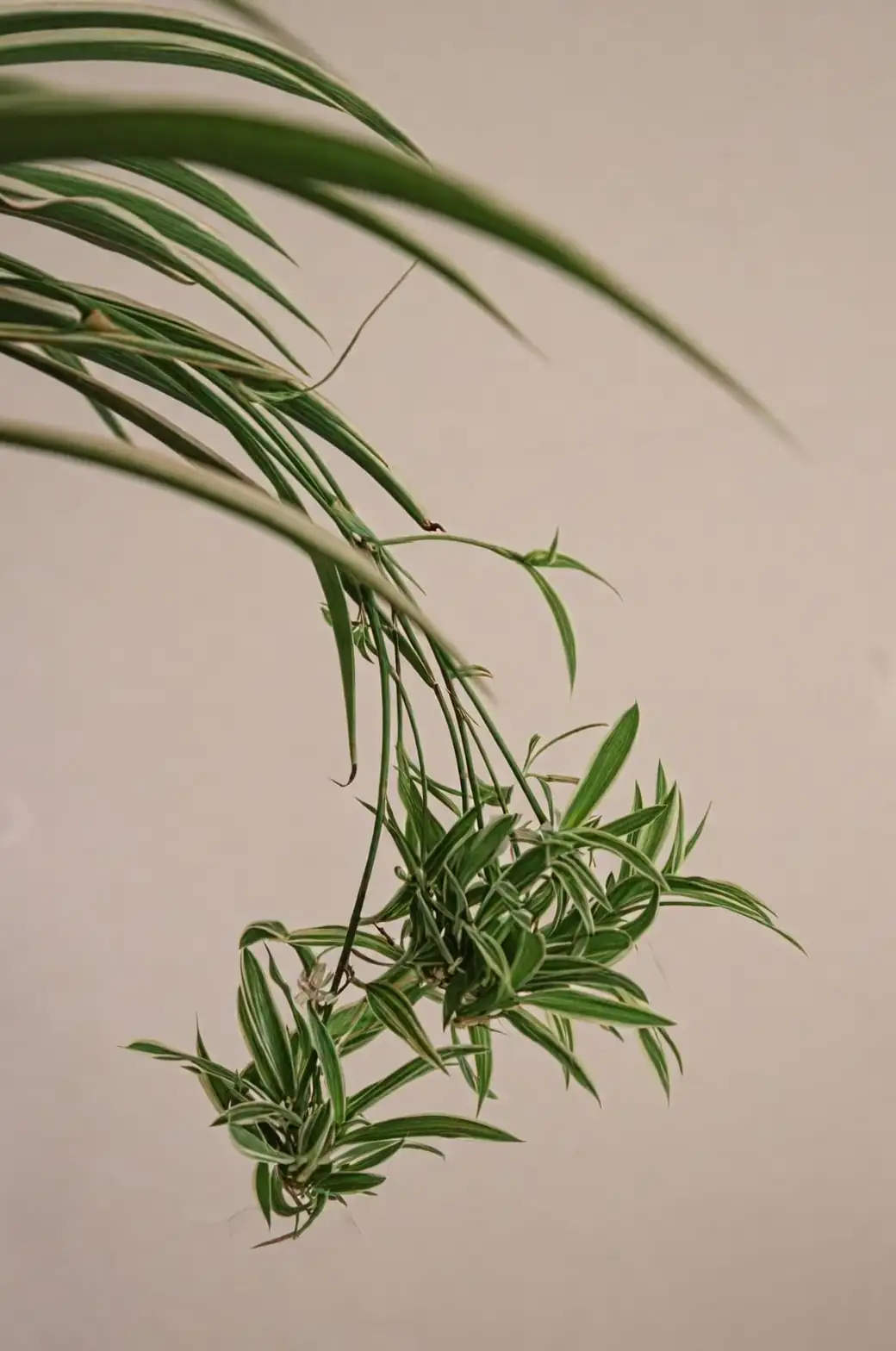
Ready to turn one generous spider plant into a lush cascade of clones? Chlorophytum comosum is famously charitable with its “spiderettes,” and with a few pro touches you can root babies in water or soil, pin still-attached plantlets with near-100% success, and neatly split a crowded clump into vigorous new specimens. Here’s the advanced playbook—clean, fast, and reliable.
Before You Start: Read the Baby
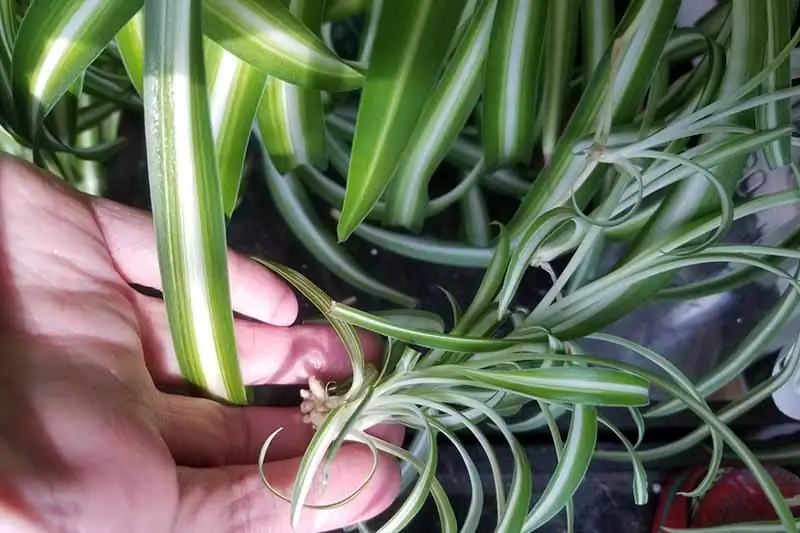
Spiderettes are ready when they show:
- Tiny root nubs or short aerial roots at the base
- A “mini rosette” with several leaves (not just a single strap)
- Firm, unblemished foliage
Timing: Spring and summer are quickest, but you can propagate year-round in warm, bright conditions (aim for 18–24°C / 64–75°F). Give the mother plant bright, indirect light; babies form more readily on well-lit, slightly snug plants.
Pro light note: Avoid harsh midday sun that scorches leaves; bright, indirect light primes both rooting and runner production.
Tools and Setup for High Success
- Sharp, sanitized snips or a thin knife
- Small nursery pots with drainage (7–10 cm / 3–4 in) or narrow-neck jars for water
- A loose, well-draining mix: all-purpose houseplant mix + extra perlite and/or coarse sand (airy and fast-draining)
- Optional: U-shaped floral pins, bobby pins, or bent paperclips for “pinning”
- Filtered, distilled, or rainwater (helps prevent tip burn from salts/fluoride)
- A clear, vented humidity cover (deli lid, produce bag with holes)—optional but helpful in very dry rooms
Keep crowns above the soil/water line. That’s the “heart” where leaves emerge; burying or submerging it slows rooting and risks rot.
—
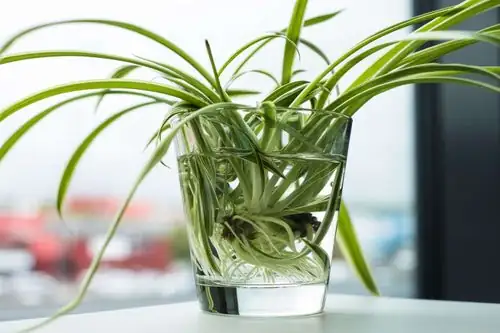
Method 1 — Water-Rooting Plantlets, Then Potting Up (Speedy and Visual)
When to choose this: You want to monitor root growth, or your room humidity is low and you need quick starts.
Steps
- Detach the plantlet just below its base, or leave attached if you’re staging several at once (see pinning method below).
- Use a narrow-neck glass so only the root nubs touch water; keep the crown above water.
- Place in bright, indirect light at 18–24°C (64–75°F).
- Change water regularly:
- About every 7–10 days in spring/summer
- About every 2 weeks in autumn/winter
- Feed lightly during active growth: a small dose of diluted nutrient about every 10–14 days.
- Pot up when roots reach 2.5–5 cm (1–2 in). Plant into pre-moistened, airy mix; set the crown just at the surface; firm gently and water thoroughly, then drain well.
Pro Tips
- Use filtered or rainwater to minimize mineral buildup and keep leaf tips pristine.
- A dark or opaque container reduces algae, and rotating the jar helps keep growth even.
- Water roots are delicate; don’t let them dry out before potting, and avoid compacted soil that “suffocates” them—think aeration first.
—
Method 2 — Soil-Rooting Detached Plantlets (No Transition Shock Later)
When to choose this: You prefer to skip the water-to-soil transition and maximize early root branching.
Steps
- Pre-moisten an airy mix so it’s evenly damp but not soggy.
- Make a shallow hole, set the baby so the base touches the mix, and keep the crown above the surface.
- Pin the base gently in place (a U-pin or bobby pin works) so it doesn’t wobble.
- Provide bright, indirect light and steady warmth. Keep the top 1–2 cm (about 1 in) of mix just barely drying between waterings—“evenly moist, never soggy.”
- Use a light, vented humidity cover if your air is very dry; remove daily for airflow.
- Tug test after 2–3 weeks; resistance means new roots. Once growing, treat like a mature plant.
Pro Tips
- Bottom watering helps avoid over-wetting the crown.
- Choose snug pots; oversized containers hold extra moisture and slow rooting.
- If feeding, wait until you see fresh growth; then use a dilute, balanced fertilizer every 2–3 weeks during active growth. Go easy—heavy nitrogen can dull variegation.
—
Method 3 — Pinning Still-Attached Babies (The Near-Foolproof Route)
Why it works: The mother plant continues supplying carbohydrates and moisture while the baby roots—your strike rate soars.

Steps
- Set a small pot with fresh, airy mix next to the mother plant (or tuck it into the mother pot if there’s room).
- Bend the stolon so the baby sits on the mix; pin its base gently down. Keep the crown exposed.
- Keep the mix evenly moist and the duo in bright, indirect light.
- After 2–4 weeks, you’ll see firm anchoring and new leaves. Snip the stolon between mother and baby to “wean” it.
- Continue normal care for the new plant.
Pro Tips
- You can pin several babies at once around the mother—great for a gift-ready batch.
- For a fuller look fast, pot two or three rooted babies together in a 12–15 cm (5–6 in) pot.
—
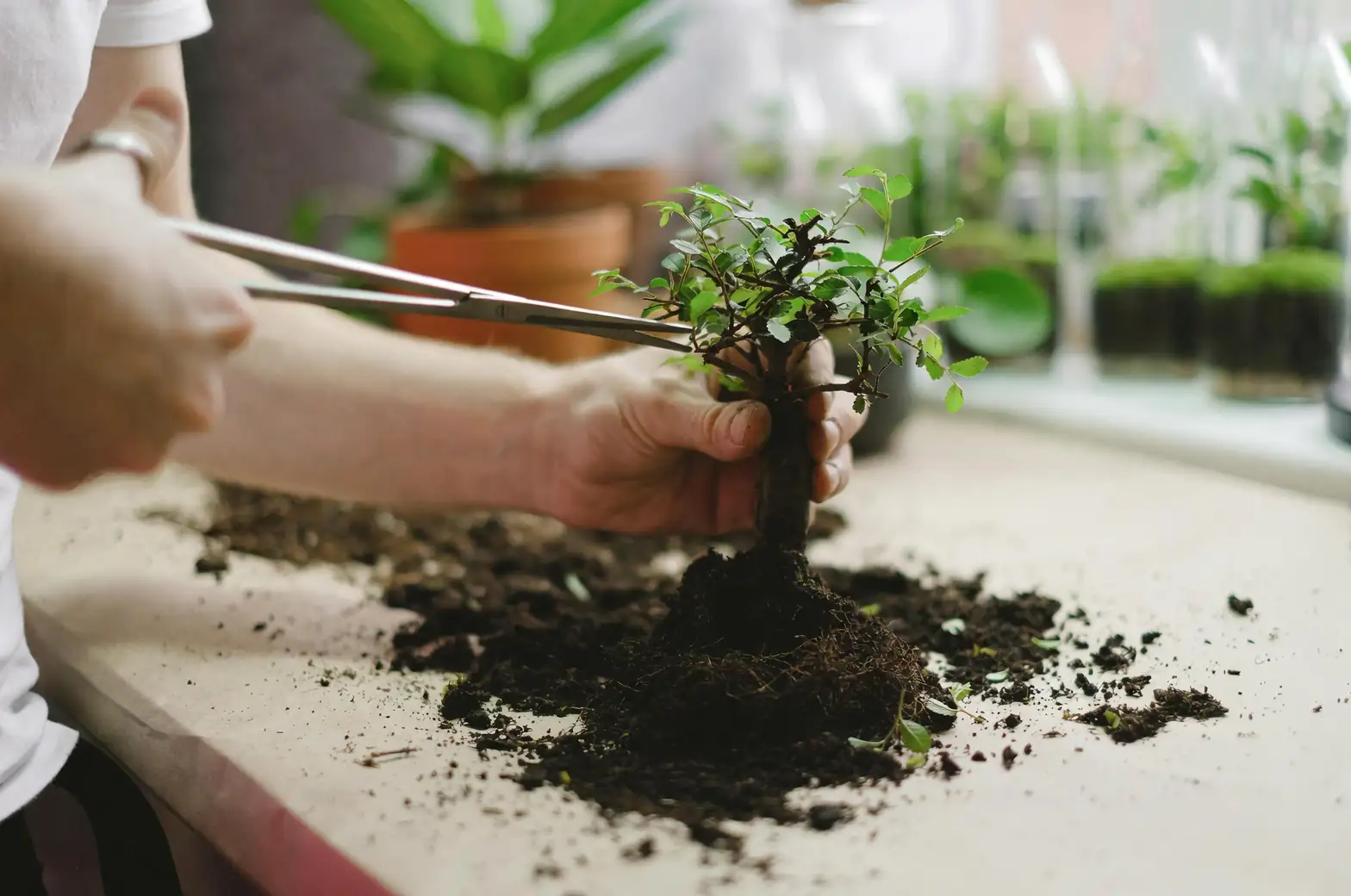
Dividing a Crowded Clump Like a Pro
Spider plants form multiple crowns atop thick, water-storing roots. Division is the fastest way to rejuvenate a tired plant or multiply a showpiece.
Signs It’s Time
- Roots circling hard or pushing through drainage holes
- Pot dries extremely fast, or growth is cramped and floppy
- You haven’t repotted in 2–3 years
Steps
- Water the day before to ease removal.
- Slide the plant out; loosen the rootball. If dense, rinse away some mix to reveal natural separations between crowns.
- Decide your divisions: Aim for at least one healthy crown with a good root portion per division.
- Use sanitized snips or a thin knife to slice between crowns. Remove dead or mushy roots.
- Pot divisions into containers just 2.5–5 cm (1–2 in) wider than their root mass. Keep crowns at the same level they grew before; use a fresh, free-draining mix.
- Water thoroughly and let excess drain—never leave pots sitting in water.
Aftercare
- Light: Bright, indirect. Avoid harsh midday sun while divisions re-establish.
- Water: Keep evenly moist, not soggy. Let the top 1–2 cm dry before watering again.
- Feeding: Pause for 2–4 weeks, then resume a balanced liquid feed every 2–3 weeks in active growth. Avoid heavy nitrogen on variegated types.
- Temperature: Comfortable room range (18–24°C / 64–75°F). Avoid prolonged heat above ~30°C (86°F) and cold below ~7°C (45°F).
—
Long-Term Water Culture (For the Hydro-Curious)
Spider plants adapt beautifully to water, provided you:
- Keep only roots submerged; crown stays above the waterline
- Change water every 7–10 days in warm seasons and about every 2 weeks in cooler seasons
- Add a small amount of diluted nutrients every 10–14 days during active growth
- Place in bright, indirect light and rotate the container to balance growth
If roots get congested, prune a small portion at a time rather than shearing heavily.
—
Fine-Tuning, Troubleshooting, and Expert Touches
- Encouraging more babies:
- Give brighter indirect light and keep the plant slightly snug—not cramped, just comfortably full.
- Avoid heavy nitrogen that pushes plain green growth over flowers/runners.
- Brown leaf tips?
- Most often minerals/fluoride, dry air, or uneven watering. Switch to filtered/rainwater when possible and flush the pot monthly with lukewarm water. Slightly higher humidity helps.
- Pests and diseases:
- Usually minimal. Watch for spider mites, mealybugs, and scale. Rinse leaves, then use insecticidal soap or horticultural oil. Improve airflow and avoid soggy mix to prevent rot or gray mold.
- Crown care:
- Whether rooting or dividing, never bury the crown. Good drainage is your fail-safe against rot.
—
Quick Recipes for Different Goals
- Fastest path to a full pot: Pin 2–3 plantlets in one small pot, root them, then grow on together.
- Zero-transition stress: Root plantlets directly in an airy soil mix with pins; keep evenly moist.
- Highest certainty: Pin babies while still attached, then cut the stolon only after strong anchoring.
—
A Final Note on Meaning
Spider plants are often seen as living symbols of resilience and renewal—generous parents that bounce back and share offspring freely. Unlike codified “flower language,” this meaning is rooted in everyday experience: a friendly, forgiving plant that freshens a room and multiplies without fuss. Propagate a few, pass them to friends, and you’ll see how quickly that symbolism becomes real.
Set your mother plant in bright, indirect light, keep conditions steady, and choose the method that suits your style. With these techniques, you’ll go from a single fountain of leaves to a family of thriving Chlorophytum comosum in no time.


