
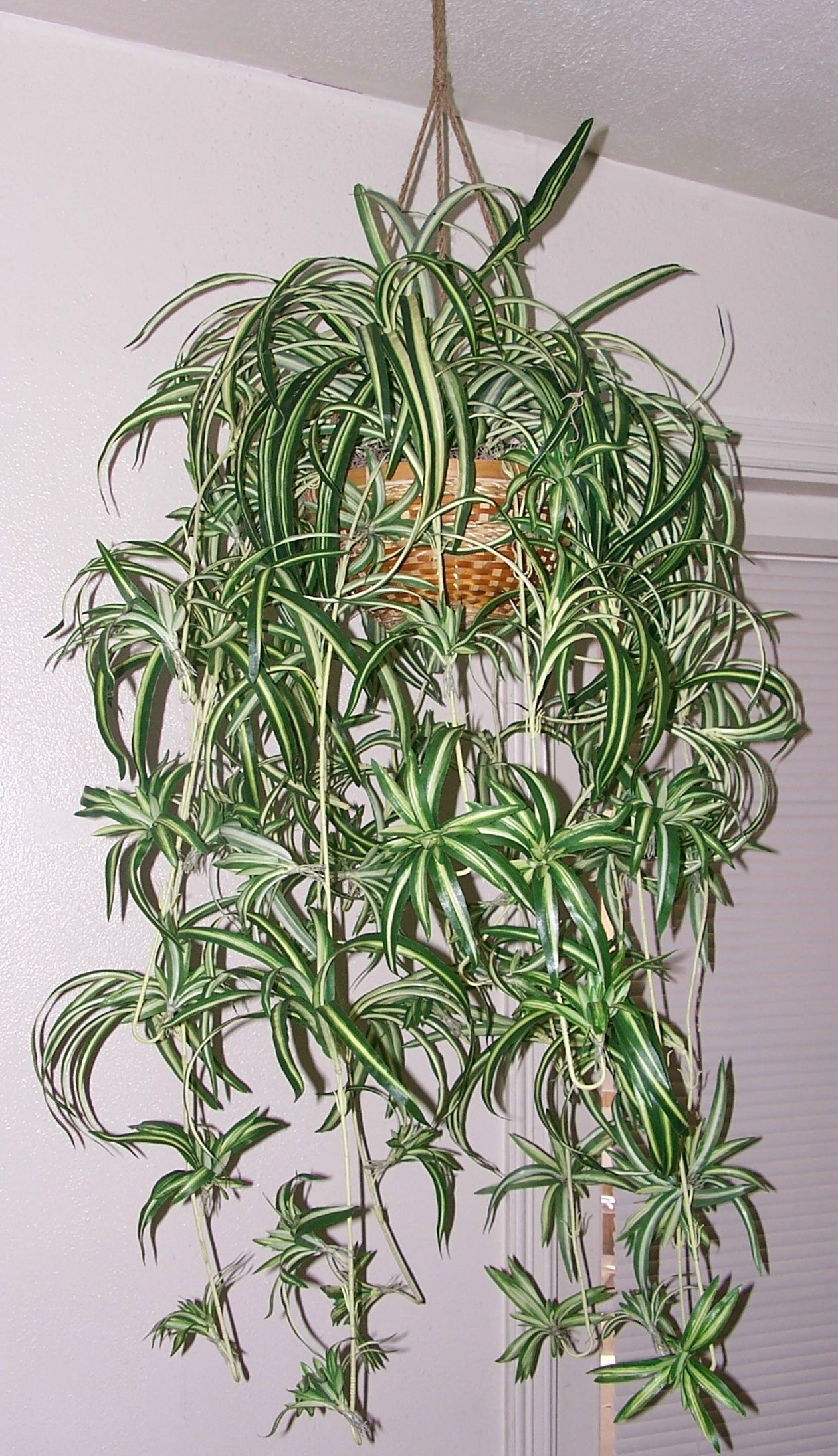
Picture a plant that writes its own family story in midair. Chlorophytum comosum—the beloved Spider Plant—sends out slender runners, each tipped with a tiny rosette ready to take root. Those baby “spiders” dangle like a family tree with legs. It’s no wonder modern houseplant lovers have turned this forgiving green fountain into a symbol of resilience, family, and renewal.
Meet Chlorophytum comosum (吊兰) up close
- Names: Spider Plant, Airplane Plant, Ribbon Plant, Spider Ivy; Chinese: 吊兰; scientific: Chlorophytum comosum; family: Asparagaceae
- Origins: Southern Africa, especially South Africa’s coastal and inland regions; now a global houseplant classic
- Look: A rosette of narrow, arching, ribbon-like leaves (solid green or crisply variegated), plus long stolons that carry starry white flowers and baby plantlets
- Size: Typically 20–45 cm (8–18 in) tall, 30–60 cm (12–24 in) wide; runners often trail 30–90 cm (12–35 in) or more
- Vibe: Forgiving, fast to share, and famously “freshening” indoors
The modern “flower language” of Spider Plant
Classical floriography never wrote an entry for Spider Plant. Its language has been authored by today’s plant community—especially in Chinese and Japanese home culture—by simply watching how this plant behaves at home.
Resilience
Thick, water-storing roots, a fondness for bright but gentle light, and an easygoing nature mean it bounces back from minor neglect. New leaves emerge even after a rough patch, and runners resume once light improves. Its message: we endure, then grow.
Family and connection
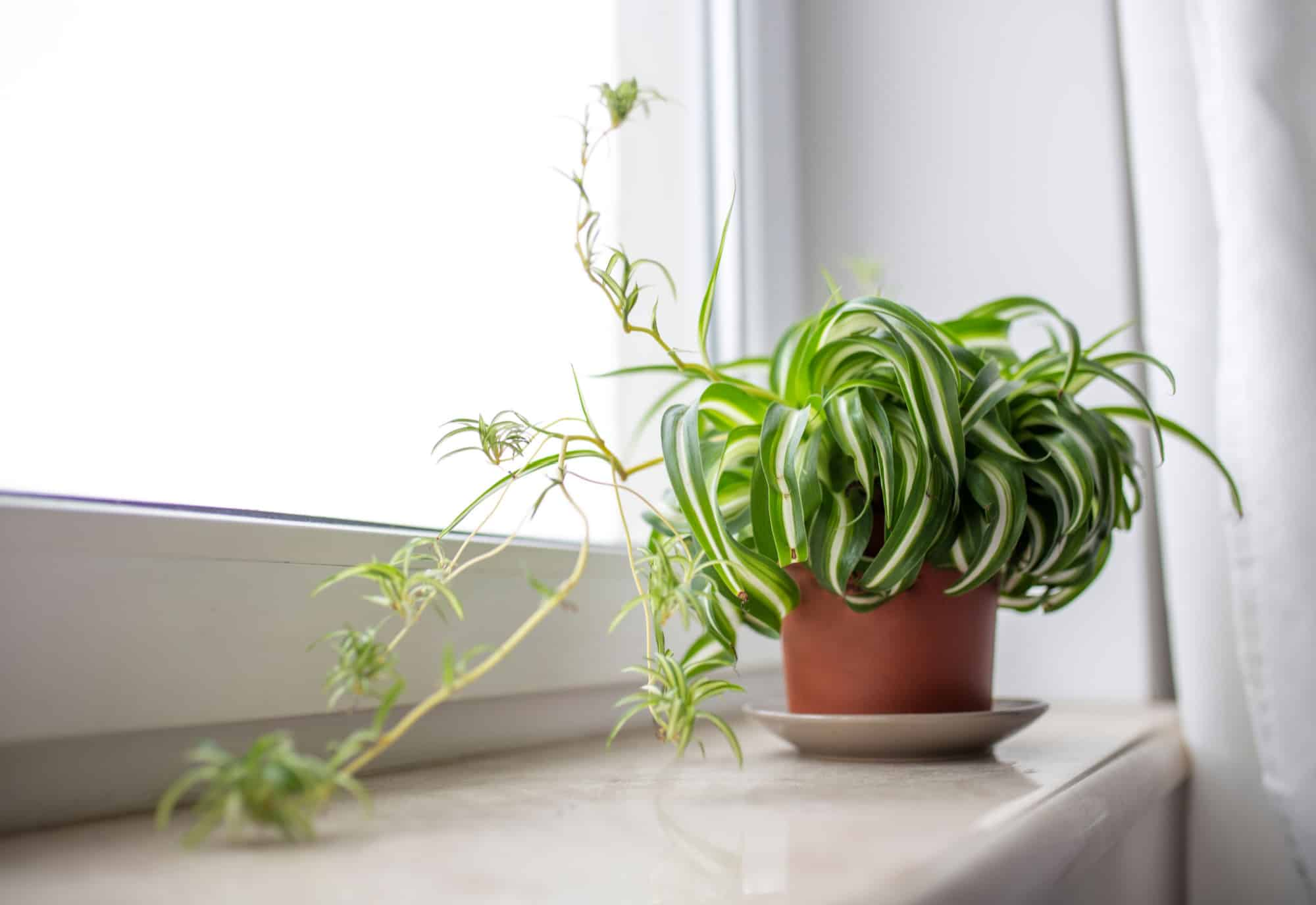
Those aerial babies (spiderettes) are tiny invitations to share. Pin one into a pot and it roots with minimal fuss; clip and gift it, and a friendship gets “rooted” too. The plant models kinship: connected, generous, continually branching.
Renewal and fresh starts
Spider Plants flower readily indoors and keep putting out new plantlets—little cycles of beginning again. For students in first apartments, new parents, startups, and anyone writing a new chapter, the plant reads as a living reset button.
East Asian houseplant culture: how the meanings took root
- China (吊兰): A staple of living rooms, offices, and bright bathrooms, loved in hanging baskets and glass water-culture vases. The ease of passing along plantlets turns it into a “sharing plant” that circulates among friends, neighbors, and colleagues—renewing spaces and relationships alike.
- Japan (オリヅルラン, Orizururan): Its light, arching lines suit airy, clutter-free interiors. The playful cascade of babies adds a gentle, hopeful motion—small “paper-cranes” of growth that echo patience and everyday resilience.
Rather than old poetic codes, these meanings rise from daily experience: a plant anyone can keep thriving, one that multiplies kindness along with greenery.
Feng shui cues: Wood element, placed for uplift
Spider Plant is a textbook Wood element: upward, outward, fresh green growth.
- Best directions: East (family/health) and Southeast (growing prosperity)
- Practical placements that also please the plant:
- Near an east window or a bright north window
- A few feet back from a south/west window or behind sheer curtains
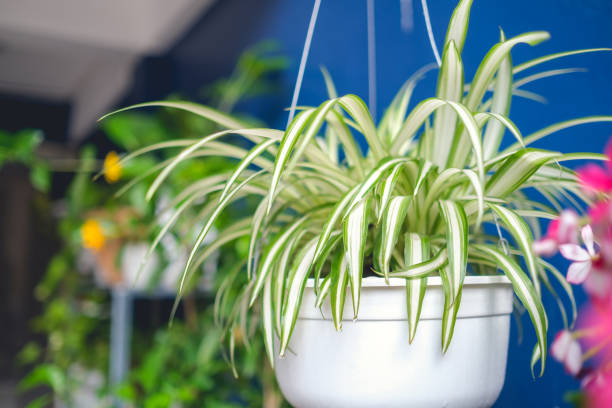
- Hanging basket in living rooms or bright bathrooms
- The feel: cascading runners “soften” corners and invite gentle movement of qi
- Care-smart feng shui: Avoid harsh midday sun (scorch), keep air moving, and let excess water drain freely—vital for healthy, vibrant Wood energy
Perfect occasions to gift a Spider Plant (and what it “says”)
- Housewarming: “May your home feel fresh and steadily growing.”
- New baby or adoption: “Welcome to the family; may love keep branching.”
- New job, graduation, or startup: “Here’s to renewal and confident growth.”
- Recovery and encouragement: “Bounce back, one bright leaf at a time.”
- Dorm or first apartment: “Low-fuss green that multiplies your wins.”
- Thank-you or reconciliation gift: “Let’s root this connection again.”
Tip: Include a small rooted baby in its own little pot or water jar alongside the main plant—a symbolic “future” the recipient can share forward.
Care that reinforces the message
Healthy growth makes the symbolism visible. Here’s a friendly, precise care map:
- Light: Bright, indirect is best for vivid striping and plenty of babies; tolerates lower light but with fewer runners. Shield from harsh midday sun.
- Water: Evenly moist, never soggy. Water when the top 2–3 cm (about 1 in) dries, then let it drain. Overwatering is a more common mistake than underwatering.
- Tip-browning fixes: Use filtered/rain/distilled water if your tap is high in salts/fluoride; flush the pot monthly with lukewarm water (~25°C / 77°F); keep humidity moderate.
- Temperature: Comfortable around 18–24°C (64–75°F); keep above ~7°C (45°F). Avoid prolonged heat above ~30°C (86°F), especially with strong sun.
- Humidity: Adaptable, but 50%+ keeps tips prettier; occasional midday mist on bright days is fine if the room isn’t cool or stagnant.
- Soil & pot: Loose, fertile, well-draining mix with perlite/coarse sand. Slightly snug pots often encourage runners.
- Feeding: During spring–early autumn, a balanced liquid feed every 2–3 weeks (lighter but regular is great). Go easy on nitrogen for variegated forms.
- Pruning & grooming: Trim brown tips along the natural leaf point; remove yellowed leaves at the base; rotate the pot for symmetry; keep runners if you love the cascade.
- Propagation: Effortless. Pot a baby with visible roots, root it in water for 1–2 weeks first, or pin a still-attached plantlet into soil until it grabs on, then snip.
- Water culture: Keep only the roots submerged (crown above water); refresh water every 7–10 days in growing season and about every 2 weeks in cooler months; add a diluted nutrient occasionally.
- Pets & people: Generally non-toxic. Cats may nibble; occasional tummy upset is possible, so hang it up if you live with a determined leaf-sampler.
Cultivars to match your message
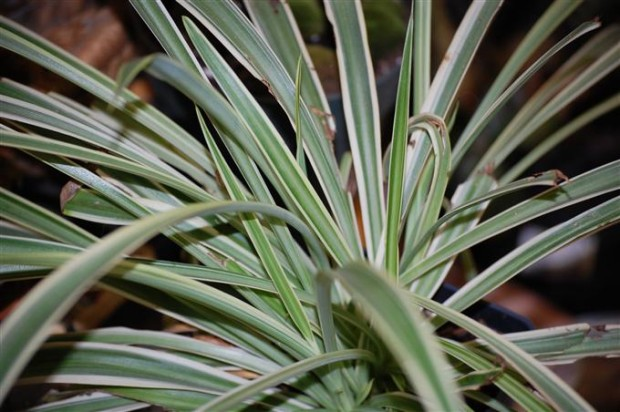
- ‘Vittatum’ (white center stripe): Classic, upbeat contrast—great for housewarmings.
- ‘Variegatum’ (white edges): Graceful, refined—lovely for offices or new roles.
- ‘Reverse Variegatum’: Bold striping—perfect for “new chapter” energy.
- ‘Bonnie’ (curly leaves): Playful and compact—ideal for first apartments or desks.
- ‘Hawaiian’: Emerging variegation that may mellow with age—nice for “growing into it” milestones.
Small rituals, big meaning
- The baby-chain: Gift a plantlet you rooted from a plant that was itself a gift; the lineage becomes a living red thread across homes.
- Fresh-start repot: Early spring repotting or division doubles as a tidy “renewal” ritual—refresh soil, trim old tips, and invite new runners.
- Shared windows: Friends place sister plants near their respective east windows—same light, same season—then trade photos as the babies appear.
Quick answers to common questions
- Why are the tips browning? Usually minerals/fluoride, dry air, irregular watering, or fertilizer salts. Switch to gentler water, flush monthly, water evenly, and raise humidity a touch. Trim for looks.
- Why no babies yet? It may need brighter indirect light, a bit more maturity, and a slightly snug pot. Avoid heavy nitrogen. Move it closer to a bright window out of harsh sun.
- Can it live in water long-term? Yes—roots only in water, crown above. Change water regularly and add dilute nutrients during active growth.
A closing note
Spider Plant doesn’t whisper in the language of Victorian bouquets; it speaks in runners and renewed leaves. Give it a bright, gentle window and a little consistency, and it will answer with a mobile of green hope—resilience you can hang, family you can share, and renewal you can watch unfurl week by week.