
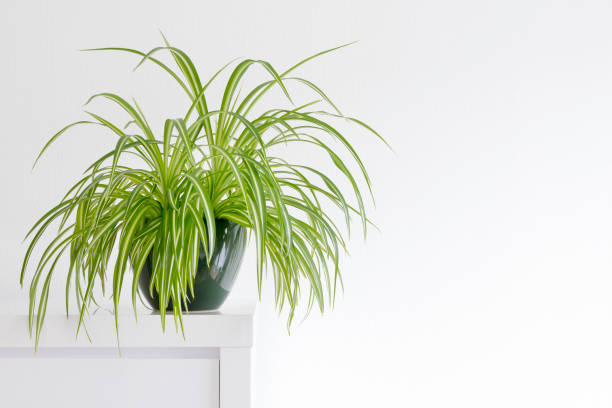
If your spider plant (Chlorophytum comosum) suddenly looks limp, spotty, or “off,” don’t panic. Most emergencies come down to three usual suspects: overwatering, poor drainage, or drought stress. Here’s a fast, practical triage you can run at the crown, roots, and pot to diagnose what’s wrong—and exactly how to fix it.
The 60‑Second Triage Cheat Sheet
- Feel the mix: Is the top 2–3 cm (about 1 in) wet or bone-dry?
- Heft the pot: Weirdly heavy for days = waterlogged; feather-light = parched.
- Peek at the saucer/cachepot: Sitting in water? That’s a red flag.
- Sniff near the drainage holes: Sour or swampy smell = rot risk.
- Pinch the crown (leaf bases where they cluster): Firm = fine; mushy or slimy = trouble.
Quick reads:
- Wet soil + yellowing/limp leaves + sour smell = overwatering/rot (often worsened by poor drainage).
- Pot stays wet for ages, mix is compacted or water puddles on top, or there are no drainage holes = poor drainage (even if you don’t “overwater”).
- Very dry soil pulled from the pot’s sides, crispy tips and edges, floppy leaves, feather-light pot = drought stress.
Tip: Spider plants have thick, water-storing roots, so overwatering is more common than underwatering. Aim for “evenly moist, never soggy.”
Where to Look First—and What Each Finding Means
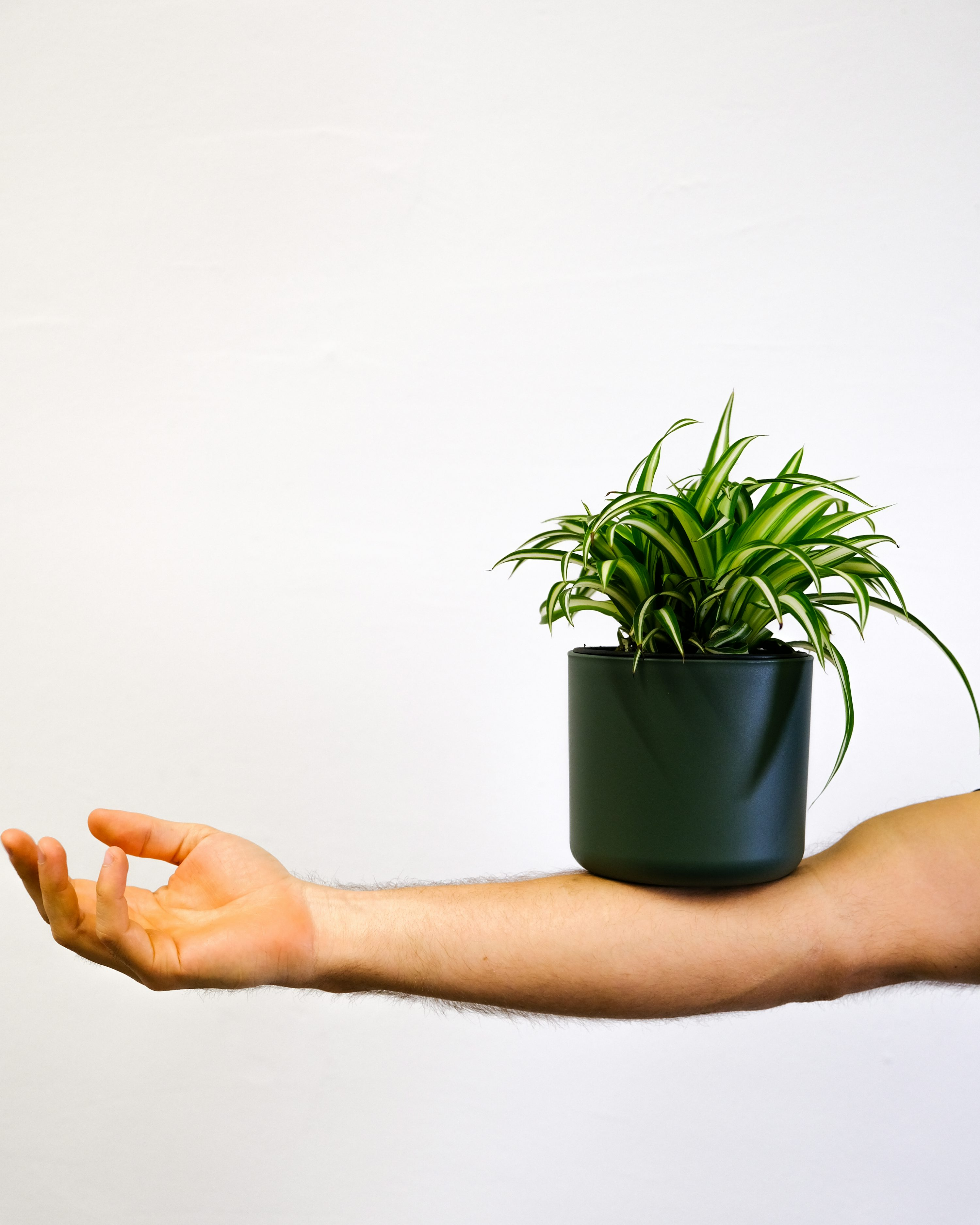
1) The Crown (the rosette where leaves emerge)
- Firm, clean-smelling leaf bases
- Likely not a rot emergency. Move on to soil/pot checks to fine-tune watering.
- Mushy, translucent, or foul-smelling bases; leaves yellowing from the base
- Classic crown/root rot scenario from chronic wetness or stagnant air. Often paired with a soggy mix or a pot without drainage.
- Lots of brown tips but crown is firm
- Usually not drought alone. Spider plants commonly brown at the tips from dry air, fertilizer/mineral buildup (fluoride/chlorine), or irregular watering. Flush the mix monthly with lukewarm water and consider filtered/rainwater.
Crown care note for water culture: If growing in water, keep the crown above the waterline; only roots should be submerged.
2) The Roots (a 5‑minute check that solves the mystery)
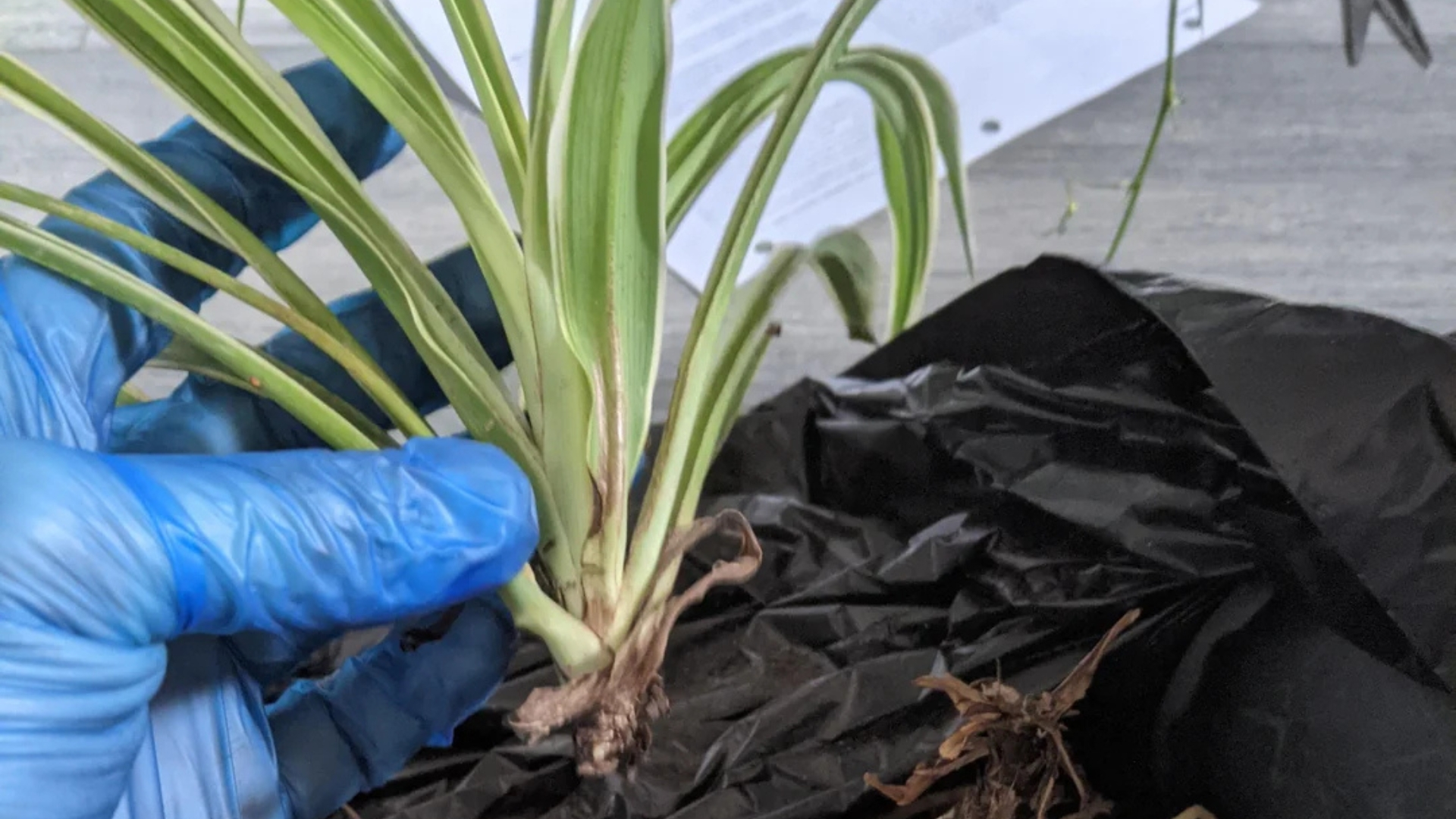
Gently slide the plant out (it’s easier when the mix is slightly dry).
- Healthy
- White to cream, firm roots; thick, fleshy storage roots. Smell is earthy, not sour.
- Overwatering/rot
- Brown to black, mushy roots that slough or snap, with a musty/foul smell. Potting mix is wet and cold. Leaves may be yellowing, and the plant can wilt despite wet soil.
- Drought
- Roots feel firm or slightly wiry, sometimes lightly tan; mix is dust-dry and often shrinking from the pot. No foul smell. Leaves droop but perk up after a proper soak.
3) The Pot and Mix (where “poor drainage” hides)
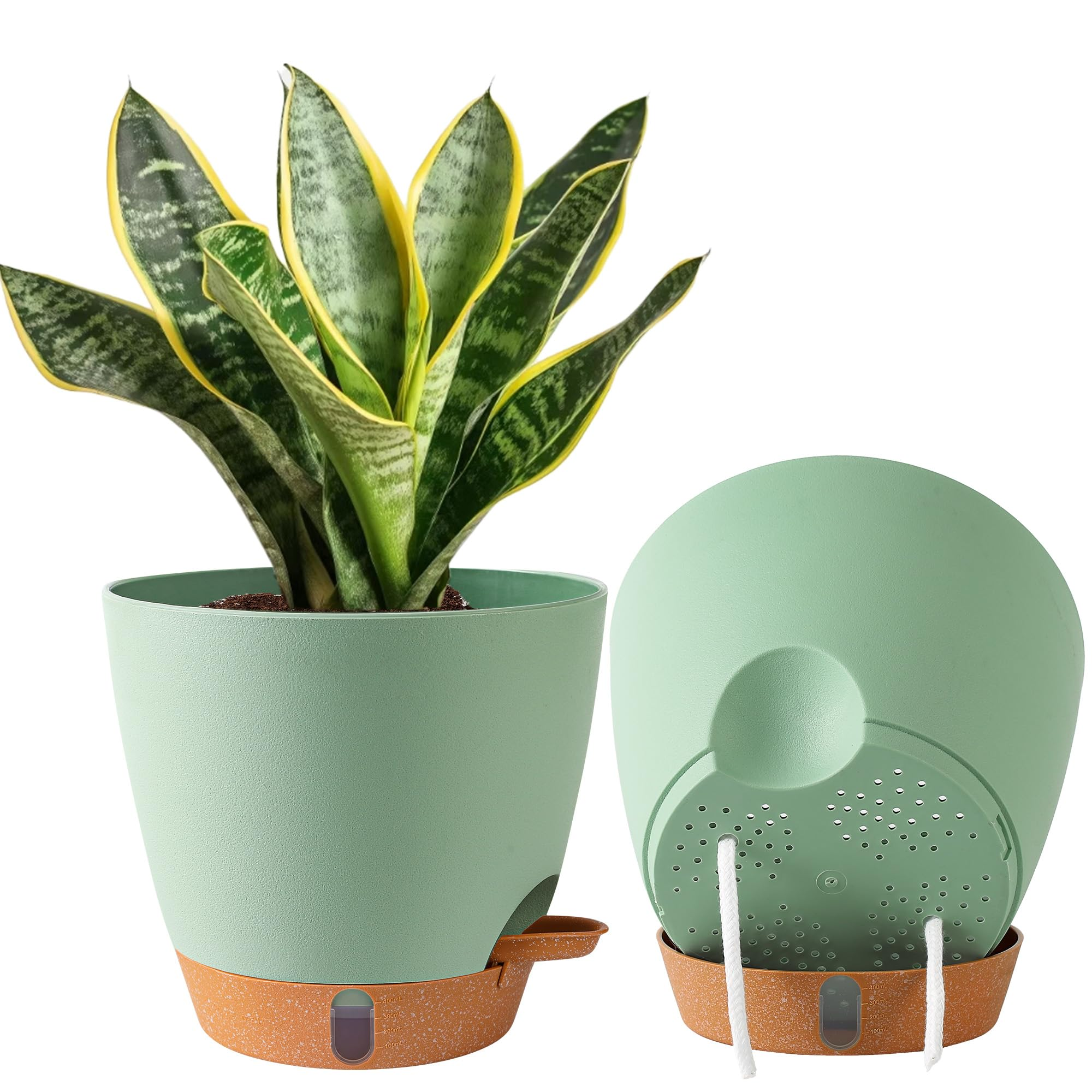
- No drainage holes or a decorative cachepot holding water
- Water has nowhere to go—roots stay wet and suffocate.
- Mix is dense/compacted; water puddles on top or takes ages to soak in
- Not enough air in the root zone. Even careful watering stays risky.
- Oversized pot with a small rootball
- A big volume of wet mix dries too slowly.
- Bone-dry, peat-heavy mix pulling from sides
- Hydrophobic when dry; water runs down gaps and never rehydrates the root zone.
Ideal setup: A snug pot with drainage and a loose, free-draining houseplant mix amended with perlite and/or coarse sand. Never let the pot sit in a water-filled saucer.
Decision Tree: Separate the Three Culprits Fast
- Soil is wet and heavy + roots mushy/dark + sour smell + crown soft
- Diagnosis: Overwatering with root rot (often enabled by poor drainage)
- Action: Root-rot rescue (see below)
- Soil is wet for days + slow to drain, no holes, compacted mix, or water pooling on the surface—but roots may not be fully mushy yet
- Diagnosis: Poor drainage (precursor to rot)
- Action: Drainage overhaul (see below)
- Soil is very dry, pot is light + mix pulling from sides + leaves flaccid with crispy tips/edges
- Diagnosis: Drought stress and hydrophobic mix
- Action: Rehydration protocol (see below)
Fix‑It Protocols
A) Overwatering and Root Rot Rescue
1) Unpot and rinse
- Gently wash soil from roots. Remove all mushy, dark, or hollow roots with sterilized scissors.
2) Sanitize and resize
- Clean or replace the pot. Choose one with drainage, only 1–2 in (2.5–5 cm) wider than the root mass. Slightly snug is safer for spider plants.
3) Fresh, airy mix
- Repot in a loose, well-draining houseplant mix with added perlite/pumice and a bit of coarse sand. Keep the crown just above the soil line.
4) The first watering
- Water once to settle the mix, then drain thoroughly. Do not rewater until the top 2–3 cm (1 in) dries.
5) Recovery conditions
- Bright, indirect light; 18–24°C (64–75°F). Good airflow; avoid cold, dark corners. Hold fertilizer until you see fresh growth.
B) Poor Drainage Overhaul (even if you water “perfectly”)
- Add drainage holes or switch pots; never let the plant sit in a wet saucer or sealed cachepot.
- Repot into a free‑draining mix (think: standard potting mix lightened with 30–40% perlite/pumice and a handful of coarse sand).
- Avoid overpotting; spider plants prefer a slightly snug home and will even make more runners that way.
- Refresh soils every 2–3 years to prevent compaction.
- If you love decorative covers, keep the plant in a nursery pot with holes, lift it with pot feet, and empty the cachepot after watering.
C) Drought Stress Rehydration (for bone‑dry, hydrophobic mix)
- Bottom‑water
- Place the pot in a basin; fill to halfway up the pot. Soak 20–30 minutes until the top feels evenly moist. Repeat once if needed.
- Resume normal watering
- Water thoroughly when the top 2–3 cm (1 in) is dry, letting excess drain away.
- If it dries out again in a day or two
- The plant may be rootbound. Repot up just one size into a fresh, free‑draining mix.
- Tidy up
- Trim crispy tips following the leaf’s natural point. Slight brown edging may persist from past stress—new leaves should look cleaner.
- Optional comfort
- Average indoor humidity is fine, but a modest boost (around 50%) can keep tips nicer.
Prevention Rhythms That Work for Spider Plants
- Light: Bright, indirect light fuels healthy growth and runner production; avoid harsh midday sun that scorches leaves.
- Watering: “Evenly moist, never soggy.” In warm, bright conditions, this can be roughly twice weekly; in winter, weekly or less. Always verify by touch—water when the top 2–3 cm is dry.
- Drainage: Non‑negotiable. Pot with holes, airy mix, no standing water in saucers.
- Temperature: Best around 18–24°C (64–75°F); keep above ~7°C (45°F).
- Monthly flush: Rinse the potting mix with lukewarm water to clear mineral/fertilizer salts that cause tip burn. Consider filtered, distilled, or rainwater if your tap water is high in fluoride/chlorine.
- Feeding: Light, regular feeding during spring–early autumn; ease off in winter.
Look‑Alikes and Curveballs
- Tip browning with otherwise perky leaves
- Often minerals/dry air/fertilizer salts rather than drought alone. Flush monthly, switch water source, and aim for moderate humidity.
- Plant wilts even though soil is wet
- Roots may be rotting and can’t absorb water—investigate immediately.
- Slow growth and fewer plantlets
- Often lower light or an oversized, soggy pot. Move closer to bright, indirect light and ensure the mix drains freely.
Why this triage works especially well for Chlorophytum comosum
Spider plants store water in thick, fleshy roots that help them shrug off short dry spells—but that same adaptation makes them vulnerable to waterlogged soil. The crown forms a fountain-like rosette; keep it firm, airy, and just above the soil line, and you’ll avoid most disasters. Once settled into a bright spot with a breathable mix and reliable drainage, this famously forgiving plant will bounce back fast—and usually reward you with a cascade of baby “spiders” to share.