If your spider plant’s “ribbons” have started to look dusty, dotted, sticky, or webby, don’t panic. Chlorophytum comosum is a resilient houseplant, and with a smart rinse routine, insecticidal soap, a touch of neem, and a few airflow tweaks, you can send spider mites, mealybugs, scale, and aphids packing—and keep those jaunty runners producing baby plantlets again.
Meet the plant (and why pests show up)
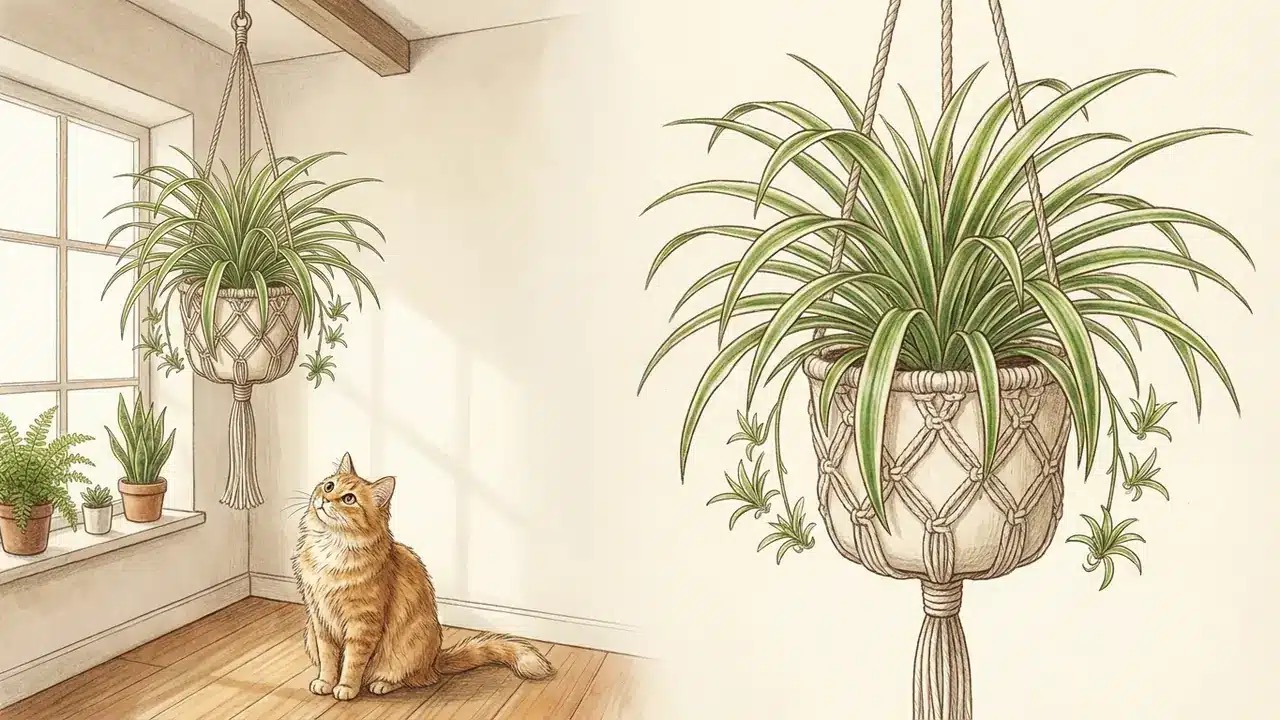
Spider plant (Chlorophytum comosum), a member of the Asparagaceae, forms a fountain of narrow, arching leaves and trails charming runners lined with baby plantlets. It thrives in bright, indirect light, and it’s famously forgiving—but it can still host a few opportunists, especially when air is dry or air is stagnant.
- Usual stressors that invite pests: very dry air (spider mites), cramped dusty leaves (mealybugs/scale), tender over-fertilized growth (aphids), and stale, still conditions (fungal issues).
The usual suspects (how to spot each fast)
- Spider mites
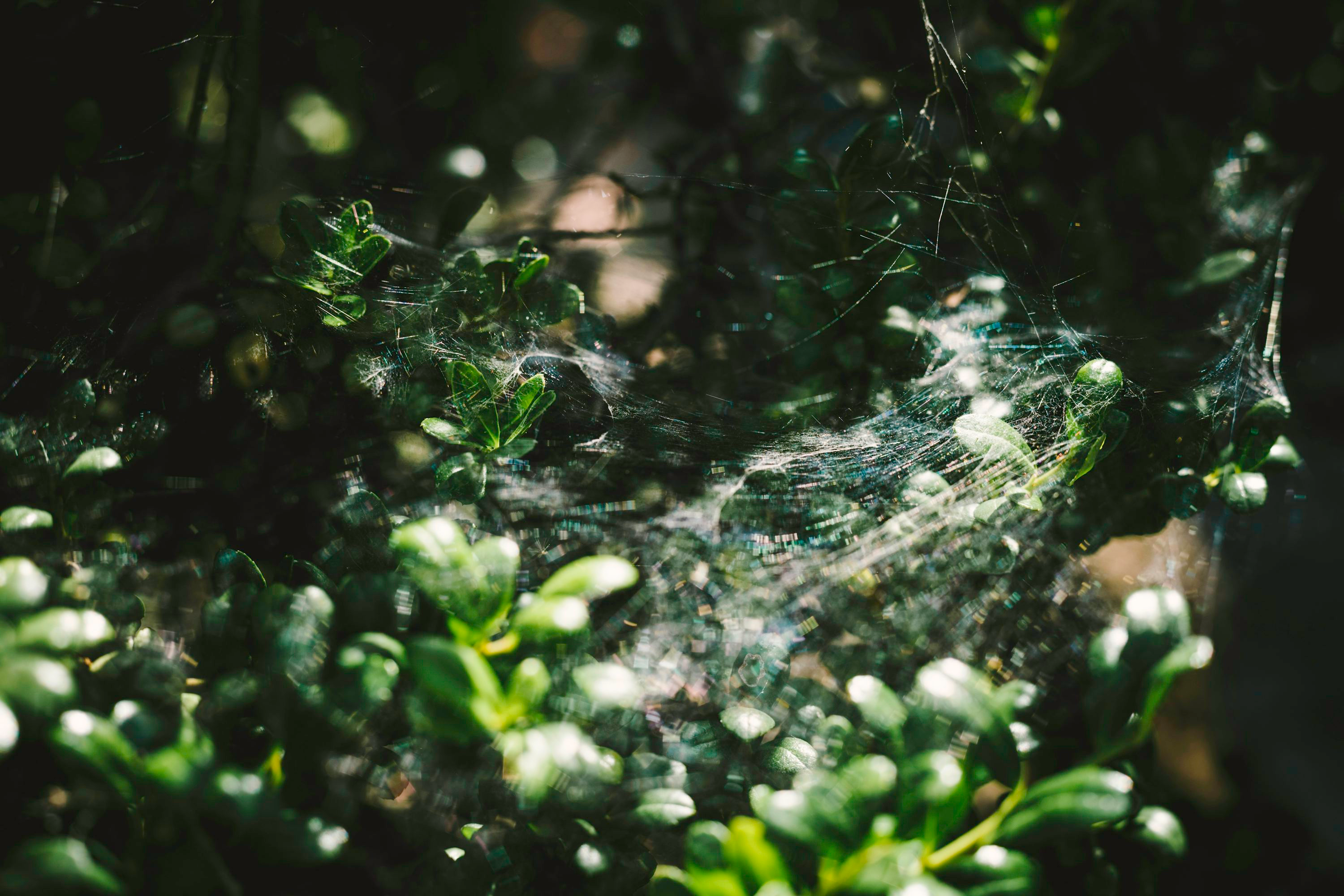
- Signs: fine, pale “stippling” on leaves; dusty look; delicate webbing between leaves and along runners.
- Test: hold a leaf over white paper and tap—specks that slowly crawl = mites.
- Mealybugs
- Signs: cottony tufts in leaf axils, along runners, and around the crown; sticky honeydew may follow.
- Test: a cotton swab with 70% isopropyl alcohol dabs them off easily—if it smears tan, you got one.
- Scale
- Signs: firm brown or tan bumps stuck to stems/leaf midribs; often accompanied by shiny honeydew and sooty mold.
- Test: try nudging with a fingernail—adults pry off like tiny shields; tiny “crawlers” are mobile and most vulnerable to treatments.
- Aphids
- Signs: soft-bodied clusters on new growth and flower/runners; leaf curling or distortion; honeydew and ants nearby.
Your four-part battle plan
1) Isolate, inspect, and prep
- Move your spider plant away from neighbors.
- Prune heavily infested runners or leaves at the base.
- Dust leaves with a soft brush or cloth so sprays contact pests directly.
2) The rinse routine (your first and often best move)

- Give the plant a lukewarm shower or sink spray (around 25°C / 77°F).
- Aim for leaf undersides and the crown; rinse until runoff is clear.
- Let excess water drain thoroughly—never leave the pot sitting in water.
- Repeat every 3–4 days during an active outbreak; weekly as a preventive.
Why it works: It washes off mites, aphids, crawlers, honeydew, and sooty mold, and it hydrates tissues stressed by dry air.
3) Insecticidal soap (contact control for soft-bodied pests)
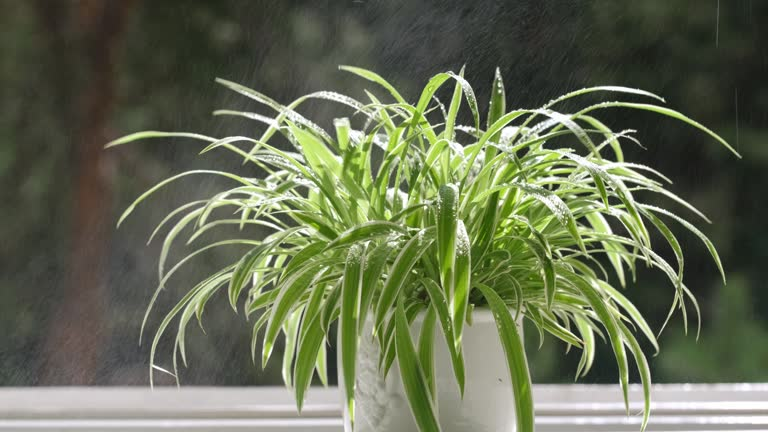
- Choose a ready-to-use, labeled insecticidal soap. These potassium salts of fatty acids are designed for plants.
- Thorough coverage is everything: spray leaf undersides, crowns, and along runners until just shy of dripping.
- Timing: treat in the cooler part of the day and out of direct sun; keep good airflow while drying.
- Repeat every 4–7 days for 3–4 cycles to catch hatchlings; soaps have no residual and must contact the pest to work.
- Patch test first on a small leaf section and wait 24–48 hours; some plants are soap-sensitive. Spider plants generally tolerate labeled products when used correctly.
Pro tip: Avoid homemade mixes from dish soaps or detergents—additives can burn foliage.
4) Neem or horticultural oil (smotherers and growth disruptors)
- Use a labeled neem oil or horticultural oil product; mix and apply exactly as directed.
- Best for: mealybugs and scale (including crawlers), and as follow-up after soaps on mites/aphids.
- Application: spray to glisten, not drip; hit leaf undersides, axils, and runners.
- Schedule: reapply at 7–10 day intervals for 2–3 rounds.
- Do not combine oil and soap on the same day; space them several days apart.
- Keep out of hot, direct sun during and immediately after treatment.
Spot-treating mealybugs and scale
- Between sprays, use a cotton swab dipped in 70% isopropyl alcohol to dab mealybugs and scale adults. Wipe away residue, then follow with your next scheduled soap or oil application. Test on a leaf first.
Airflow tweaks that tip the balance in your favor
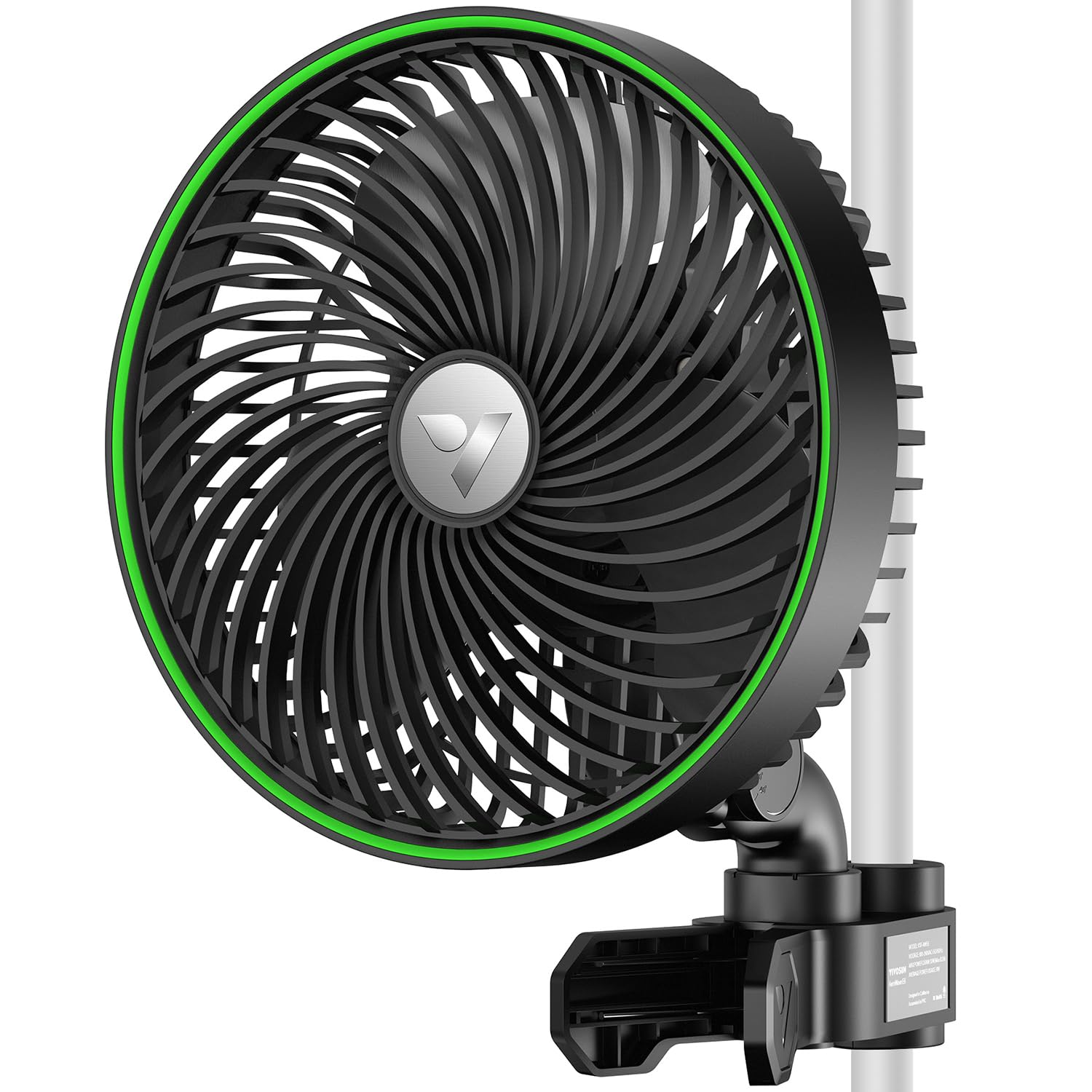
- Keep air moving: a gentle oscillating fan on low nearby (not blasting) discourages mites and fungal growth.
- Space plants so leaves don’t overlap; avoid cramming hanging baskets into still corners.
- Cleanliness counts: wipe dust from leaves and runners regularly; pests love a quiet, dusty leaf surface.
- Humidity balance: spider mites thrive in bone-dry air—aim for moderate room humidity (around 50% or a bit higher) while maintaining airflow. Avoid letting leaves stay wet overnight in cool, stagnant rooms.
Care adjustments that make your spider plant less inviting
- Light: place in bright, indirect light—near an east or bright north window, or set back from strong south/west light. Strong light keeps growth sturdy; harsh midday sun can scorch.
- Water: keep “evenly moist, never soggy.” Water thoroughly when the top 2–3 cm (about 1 in) of mix is dry, then drain well. Overwatering invites trouble.
- Flush salts: about once a month, flush the pot with lukewarm water (~25°C / 77°F) to reduce mineral buildup that browns tips and stresses the plant.
- Fertilizer: feed lightly during active growth; avoid heavy nitrogen that forces tender growth aphids love.
- Temperature: best around 18–24°C (64–75°F). Avoid heat waves above ~30°C (86°F) with poor airflow.
Targeted tactics by pest
- Spider mites
- Rinse routine + insecticidal soap focusing on undersides; follow with neem/oil if needed.
- Raise humidity modestly and move a gentle fan to keep the air from going stale.
- Repeat treatments weekly for 3–4 weeks; their egg-to-adult cycle is fast.
- Mealybugs
- Remove with alcohol swabs; prune worst clusters on runners.
- Follow with neem or horticultural oil (excellent at smothering), then insecticidal soap the next week.
- Scale
- Scrape off adults carefully; treat with oil to smother remaining juveniles and crawlers.
- Follow with insecticidal soap on the next interval to catch mobile stages.
- Aphids
- Strong rinse first; insecticidal soap with thorough coverage; repeat in 4–7 days.
- Check new growth and runner nodes closely—they love the freshest tissue.
A simple 3-week schedule (example)
- Day 1: Isolate, prune heavily infested bits. Rinse thoroughly. After drying, apply insecticidal soap.
- Day 7: Rinse again. Apply neem or horticultural oil.
- Day 14: Rinse again. Reapply insecticidal soap.
- Day 21: Inspect; if you still spot pests, continue alternating weekly until clean.
What recovery looks like
- New leaves emerge clean and evenly green, without fresh stippling or sticky honeydew.
- No new webbing, cottony tufts, or crawler activity on runners.
- Older damaged leaves won’t “heal”—trim for looks, but judge success by healthy new growth.
Prevention you’ll actually keep doing
- Quarantine new plants for 2–3 weeks.
- Give your spider plant a quick lukewarm rinse when dust builds up or after it’s been outdoors.
- Rotate the pot for even growth and easier inspections.
- Keep the mix free-draining and the pot not oversized; repot every 2–3 years or when roots crowd.
Why this works on spider plant specifically
Spider plants are naturally tough, with fleshy, water-storing roots that forgive the occasional delay between waterings. In bright, indirect light with even moisture and good airflow, they shrug off most issues. When pests do appear, the combination of physical removal (rinses), contact killers (insecticidal soaps), smothering oils (neem/horticultural oil), and small environmental tweaks is both effective and gentle—ideal for a fast-growing plant that loves to bounce back and keep throwing out those playful plantlets.
One last note on safety
Always read and follow product labels. Keep pets and children away from freshly treated plants until sprays have dried. Avoid spraying in hot sun or on heat-stressed leaves, and never leave the pot sitting in drained water.
With a steady rinse rhythm, smart sprays, and lively air, your Chlorophytum comosum will go back to what it does best: arching, sparkling, and multiplying.