
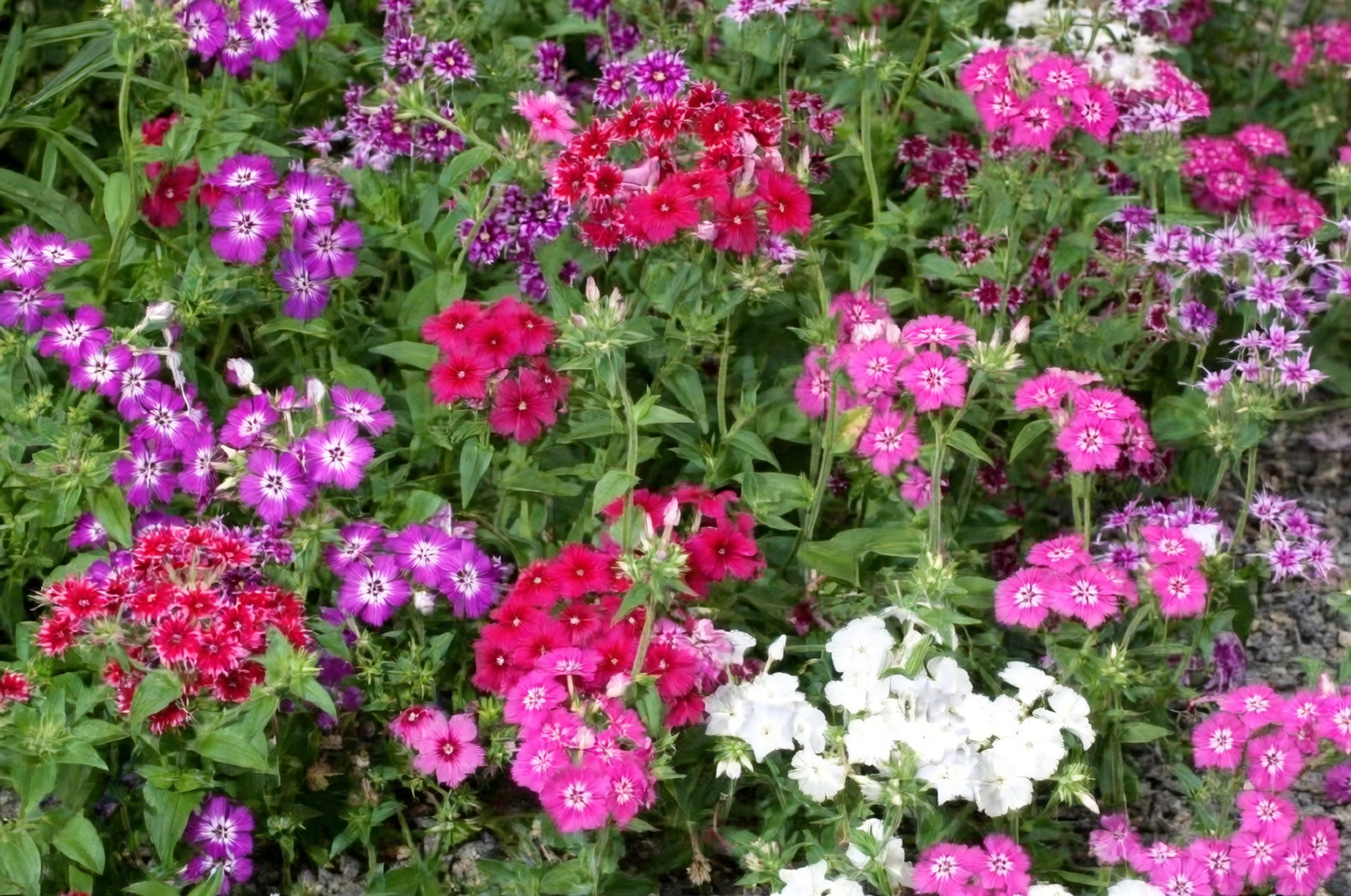
Imagine gathering armfuls of starry blooms that look like tiny pastel fireworks, then watching them hold their charm all week long—no slimy stems, no murky vase, just fresh, cloudlike color. That’s the magic of Annual Phlox (Phlox drummondii) in a home florist’s hands. Here’s your friendly, field-tested playbook: when to harvest (half-open is the sweet spot), how to strip and condition stems, the clean-vase rituals that actually matter, simple home preservatives, and pairing ideas for those airy, cottage-style arrangements we all crave.
Meet Annual Phlox (Phlox drummondii)
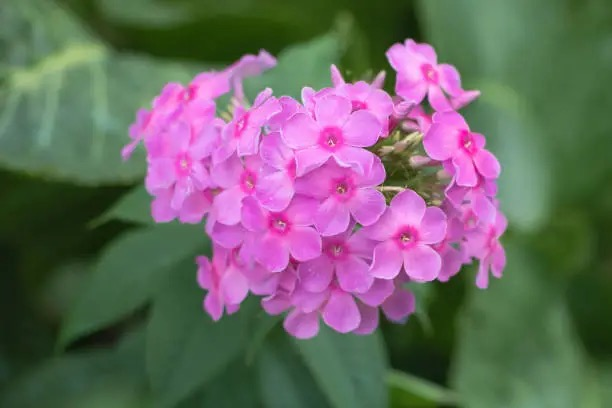
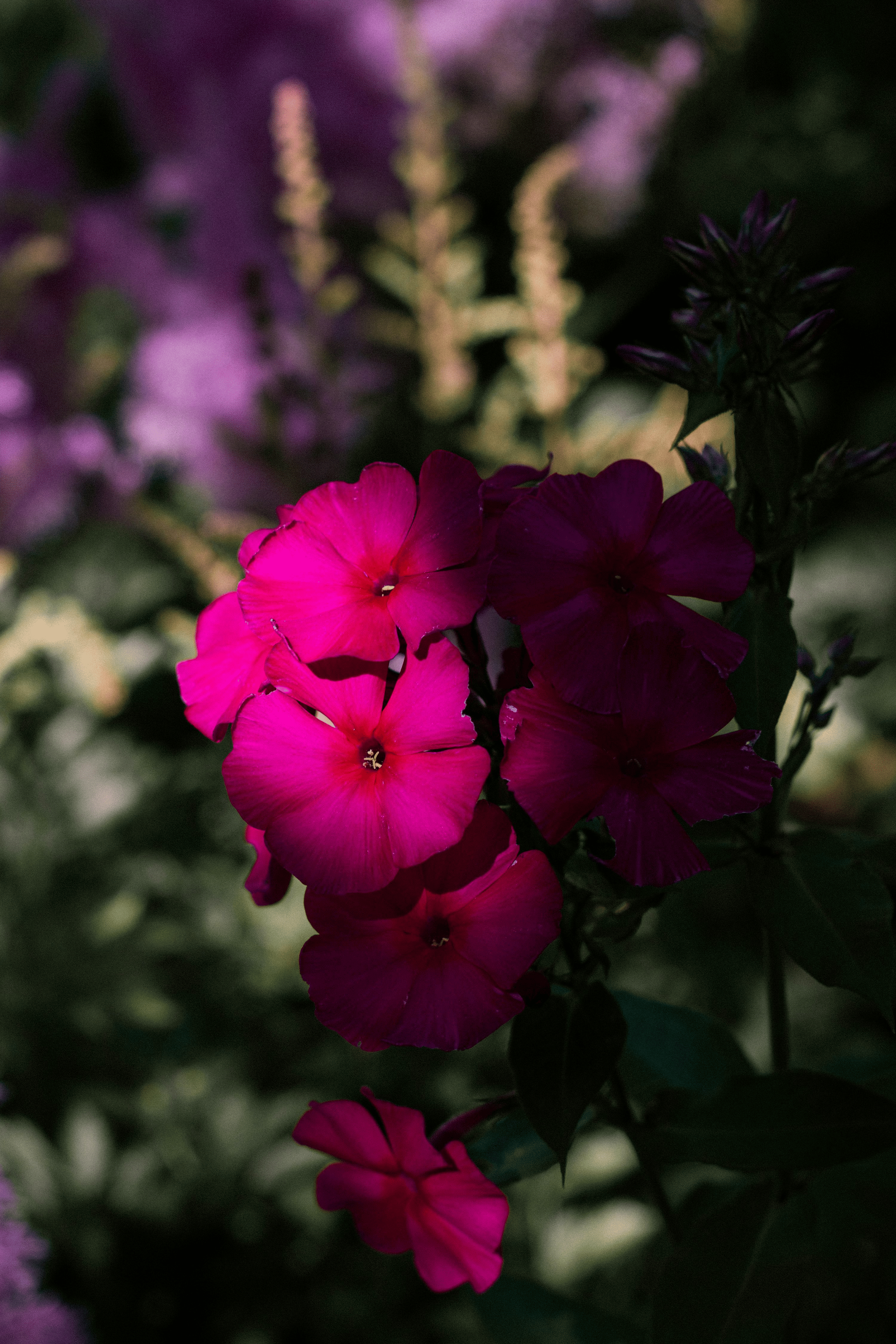
Native to Texas and beloved far beyond, annual phlox packs showstopping color into neat, compact clumps (about 6–24 in/15–60 cm tall). The five-petaled, star-shaped flowers gather into tight clusters in shades of white, pink, purple, red, and orange, often with a sparkling, contrasting “eye.” It’s a cottage-garden classic that blooms generously from mid-spring to mid-summer, and pollinators—bees, butterflies, even hummingbirds—are smitten.
- Family: Polemoniaceae (genus Phlox)
- Grown as: An annual (not frost-hardy)
- Best sites: Full sun for abundant bloom; light afternoon shade where summers scorch
- Bonus: Superb for beds, borders, containers—and yes, cut flowers
Harvesting for Longer Vase Life
Think of each phlox stem as a ready-made bouquet: a cloud of florets opening in succession. Your timing—and what you do in the first 10 minutes—decides how long that cloud floats indoors.
When to cut: the “half-open” sweet spot
- Aim for clusters with the outer ring of florets open and the inner buds just showing color (roughly 30–50% open).
- Skip stems where most florets are fully blown or already shattering, and avoid tight green buds with no hint of color.
- Harvest early in the morning when stems are fully turgid (well-hydrated) and temperatures are cool.
How to cut (without stress)
- Use sharp, clean snips or a knife and take a bucket of clean, cool water to the garden.
- Make a clean cut above a leaf node to encourage branching and more blooms.
- Get stems into water immediately—don’t let them lie on a warm path or ride around in a dry trug.
What to look for
- Choose vigorous, upright stems with plenty of side buds.
- Avoid any stems showing powdery mildew or pest damage (they’ll fade faster and cloud your vase water).
Strip, Condition, and Rest Your Stems
Conditioning is where the magic happens—simple steps with outsized impact.
- Strip foliage
- Remove all leaves that would sit below the waterline. Phlox leaves are slightly soft and hairy; submerged foliage decays quickly and breeds bacteria.
- Re-cut and hydrate
- Re-cut stems by 1/2 inch (1–2 cm) at a slight angle. If you can, do it under water to prevent an air bubble from forming in the stem.
- Place in clean water (cool to room temperature) with flower food or your DIY preservative (recipes below).
- Let them rest cool
- Rest conditioned stems in a cool, dim spot for 2–6 hours (overnight is great) before arranging.
- Short-term cold storage helps: around 40–60°F (4–16°C) is ideal; avoid freezing. Keep away from ripening fruit (ethylene gas shortens vase life).
Pro tip: Keep phlox leaves dry if you can; soggy foliage breaks down faster in arrangements.
Clean-vase tricks that matter
A sparkling vase is like fresh linens—quiet, essential luxury for your flowers.
- Wash vases with hot soapy water, rinse well, then sanitize:
- Swish with a 1:10 bleach-to-water solution or use a small splash of household bleach in a full sink of water. Rinse thoroughly.
- Start with fresh, cool water and add flower food or a DIY mix.
- Change water daily (every other day at minimum) and re-cut stems slightly each time.
- Display bouquets away from direct sun, heat vents, and fruit bowls.

Skip the myths: copper pennies, aspirin, and hair spray are more folklore than fix.
Simple homemade preservatives (easy, effective)
Commercial flower food is great. If you’re DIY-inclined, these recipes deliver the three essentials: sugar (food), acid (helps uptake), and a biocide (controls bacteria).
Option A: Lemon + sugar + tiny bleach (per quart/liter of water)
- 1 teaspoon sugar
- 1 teaspoon lemon juice (or 1/4 teaspoon citric acid)
- 1/8 teaspoon household bleach
- Stir to dissolve before adding stems.
Option B: Clear soda shortcut
- 1 part lemon-lime soda (not diet) to 3 parts water
- Add 1–2 drops bleach per quart/liter to curb bacteria.
Safety note: Never mix bleach directly with concentrated acids. Always add tiny amounts to a large volume of water, and label your pitcher.
Designing airy, cottage-style arrangements
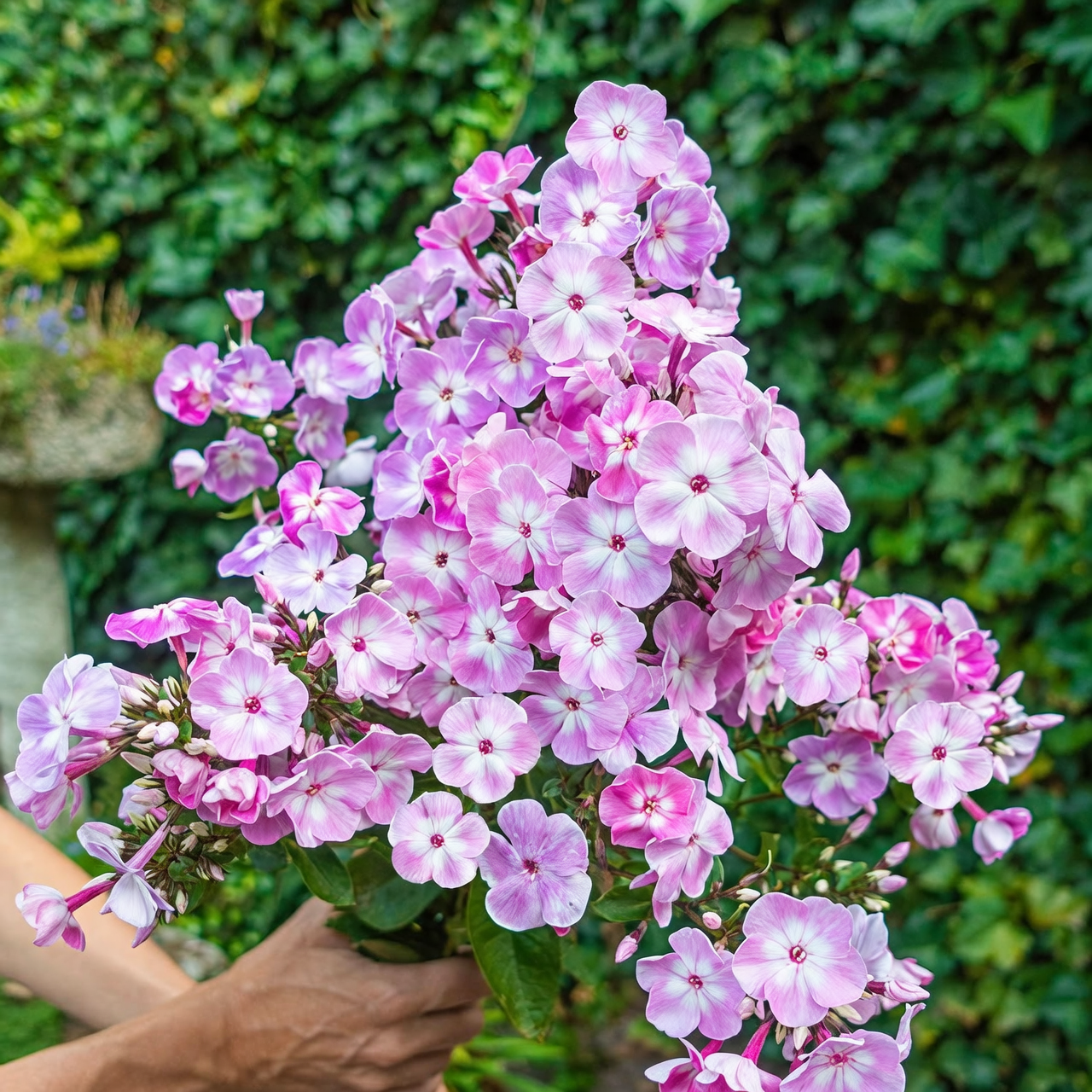
Annual phlox is your “cloud maker.” Build around its soft clusters, then add structure, sparkle, and scent.
Shape and mechanics
- Use a narrow-neck vase, floral tape grid, or a nest of chicken wire to support soft stems while keeping that airy feel.
- Angle stems so clusters float at slightly different heights—think drifting clouds rather than a perfect dome.
- Tidy as you go: pluck spent outer florets to keep clusters fresh-looking.
Dreamy pairings
- Wispy fillers: Queen Anne’s lace (Ammi/Daucus), orlaya, feverfew, airy ornamental grasses, nigella flowers and pods
- Romantic companions: sweet peas, cosmos, scabiosa, snapdragons, larkspur
- Scented greens: mint, dill, oregano, scented geranium (keep fuzzy leaves above the waterline)
- Leafy lift: fern fronds, bronzy fennel, or a slim hosta leaf as a ribboning line
Palette ideas
- Blush & breeze: white and shell-pink phlox + minty greens + soft feverfew
- Sorbet brights: coral/orange phlox + sky-blue larkspur + a sprig of dill
- Twilight cottage: purple and bicolor phlox + deep blue cornflowers + ferny greens
Make it last all week
- Water: Top up daily; replace fully every day or two with a quick re-cut.
- Placement: Cool room, out of sun and drafts; no fruit nearby.
- Grooming: Remove fading stems and spent florets promptly so the bouquet keeps its airy poise.
- Expectation: With good conditioning and cool display, annual phlox typically keeps its charm for several days to about a week, with buds opening in sequence.
Grow-your-own cheat sheet (for endless bouquets)
- Sun: Full sun (6–8 hours). In very hot climates, a bit of afternoon shade helps.
- Soil: Well-drained, fertile; slightly alkaline to neutral (about pH 6.0–8.0). Work in compost before planting.
- Water: Keep evenly moist—about 1 inch (2.5 cm) per week. Water at the soil line to reduce powdery mildew.
- Feeding: Balanced fertilizer; a touch more N early, then shift to bloom support (higher P and K) once buds form. Avoid heavy late nitrogen.
- Shape: Pinch or cut back by one-third to one-half in early summer for bushier plants and more flower clusters.
- Spacing: 18–24 in (45–60 cm) apart for airflow—your best defense against powdery mildew.
- Propagation: Easiest from seed. Start indoors 6–8 weeks before last frost (germinates best at 59–68°F/15–20°C). Sow shallowly; seeds like light.
Flower language and a little lore
In Victorian floriography, phlox signified harmony and unity—“we think alike.” It’s an inviting, peaceable meaning that suits a bouquet meant to calm a room or celebrate togetherness. The name itself comes from the Greek for “flame,” a nod to its vivid colors. Folklore even links phlox to torchlight and reconciliation—gentle myths that add a soft glow to your arrangements without weighing them down with rigid rules.
Quick troubleshooting
- Cloudy vase water fast? Use less sugar, add a touch more bleach, and strip any sneaky leaves below the waterline.
- Stems wilting on day one? Harvest earlier in the morning, re-cut under water, and rest stems longer in a cool place before arranging.
- Mildew on garden plants? Space generously, water at the base, keep air moving, and remove heavily infected foliage. A labeled sulfur-based fungicide can help if needed.
With the right harvest stage, a squeaky-clean vase, and a simple preservative, Annual Phlox turns into a long-lasting cloud of color—and when you weave it with wispy fillers and scented herbs, you get airy, cottage-style arrangements that feel effortless and stay beautiful.