

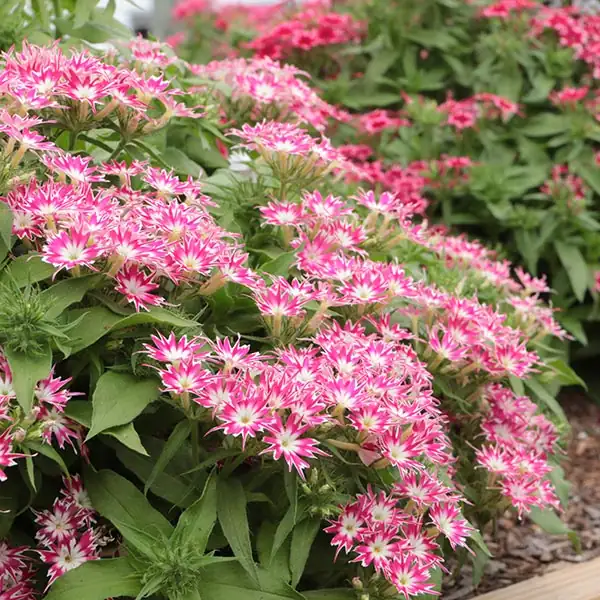
Imagine a patch of earth that hums from April through summer—bees zigzagging, butterflies hovering like confetti, and the occasional ruby-throated flash of a hummingbird. That’s the promise of Phlox drummondii, the annual phlox: compact, candy-colored, and nectar-rich. Here’s how to plant it with pollinators in mind—stacking bloom time, spacing smartly to dodge mildew, and using color like a beacon for winged guests.
Meet Annual Phlox (Phlox drummondii): Small Plant, Big Magnetism
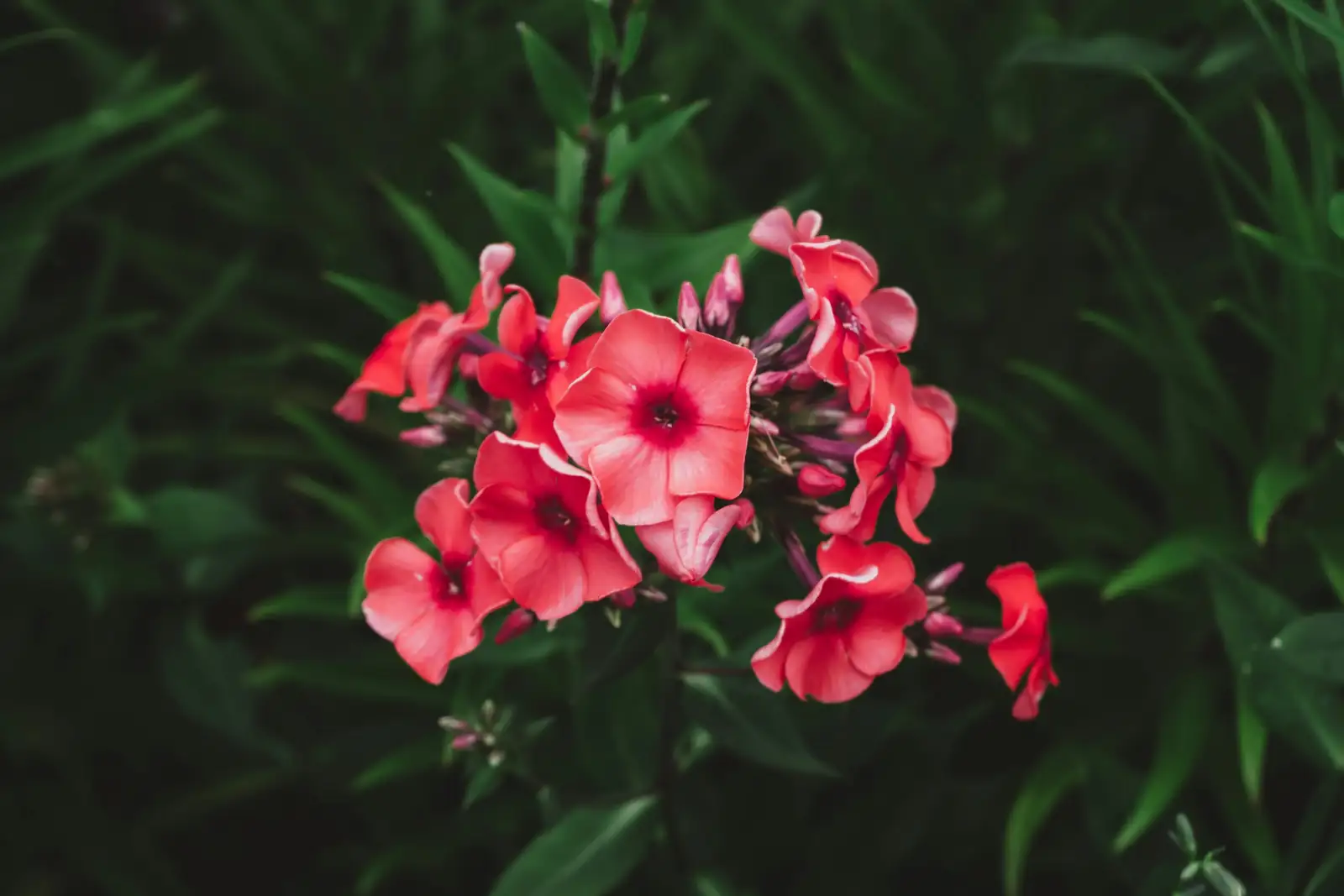
- Habit and size: Upright, neatly mounded clumps about 6–24 in tall, depending on variety.
- Flowers: Tight clusters of five-petaled, star-shaped blooms in white, pink, purple, red, orange, and showy bicolors—often with a contrasting “eye.”
- Season: Mid-spring to mid-summer (roughly April–July), with longer bloom if you deadhead.
- Pollinators: A true crowd-pleaser—bees, butterflies, and even hummingbirds all stop by.
- Best site: Full sun (6–8 hours) for the heaviest flower show; offer a bit of afternoon shade where summers are scorching.
The Pollinator-First Game Plan
Think buffet, not snack bar. Your goal is overlapping bloom from spring into peak summer (and beyond), with colors that send clear signals to different pollinators.
Color Cues That Pull Them In
- Bees: See blues, purples, and whites especially well, and hone in on “nectar guides”—those contrasting centers (“eyes”) many phlox blooms display.
- Butterflies: Love warm pinks, reds, and oranges, plus flat-topped clusters that make easy landing pads (phlox excels here).
- Hummingbirds: Attracted to bold reds, magentas, hot pinks, and oranges. They’ll sip from phlox, then turbo-charge on tubular companions nearby.
Pro tip: Mix a cool palette (lavender, violet, white) with warm hits (coral, cherry, orange) in drifts. You’re painting a runway.
Stack the Bloom Calendar With Smart Companions
Anchor the season with annual phlox, then braid in partners that extend nectar before and after its peak.
- Spring into early summer: Annual phlox + salvias
- Choose nectar-heavy salvias (for example, mealycup types or other garden salvias). Their tubular blooms are hummingbird and bee favorites right as phlox peaks.
- Early summer through frost: Zinnias
- Big, flat daisy-like landing platforms keep butterflies happy when the heat rises and phlox starts easing off. Bees visit, too.
- Late spring through fall: Gaura (Oenothera/“wandflower”)
- Airy wands of nectar that sway with pollinators’ flights. Bridges the gaps with continuous bloom.
- Summer into early fall: Milkweed (Asclepias)
- Nectar for adult pollinators and essential larval food for monarchs. Plant a clump for real habitat value.
Bonus companions that play nicely: Coreopsis and blanketflower add heat-hardy color and nectar without cramping airflow.
A Sample Bed That Blooms in Waves
- Center drift (spring–early summer): Annual phlox in mixed cool-and-warm shades
- Backing layer (spring–fall): Salvias and gaura interwoven, 18–24 in behind the phlox
- Front/side accents (summer–frost): Zinnias grouped in sunny pockets
- Corner habitat patch (summer–early fall): A stand of milkweed
Flow matters: Arrange in generous drifts rather than a checkerboard. Pollinators forage more efficiently when like flowers are grouped.
Spacing and Airflow: Your Mildew Insurance Policy
Annual phlox can be prone to powdery mildew, especially in humid spots. Prevent it with generous elbow room and smart watering.
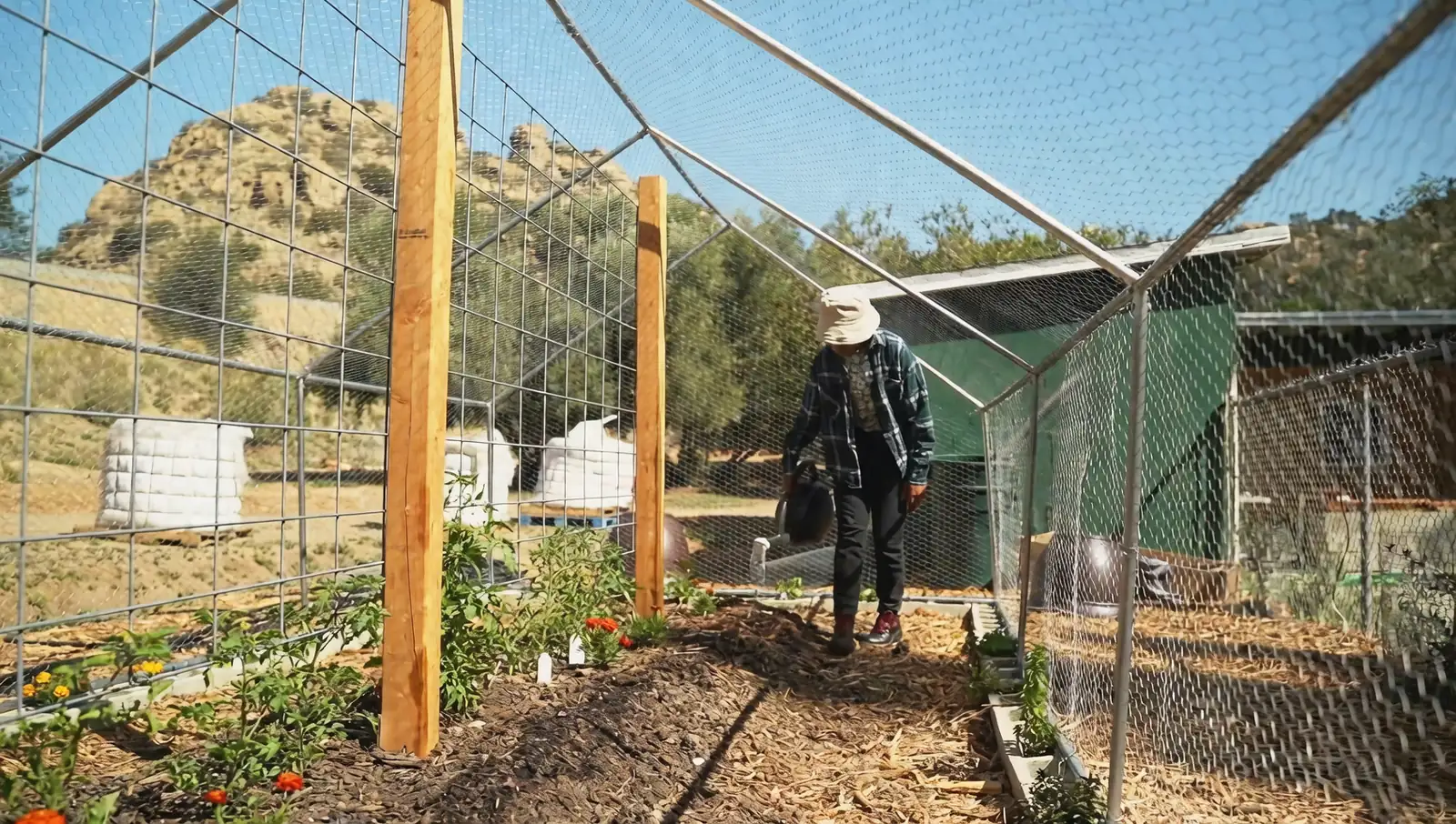
- Space plants 18–24 in apart (wider for taller, bushier selections). Thin seedlings early.
- Water at the base, not over the leaves. Aim for about 1 in per week from rain/irrigation.
- Sun and breeze: Full sun plus steady airflow are your best defenders.
- Mulch lightly to keep splashing soil off leaves, but don’t pile mulch against stems.
- If pressure builds: Remove the worst leaves promptly and consider a labeled sulfur-based fungicide on a 7–10 day rotation.
Planting, Soil, and Setup
- Timing: Start seeds indoors 6–8 weeks before your last frost; transplant after frost danger passes. You can also sow outdoors after frost.
- Germination: Sow shallowly—seeds like light—at 59–68°F (15–20°C).
- Soil: Fertile, well-drained, with compost mixed in. Slightly alkaline to neutral (about pH 6.0–8.0) suits annual phlox well.
- Light/heat: Full sun is best; offer afternoon shade in extreme heat.
- Containers: Use a sharp-draining mix; don’t overcrowd. Even in pots, keep that 18 in spacing mindset or use fewer, larger specimens.
Feeding and Watering for Nectar-Rich Blooms
- Before planting: Work in compost.
- Early growth: A balanced fertilizer (slightly higher nitrogen is fine while bulking up foliage).
- Bud to bloom: Shift to a bloom-supporting feed (higher phosphorus and potassium); avoid heavy nitrogen late or you’ll get leaves over flowers.
- Water: Keep evenly moist but never soggy. Poor drainage = root trouble and fewer blooms.
Maintenance That Keeps the Buffet Open
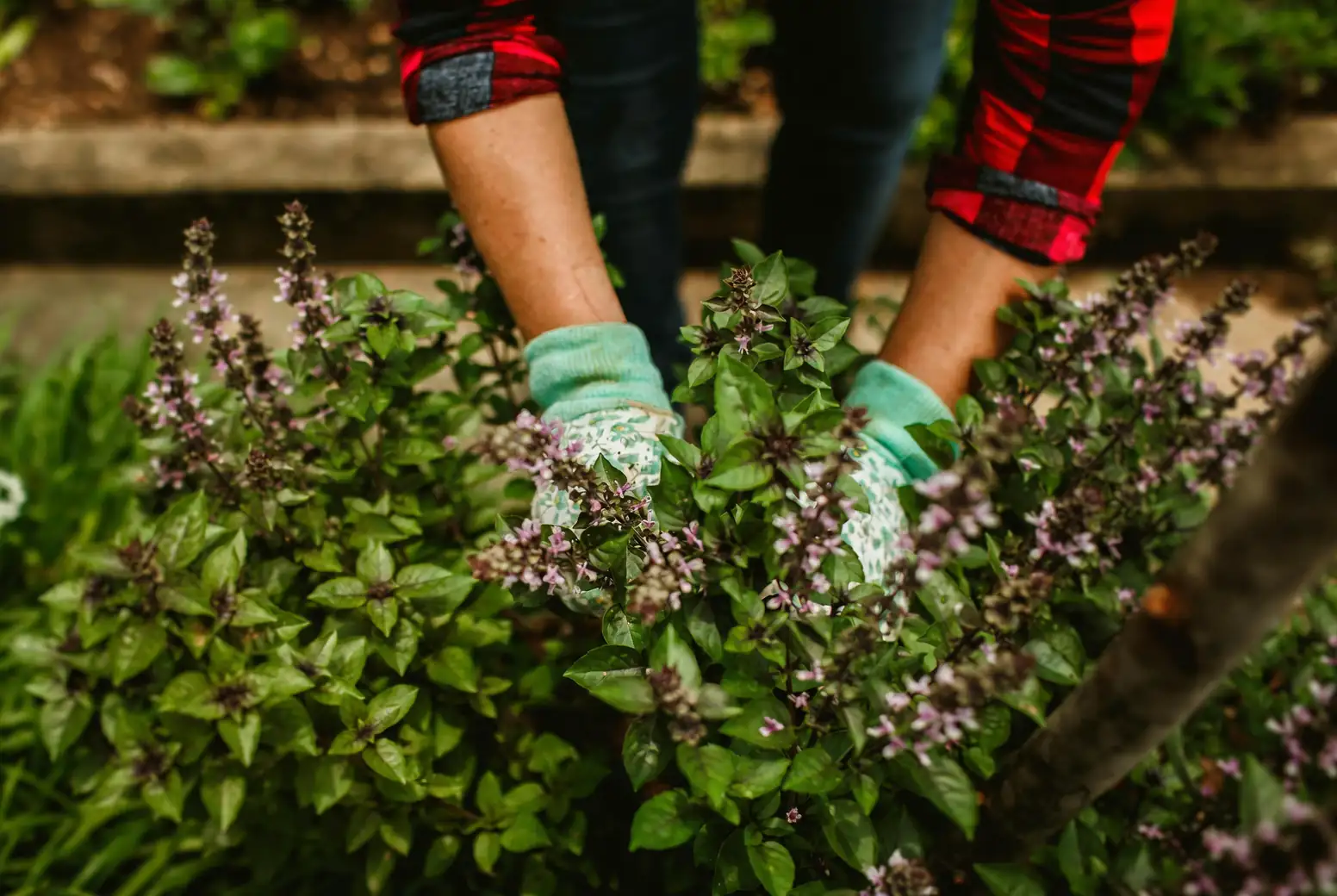
- Deadhead often to extend the show and channel energy into new buds.
- Pinch or trim back by about one-third to one-half in early summer if plants get leggy—this encourages bushier growth and more flower clusters.
- Cut for bouquets freely; it stimulates more stems.
- End-of-season hygiene: Remove and discard diseased foliage in fall.
Pollinator Microhabitat Tips
- Cluster flowers: Group same-species blooms to help pollinators feed efficiently.
- Ditch the harsh sprays: Use insecticidal soap only when necessary. Avoid stressing plants with drought—strong plants resist pests better.
- Add a drink station: A shallow dish with pebbles and clean water helps bees and butterflies tank up between floral visits.
- Mix flower forms: Flat clusters (phlox, zinnias) + tubular blooms (salvia, gaura) call in a broader cast of visitors.
Quick Planting-Day Checklist
- Sun-soaked site with airflow
- Compost blended into well-drained soil
- Phlox spaced 18–24 in apart
- Companion drifts: salvia, zinnia, gaura, milkweed
- Soaker hose or low, targeted watering method
- Mulch ring (thin, not heaped)
- Plan for regular deadheading
Pests and Health Notes
- Most common issue: Powdery mildew—prevent with spacing, sun, and base-watering. Treat with a labeled sulfur-based fungicide if needed.
- Possible pests: Aphids, spider mites, leaf miners. Manage with insecticidal soap and by keeping plants stress-free and evenly watered.
- Safety: Not considered significantly toxic, but it’s ornamental—discourage nibbling by pets and kids.
Why Annual Phlox Works So Well in a Pollinator Garden
- Dense clusters mean high reward per landing.
- Long bloom window from mid-spring into summer, extended by deadheading.
- Color diversity lets you “program” the garden for bees, butterflies, and hummingbirds all at once.
- Compact habit fits beds, borders, rock gardens, and containers—easy to weave into existing plantings.
A Note on Flower Language (and Why It Still Charms)
Victorian floriography assigned meanings to flowers as a kind of secret code. Phlox often stood for harmony—“we think alike” or “our souls are united.” Color tints shaded the message: pink for affection, white for purity, purple for wisdom or spirituality, red for passion. While symbolic rather than scientific, that spirit of harmony feels right in a pollinator garden: plants, insects, and people in a sweet, mutually beneficial dance.
Plant annual phlox where the sun can kiss it, give it room to breathe, and pair it with the right nectar partners. Then stand back. Your garden will become a living, fluttering, humming love letter to spring and summer.


