
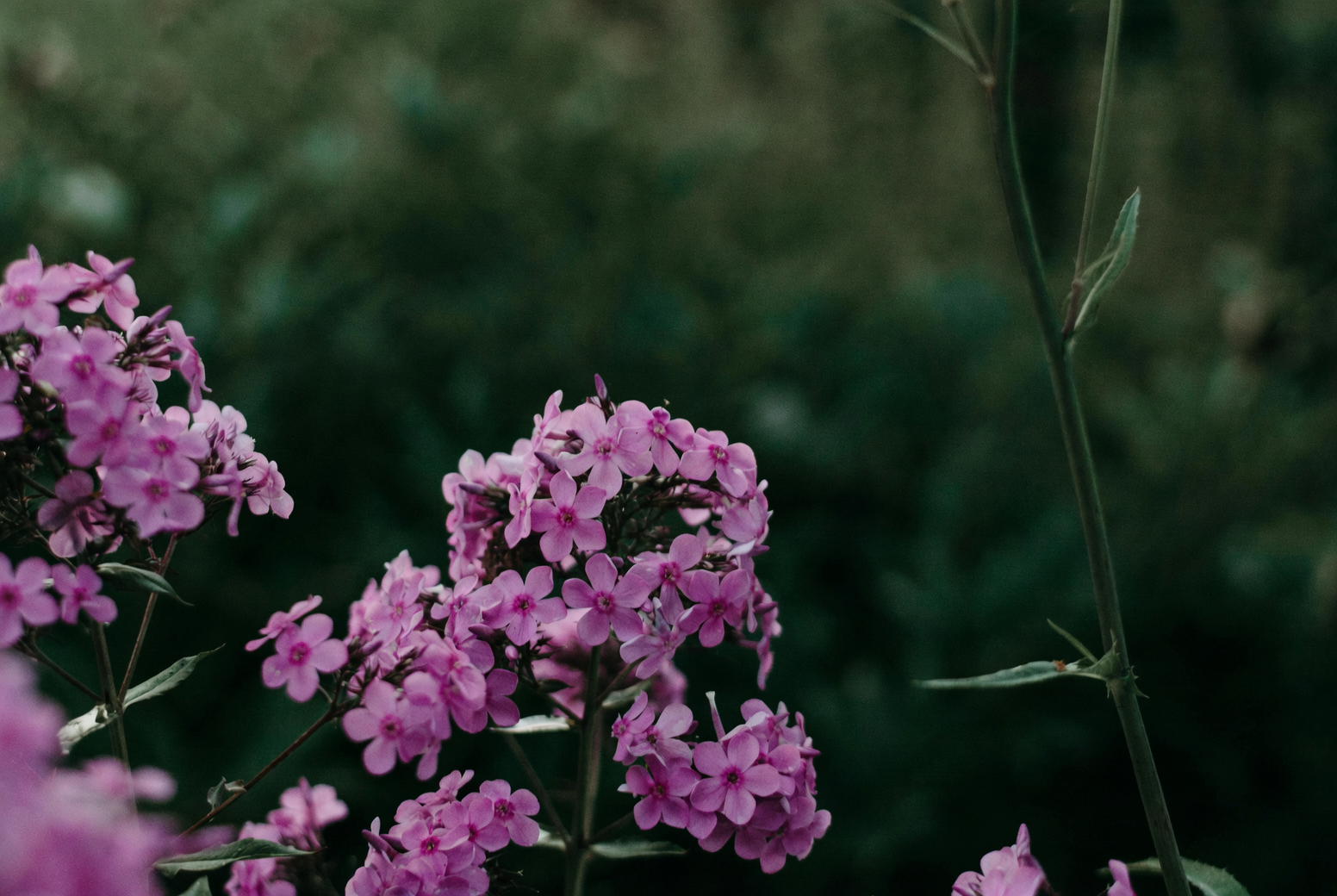
Think of Annual Phlox (Phlox drummondii) as your garden’s confetti cannon—spraying clusters of five-pointed stars in candy shades from spring into summer. When powdery mildew tries to crash the party, you don’t need a lecture; you need a fast-playbook. Here’s the step‑by‑step, do‑this‑now guide that halts mildew with airflow, base‑watering, clean‑up, and sulfur-based sprays on a reliable 7–10 day rhythm—plus quick wins for aphids and spider mites that rely on soap and stress‑free care.
Diagnose in 60 seconds: is it powdery mildew?
- Looks like: a grayish-white, floury coating on leaves and stems—often starting low and moving up.
- Simple test: gently wipe with a finger; true mildew smudges but doesn’t wash away like dust.
- Left alone: leaves yellow, brown, and drop; plants look tired and bloom less—but you can turn it around fast.
The 4-part mildew shutdown (start today)
1) Max out airflow
- Space plants so air can move: aim for 45–60 cm (18–24 in) between plants.
- Thin or pinch: cut back lanky stems by about one-third to one-half in early summer to open the canopy and spark new flower clusters.
- Create breathing room: move containers so they’re not shoulder-to-shoulder; trim dense neighbors that block breezes.
Why it works: mildew thrives in crowded, still air. Think of spacing as your “invisible fungicide.”
2) Switch to base‑watering
- Goal: about 2.5 cm (1 in) of water per week, including rain.
- Method: water at the soil line—drip hose, watering wand, or a slow pour at the base. Avoid wet leaves, especially late in the day.
- Timing: mornings are best so any incidental splashes dry quickly.
Why it works: dry leaves, happy phlox. Wet foliage = a friendlier world for mildew.
3) Clean up, don’t compost
- Remove the worst of the infected leaves and any leaf litter under plants. Bag and trash them—don’t compost.
- Keep it going: tidy through summer; do a final clean-out in fall to reduce leftover spores.
- Sanitize pruners between plants.
Why it works: fewer spores = fewer new infections.
4) Spray smart: sulfur-based fungicide on a 7–10 day schedule
- What to use: a sulfur-based product labeled for ornamental powdery mildew. Start at the first sign of disease.
- How to apply: coat all leaf surfaces (top and underside) and stems. Reapply every 7–10 days while conditions favor disease or until new growth is clean.
- Important cautions:
- Avoid spraying during high heat (check the label’s temperature limits) to prevent leaf burn.
- Don’t combine sulfur with horticultural oils; keep a safe interval if you rotate products (check label guidance).
- Scout for spider mites as the season goes on (see below); if mite numbers rise, adjust timing or rotate to a different labeled fungicide to keep the balance.
Why it works: sulfur is a classic, effective mildew control when coverage and cadence are consistent.

Pro growing conditions that make mildew miserable
- Sun: full sun is best—6–8 hours daily for heavy flowering. In very hot regions, light afternoon shade helps plants keep their cool.
- Temperature sweet spot: 10–30°C (50–86°F). Annual phlox isn’t frost‑hardy and sulks in chilly snaps.
- Humidity: moderate is fine; the key is moving air. Your spacing and thinning do the heavy lifting here.
- Soil: well‑drained, fertile soil enriched with compost; slightly alkaline to neutral (pH roughly 6.0–8.0).
Quick wins for aphids and spider mites
These two love stressed plants. Keep care steady and they’re much easier to beat.
Your soap strategy (simple and effective)
- Use a ready-to-use insecticidal soap or mix per label directions.
- Coverage counts: spray to wet the pests directly, especially leaf undersides and tender new growth.
- Frequency:
- Spider mites: every 3–5 days for about 2 weeks (catching successive hatch-outs).
- Aphids: once weekly until you no longer see clusters or sticky honeydew.
- Tip: treat in the cool of morning; reapply after heavy rain.
Stress-free care that shuts down pests
- Water evenly: don’t let plants yo‑yo between bone‑dry and drenched. Consistent moisture prevents pest explosions.
- Feed wisely: blend compost at planting; use a balanced fertilizer. Go a touch higher in nitrogen early for leafing out, then switch to a bloom-supporting formula higher in phosphorus and potassium once buds form. Avoid heavy late‑season nitrogen that makes soft, pest‑tempting growth.
- Keep dust down around container plants (dusty foliage favors mites). Water soil, not leaves.
- Skip broad-spectrum insecticides; you’ll keep beneficials like lady beetles and predatory mites on your side.
Your week-by-week playbook
- Day 0 (today):
- Thin stems and increase spacing.
- Start base‑watering; stop overhead splashing.
- Remove and discard infected foliage.
- Apply a sulfur-based fungicide with thorough coverage.
- Spot-treat aphids/spider mites with insecticidal soap if present.
- Day 3–5:
- Re‑soap for mites if needed; recheck aphid hot spots.
- Scout: look under leaves for fresh mildew or pests.
- Day 7–10:
- Reapply sulfur-based fungicide. Keep the cadence steady.
- Deadhead and lightly pinch to keep air moving and blooms coming.
- Ongoing:
- Maintain 2.5 cm (1 in) of water weekly at the base.
- Continue soap applications until pests are gone.
- Repeat fungicide every 7–10 days while weather favors mildew, then taper when new growth remains clean.
Prevention blueprint for the whole season
- At planting:
- Choose a sunny site with draining, compost‑enriched soil.
- Space 45–60 cm (18–24 in) to bake in airflow from day one.
- Through summer:
- Water steadily at the base; add a light mulch to stabilize soil moisture (keep it off stems).
- Deadhead often; if plants get leggy, cut back by one‑third to one‑half to re‑compact and improve ventilation.
- Offer a touch of afternoon shade during extreme heat waves.
- Fall:
- Remove and trash all above‑ground debris to reduce next season’s disease pressure.
- Winter:
- Treat Annual Phlox as the seasonal sweetheart it is; plan to re‑sow next spring.
Meet the star you’re saving: Annual Phlox at a glance
- Botanical: Phlox drummondii (Family Polemoniaceae), native to Texas, United States.
- Habit and size: upright, compact clumps on single or branched stems; about 15–60 cm (6–24 in) tall depending on variety.
- Foliage: bright green, slightly soft/hairy leaves; oblong to lance-shaped.
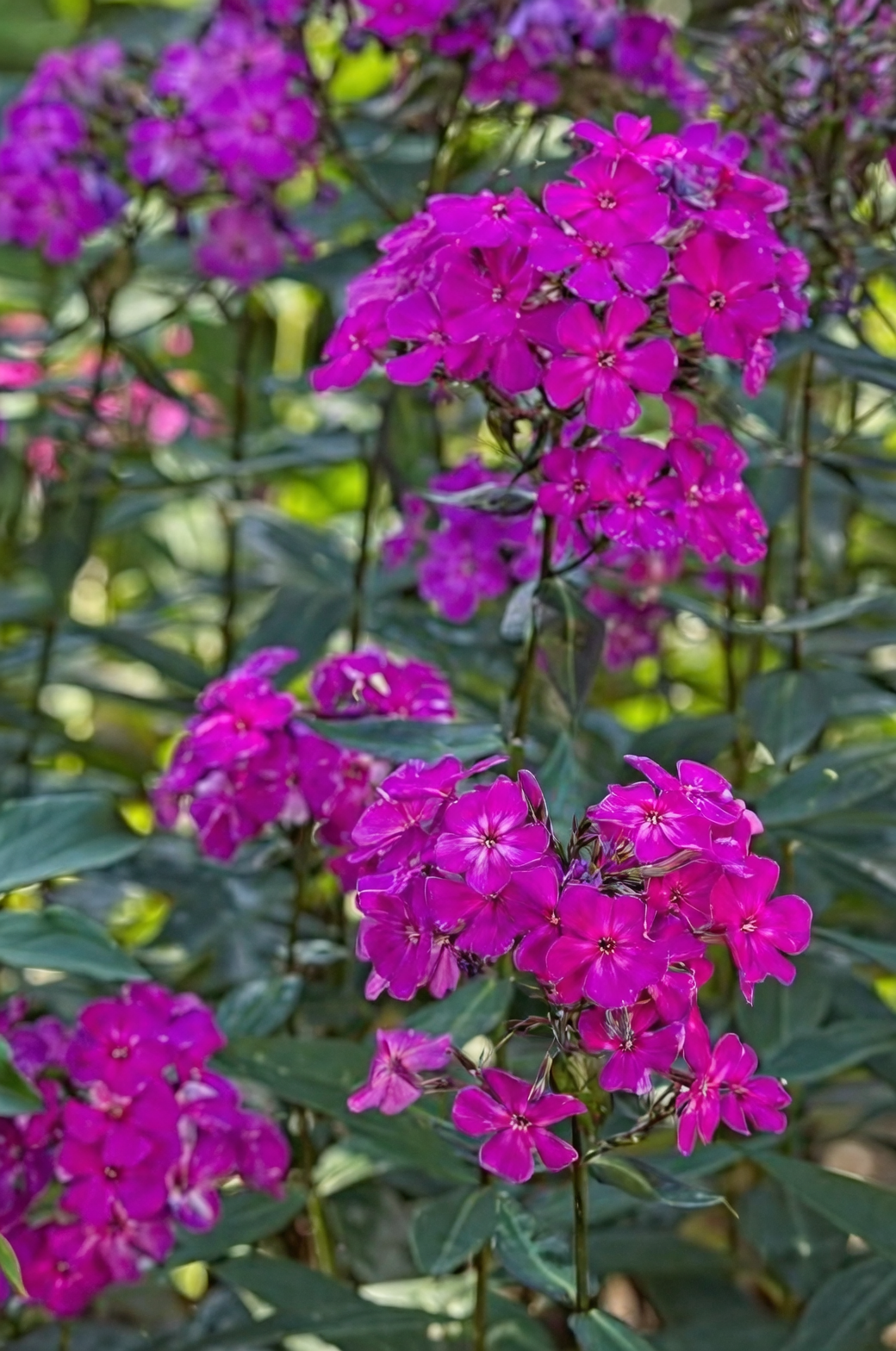
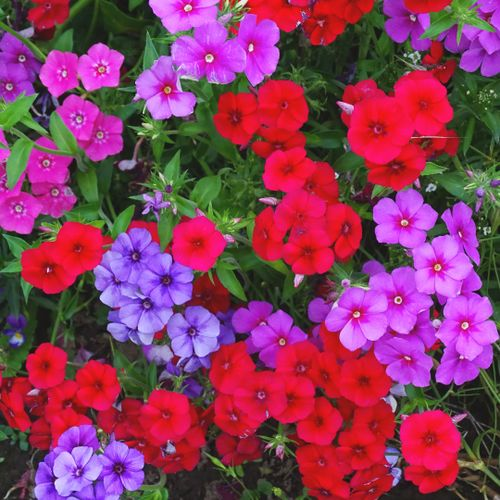
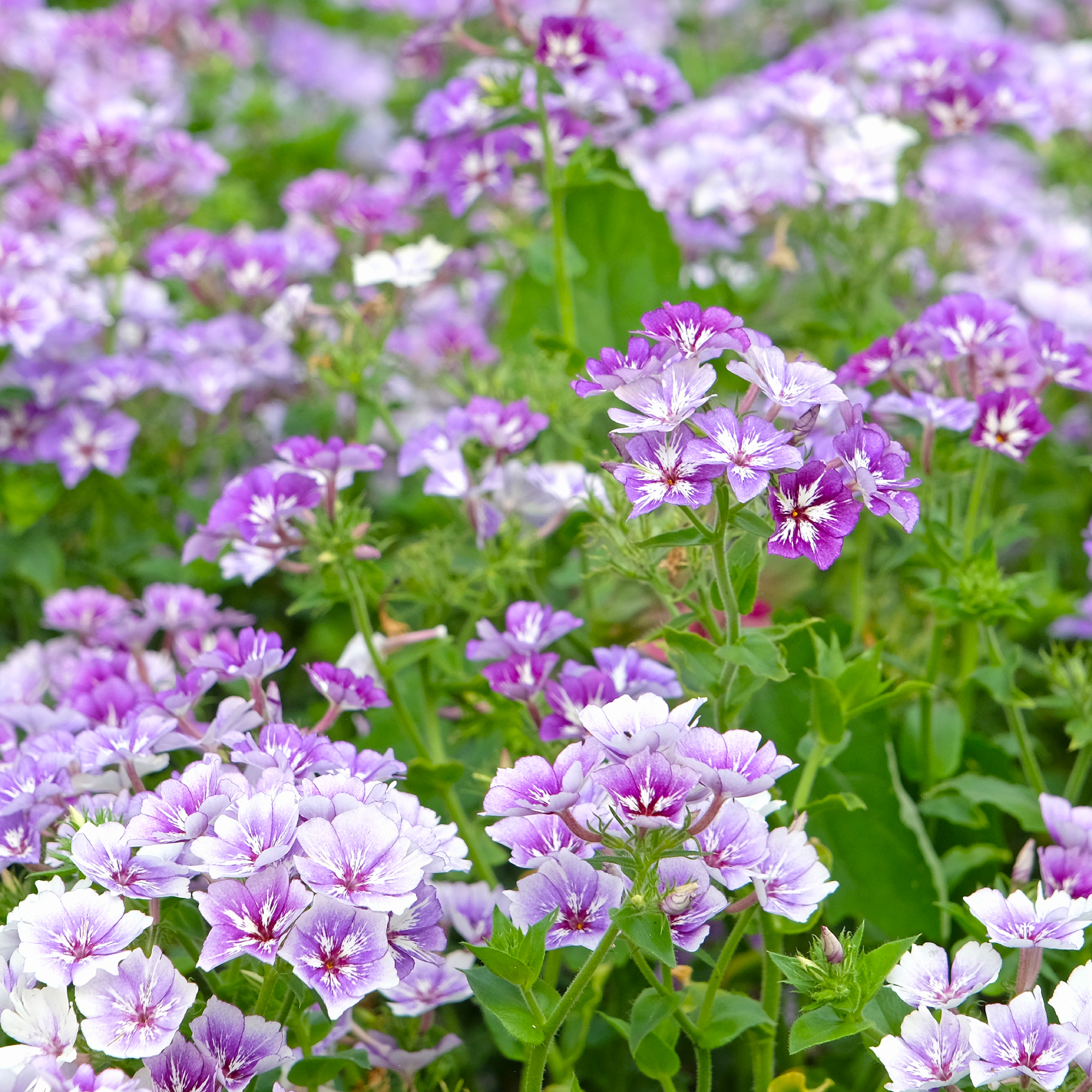
- Flowers: five-petaled, star-shaped blooms in dense clusters from mid‑spring to mid‑summer (longer with deadheading). Colors span white, pink, purple, red, orange, and striking bicolors with a contrasting “eye.”
- Uses: cottage beds, borders, rock gardens, containers, and even as cut flowers. A pollinator magnet for bees, butterflies, and hummingbirds.
Fast FAQ
- Why are my leaves turning yellow?
- Most often: soggy roots or too little light. Let the top of the soil dry slightly between waterings, improve drainage, and aim for 6–8 hours of sun.
- How do I get more flowers for longer?
- Full sun, steady watering, frequent deadheading, and a bloom‑leaning fertilizer once buds form. Avoid heavy nitrogen late in the season.
- Can I really prevent powdery mildew?
- Yes—good spacing and base‑watering are your biggest wins. Remove heavily infected foliage and use a labeled fungicide (sulfur-based products are common) on a 7–10 day schedule when needed.
A quick note on flower language (and what it really means)
Victorian floriography—19th‑century “messages” sent with bouquets—casts phlox as a symbol of harmony and unity: “we think alike,” “our souls are united.” Color lore often layers on meanings—pink for affection, white for purity, purple for wisdom, red for passion. It’s charming folklore, not botany, but it fits Annual Phlox perfectly: a welcoming, many‑colored chorus that softens spaces and spirits alike.
One-page action checklist
- Airflow: thin and space 45–60 cm (18–24 in).
- Water: 2.5 cm (1 in)/week at the base, mornings best.
- Clean-up: remove diseased leaves; trash, don’t compost.
- Fungicide: sulfur-based, thorough coverage every 7–10 days while disease pressure persists.
- Aphids and mites: insecticidal soap with good coverage; repeat (mites every 3–5 days for ~2 weeks; aphids weekly) until gone.
- Care basics: full sun, compost‑rich well‑drained soil, balanced feeding (shift to bloom support at bud stage), steady moisture, frequent deadheading, midsummer pinch-back if leggy.
Follow this playbook and your Phlox drummondii will stay what it was meant to be: easygoing, long‑blooming clouds of color—with mildew, aphids, and spider mites kept squarely in the rearview.