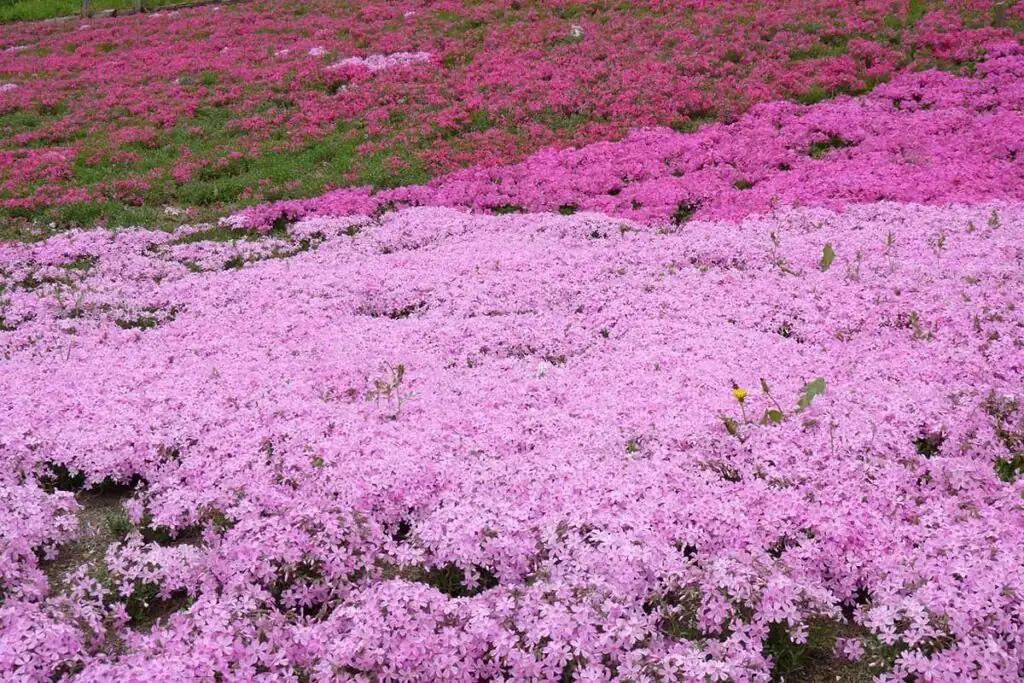
Think of annual phlox (Phlox drummondii) as your garden’s confetti cannon—tiny star-shaped blooms bursting in white, pink, purple, red, orange, and irresistible bicolors. It’s easy, exuberant, and deeply pollinator-friendly. Ready to keep those flowers coming for months? Here’s a lively, foolproof plan for non-stop color.
The Non-Stop Bloom Game Plan (Quick Start)
- Sun: Give 6–8 hours of direct light. In hot-summer regions, offer some gentle afternoon shade.
- Spacing: Plant 18–24 in (45–60 cm) apart for airflow that thwarts powdery mildew.
- Soil: Fertile, well-drained ground enriched with compost; pH roughly 6.0–8.0.
- Water: Aim for 1 inch (2.5 cm) per week from rain/irrigation—keep it even, not soggy.
- Feed: Go leaf-first (a touch more nitrogen early), then bloom-boost (higher P/K) once buds form.
- Deadhead: Remove spent clusters promptly; give leggy plants a light midsummer pinch-back.
- Mildew prevention: Space well, water at the soil line, and keep leaves dry.
- Timing: Start seeds indoors 6–8 weeks before last frost; transplant after frost for a spring-to-summer show.
Sunlight: Set the Stage for Big Color
- Full sun is best: 6–8 hours daily powers heavy flowering.
- In very hot climates: Morning sun plus light afternoon shade keeps plants happy and extends bloom.
- Too little light = fewer flowers and lanky growth, and it can invite mildew.
Watering Rhythm: The 1-Inch-a-Week Sweet Spot
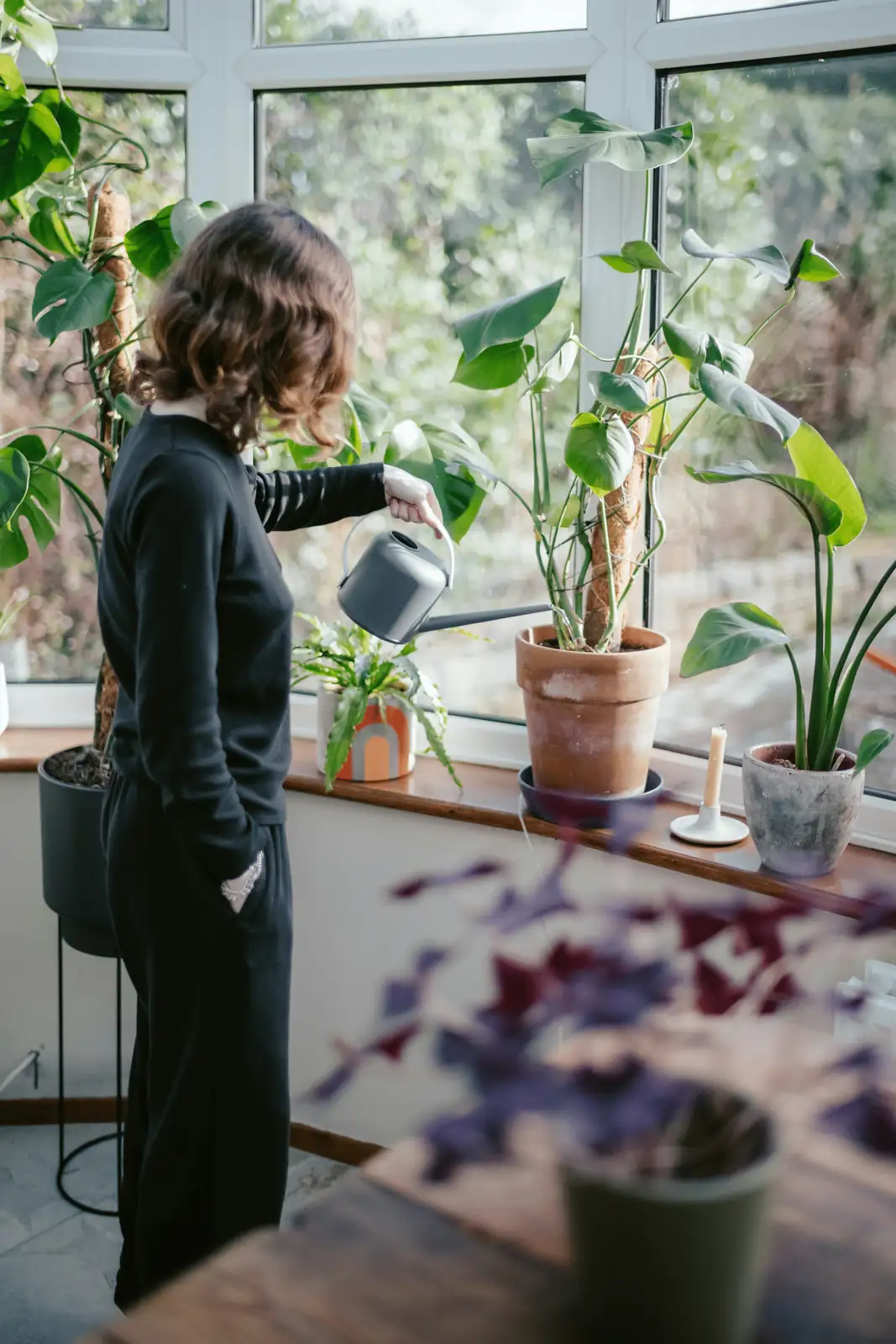
- Target: About 1 inch (2.5 cm) of water weekly during active growth. Use a rain gauge or set a straight-sided can in the bed—when it fills to 1 inch, you’re set.
- Method: Water at the soil line, not overhead, to lower mildew risk. Deep, less frequent sessions beat daily sprinkles.
- Drainage matters: Phlox likes “evenly moist,” not “soggy.” Improve heavy soils with compost.
- Mulch lightly: A thin organic mulch helps retain moisture without smothering stems.
Smart Feeding: Leaf-First, Then Bloom-Boost
- Before planting: Mix in compost for a gentle, steady nutrient base.
- Early growth (leaf-first): Use a balanced fertilizer, leaning slightly higher in nitrogen to build sturdy, leafy frames.
- Once buds appear (bloom-boost): Switch to a formula higher in phosphorus and potassium to maximize flowers.
- Easy rule: Light, regular feedings through the season; avoid heavy nitrogen late, which encourages leaves over blooms.
Deadheading and Pinch-Back Tricks
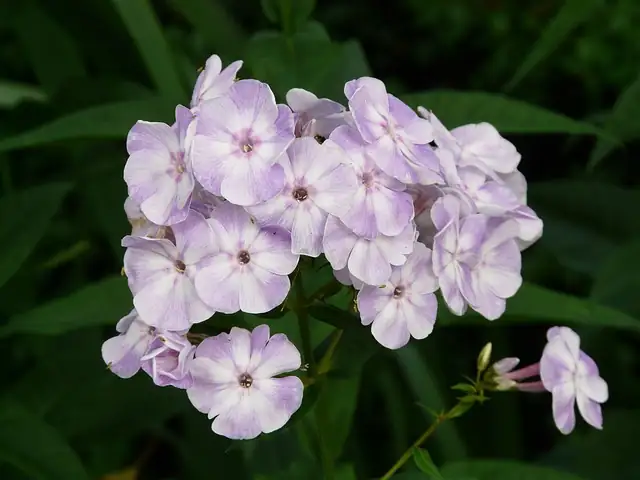
- Deadhead like a pro: Snip spent flower clusters back to a leaf node. This diverts energy right back into new blooms.
- Midseason refresh: If plants get leggy, pinch or cut stems back by about one-third to one-half early summer. You’ll get bushier plants and more flower clusters.
- Keep it clean: Remove any diseased bits promptly and bin them—don’t compost mildew-laden foliage.
Spacing and Airflow: Your Anti-Mildew Insurance
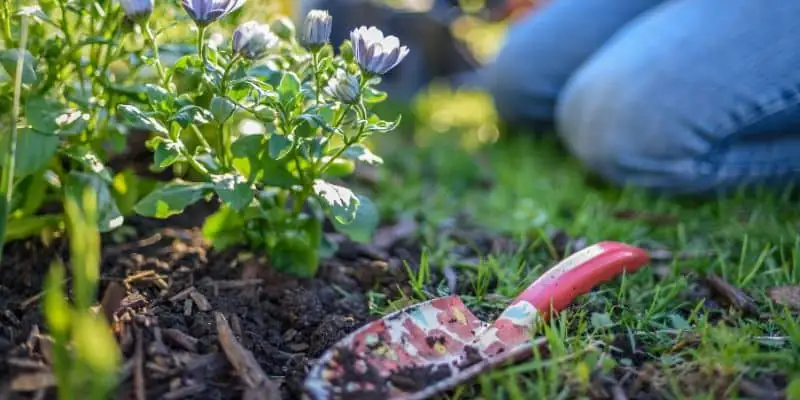
- Space 18–24 in (45–60 cm) apart to keep leaves drying quickly after dew and to let breezes flow.
- Water at the base and avoid wetting leaves, especially late in the day.
- Good spacing + smart watering = far fewer powdery mildew headaches.
Planting and Propagation: From Seed to Show

- Start indoors: Sow seeds 6–8 weeks before the last frost. They prefer light to germinate—sow shallowly and don’t bury deep.
- Germination sweet spot: 59–68°F (15–20°C).
- Transplant timing: Move outside after frost danger passes. Phlox drummondii is not frost-hardy.
- Container tips: Use a fresh, well-draining potting mix and don’t overcrowd. Give full sun and keep to that 1-inch-per-week moisture rhythm adjusted for pot drying.
A Simple Seasonal Calendar to Keep Color Rolling
- Spring
- Start seeds indoors; transplant after the last frost.
- Work in compost; set plants in full sun with that 18–24 in spacing.
- Begin with a balanced, leaf-forward feed. Keep soil evenly moist.
- Summer
- Maintain the 1-inch-per-week watering rhythm; mulch lightly to conserve moisture.
- Deadhead frequently; pinch back if leggy.
- Switch to bloom-boost fertilizer once buds appear.
- In extreme heat, provide light afternoon shade and keep air moving.
- Scout for powdery mildew, aphids, spider mites; act early if needed.
- Fall
- As displays wind down, remove and discard diseased foliage to reduce next year’s pressure.
- If plants are finished, clear the bed and refresh soil with compost.
- Winter
- Treat annual phlox as an annual—plan your seed-start for next spring.
Troubleshooting: Fast Fixes for Common Snags
- Yellowing leaves?
- Most often too-wet soil or too little light. Improve drainage, let the topsoil dry slightly between waterings, and aim for 6–8 hours of sun.
- Powdery mildew showing up?
- Improve spacing and airflow, water at the base, avoid evening leaf-wetting, and remove heavily infected leaves. If needed, use a labeled fungicide (sulfur-based products are commonly used) on a 7–10 day schedule.
- Pests (aphids, spider mites, leaf miners)?
- Wash off with a strong water stream, then follow with insecticidal soap if needed. Avoid drought stress—healthy, evenly watered plants are less appealing to pests.
Quick Stats and Style Ideas
- Height and habit: About 6–24 in (15–60 cm) tall depending on variety; compact, upright clumps with branching stems.
- Foliage: Bright green, softly textured leaves; lower pairs opposite, uppers may alternate.
- Bloom window: Mid-spring to mid-summer (roughly April–July), extended by deadheading.
- Color buffet: White, pink, purple, red, orange, plus many bicolors with a contrasting “eye.”
- Best uses: Beds, borders, cottage and rock gardens, mass plantings, containers, and some taller selections for cutting.
- Pollinators: A magnet for bees, butterflies, and even hummingbirds.
A Note on Meaning and Name
- Name roots: “Phlox” comes from the Ancient Greek for “flame,” a nod to those bright, fiery colors.
- Flower language: In Victorian floriography, phlox symbolized harmony—“we think alike” or “our souls are united.” Colors were often linked to sentiments: pink for affection, white for purity, purple for wisdom/spirituality, red for passion.
- Read it like poetry: Flower meanings aren’t science; they’re cultural stories that add a layer of romance to your plantings. If you’re curating a border for “welcome and sweet dreams,” phlox fits beautifully.
Climate Comforts and Care Essentials
- Temperature: Thrives in warmth, about 50–86°F (10–30°C); sensitive below ~41°F (5°C).
- Humidity: Moderate is fine; airflow is critical to reduce fungal issues.
- Safety note: Not known to be significantly toxic, but it’s ornamental—discourage nibbling by pets and kids.
Wrap-up: Give Phlox drummondii bright sun, airy spacing, steady 1-inch-per-week moisture, a smart fertilizer switch from leaf-first to bloom-boost, and vigilant deadheading. Do that, and you’ll have a rolling cloud of color that looks like celebration made visible.