

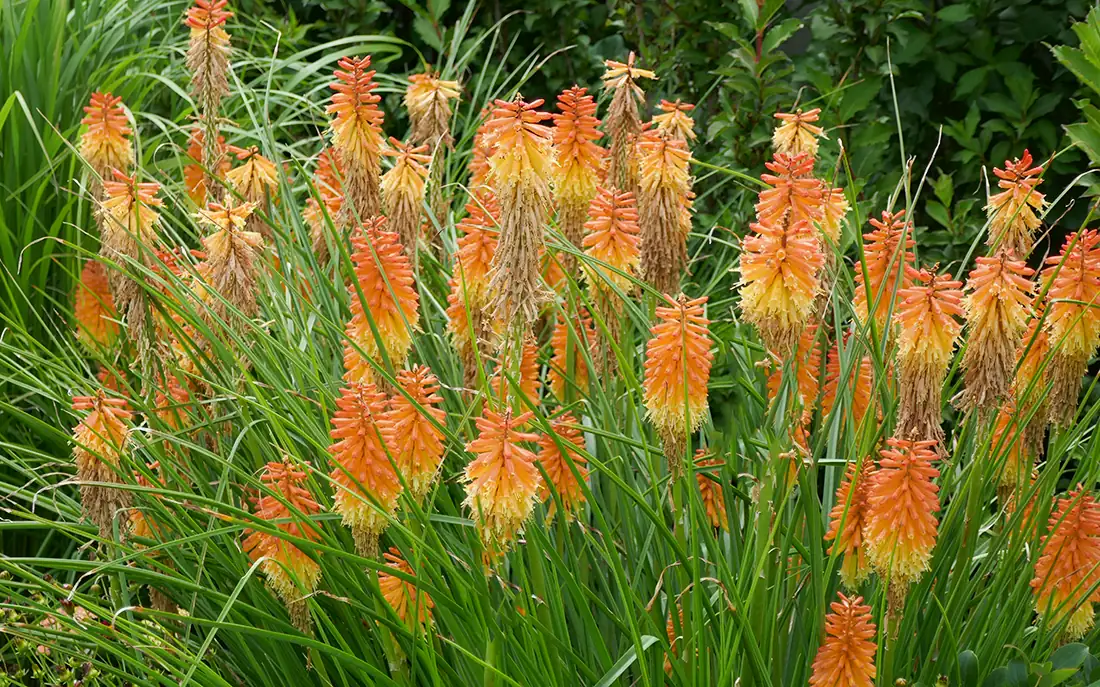
Think of Red Hot Poker as a living campfire: tall torches of red‑to‑gold bloom, a fountain of sword‑leafed foliage, and a heat‑loving temperament that rewards you with months of color. In this hands‑on masterclass, we’ll turn one clump into many with confident division—exact timing, the right tools, precise crown depth, and rock‑solid aftercare—plus how to handle hybrids and when seed makes sense. By the end, you’ll know exactly which method delivers vigor and stays true to type—and how to avoid the few pitfalls that trip up even seasoned gardeners.
Meet the plant (and why division works so well)
- Botanical name: Kniphofia uvaria (aka Red Hot Poker, Torch Lily, Poker Plant; family Asphodelaceae)
- Origin: Eastern and southern Africa; brilliantly adapted to sun and sharp drainage
- Habit: Upright, clump‑forming perennial with robust rhizomes; slowly enlarges
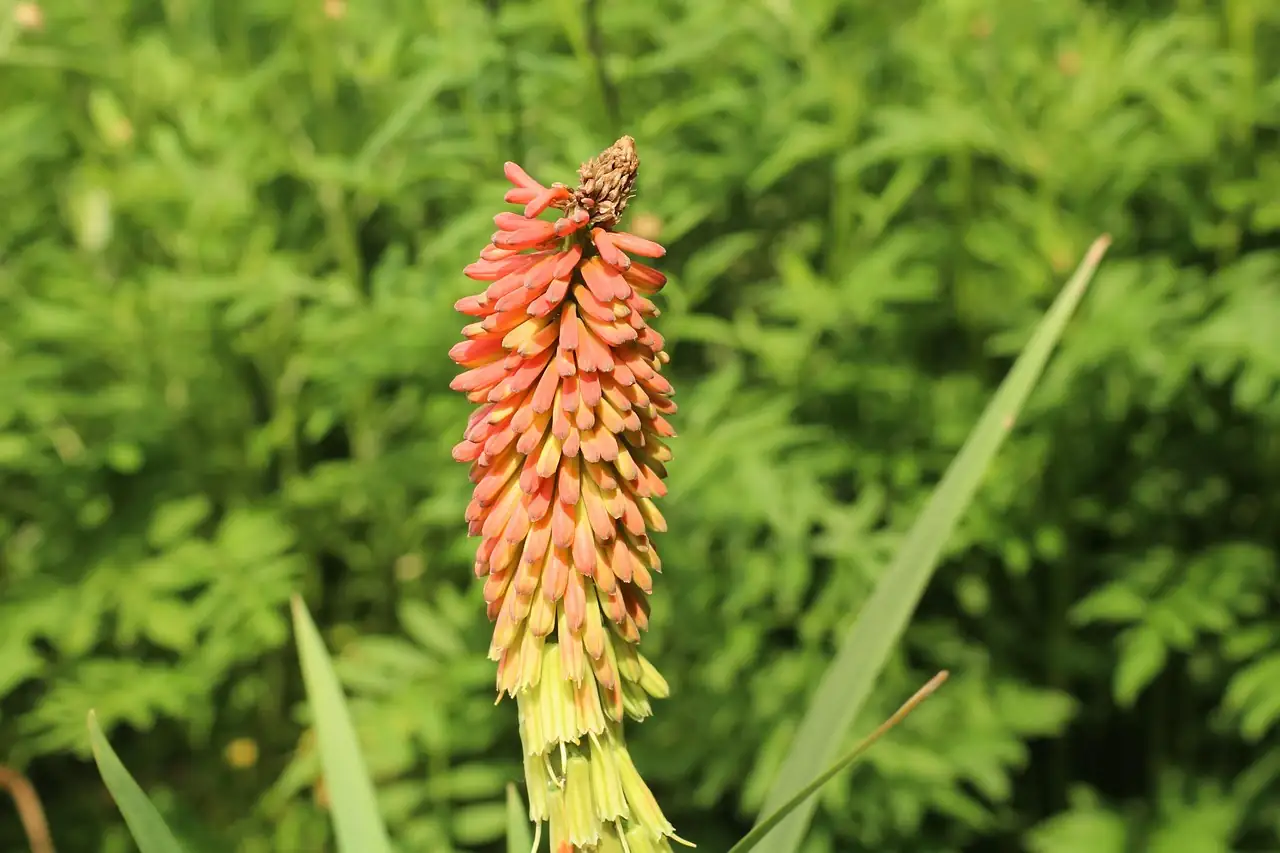
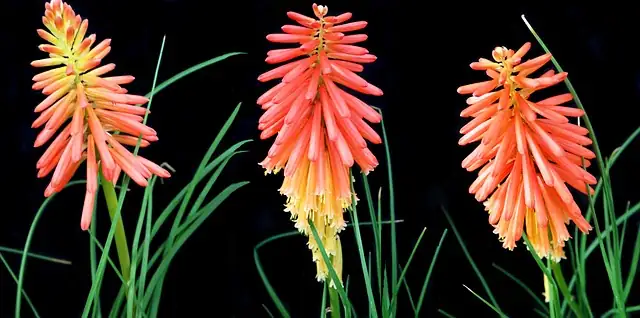
- Looks: Dense, grass‑like fans of narrow leaves; tall spikes packed with 100–300+ tubular flowers that open from the bottom up, often shifting from red/orange to yellow/cream
- Season: Commonly June–October (varies by climate and cultivar); some rebloom with deadheading
- Hardiness: Typically USDA Zones 5–9
- One big rule: Keep the crown well‑drained—consistently wet crowns invite rot
That rhizomatous, multi‑fan habit is tailor‑made for division: each fan with a piece of crown and roots can become a new plant and will remain true to its parent (ideal for named cultivars and most hybrids).
Timing is everything: when to divide
Divide when the plant is neither pushing hard into bloom nor freezing solid. Aim for:
- Early spring: As new growth noses up but before rapid elongation. Best in colder Zones 5–6 so divisions can root well before winter.
- Fall after flowering: Excellent in milder regions; the soil is still warm, and the plant isn’t spending energy on blooms.
Avoid:
- Peak heat or drought
- Active flowering
- Waterlogged or frozen soil
Signs it’s time:
- Fewer or shorter spikes than last year
- Congested “donut” with a thinning or dead center
- Fans flopping away from the core
- Blooming slowing despite good sun and moisture
Tools and prep: set yourself up for success
- Two digging forks (or a fork and a spade) for lifting and teasing clumps apart
- Clean, sharp knife or pruning saw for stubborn, woody centers
- Bypass pruners or shears for foliage tidying
- Disinfectant: 70% isopropyl alcohol or 10% bleach solution for tools
- Tarp or tray to keep roots shaded while you work
- Gritty compost or well‑drained soil ready in planting holes or pots
- Mulch (coarse bark or gravel), labels, and a hose set to a gentle soak
Soil prep:
- Full sun (6–8 hours)
- Excellent drainage is non‑negotiable; amend with compost for structure but avoid creating a soggy mix
- pH around 6.0–7.5
- In heavy soils or wet winters, build a low mound or plant on a slope and consider a gravel collar around the crown
The division step‑by‑step
1) Lift the clump
- Water lightly the day before (easier digging, less stress).
- Insert your fork in a wide circle around the plant and lever up, preserving as many roots as possible.
- Slide the clump onto a tarp and brush off loose soil to expose natural seams between fans.
2) Make the splits
- Identify natural “fans” or offsets. Each viable division needs:
- 1–3 leafy fans
- A firm piece of crown (no mushiness)
- A good handful of roots
- Tease apart by hand or with two forks back‑to‑back. If the center is woody and unproductive, saw it away and discard.
- Sanitize blades between cuts to avoid transmitting rot pathogens.
3) Groom and clean
- Trim ragged roots and reduce foliage by about one‑third; this lowers water loss while roots re‑establish.
- Remove any soft, dark tissue—healthy crowns are firm and pale.
4) Replant at the correct crown depth
- Position the crown shallow—generally no more than about 7.5 cm (3 in) below soil level. In heavier soils, set it even shallower so the neck can breathe.
- Backfill and firm gently to remove air pockets. Do not bury the leaves.
Spacing:
- Most varieties: 45–60 cm (18–24 in) apart
- Larger selections: up to 90 cm (3 ft)
- Aim for good airflow to keep crowns dry
5) Water‑in and label
- Soak thoroughly once to settle the soil.
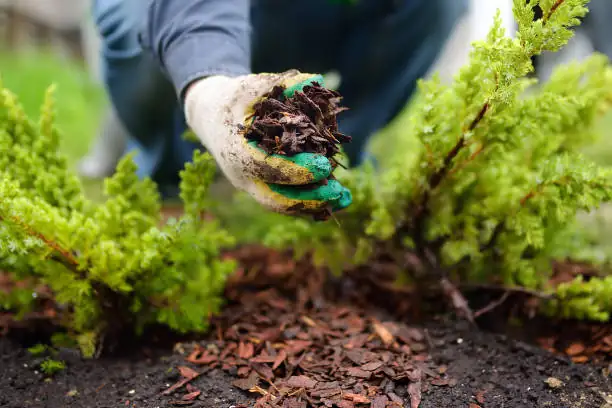
- Mulch lightly, keeping mulch back from the crown by a hand’s width. Gravel mulch around the neck helps shed water.
Aftercare that sticks the landing
Weeks 1–6:
- Moist, not sodden: about 2.5 cm (1 in) of water per week, adjusting for rain and heat
- No heavy feeding; a compost top‑dress is plenty. Avoid high nitrogen.
- Shade cloth in a heatwave can reduce stress for the first week.
Ongoing care:
- Deadhead spent spikes to tidy and (for repeaters) encourage more flowers
- In cold/wet winters: leave foliage standing, loosely tie it into a cone to shed water, and mulch with airy, dry materials around (not over) the crown
- Containers: use a pot at least 22 cm (9 in) wide with excellent drainage; divide/repot every 2–3 years
Watchouts:
- Crown or root rot = too wet. Improve drainage, reduce watering, and remove affected tissue.
- Aphids or thrips on fresh growth: rinse with water or use an appropriate control early.
- Slugs/snails may chew leaves; hand‑pick or use barriers.
Handling hybrids: how to stay true (and when to play)
Many garden poker plants are hybrids or selected cultivars. If you want:
- Identical repeats of a named form (color, height, bloom time): divide.
- A mixed, surprise palette and the fun of selection: grow from seed (expect variability).
Pro tip:
- Always label divisions from named cultivars right away. Mislabeling is the fastest route to a mismatched border.
Division vs. seed: choosing the right path
Division
- True‑to‑type: Yes—clonal copies of the parent
- Speed to flowers: Fast—often the same season or next
- Vigor: High, because you start with a mature crown and roots
- Best for: Keeping cultivars uniform; rejuvenating tired clumps; quick impact
Seed
- True‑to‑type: Not guaranteed, especially with hybrids
- Speed to flowers: Slower—often 2–3 years to first bloom
- Vigor: Seedlings can be robust but variable; great for breeding/experimentation
- Best for: Large, low‑cost plantings where variation is welcome; curious gardeners
Want to try seed? A simple, reliable method
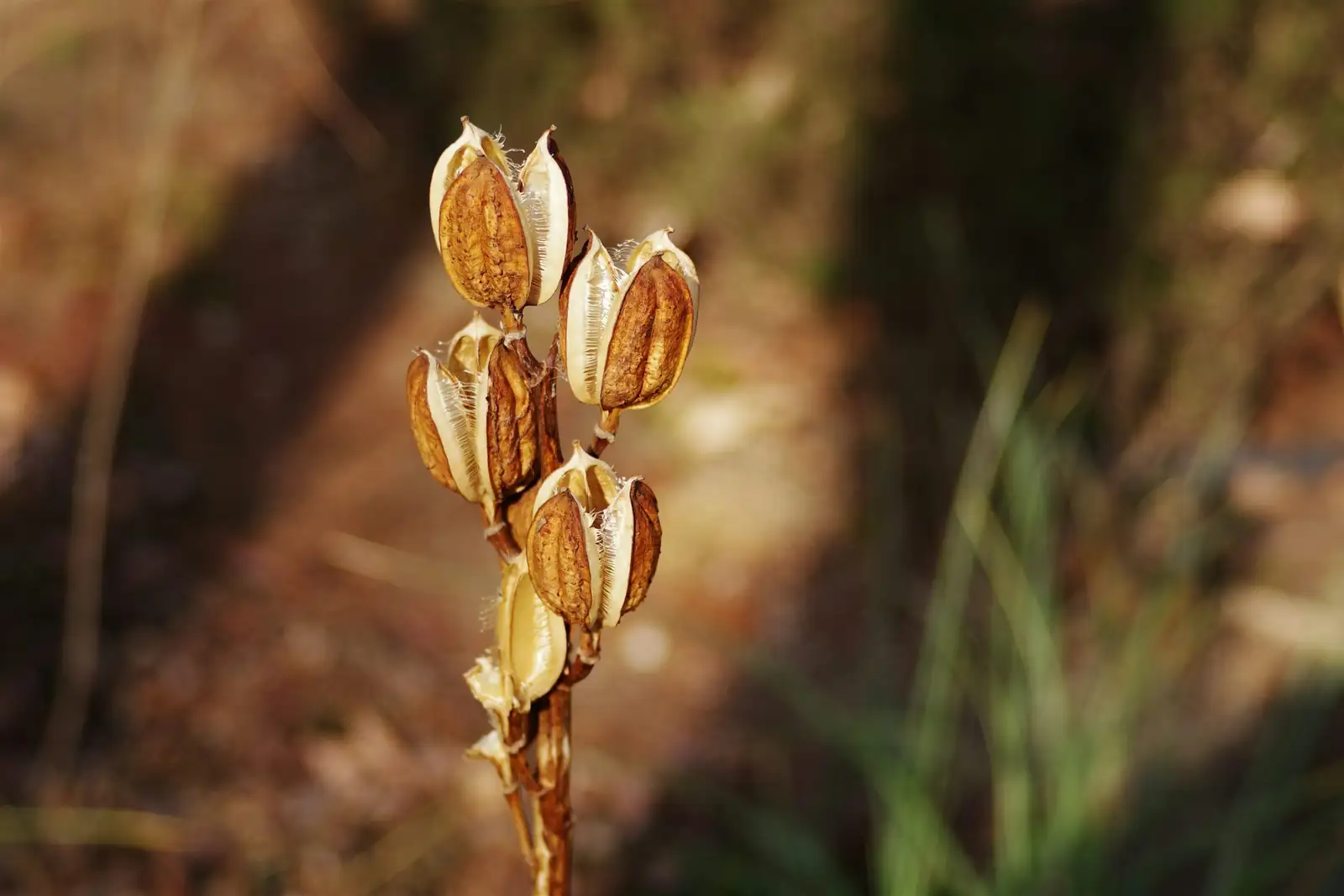
- Harvest: Let pods dry on the plant after flowering; collect and clean the dark seeds.
- Sow: Use a well‑drained seed‑starting mix; cover lightly.
- Temperature and light: Bright light and moderate warmth (around 18–21°C / 65–70°F). Germination commonly in a few weeks.
- Tip: A short cold stratification (2–4 weeks in the fridge) can improve germination consistency for some batches.
- Grow on: Pot up once true leaves appear. Harden off before planting out in full sun and sharp drainage.
- Patience: Expect a couple of seasons before spikes appear—and remember that hybrids won’t necessarily match the parent.
Troubleshooting your clump
- Not blooming? Check sun (aim for 6–8 hours), drainage (avoid sogginess), fertilizer (easy on nitrogen), and congestion (may need division).
- Flopping or split fans? Wind exposure or a crowded center—divide and replant with better spacing.
- Winter losses? In Zones 5–6, divide only in spring, plant crowns shallow on mounds, keep crowns dry with tied foliage and airy mulch.
Cold, wet, and container notes
- Cold zones (5–6): Spring divisions root best; winterize with mulch and tied foliage. Some cultivars handle brief dips to about −20°C (−4°F) when established and protected.
- Wet climates: Elevate crowns, use gravel collars, and avoid routine overhead watering.
- Containers: Gritty mix, fast drainage, and a sunny spot. Water more frequently than in-ground plants but let the top layer dry between drinks.
Design and wildlife wins
- Vertical drama: Use in sunny borders, slopes, cottage plantings, and coastal gardens (they’re notably salt‑tolerant).
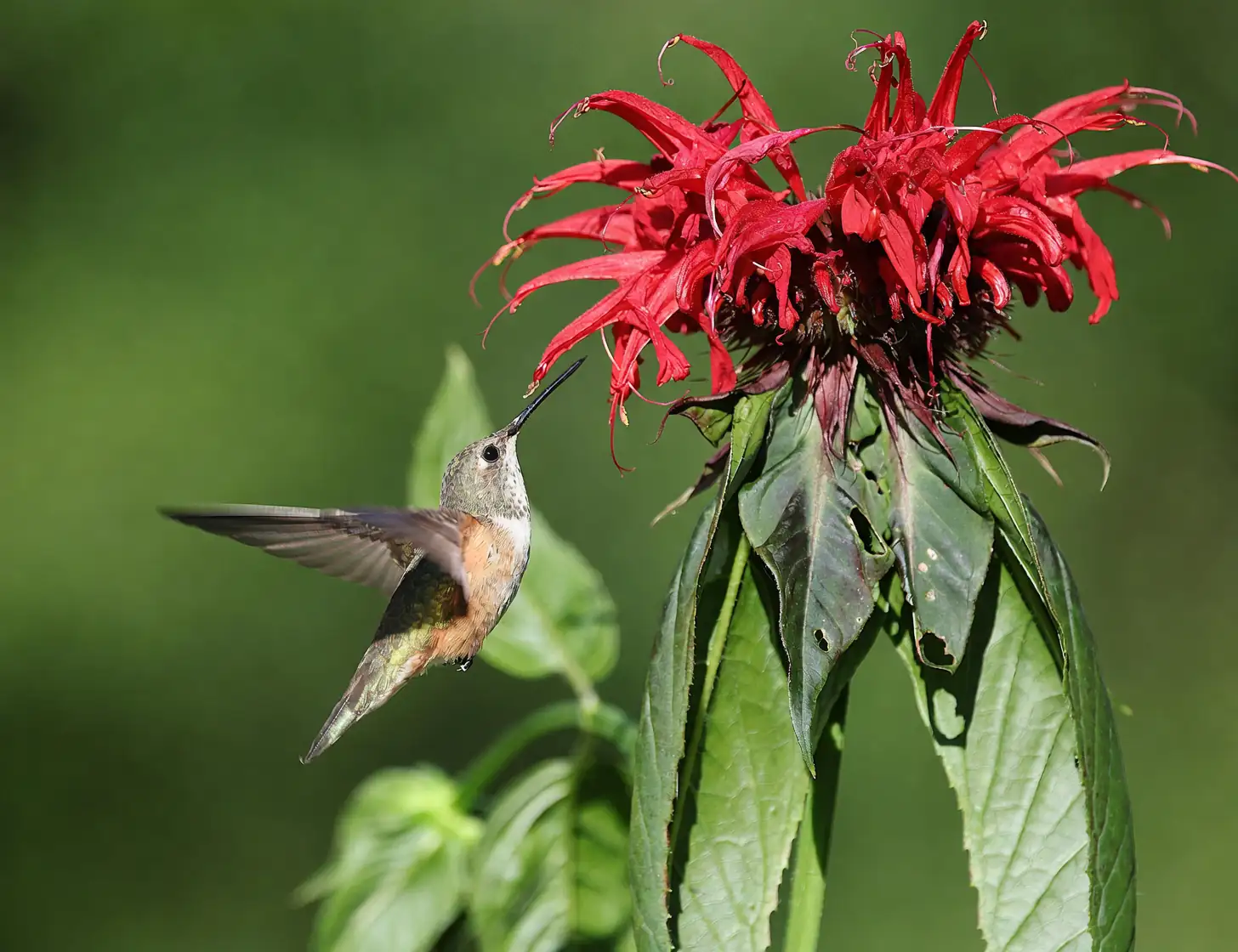
- Pollinators: Nectar‑rich spikes are magnets for hummingbirds, bees, and butterflies.
- Cut flowers: Harvest as the lower third opens; expect 5–7 days in a vase.
A dash of lore
With torches held high, Red Hot Pokers have long symbolized passion, strength, confidence, and the courage to stand out. That fiery palette also carries a folkloric thread of protection—like a garden sentinel keeping gloom at bay. It’s fitting tribute for a South African native that lit up European gardens in the 1800s and still turns heads today.
Your masterclass recap
- Divide in early spring or fall after flowering; spring is safest in cold zones.
- Use clean, sharp tools; keep divisions with firm crowns and roots.
- Replant crowns shallow—generally no deeper than 7.5 cm (3 in)—with perfect drainage.
- Water to establish, keep crowns dry, feed lightly, and deadhead.
- For guaranteed, uniform results (especially with hybrids), choose division. For adventurous variety, sow seed and enjoy the surprises.
Handle these steps with a calm, methodical hand, and your Kniphofia uvaria will reward you with more torches, stronger clumps, and a longer, brighter show from early summer right into fall.


