

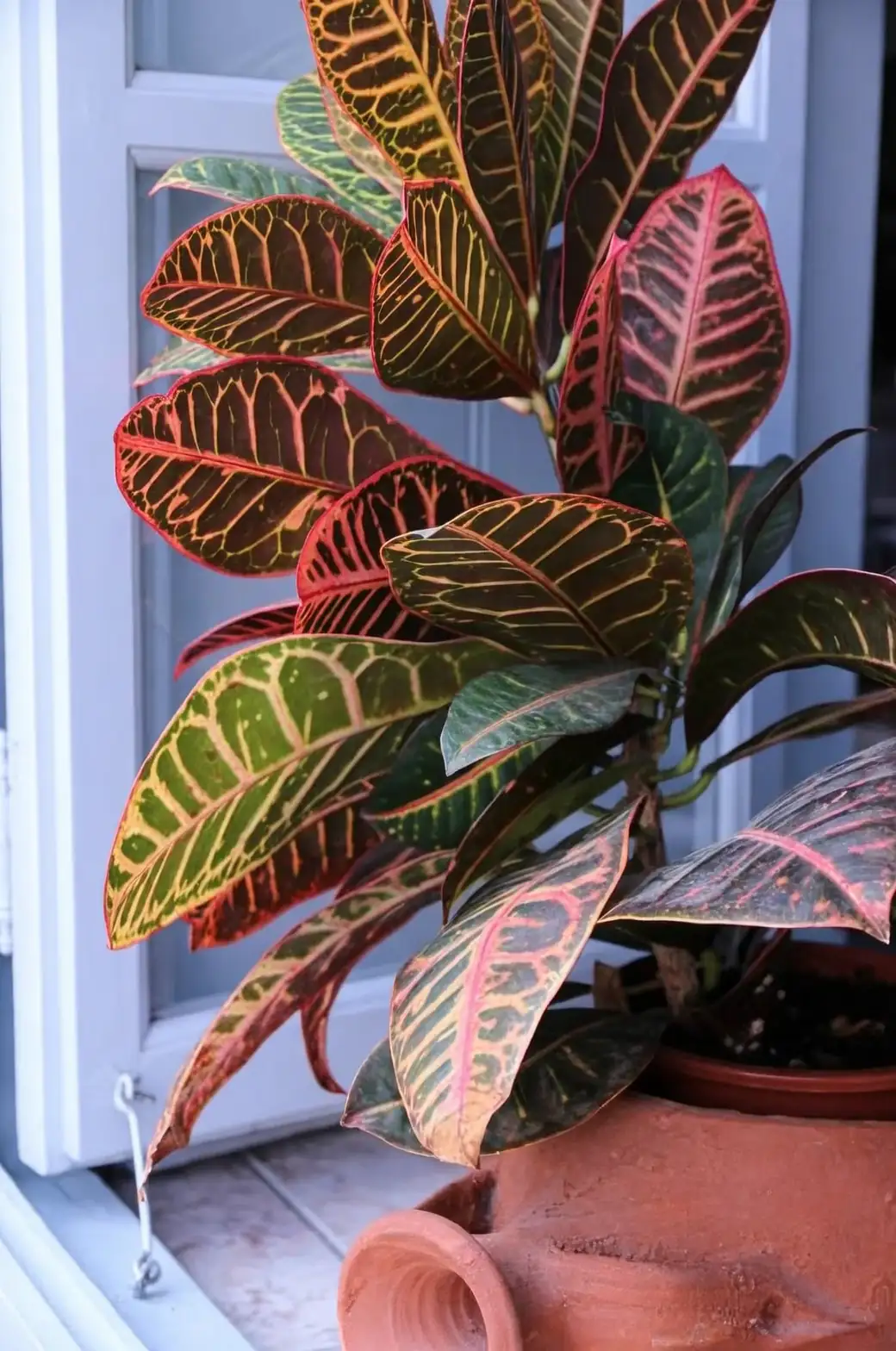
Meet Croton (Codiaeum variegatum), the showstopper with a diva streak: leathery leaves splashed in neon greens, yellows, oranges, reds, and pinks—color that deepens in bright, filtered light. Tame the diva with a steady routine: bright but buffered light, warm and stable temperatures, humidity in the 50–70% zone, and soil kept evenly moist (never soggy). Here’s your crisp, season-by-season playbook to keep those colors loud and proud all year.
The Golden Rules (Memorize These)
- Light: Bright, indirect/filtered light; a little gentle morning or late-afternoon sun is fine. Avoid harsh midday rays.
- Warmth: Keep it steady and warm—ideally 21–27°C (70–80°F); never let it drop below 15°C (59°F).
- Moisture: Evenly moist, never soggy. Don’t let it dry to dust or sit in water.
- Humidity: Target 50–70% (can tolerate up to ~80% if air circulates well).
- Stability: No cold drafts, no sudden moves, no wild swings. Croton hates chaos.
Season-by-Season Care Playbook
Spring: Reset and Power Up
- Light: Move to a brighter, filtered spot if winter dimmed it. East windows are prime; south/west need a sheer curtain.
- Water: As days lengthen, water when the top 0.5–1 inch (1–2.5 cm) dries. Use lukewarm water; drain fully.
- Feeding: Resume fertilizer. Either:
- Every 2 weeks at label rate, or
- Every 4–6 weeks at half-strength.
- Prune: Early spring is perfect. Trim up to one-third, cutting just above a node to encourage bushiness. Wear gloves—the sap can irritate.
- Repot: If roots circle or poke from drainage holes, step up one pot size (1–2 inches wider). Use a well-draining, fertile mix.
- Humidity: Start nudging toward 50–70% again if your home dried out over winter.
Summer: Peak Growth and Color
- Light: Bright filtered light all day; protect from harsh midday sun which can scorch and dull leaves.
- Water: Growth is thirsty—keep the mix evenly moist. Expect more frequent watering as heat picks up.
- Humidity: Hold 50–70%; group plants, use a pebble tray (pot above the waterline), or run a humidifier.
- Feeding: Continue your chosen schedule through late summer.
- Airflow: Warm + humid = watch for mites. Rinse foliage occasionally and keep gentle airflow.
Fall: Ease Off, Stay Warm
- Light: As days shorten, slide closer to the window or add a grow light to prevent fading back to green.
- Water: Start spacing intervals—still water thoroughly, but let that top 0.5–1 inch dry first.
- Feeding: Taper fertilizer; stop by late fall.
- Stability: Keep away from opening doors, AC drafts, or heaters. Sudden chills trigger leaf drop.
Winter: Color on Cruise Control
- Light: Maximize brightness—brightest window with a sheer curtain, or supplement with a grow light.
- Water: Slow and careful. Water when the surface dries and the pot feels lighter—often about every 10–14 days, but always check the soil, not the calendar.
- Warmth: Maintain above 15°C (59°F), ideally 21–24°C (70–75°F). No cold windowsills.
- Humidity: Aim for 50–70% (bathrooms and kitchens often shine here). Mist only if it never leaves spots and you have good airflow.
Placement Tricks to Keep Variegation Vivid
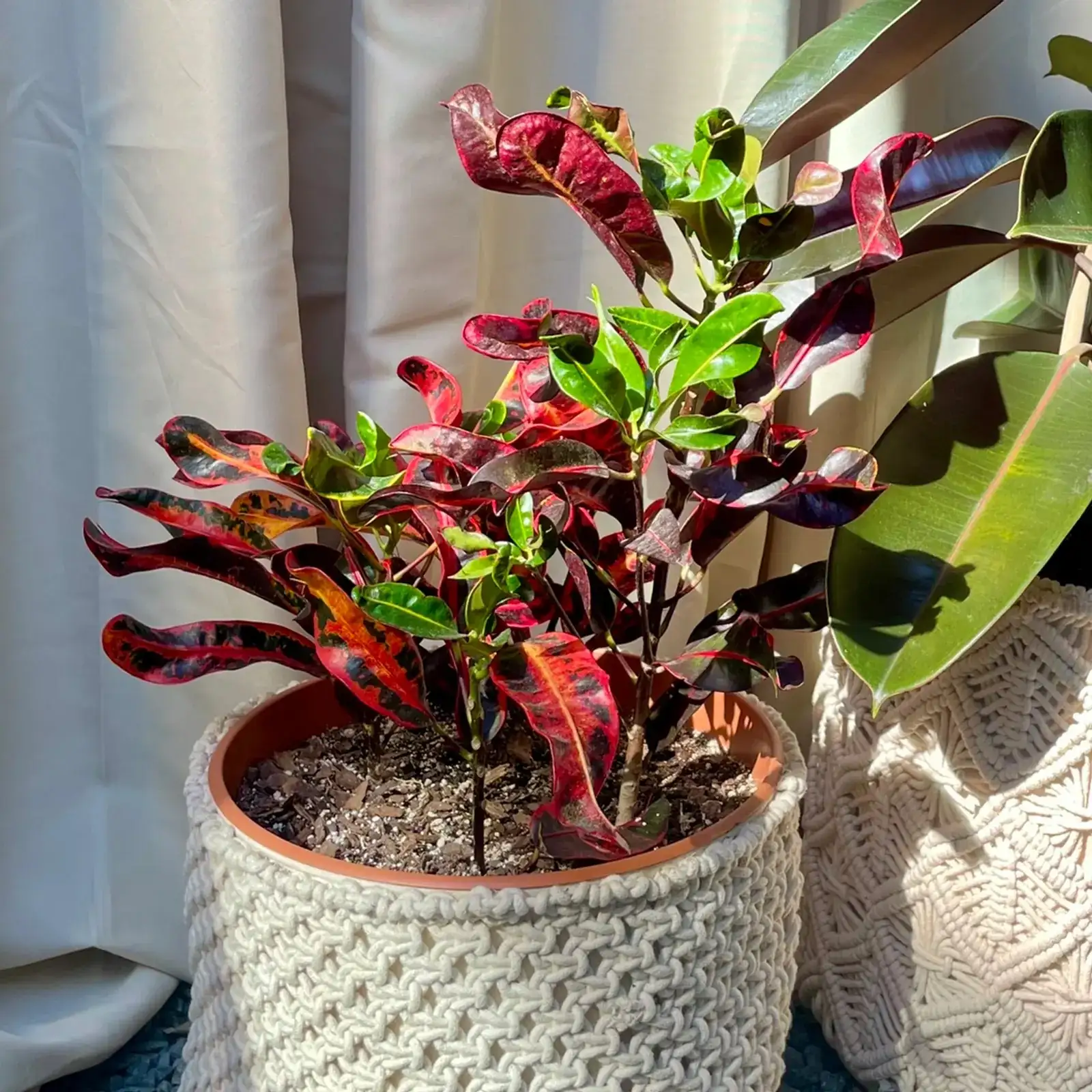
- Window strategy:
- East: Ideal—bright, gentle morning sun.
- South/West: Set back a bit or use sheers to filter midday rays.
- North: Often too dim without a grow light.
- Distance: Close enough for brightness but not in burning range. A sheer curtain turns a hot beam into perfect filtered light.
- Rotate: Quarter-turn every week for even color and shape.
- Polish for power: Dust blocks light. Wipe leaves gently with a damp cloth.
- Bright bathrooms: Warm + humid + bright = chef’s kiss for croton color.
- Grow lights: Full-spectrum LEDs help in winter or dim rooms. Keep intensity bright but indirect.
Your Watering Rhythm (Evenly Moist, Never Soggy)
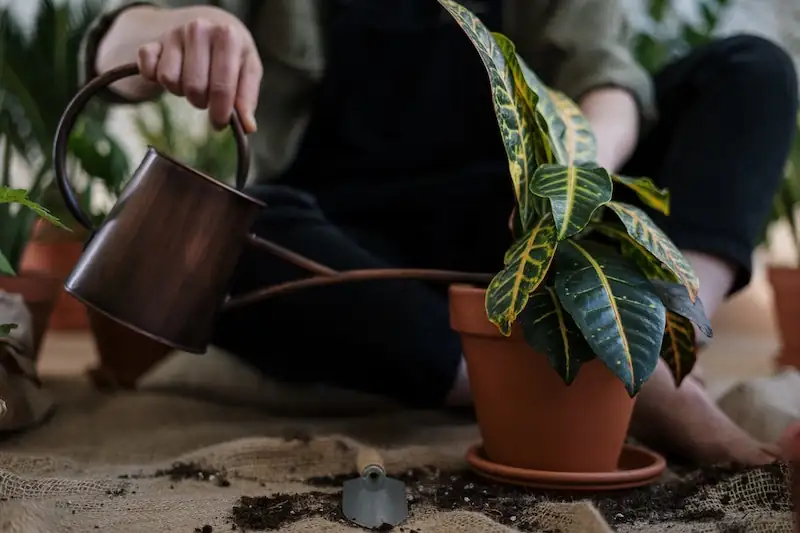
- Soil test: Water when the top 0.5–1 inch dries in spring–fall. In winter, wait until the surface is dry and the pot feels lighter.
- Thorough, then drain: Saturate until water exits the drainage holes; never leave it sitting in a saucer.
- Temperature matters: Use lukewarm water; cold shocks roots and can prompt leaf drop.
- Don’t swing extreme: Avoid long, bone-dry stretches and waterlogged soil—both cause leaves to drop.
The Right Soil, Pot, and Repot Timing
- Mix recipe: A fertile, well-draining potting mix with added bark and perlite for aeration (slightly acidic to neutral is ideal).
- Pot size: Step up just 1–2 inches to avoid soggy excess.
- Repot cadence: Spring is best. Young plants—yearly; mature plants—every 2–3 years or when root-bound.
Feeding for Foliage Fireworks
- Season: Feed spring through fall only.
- Formula: A balanced liquid fertilizer. Choose one schedule:
- Every 2 weeks at label rate, or
- Every 4–6 weeks at half-strength.
- Tip: Slightly acidifying “foliage plant” formulas can play nicely with croton’s preferences.
- Pause in winter.
Pruning and Propagation
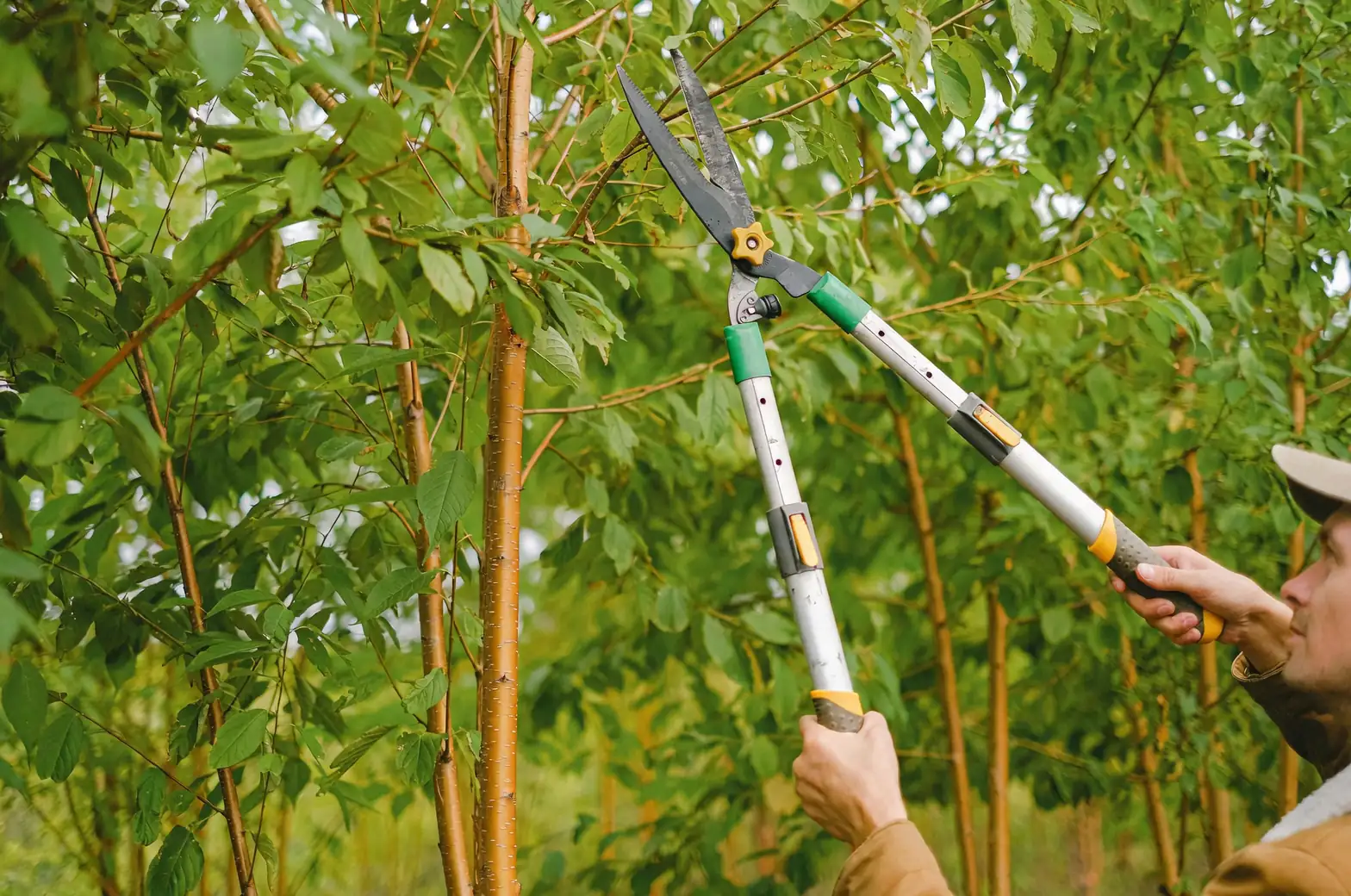
- Prune in early spring: Keep up to one-third, cut above leaf nodes; remove tired or spotted foliage promptly. Wear gloves—sap can irritate.
- Propagation:
- Stem cuttings: 4–6 inches long, let the cut end dry briefly, dip in rooting hormone (optional), and root in a light, well-drained medium at 21–27°C (70–80°F). Bottom heat speeds things up.
- Air layering: Reliable for thicker, woody stems.
- Seeds: Rare and won’t come true to cultivar.
Humidity: Hit 50–70% (Your Mite Insurance Policy)
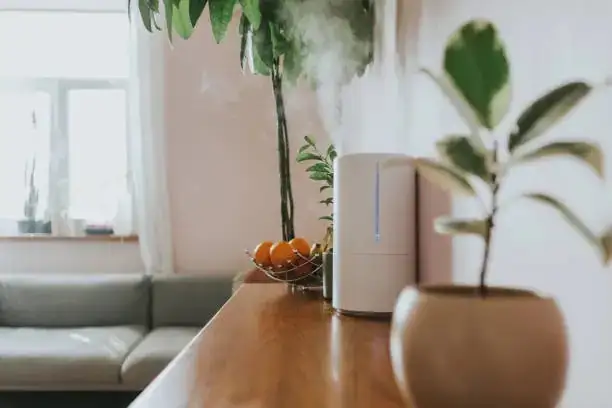
- Best tools: Humidifier, pebble tray (pot above the water), and grouping plants.
- Misting: Optional—skip if it causes leaf spotting. Always pair with decent airflow.
- Top-ups: Bathrooms and kitchens often meet humidity targets naturally.
Troubleshooting: Fast Fixes
- Sudden leaf drop?
- Common culprits: Cold drafts, temperatures below 15°C (59°F), dry air, erratic watering, or abrupt moves.
- Fix: Warm, stable spot; tune watering; boost humidity; don’t relocate frequently.
- Leaves turning greener (color fading)?
- Cause: Not enough light.
- Fix: Brighter filtered light or add a grow light. Color deepens over weeks with improved light.
- Crispy edges or wilting?
- Cause: Too dry, too hot, or low humidity.
- Fix: Water thoroughly, raise humidity, move out of hot direct sun.
- Oily specks, sticky patches, or webbing?
- Pests: Spider mites (thriving in dry air), scale, mealybugs, thrips.
- Fix: Increase humidity, rinse foliage, then treat early with insecticidal soap or horticultural oil. Repeat as directed.
- Tan/brown leaf spots?
- Could be fungal (e.g., anthracnose).
- Fix: Remove affected leaves, improve airflow; consider a copper-based fungicide if severe.
- Weird swollen growths at the base?
- Rare bacterial issues (e.g., crown gall). Best to discard to protect other plants.
Safety Note
- Toxic if ingested (humans and pets). The milky sap can irritate skin and eyes. Wear gloves when pruning and keep out of reach of children, cats, and dogs.
Buying Smart
- Choose plants with vivid, glossy leaves carried low on the stems (not bare and leggy).
- Avoid: Dropped leaves in the pot, limp growth, dark spotting, or visible pests (scale bumps, webby mites, cottony mealybugs).
Indoors vs. Outdoors
- Outdoors only in frost-free climates (USDA Zones 11–12). Elsewhere, enjoy it as a container plant and bring it indoors well before nights dip toward 10°C (50°F).
Symbolism (Flower Language—and Why It Fits)
Croton’s “flower language” is really foliage language: transformation, creativity, passion, and abundance. The plant’s colors shift as leaves mature and light improves, so it’s long been gifted to mark new chapters—moves, graduations, fresh starts. While not rooted in ancient floral codes, the modern symbolism rings true for a plant that visibly evolves with care.
Quick Reference
- Light: Bright, filtered; gentle sun okay; avoid harsh midday.
- Temp: 15–29°C (59–85°F); sweet spot 21–27°C (70–80°F).
- Humidity: 50–70% (higher with airflow).
- Water: Evenly moist; spring–fall when top 0.5–1 inch dries; winter less often.
- Soil: Fertile, well-draining mix with bark/perlite.
- Feed: Spring–fall; balanced liquid on a regular, modest schedule.
- Don’t: Drafts, overwatering, bone-dry soil, sudden moves.
Dial in these fundamentals and your Codiaeum variegatum won’t just survive—it will blaze with saturated, high-contrast color, season after season.


