

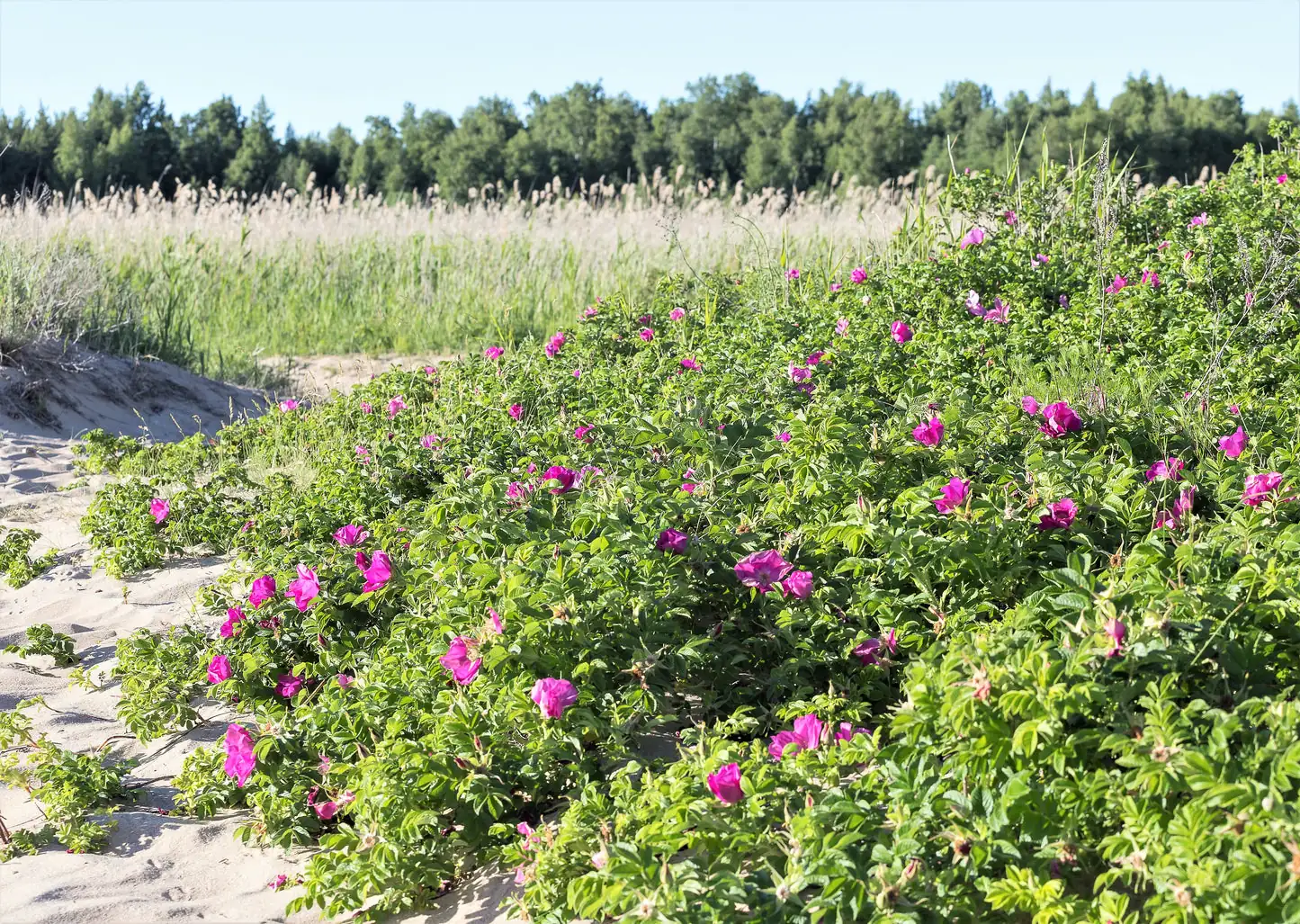
Salt on the breeze. Sun on your shoulders. And along the dunes, bright, wrinkled leaves cradle perfumed blooms that seem to have washed ashore with the tide. Rosa rugosa—the beach rose, Japanese rose, rugosa rose—doesn’t just thrive at the ocean’s edge; it carries a tide-line of meanings across cultures. This is the rose that turns sea-winds into love letters.
From selam to secret tussie-mussies to hanakotoba: how a language of petals was born
Flower language isn’t a single dictionary—it’s a collage of codes that traveled, transformed, and overlapped.
Ottoman selam: messages folded into petals
In 17th–18th century Ottoman courts, people practiced selam, a witty, coded way to pair objects—often flowers—with phrases or puns. These symbolic lists fascinated European visitors, who carried the idea home: that a bouquet could whisper what etiquette forbade to say aloud.
Victorian floriography: the craze that codified the code
By the early 1800s, Europe and North America were swept up in a floral fever. Pocket dictionaries—like Charlotte de la Tour’s Le Langage des Fleurs (1819), Elizabeth Wirt’s Flora’s Dictionary (1829), and Kate Greenaway’s The Language of Flowers (1884)—turned nosegays into encrypted notes. A tussie-mussie of roses, ivy, and acacia could promise devotion, fidelity, or—if you chose the wrong stripe of carnation—polite refusal.
Two keys shaped most messages:
- Which flower you chose (species)
- Which color you sent
Roses quickly became the headline writers of this era, with color meanings that are still widely recognized: red for passionate love, pink for grace and admiration, white for purity and reverence, yellow for friendship and joy (with an older side note of jealousy), orange for desire, and purple for enchantment or love at first sight.
East Asian hanakotoba: feeling made succinct
Japan’s hanakotoba assigns concise emotions to blooms—roses included. Its rose color messages largely echo the familiar palette above, with regional nuance and a premium on subtlety, restraint, and seasonality. Crucially, hanakotoba emphasizes intention and context: who gives, to whom, and when.
A gentle warning about “flower language”
- The “language” was never fully standardized; lists differ by book, era, and region.
- Meanings evolved: yellow roses, for instance, shifted from suspicion in some older guides to friendship and cheer in modern Western use.
- Cultural lenses matter. The same rose can murmur tender devotion in one place and send a mixed signal in another.
Meet Rosa rugosa: the tide‑tested rose
If roses are the Queen of Flowers, Rosa rugosa is the seaside sovereign. Native to East Asia and now naturalized along many northern coasts, it’s a stout, salt-loving shrub with deeply wrinkled (rugose) leaves, bristling prickles, and a timeless fragrance.
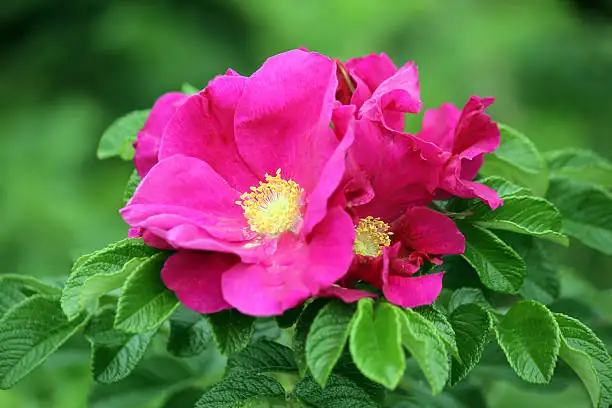
- Habit and size: A dense, upright shrub typically 1–2 m (3–6 ft) tall and wide—ideal for hedges and windbreaks.
- Leaves: Alternate, pinnate, usually 5–9 wrinkled, serrated leaflets—glossy green above, often a bit textured beneath.
- Flowers: Often single to semi-double, about 2–8 cm across, in shades of pink to magenta, white, and sometimes deeper purples in cultivars. The scent is classic and strong.
- Season: Spring to early summer, with many selections repeating through the season.
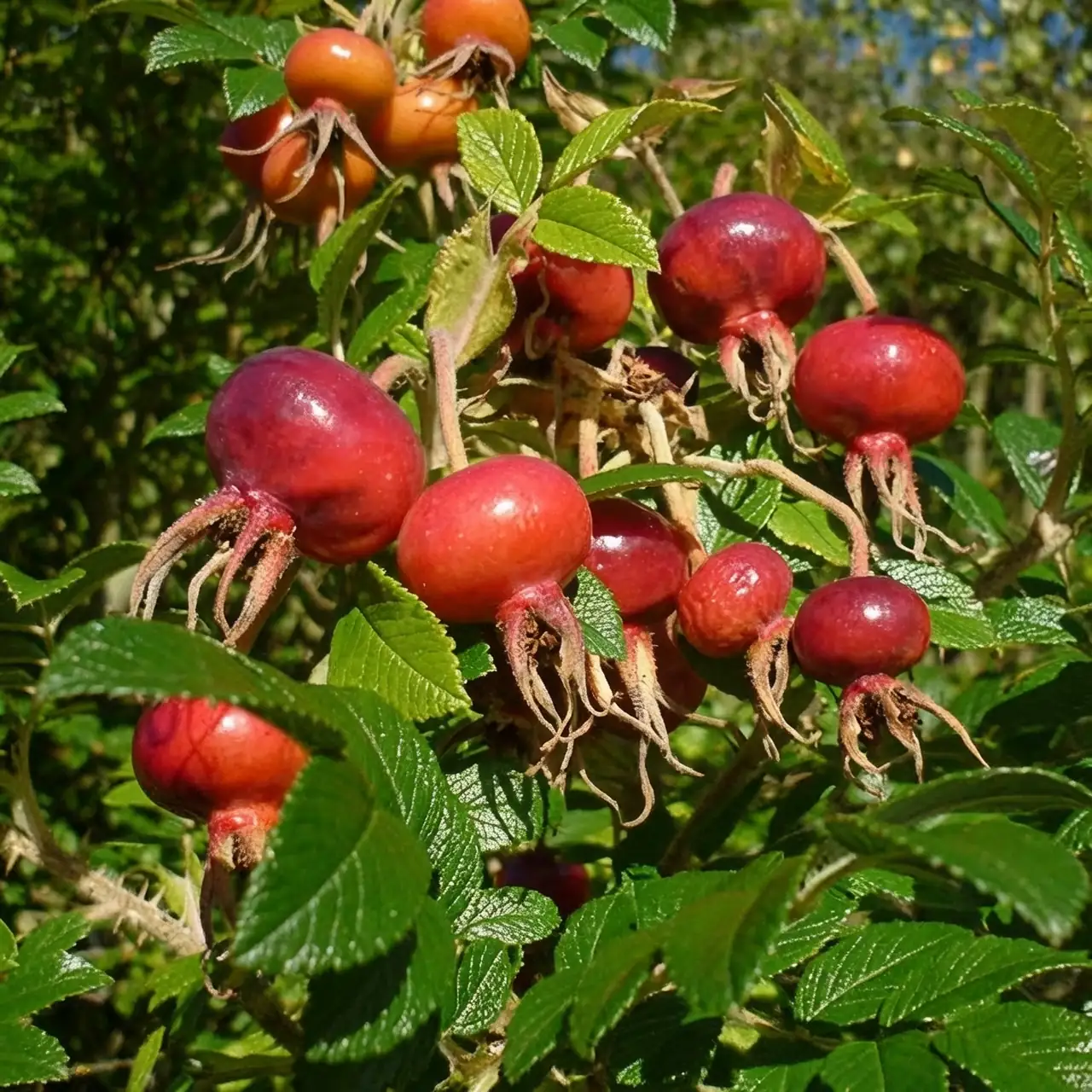
- Hips: Large, tomato-red to orange fruits rich in vitamin C—beloved for teas, syrups, and preserves.
Fun to know: In coastal landscapes, beach roses anchor dunes, soften wind, and make living hedges—practical poetry. In some regions they’re considered invasive; enjoy them responsibly and check local guidelines before planting.
What the beach rose “says”: coastal symbolism and color meanings
Rosa rugosa brings the universal rose lexicon to the shoreline and adds seaworthy subtext.
Coastal symbolism
- Resilience and safe harbor: Thriving in salt spray and sand, rugosa stands for steadfast love and protection—love that weathers storms.
- Thresholds and journeys: Growing where sea meets land, it evokes homecomings, crossings, and life’s changing tides.
- Guardianship: Dense, prickly hedges suggest gentle boundaries—affection with healthy limits.
Color interpretations for Rugosa roses
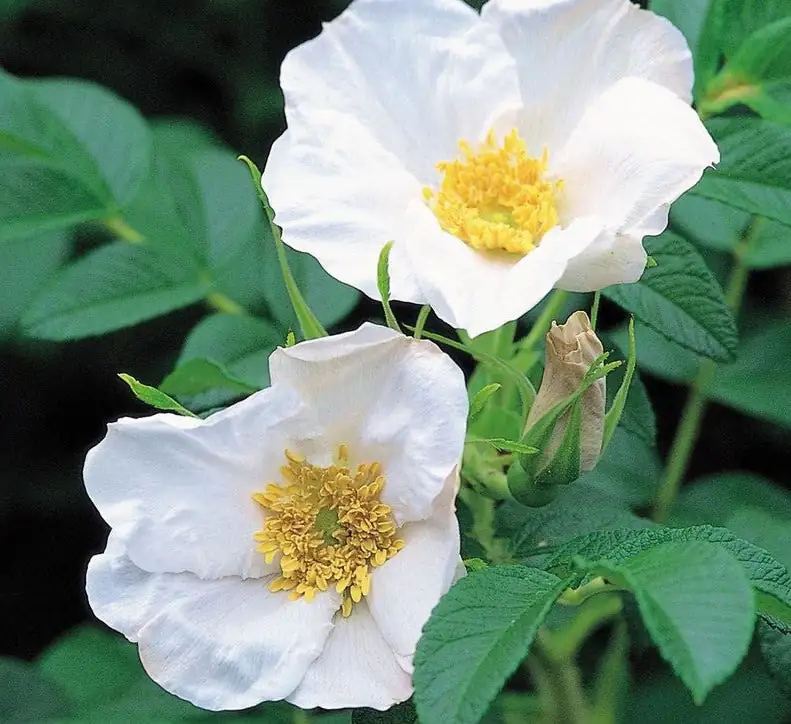
While rugosa species and cultivars most often appear in pinks, magentas, whites, and purples (with some hybrids in yellow/orange tones), their meanings harmonize with wider rose traditions:
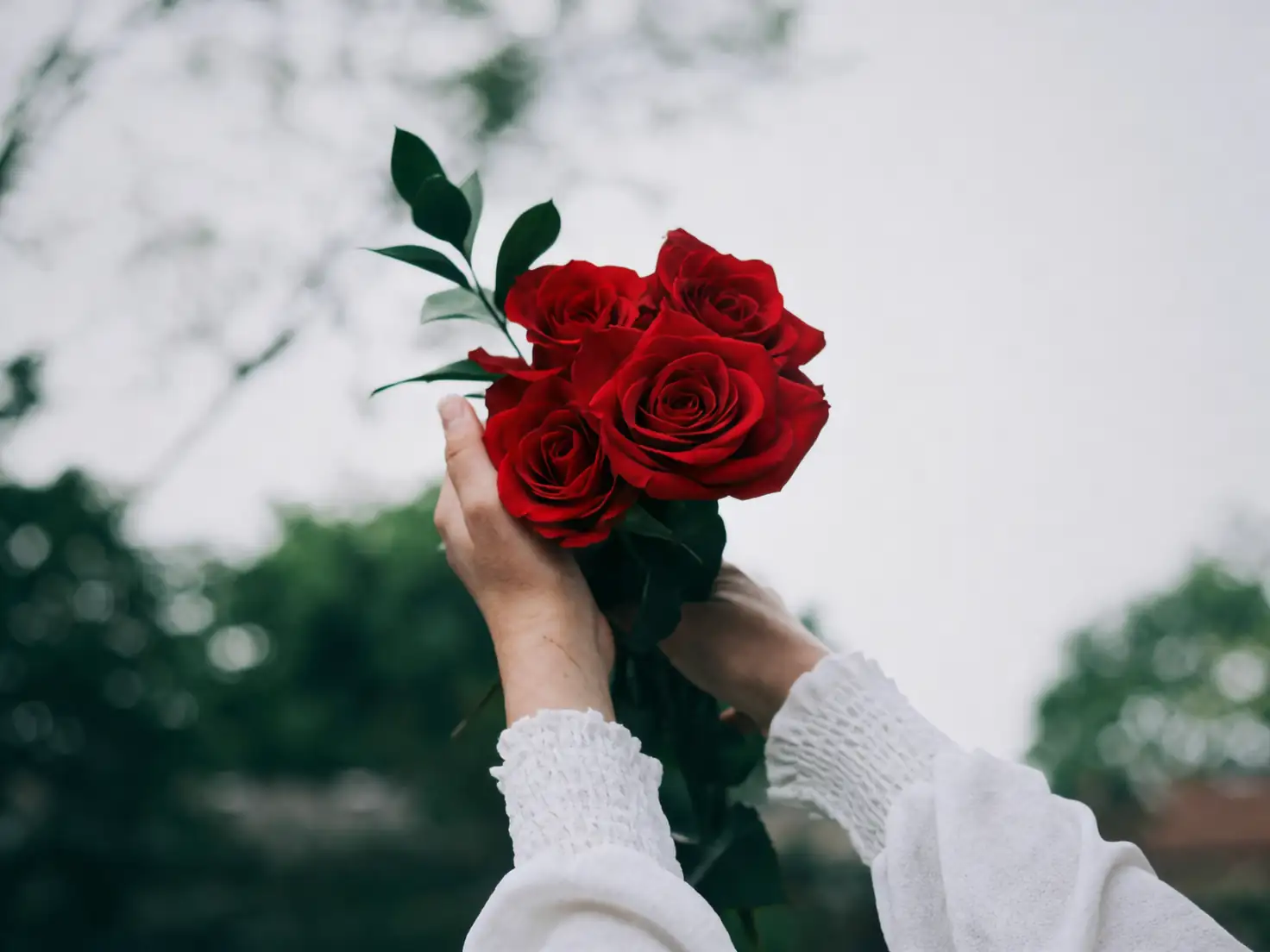
- Red: Passionate, enduring love; commitment that holds fast, like roots in a dune.
- Pink (signature rugosa hue): Grace, admiration, and gratitude—affection that feels effortless, like a calm tide.
- White: Purity, reverence, and remembrance; fitting for sympathy near the sea, or coastal weddings.
- Yellow (select hybrids): Friendship and sunny optimism; a hopeful beacon on gray days.
- Orange (select hybrids): Enthusiasm, warmth, and the spark of desire—think sunrise over water.
- Purple/lavender: Enchantment and “love at first sight,” with a whisper of the mystical horizon.
A meaningful bonus: The vivid orange‑red hips symbolize health, abundance, and continuity—love that nourishes beyond the bloom.
Gift‑giving etiquette: let your beach roses speak with grace
Rosa rugosa’s message is heartfelt; a little etiquette ensures it’s heard clearly.
- Pick the right form
- Cut stems: Rustic, fragrant, and long‑lasting for a shrub rose; mind the prickles.
- Potted shrub: A living gift for coastal gardeners. Include a note about sun and drainage; in regions where rugosa is regulated, opt for cut flowers instead.
- Dried hips or petal tea: For wellness‑themed gifts; attach a card about the hips’ culinary tradition.
- Match color to occasion
- Pink rugosa for thank‑yous, housewarmings, and anniversaries.
- White for weddings and remembrance.
- Red for romantic milestones.
- Yellow/orange for cheerful congratulations and friendship.
- Numbers and presentation
- One bloom: “All my focus is you.”
- Three: “I love you.”
- A dozen: Classic devotion.
- In East Asian contexts, avoid fours in bouquets; multiples of nine are auspicious. When in doubt, choose an odd number for casual gifts.
- Keep the thorns in mind—use a ribbon wrap or foliage collar for comfortable handling.
- Cultural tact
- Meanings vary; if your recipient values tradition, include a charming card decoding your choices.
- Strong fragrance is wonderful, but ask ahead if scent sensitivity is a concern.
Feng shui with Rosa rugosa: channel sea‑breeze qi
Flowers are embodiments of living qi in feng shui; roses bring warmth, joy, and connection. Rugosa adds a coastal current of protection and vitality.
- Where to place
- Southwest (relationships): Pink or white rugosa blooms to nourish love and harmony.
- South (fame/reputation): Red or orange tones to energize recognition and passion.
- West (creativity/children): White to invite clarity and fresh ideas.
- How to use
- Keep arrangements fresh; remove spent blooms promptly to prevent stagnant qi.
- Mind the thorns: position bouquets so prickles don’t “point” at beds, desks, or entries. Outdoors, a rugosa hedge can act as a protective wind screen—an elegant boundary that tempers harsh energy before it enters the home.
- Subtle enhancements
- A bowl of bright rugosa hips by the entry symbolizes health and welcome.
- Rose‑scented water or sachets refresh the space when live flowers aren’t practical.
Care notes for the beach rose (quick and friendly)
- Light: Full sun is best—aim for 6+ hours daily.
- Soil: Prefers well‑drained loam in the garden, but is famously tolerant of sandy, coastal soils. Keep moisture steady; avoid waterlogging.
- Water: Deep, consistent watering during growth and bloom (about 1–2 inches weekly, adjusting for weather). Water at the base, ideally in the morning.
- Feeding: Start with a balanced feed in spring; switch to a bloom‑supporting formula as buds form. Stop 6–8 weeks before first frost.
- Pruning: Deadhead for repeat bloom; do structural pruning in late winter/early spring. Open the center for airflow and remove crossing or diseased canes.
- Health: Rugosa is notably tough and disease‑resistant compared with many roses, with good airflow and base watering further reducing black spot and mildew.
- Safety: Generally non‑toxic; hips and petals are often used in teas and preserves. Watch the prickles—they’re the only real hazard.
Compose a symbolism‑rich bouquet
Pair rugosa blooms with:
- Sea holly (independence, resilience) for a coastal motif
- Ivy (fidelity) to promise constancy
- Rosemary (remembrance) for weddings and memorials
- Baby’s breath (purity) to soften and lighten the message
Tie with natural twine or a sailor’s knot to nod to maritime heritage—your arrangement becomes a love letter sealed with salt and sun.
The lasting whisper of Rosa rugosa
From Ottoman courts to Victorian parlors to Japanese hanakotoba, flower language teaches us that meaning lives where intention meets culture. Rosa rugosa adds one more layer: a shoreline spirit of steadfastness. Gift it to say, “My care is weatherproof.” Grow it to greet each season with fragrance and fruit. Either way, this beach rose carries the warmth of the hearth and the hush of the tide—two languages we all instinctively understand.


