

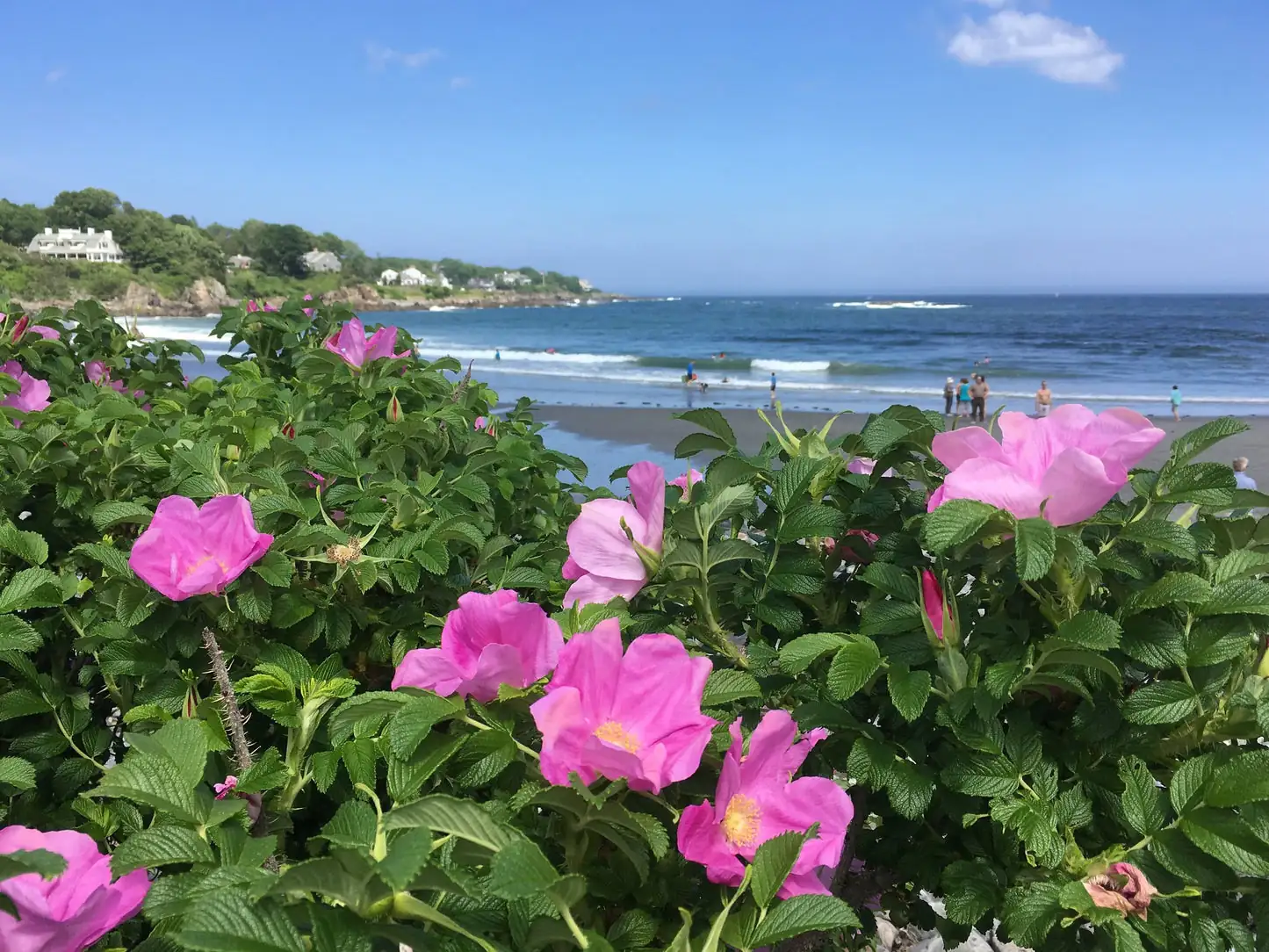
Rosa rugosa is the rugged beachcomber of the rose world—sun‑loving, wave‑worn, and wonderfully perfumed. If you like plants with personality, this salt-splash champ will win you over with wrinkled leaves, thick armor, and hips as big as cherry tomatoes. Meet the seaside superstar also known as beach rose, Japanese rose, rugosa rose, and wild rose.
1) Salt spray? Bring it on
- Built for coasts, Rosa rugosa shrugs off salt-laden winds, sandy soils, and roadside splash.
- It’s a go-to for seaside gardens and dune stabilization because it tolerates lean, fast‑draining soils where fussier shrubs sulk.
- Pro tip: Even tough roses bloom best in full sun—aim for 6+ hours of direct light.
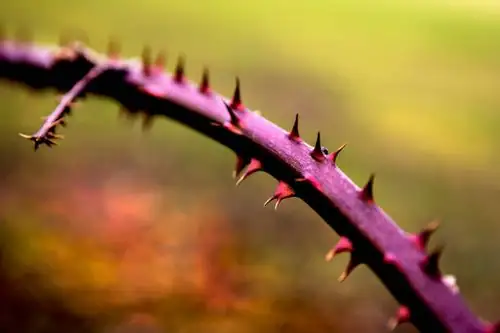
2) Armor you can see (and feel): those serious prickles
- Thick, densely-spaced prickles line the canes, making a formidable living fence.
- Great for hedges where you want beauty with a side of “keep out.”
- Handle with gloves and sleeves—this is not the rose to prune bare‑armed.
3) Perfume that finds you first
- The blooms are powerfully scented with that classic, swoon‑worthy “rose” fragrance.
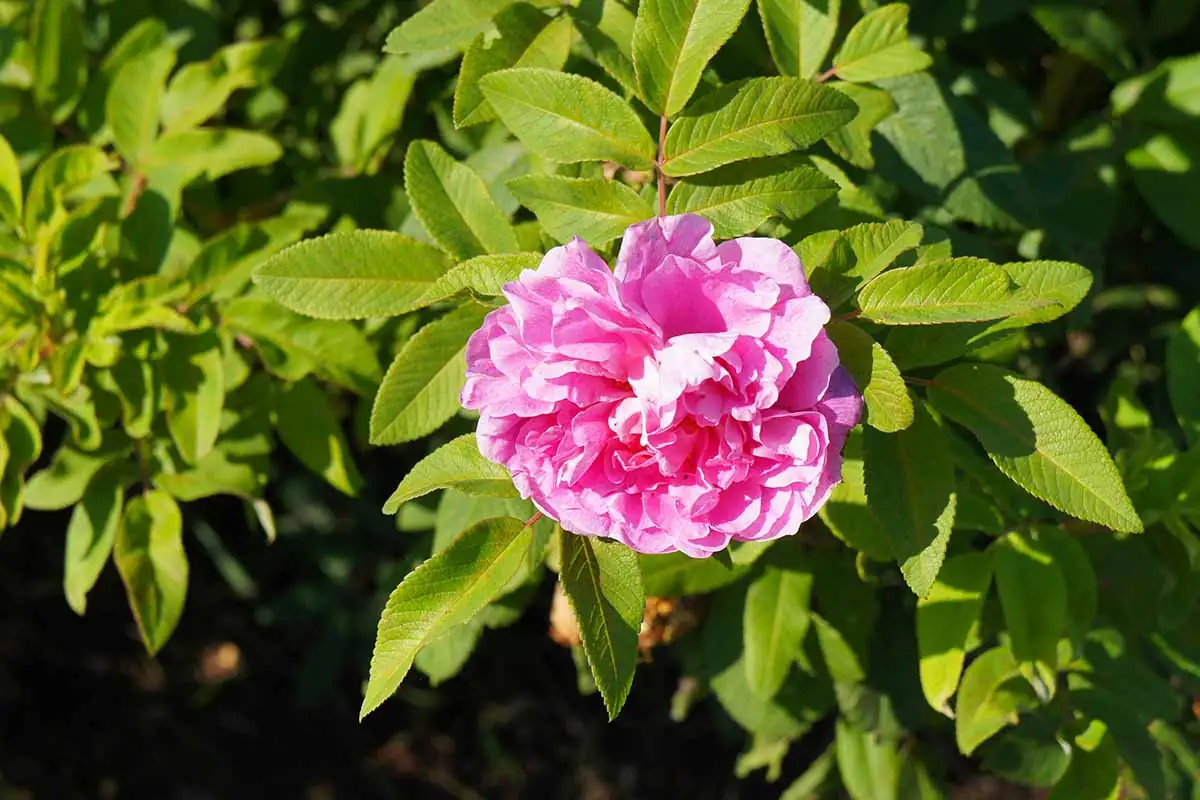
- Flowers are often single and slightly crinkled (like silk fresh from the suitcase), in shades from deep pink to white.
- Expect spring to early summer displays, with many plants offering waves of blooms through the season when happy.
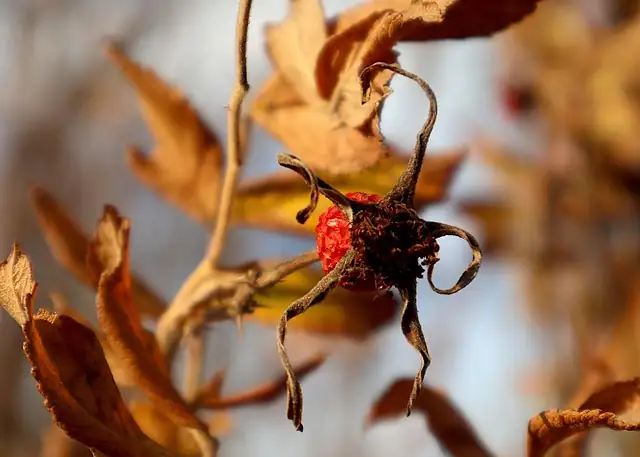
4) Hips don’t lie: enormous, edible, and eye‑catching
- The hips are famously big—rounded, tomato‑like globes that ripen to red or orange.
- They’re edible and traditionally used for teas, syrups, and jams; they’re also rich in vitamin C.
- You’ll often see flowers and fruit together in late summer, doubling the show.
- Always harvest from plants that haven’t been treated with non‑edible pesticides.
5) A bee buffet in every bloom
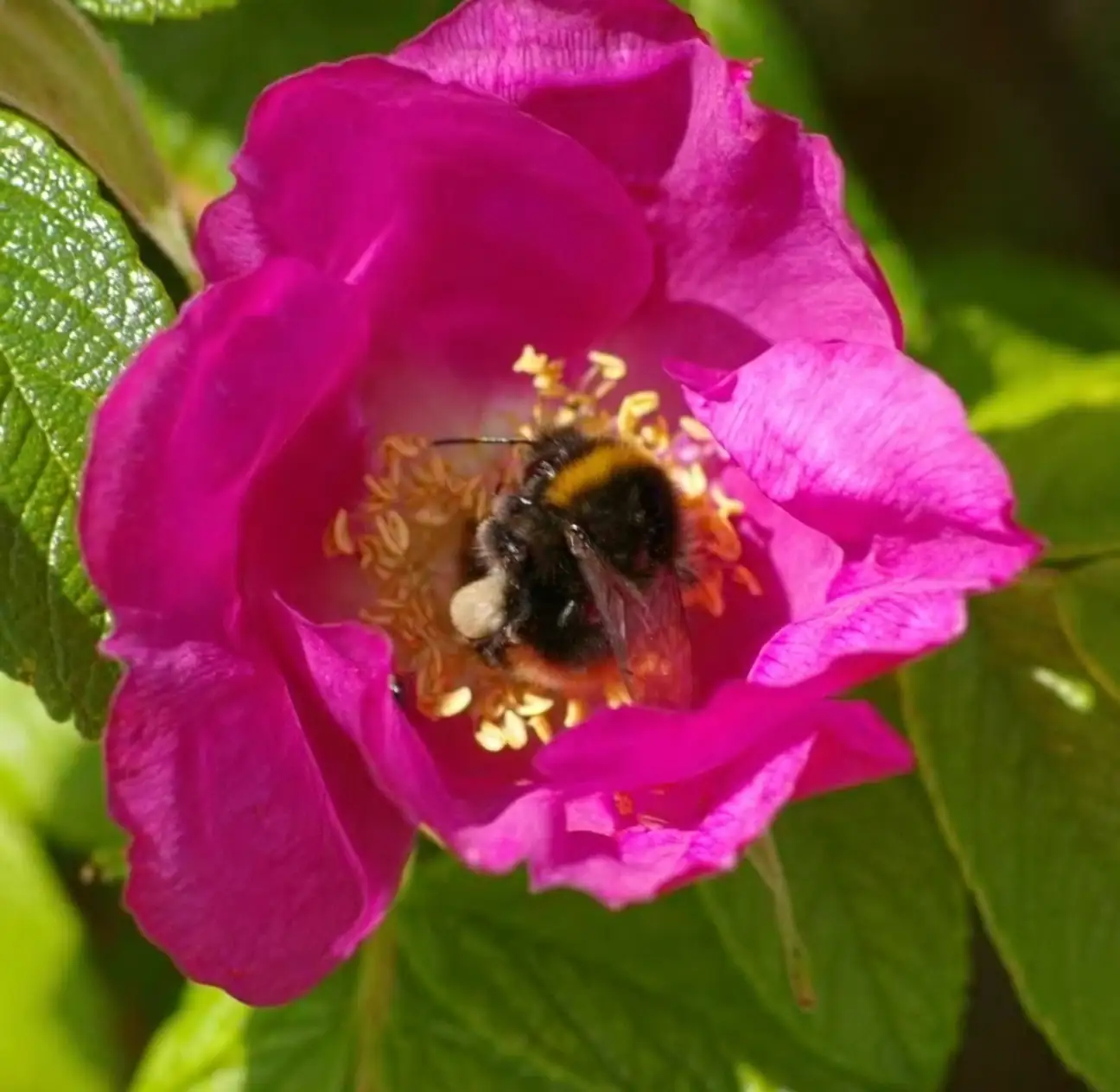
- Open, single flowers put pollen and nectar right in reach—bees and other pollinators love them.
- Planting rugosas supports beneficial insects while giving you a steady parade of foraging visitors.
6) Why “rugosa”? Touch the leaves
- “Rugose” means wrinkled—run your fingers across the thick, corrugated, glossy leaflets and you’ll feel the namesake texture.
- That sturdy foliage isn’t just handsome; it tends to shrug off common foliar diseases better than many roses.
- Bonus: leaves can turn bright, buttery yellow before they drop in fall.
7) Tough-as-nails constitution (but give it the basics)
- Thrives in well‑drained soils (sandy loam is perfect) and tolerates poor soils once established.
- Prefers slightly acidic to neutral pH (about 6.0–7.0) and moderate humidity with good air circulation.
- Cold? Wind? Drought between waterings? Rugosa takes it in stride better than most roses when established.
- Like all roses, avoid soggy sites—no plant likes wet feet.
8) Big presence, low drama
- A dense, multi‑stemmed shrub, commonly around 3–6 ft tall and wide—ideal for borders, hedges, and coastal screens.
- It suckers to form thickets over time—a plus for hedging and erosion control, but plan space or use root barriers if you prefer a tidy footprint.
- The sturdy habit means it reads as “full” in the garden even when not in bloom.
9) A quick word on manners and management
- Rugosa rose can become invasive in some coastal regions. Check local guidance and choose well‑behaved cultivars where the species is restricted.
- Garden‑friendly strategies:
- Contain with edging or a root barrier if suckering is a concern.
- Deadhead where you don’t want self‑seeding; leave hips where wildlife food is welcome.
10) Grower’s guide: simple steps for spectacular shrubs
- Sunlight: Full sun is best (6+ hours). Morning sun helps dry leaves quickly.
- Water: Deeply and consistently during active growth, targeting about 1–2 inches per week from rain/irrigation. Water the soil, not the foliage; morning is ideal.
- Soil: Well‑drained loam is ideal, but rugosa is famously tolerant of sandy, poor soils once established.
- Feeding: Start with a balanced fertilizer in spring; switch to a bloom‑supporting formula as buds form. Stop fertilizing 6–8 weeks before your first frost.
- Pruning: Deadhead for repeat color. Do major pruning in late winter or early spring—remove dead/diseased canes, thin crossing stems, and keep an open center for airflow.
- Spacing & airflow: Give room so leaves dry quickly, limiting black spot and mildew pressure.
- Containers: Yes—use a fast‑draining mix, repot every 2–3 years, and water deeply.
Bonus botany bites
- Not “thorns,” but prickles: botanically speaking, those sharp armaments are outgrowths of the stem’s epidermis.
- Wildlife win: Hips feed birds and small mammals; dense, prickly growth offers shelter.
Flower language, decoded: what does a rugosa rose “say”?
- Roses carry classic meanings—love, beauty, devotion—with colors fine‑tuning the message: red for passionate love, pink for grace and admiration, white for purity, yellow for friendship and joy, orange for enthusiasm, and purple for enchantment.
- Floriography (the “language of flowers”) blossomed in the 18th–19th centuries as a poetic code in art and courtship.
- Rugosa’s twist on tradition:
- Resilience and constancy (it thrives in harsh coastal sites).
- Protection and boundaries (those formidable prickles).
- Generosity and health (hips loaded with vitamin‑rich goodness).
- Take it as symbolism with soul, not science—meanings vary by culture and era, but rugosa’s character practically writes its own message.
Troubleshooting and plant health
- Common pests: aphids, Japanese beetles, spider mites, thrips, and rose chafers may visit; inspect often and act early.
- Diseases to watch for: black spot, powdery mildew, rust, and downy mildew—less frequent on rugosa than many roses, but good airflow, mulch, and watering at soil level are still key.
- If blooms lag: check sun (need 6+ hours), avoid over‑fertilizing with nitrogen, water deeply, and prune correctly in late winter/early spring.
Why gardeners fall for Rosa rugosa
- Salt-tolerant and seaside‑ready.
- Strong scent in big, bee‑magnet blooms.
- Glossy, deeply wrinkled leaves that look good all season.
- Huge, edible hips that feed you and the wildlife.
- A tough, handsome hedge with real staying power.
Looking for a rose that smells like a classic, laughs at the sea breeze, and hands you armfuls of hips in autumn? Rugosa is your coastal co‑pilot—sturdy, scented, and spectacular.


