
Rosa rugosa is the rugged rose that shrugs off a lot of what hobbles fussier varieties—thick, wrinkled leaves, strong fragrance, and a backbone that handles wind, salt, and less-than-perfect soil. Yet even this stalwart can run into a few real-world headaches: aphids, Japanese beetles, thrips, powdery mildew, and the perennial “Why aren’t you blooming?” Below is a fast, field-tested, action-first guide that plays to rugosa’s natural strengths while dispatching the usual suspects with prevention, organic controls, and only the most targeted treatments.
60-second diagnosis: see this, do that
- Clusters of tiny green/pink insects on tender tips, sticky honeydew, curling buds? Aphids. First move: blast with water in the morning; pinch off heavily infested tips.
- Leaves laced like doilies, beetles shimmering copper-green on blooms midday? Japanese beetles. First move: hand-pick into soapy water early, cool mornings.
- Buds that never open or petals with tan/brown streaks and edges? Thrips. First move: remove and trash infested buds; set out blue or yellow sticky cards to confirm.
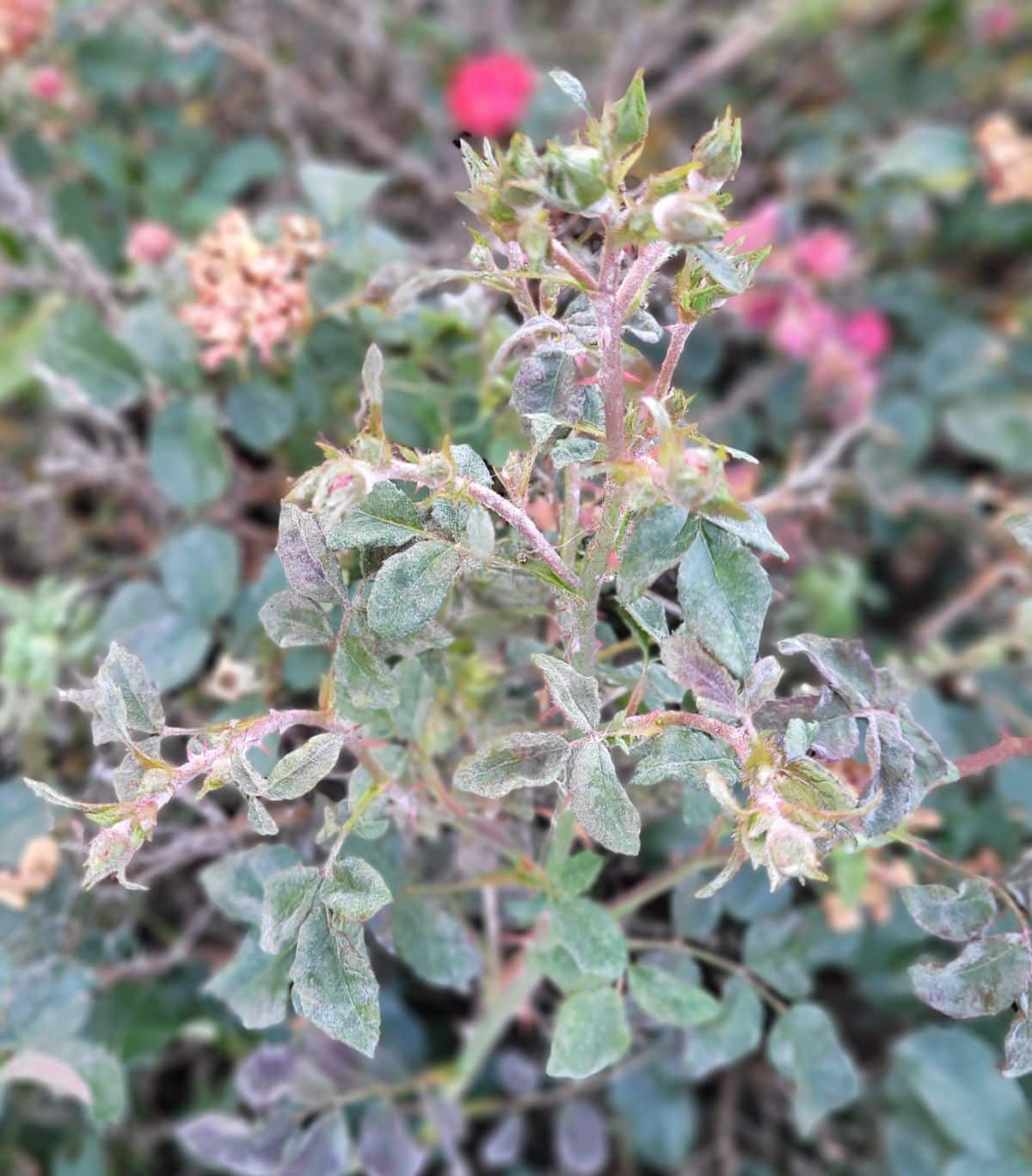
- White, talc-like coating on leaves and new shoots; leaf cupping? Powdery mildew. First move: prune for airflow, water at soil level only, remove the worst-hit leaves.
- Fewer or no flowers? Poor bloom. First move: check sunlight (aim 6+ hours), deep-water, and switch from high-nitrogen feed to a bloom-supporting formula as buds set.
Why rugosa gives you an edge
- Naturally tough: thick, textured foliage and vigorous growth give Rosa rugosa notable resistance to many common rose diseases.
- Sun and airflow supercharge that resistance: full sun (6+ hours) and open structure help keep fungal issues like powdery mildew in check.
- Good bones, good bloom: steady moisture in well-drained loam (pH 6.0–7.0) and regular deadheading keep the flower show rolling from spring into summer, with many cultivars repeating.
Aphids: stop the sticky parade
Symptoms
- Clusters on new growth and buds
- Distorted, puckered leaves; sticky honeydew; sooty mold; ants farming them
First actions (no sprays)
- Morning rinse: a firm spray of water under and over leaves, every 1–2 days for a week
- Pinch or prune out heavily infested soft tips (dispose in trash)
Organic controls
- Insecticidal soap: thorough coverage, especially undersides; repeat every 4–7 days until under control
- Neem (azadirachtin) as a growth regulator/antifeedant; apply in the evening to protect pollinators
- Recruit allies: encourage lady beetles, lacewings, and hoverflies with nearby nectar (alyssum, yarrow, dill). Manage ants so they don’t “protect” aphids
Targeted treatments (only if needed)
- Rotate between soap and neem to reduce resistance. Avoid broad-spectrum insecticides that flatten your beneficials
Japanese beetles: win the mid-season slugfest
Symptoms
- Skeletonized leaves; petals chewed ragged; beetles most active late morning through afternoon
First actions
- Hand-pick early morning when beetles are sluggish; drop into a container of soapy water
- Shade cloth or light row cover during peak flights if the plant isn’t in bloom (remove during flowering for pollinators)
Organic controls
- Neem/azadirachtin sprays can reduce feeding; reapply after rain
- Kaolin clay (barrier film) can deter feeding on foliage
- Lawn/grub stage suppression where relevant: beneficial nematodes (Heterorhabditis spp.) or milky spore in turf areas to reduce future adult populations
Trap talk
- If you use pheromone traps, place them well away (30+ meters/100+ feet) from roses to avoid drawing more beetles to the plants
Targeted treatments (use sparingly)
- Spinosad spot-sprays on non-blooming tissue can help; apply at dusk to reduce risk to pollinators and follow the label exactly
Thrips: protect those petals
Symptoms
- Buds fail to open or open with browned, streaked petals; outer petals look scorched
- Tap test: sharply tap a bud over white paper; look for tiny, slender, fast-moving insects

First actions
- Remove and trash all damaged buds/flowers (do not compost)
- Mow/trim nearby grassy weeds where thrips often breed
- Set blue or yellow sticky cards at bud height to monitor pressure
Organic controls
- Spinosad: very effective against flower thrips; apply late day, avoid open blooms when possible; repeat in 5–7 days if needed
- Insecticidal soap for exposed larvae/nymphs on foliage; good coverage is essential
- Biocontrol helpers: minute pirate bugs (Orius), lacewings, and predatory mites thrive when you avoid broad-spectrum pesticides
Powdery mildew: a dry-weather fungus that loves crowded leaves
Spot it early
- White, powdery coating on leaves/shoots; leaf curl and distortion; most common with warm days, cool nights, and poor airflow
Cultural fixes (often enough for rugosa)
- Sun + air: prune to an open center; thin crossing canes in late winter/early spring
- Water smart: irrigate at soil level in the morning; avoid wetting leaves
- Sanitation: remove infected leaves and spent debris; mulch to reduce spore splash
Organic preventives and treatments
- Potassium bicarbonate or sulfur sprays at first sight or preventively during high-risk periods
- Horticultural oil (including neem oil) can smother spores—avoid use above 85°F/29°C or on drought-stressed plants, and never combine with sulfur within 2–3 weeks
Poor bloom: fast, fixable causes
- Not enough sun: roses need 6+ hours. Relocate containers; thin nearby shade
- Nutrient imbalance: too much nitrogen = leaves, not blooms. Feed with a balanced fertilizer in spring, then a bloom-supporting formula as buds form. Organic standouts: compost, aged manure, fish emulsion. Stop feeding 6–8 weeks before first frost
- Irregular watering: aim for 1–2 inches (2.5–5 cm) of weekly moisture. Deep, infrequent watering encourages strong, bloom-supporting roots
- Skipped deadheading: remove spent flowers to cue repeat bloomers
- Crowding and poor airflow: thin interior canes to reduce stress and disease drag
- Hidden pest pressure: aphids and thrips can quietly sap bud power—inspect new growth and buds weekly
- Container constraints: rootbound roses bloom poorly. Repot every 2–3 years into fresh, well-drained mix
Build a nearly bulletproof rugosa routine
Site and soil
- Full sun with morning light is ideal
- Well-drained loam, pH 6.0–7.0; enrich with compost and mulch 5–8 cm (2–3 in) deep
- Space for airflow; avoid tight hedges that trap humidity
Watering rhythm
- Deeply once or twice a week depending on heat, wind, and soil
- Always water at soil level; morning is best
Feeding plan
- Spring: balanced fertilizer as growth begins
- Bud set onward: shift to bloom-supporting feed
- Stop 6–8 weeks before first frost
Pruning and hygiene
- Late winter/early spring: remove dead/diseased wood, thin crossing canes, maintain an open center; make 45° cuts just above outward-facing buds
- Deadhead through summer; clean up fallen leaves and spent petals to limit disease carryover
Monitoring cadence
- Weekly 3-minute check: flip leaves, scan buds, look for honeydew, lace-like chewing, or white powder; treat small problems before they balloon
Meet the plant: form, habit, and a note on spread
- Habit: dense, suckering shrub often 3–6 ft (1–2 m) tall and wide, with stout prickles
- Leaves: pinnate, 5–9 leaflets, glossy and attractively wrinkled
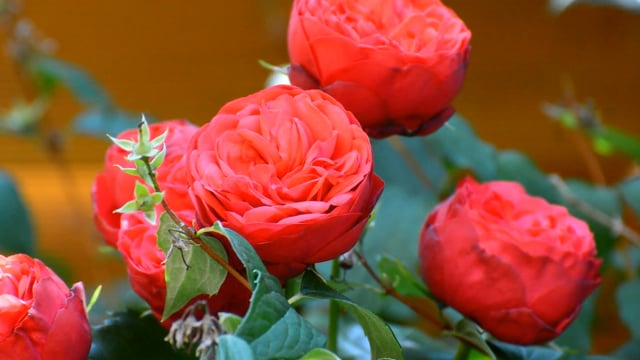
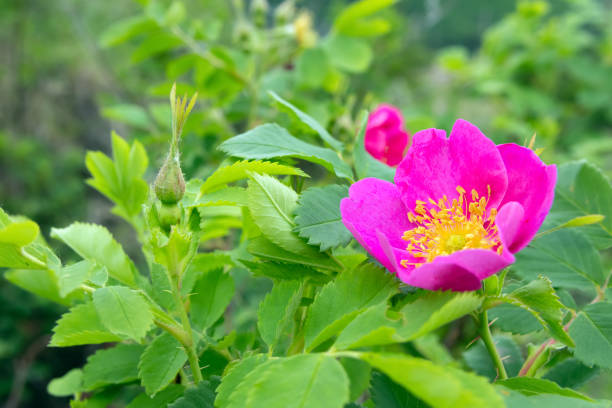
- Flowers: typically 5-petaled, pink to white (many cultivars vary), strongly fragrant; hips are large, tomato-like, and showy
- Toughness: thrives in full sun, tolerates wind and coastal conditions, and is notably disease-resistant when given good airflow
- Spread: can sucker and form thickets; in some coastal regions it’s considered invasive—use well-behaved cultivars, site thoughtfully, and contain roots where necessary
Safety, edibility, and enjoyment
- Generally non-toxic to people and pets; petals and hips are often used for teas, syrups, and preserves
- The main hazard is physical—those prickles are no joke. Wear gloves and long sleeves when pruning
Seasonal quick-start calendar
- Spring: prune for structure; feed; mulch; begin weekly pest scouting
- Summer: deep-water; deadhead; spot-treat aphids, beetles, and thrips as needed; keep airflow high
- Fall: taper feeding; reduce watering; tidy leaves and petals
- Winter: protect tender cultivars if you’re in very cold zones; plan next season’s pruning and any transplanting
Flower language, meaning, and why it sticks
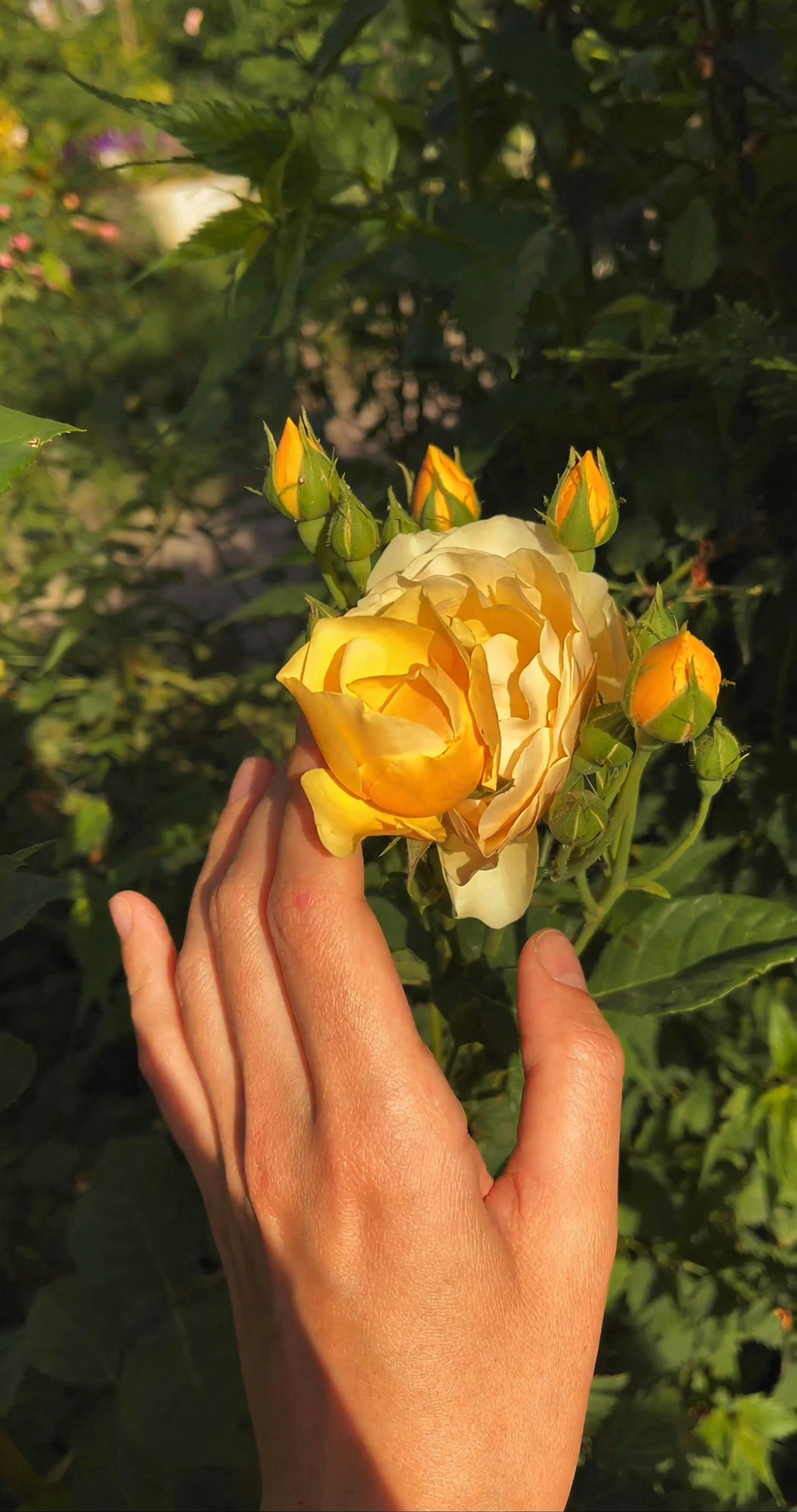
Roses have carried human meaning for millennia—love, beauty, and devotion most of all. Over time, color codes emerged in art and gifting: red for passionate love, pink for admiration, white for purity, yellow for friendship and joy, orange for enthusiasm, purple for enchantment. These associations weren’t handed down by botany but by culture—poets, painters, and ceremonies kept reinforcing them until they felt “natural.” Rugosa adds a layer of authenticity: its durability, fragrance, and generous hips make it a living symbol of endurance and abundance, not just romance.
When things still go wrong
- Powdery mildew keeps returning: increase sun/airflow, tighten your sanitation, and rotate organic fungicides (bicarbonate, sulfur, oils—observe label intervals)
- Beetles overwhelm hand-picking: add kaolin clay, push neem applications, and address grubs in adjacent turf with beneficial nematodes
- Thrips persist: extend your sanitation radius to nearby grasses; repeat spinosad at label intervals; encourage Orius with flowering groundcovers
- Blooms still sparse: soil test to fine-tune pH and nutrients; confirm you’re truly at 6+ hours of direct sun; repot or root-prune container plants; avoid over-pruning in fall
Rosa rugosa is the rose that meets you halfway—bring sun, air, steady moisture, and a watchful eye, and it will repay you with fragrance, color, and hips that glow into autumn. Keep the simple, preventive habits above, and most “rose problems” never get a foothold.