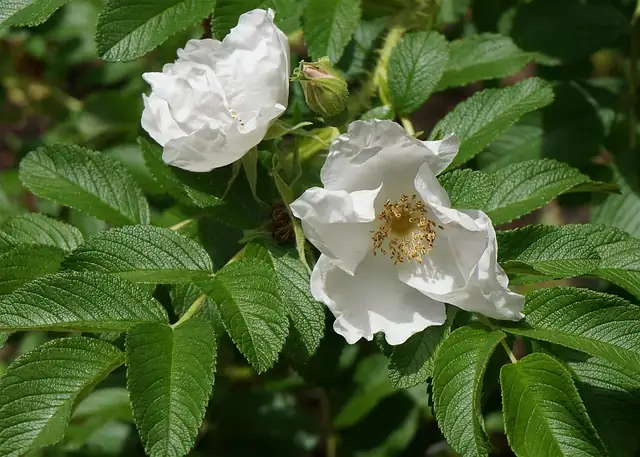
Rosa rugosa is the beach-bum rose with a spa-day scent—happy in salt spray, fierce in wind, and generous with nonstop blooms or chandelier clusters of vitamin‑rich hips. If you’ve ever wanted a rose that thrives where others pout, this coastal classic is your steadfast companion. Here’s exactly how to site it, water it, prune it, and keep it humming along, season after season.
Meet the beach-proof rose
- Identity: Rosa rugosa (aka Beach Rose, Rugosa Rose, Japanese Rose, Wild Rose) in the rose family (Rosaceae).
- Look and feel: Upright, very prickly shrub with thick, deeply wrinkled (rugose) leaves. Flowers are typically single to semi-double in white to pink with a true old-rose fragrance. Big, tomato-like orange-red hips glow from late summer into winter.
- Size: Most garden shrubs settle around 1–2 m (3–6 ft) tall with a similar spread; older or unpruned plants can get larger.
- Origin and vibe: Native to East Asia and beloved across cool and coastal regions worldwide; it often naturalizes on dunes and seashores.
Light, location, and airflow (coastal smarts baked in)
- Sun: Give Rugosa full sun—at least 6 hours daily. Morning sun is gold (it dries dew fast and curbs disease).
- Airflow: Roses love a breeze. Space plants with good elbow room and keep centers open so air can flow through.
- Spacing: 3–5 ft (0.9–1.5 m) apart for hedges; wider for specimen shrubs.
- Site tricks: Align rows with prevailing winds, avoid tight corners, and don’t plant right up against solid fences.
- Placement: Great for sunny borders, hedges, erosion control on banks, and even large containers. Choose well-drained ground.
Soil and the pH sweet spot
- Texture and drainage: Rugosas tolerate sandy and poor soils but still want drainage. No standing water.
- pH: Aim for slightly acidic to neutral—about 6.0–7.0 is the sweet spot.
- Planting tips:
- Mix compost into the top 20–30 cm (8–12 in).
- Plant at the same depth it grew in its pot; water to settle.
- Mulch 5–7.5 cm (2–3 in) deep, keeping mulch a few cm off the canes.
- Containment: Rugosas can sucker. Use a root barrier, mow edges, or confine hedges with a path or retaining edge if you want tidy lines.
Watering schedules that actually work
Rugosas are famously tough and become drought-tolerant once established—but consistent moisture fuels better bloom and hip set.
- First growing season:
- Target: About 2.5–5 cm (1–2 in) of water weekly (rain + irrigation).
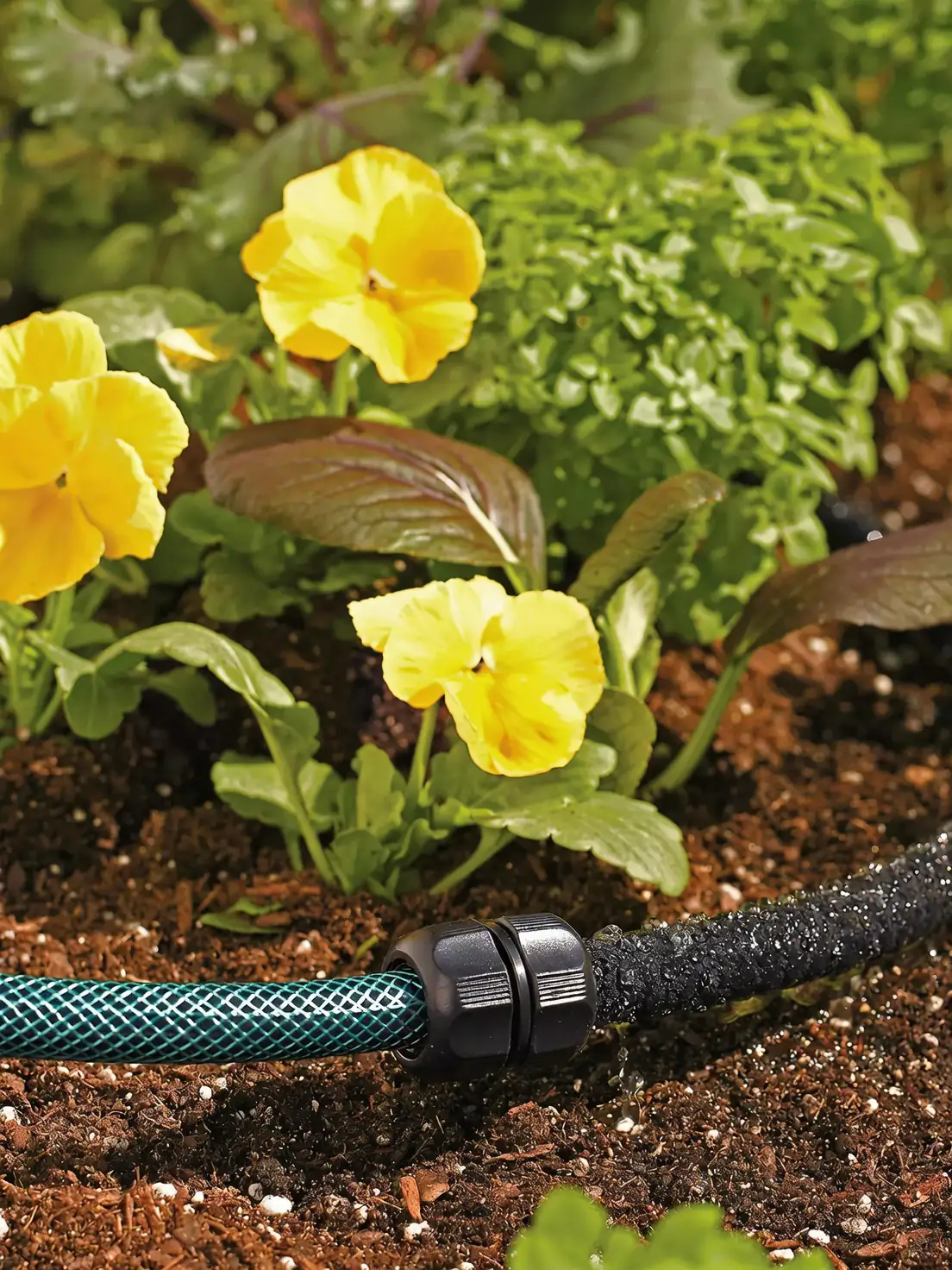
- Method: Deeply soak 1–2 times per week. Use a rain gauge. Water in the morning and at soil level (soaker hose/drip).
- Sandy soils and windy coasts may need an extra light soak in hot spells.
- Established plants:
- Maintain roughly 2.5 cm (1 in) per week in heat; ease off in cool, rainy periods.
- Reduce watering in fall; keep almost dry in winter dormancy.
- Always check soil first: If the top few centimeters (couple of inches) are dry, it’s time to water.
Feeding for flowers (and hips)
- Spring jumpstart: Feed with a balanced rose fertilizer as new growth appears.
- Bud boost: Switch to a bloom-supporting formula as buds set.
- Organic allies: Compost, aged manure, and fish emulsion keep soil life lively.
- Stop feeding 6–8 weeks before your first expected frost to prevent tender late growth.
Airflow hacks that beat disease
- Open centers: Late winter/early spring, remove crossing canes and thin to an open “vase.”
- Water the ground, not the leaves: Morning watering dries any accidental splash quickly.
- Mulch: Suppresses splash-up spores and evens out soil moisture.
- Space smart: Don’t crowd with dense shrubs; let the wind do some work.
Pruning, your way: blooms or hips
Choose your adventure each year.
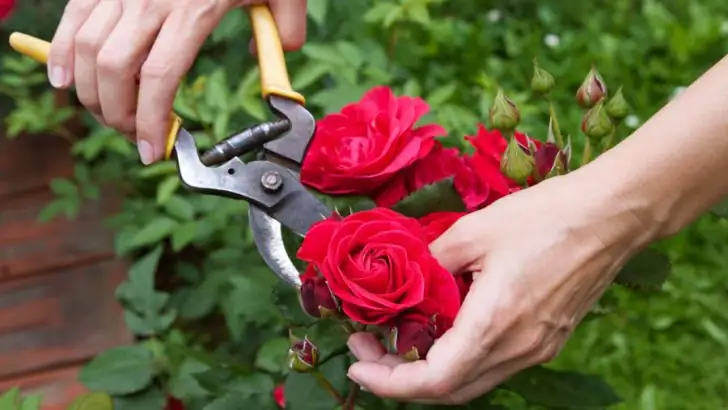
- For repeat blooms:
- Deadhead spent flowers all summer (until late summer).
- In late winter/early spring, remove dead/diseased wood, thin crossing canes, and lightly shape. Cut just above outward-facing buds at a 45° angle.
- Renew: Every year or two, take out 1–3 of the oldest canes at the base to stimulate fresh, floriferous growth.
- For big, vitamin‑rich hips:
- Do not deadhead after the first main flush—let flowers set hips from late summer onward.
- Keep pruning minimal in the growing season; just remove dead or damaged wood.
- Major pruning still happens in late winter/early spring: clean out dead/diseased canes and thin lightly for airflow without removing the wood that will carry your next hip crop.
A simple seasonal calendar
- Spring:
- Major prune and shape; feed; refresh mulch; check irrigation.
- Summer:
- Deep-water as needed; deadhead (if chasing blooms); watch airflow; monitor pests.
- Fall:
- Taper watering and stop fertilizer 6–8 weeks before frost; allow hips to color; tidy fallen leaves.
- Winter:
- In cold regions, protect container roots; keep beds clean; plan next year’s prune.
Coastal toughness, dialed in
- Salt and wind: Rugosa shrugs off salt spray and gusts. Stake only in truly exposed, new plantings.
- Sand savvy: Lean, sandy soils are fine—just remember deeper, slightly more frequent watering in hot, dry spells.
- Erosion control: Plant in staggered rows on slopes; mulch to hold moisture and soil.
Troubleshooting: quick reads and easy fixes
- Few blooms?
- Not enough sun (need 6+ hours), drought stress, or too much nitrogen. Correct watering and switch to a bloom-leaning feed.
- Yellowing leaves?
- Normal in fall; otherwise check for heat/drought stress or poor drainage.
- Common pests and diseases:
- Pests: Aphids, Japanese beetles, spider mites, thrips, rose chafers. Use strong water sprays, hand-pick beetles, and invite beneficial insects; resort to targeted controls only if needed.
- Diseases: Black spot, powdery mildew, rust, downy mildew, botrytis in wet seasons. Prevention rules—full sun, airflow, base watering, and fast removal of infected leaves.
Rugosas are naturally more disease-resistant than many roses, but good habits keep them nearly trouble-free.
Containers and hedges
- Containers: Choose a large pot with excellent drainage; refresh soil every 2–3 years in spring and water a bit more consistently than in-ground plants.
- Hedges: Plant 3–4 ft apart for a dense, bird-friendly, hip-heavy barrier in short order. Mow or edge the front to corral suckers.
Propagation
- Cuttings: Softwood cuttings in late spring/early summer or hardwood cuttings in fall.
- Budding/grafting: Common rose techniques work well.
- Suckers: Lift and replant for clonal copies.
- Seeds: Possible but seedlings won’t reliably match the parent.
Harvesting and using hips
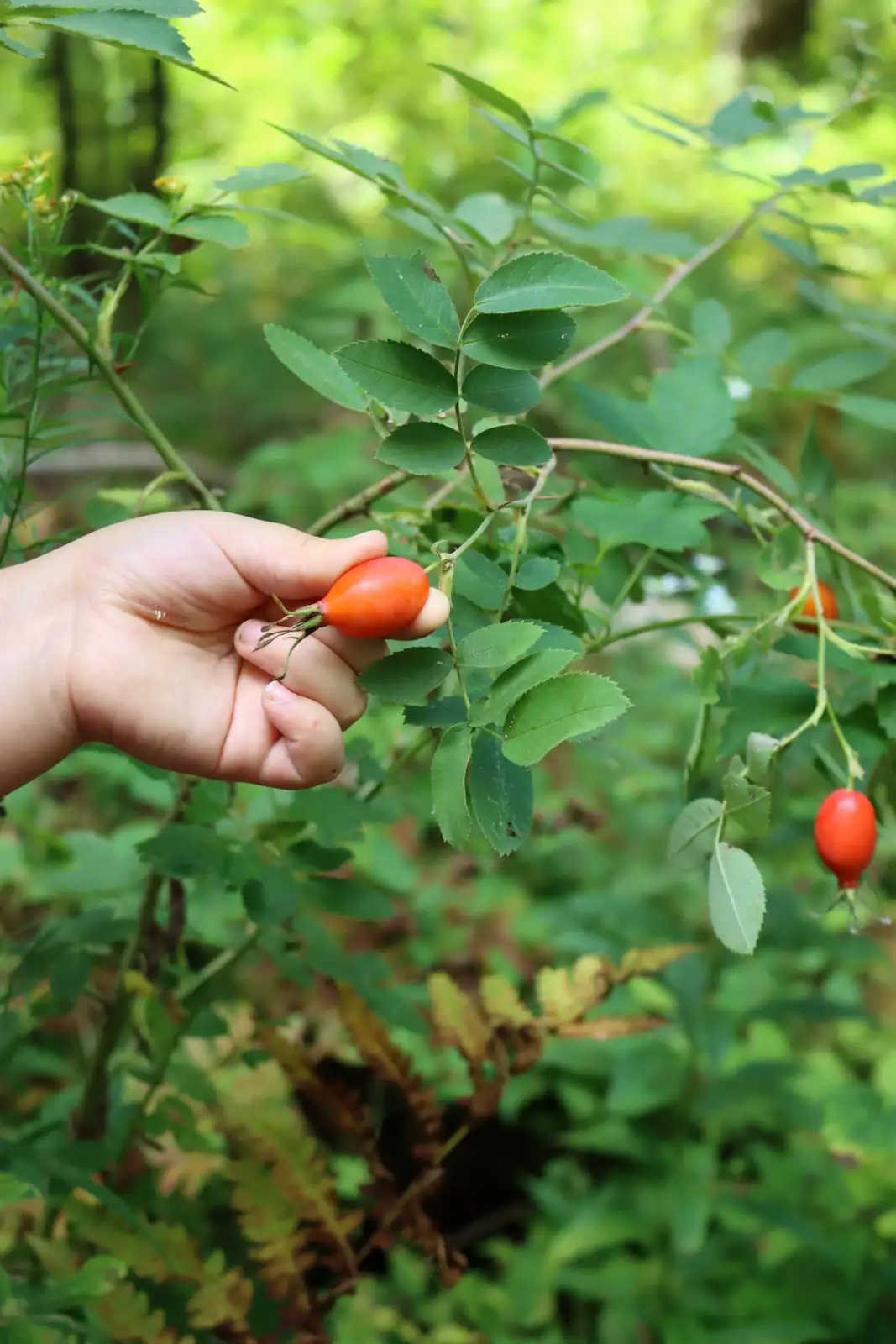
- Timing: Late summer into fall—pick when deep red and slightly yielding.
- Prep: Halve hips, scoop out seeds and the irritating hairs, then use for tea, syrups, or jams. Petals are edible, too.
- Nutrition: Rose hips are famously rich in vitamin C.
Safety note
Generally non-toxic to people and pets. The hazard is physical: those prickles are serious—wear gloves and long sleeves.
A note on rose “flower language”
Victorian floriography turned roses into messengers—red for passion, pink for admiration, white for reverence, yellow for friendship and joy, orange for enthusiasm, purple for enchantment. Rugosa’s seaside grit adds a modern layer: resilience, renewal, and the kind of grounded love that weathers storms. Gardeners often let the hips glow into winter as a quiet symbol of abundance and continuity.
Quick-start checklist
- Sun: 6+ hours (morning sun ideal)
- Soil: Well-drained; pH 6.0–7.0; handles sand and salt
- Water: 2.5–5 cm (1–2 in)/week first year; about 2.5 cm (1 in) in heat once established
- Airflow: Space 3–5 ft; open-center pruning; water at the base
- Feed: Spring balanced feed, then bloom support; stop 6–8 weeks before frost
- Prune: Late winter/early spring; deadhead for blooms or skip deadheading for hips
Rosa rugosa proves you can have romance and resilience in the same shrub. Plant it where the wind sings, give it sun and a steady drink, and choose each season whether you want repeat roses—or a winter’s worth of glowing hips. Either way, it rarely disappoints.