Ficus carica—the common fig—practically begs for a sunny, Mediterranean-style guild at its feet. Build the right company around it and you’ll get steadier moisture, fewer root-knot nematodes, bustling beneficial insects, and a garden that smells like summer. Think lavender, rosemary, oregano, and smart mulching that turns a good fig into a generous one.
Meet the fig, then match the company
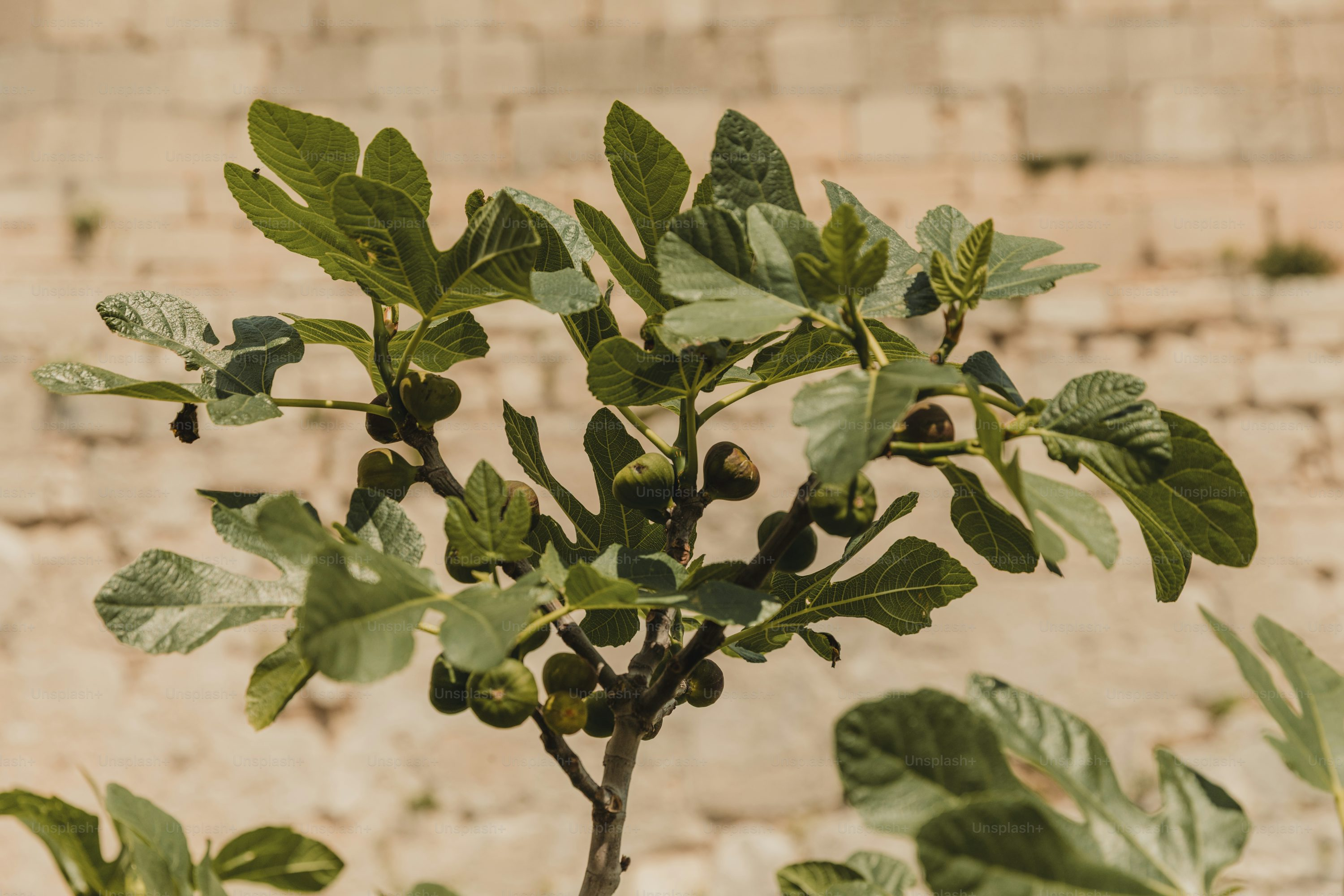
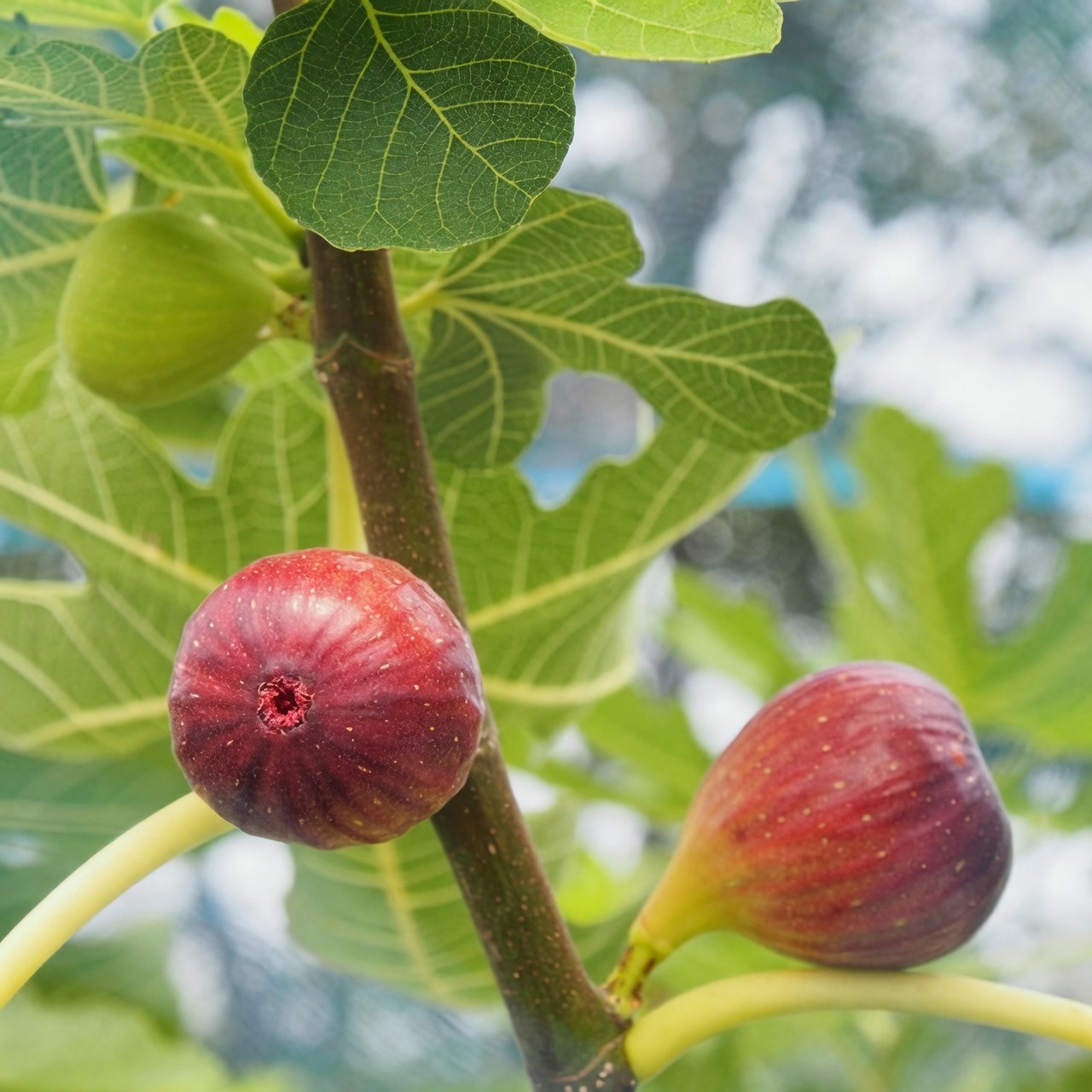
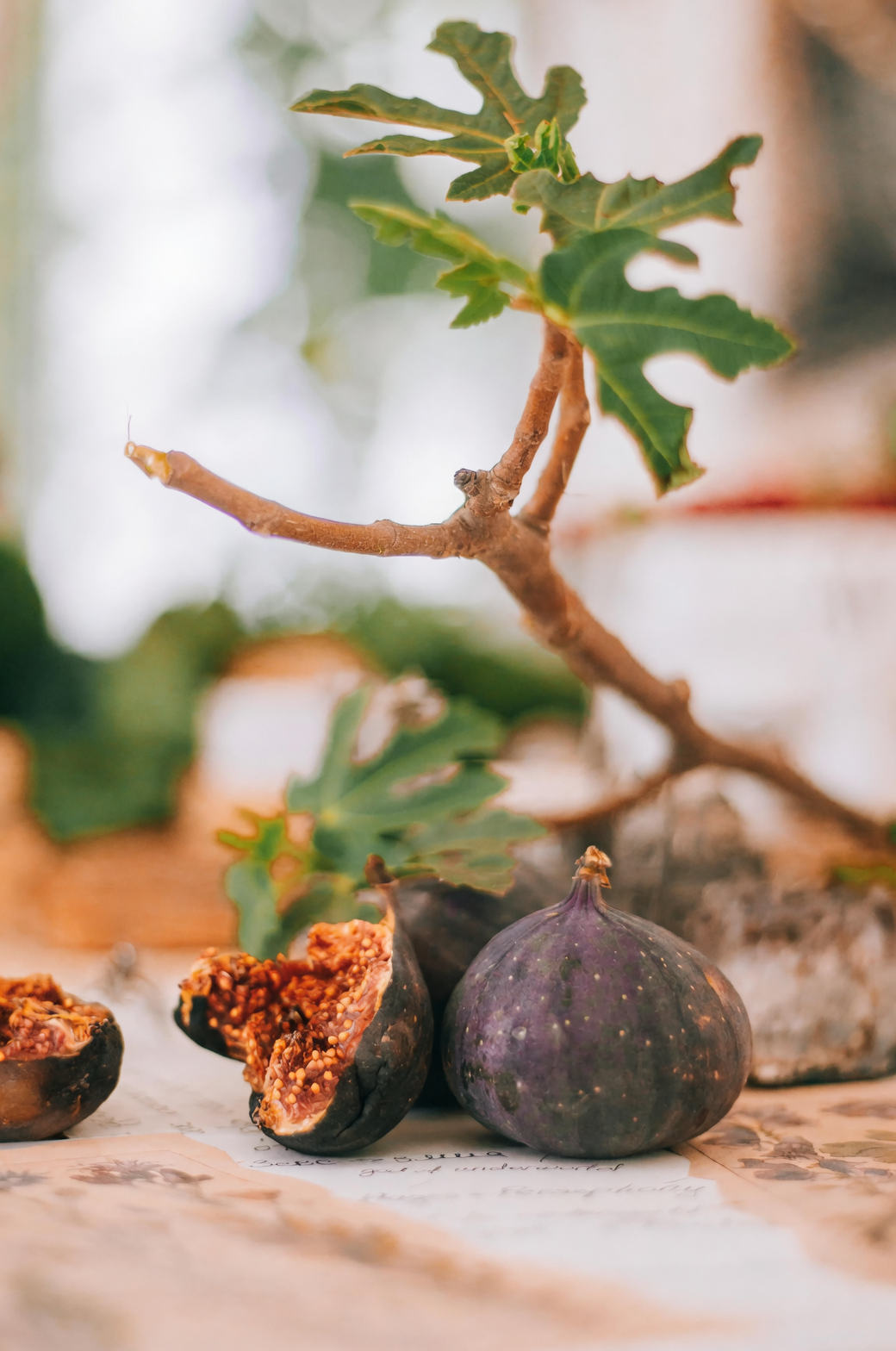
Common fig is a deciduous, sun-loving fruit tree from the Mediterranean and Western Asia. It thrives in warm summers, tolerates drought once established, and looks gloriously tropical with those bold, lobed leaves. Most garden cultivars set sweet, edible figs without needing pollination, and many reward you with two crops: an early “breba” and a main crop later in the season.
Because figs:
- Prefer full sun (6–8+ hours)
- Like well-drained soils (pH ~6.0–7.5)
- Dislike soggy roots and big swings in moisture
- Are prone to nematodes in some soils
- Benefit from airflow to avoid fungal issues
…the best companions are tough, drought-tolerant perennials that invite pollinators and predatory insects while helping the soil hold a cool, even moisture profile.
The Mediterranean fig guild: who’s in and why
Think of your fig’s understory as a living toolkit. Each plant brings a job description.
Lavender (Lavandula spp.)
- Why it shines: Lavender thrives in the same sun and drainage figs love. Its nectar-rich blooms pull in bees and beneficial wasps, while its aromatic foliage helps confuse or deter some soft-bodied pests.
- Extra perks: Low water needs once established; woody structure holds its own under radiant heat near paving or walls—just like a fig.
Rosemary (Salvia rosmarinus)
- Why it shines: Another sun-worshipper with lean-soil tolerance, rosemary supports pollinators with late-winter to spring bloom (timing varies by climate) and provides year-round structure.
- Extra perks: Fragrant oils can help deter certain pests. Compact or upright forms can double as a low hedge that slows wind and surface evaporation.
Oregano (Origanum vulgare) and Friends (Thyme, too)
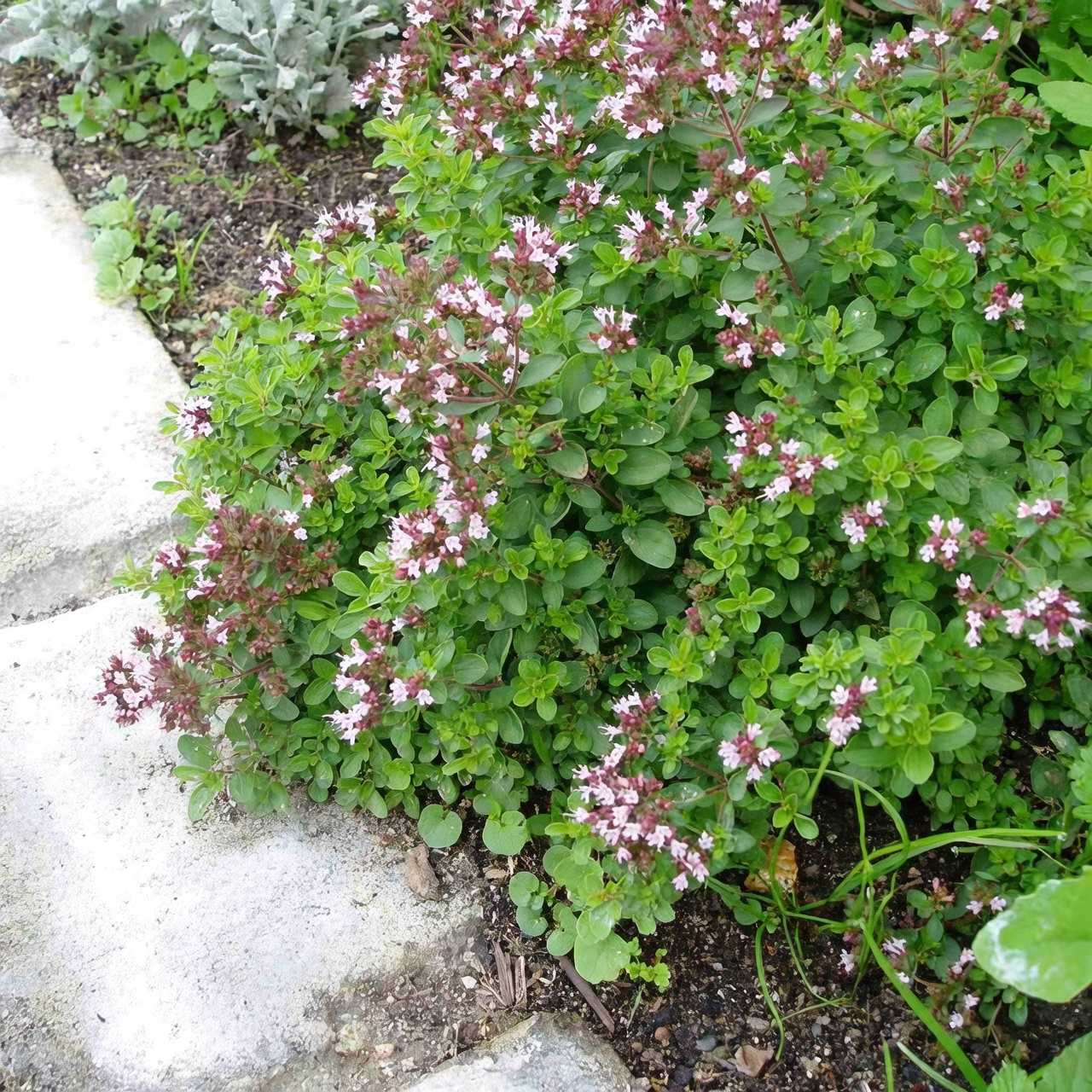
- Why they shine: Oregano and creeping thyme knit into a living mulch that buffers soil temperatures, reduces moisture swings, and feeds bees and hoverflies with tiny, accessible flowers.
- Extra perks: Dense mats suppress weeds without smothering fig roots. They’re tough, step-able in light traffic, and delight the kitchen as much as the garden.
Marigold (Tagetes spp.)
- Why it shines: The classic nematode bouncer. Many Tagetes cultivars release compounds that suppress certain root-knot nematodes in the root zone.
- How to use them best:
- Plant densely as a seasonal border around young figs.
- For a stronger effect, grow marigolds as a pre-plant cover for a few months, then chop-and-incorporate before setting your fig (or refresh a ring each warm season).
- Bonus: Their bright flowers also attract beneficials and create a pollinator “runway” to your fig guild.
Nasturtium (Tropaeolum majus), optional but fun
- Why it shines: A lively trap crop for aphids that keeps them off tender fig shoots. Flowers are edible, and their rambling habit covers bare ground quickly.
- Caveat: In very dry sites, nasturtiums appreciate a bit more moisture than lavender/rosemary—use them where irrigation is slightly more frequent.
Mulch tactics to even out moisture (and boost health)
Figs appreciate steady—not soggy—moisture, especially as fruit swells. Mulch is your secret weapon.
Organic mulch ring
- What to use: Coarse wood chips, shredded bark, pine needles, leaf mold, or chopped comfrey/leaves as a “chop-and-drop” layer.
- Depth: 5–8 cm (2–3 in) for young trees; up to 8–10 cm (3–4 in) in hot, dry climates.
- Placement: Keep mulch 10–15 cm (4–6 in) away from the trunk flare; extend out to (and beyond) the dripline as the tree grows.
- Why it works: Slows evaporation, cools summer soil, reduces compaction, and feeds the soil web—critical for figs that resent waterlogged conditions but still want consistency.

Living mulch lane
- Oregano/thyme carpet rooted 45–60 cm (18–24 in) from the trunk, then spreading outward. This reduces bare-soil baking and buffers moisture without holding water against the trunk.
Mineral accents (where heat is your friend)
- Light-colored gravel or stepping stones outside the mulch ring reflect a bit of heat to help ripening in cool-summer climates. Avoid heavy rock mulch right at the trunk—it can overheat roots in hot regions.
How to plant the guild around an in-ground fig
- Sun and space: Give the fig prime real estate—full sun and room to spread (mature figs can reach 10–30 ft tall and wide, or be pruned smaller).
- Soil prep: Loosen and amend for drainage with compost if needed, but avoid creating a “bathtub” of rich soil in a poorly drained site. Figs tolerate many textures as long as water doesn’t sit.
- Set the structure:
- 45–60 cm (18–24 in) radius around the trunk: keep this open—no plants, just mulch. This keeps the trunk dry and gives you space to manage suckers.
- 60–120 cm (2–4 ft) zone: plant low, drought-tolerant herbs (oregano, creeping thyme). Let them form a mat as living mulch.
- 120–180 cm (4–6 ft) zone and beyond: place lavender and rosemary in sun-bathed clumps or a partial ring. Dot marigolds through open pockets each warm season for nematode suppression and cheer.
- Irrigation: Lay drip lines or soaker hose under the mulch ring. Water deeply and infrequently once the tree is established.
Watering rhythm that matches a fig’s needs
- Establishment (year 1): Water regularly to push roots out. Consistency matters most in heat.
- Mature trees: In dry weather, deep watering about every 10–14 days often suffices in-ground; adjust to heat, soil, and rainfall.
- Container figs: Water when the top 5–8 cm (2–3 in) of mix is dry. Herbs at the rim help reduce surface evaporation, but don’t crowd the trunk.
- Fruit fill: As figs swell, avoid big wet-dry swings that can trigger yellowing leaves or fruit splitting. Your mulch-and-living-mulch combo is the buffer.
Nematode suppression, step-by-step
- Seasonal marigold belt: Plant Tagetes (French or African marigolds) thickly as a summer ring in open soil between herb clumps. Replace annually.
- Pre-plant strategy (ideal for new sites): Grow a dense marigold cover for 2–3 months in warm weather, then chop and incorporate before planting your fig.
- Soil health: Keep organic matter cycling with mulch and leaf litter. A thriving soil food web is your long game against pests.
- Container strategy: Use fresh, high-quality potting mix and avoid reusing infested soil. Good drainage and sanitation are your best allies.
Pollinator power around a self-sufficient fruiter
Most common fig cultivars don’t require pollination to set edible fruit, but your garden still benefits from a crowd of bees, hoverflies, and tiny parasitic wasps that help manage other pests. The guild above offers:
- Long bloom windows (lavender, oregano/thyme, marigolds)
- Flat, nectar-rich flowers that are easy for small beneficials
- Aromatic oils that confuse herbivores while inviting allies
Tip: Mix in a few regionally native bloomers near the fig’s outer zone to feed local pollinators across the whole season.
Container figs: mini guilds that work
- Pot size and mix: Use a large container with excellent drainage and a quality, coarse-textured mix amended with organic matter.
- Underplant lightly: Tuck 3–5 small companions around the rim—creeping thyme, compact oregano, a dwarf lavender or rosemary, and a few marigolds in summer.
- Mulch the surface: A 1–2 cm (0.5–1 in) layer of fine bark or chunky compost reduces splash and evaporation. Keep stems clear.
- Watering: Check moisture at finger depth. In heat, herbs will flag first—a handy cue before the fig suffers.
- Winter: In cold zones, move pots to a sheltered spot while the fig is dormant; water sparingly.
Seasonal care calendar for a companion-planted fig
- Late winter to early spring (dormant season)
- Prune to open the canopy; remove dead/crossing wood.
- Top-dress with compost, renew mulch.
- Plant new trees; set out perennial herbs.
- Spring to midsummer
- Establish irrigation under mulch.
- Seed or transplant marigolds and nasturtiums.
- Monitor for rust or leaf spots; maintain airflow and avoid overhead watering.
- Mid- to late summer
- Keep moisture steady during fruit swell.
- Harvest breba/main crops as they soften and droop.
- Fall
- Finish harvest; tidy fallen leaves and fruit to reduce fungal carryover.
- In cooler regions, a south-facing wall adds helpful reflected heat.
- Winter
- Protect in colder zones; container figs can be sheltered.
- Water sparingly while dormant.
Common pitfalls (and easy fixes)
- Planting companions too close to the trunk
- Keep a bare “donut” around the trunk to prevent rot and pest harboring.
- Overwatering a mulched fig
- Mulch slows evaporation—great! But it also means you can water less often. Check moisture before irrigating.
- Dense, thirsty groundcovers
- Choose drought-hardy oregano/thyme over high-water, tall groundcovers.
- Skipping airflow
- Prune for an open canopy and space companions so leaves dry quickly; this helps avoid rust and leaf spots.
A quick word on figs, flowers, and symbolism
Fig “flowers” are hidden—tiny blooms develop inside the fig’s syconium, then ripen into the fruit you eat. Some fig types in nature rely on a specialized fig wasp, a famous plant–insect partnership; many garden figs, however, produce edible fruit without pollination. Across cultures, figs symbolize abundance, peace, and fertility—likely a nod to their generous crops and deep roots in ancient agriculture. Modern “flower language” traditions often amplify those themes, but their meanings are cultural, not botanical law. Let your own harvest write the symbolism in your garden.
Build your fig’s forever crew
Give Ficus carica full sun, sharp drainage, and a companion circle that works as hard as you do:
- Lavender and rosemary to draw pollinators and steady the air-and-heat profile
- Oregano or thyme as a living mulch to smooth out moisture and shade the soil
- A seasonal marigold ring to keep nematodes in check and the beneficials buzzing
- A thoughtful mulch strategy to lock in consistency—your ticket to plumper, sweeter figs
Do this, and you won’t just grow a fig. You’ll grow a little Mediterranean ecosystem that pays you back in beauty, biodiversity, and bowls of honeyed fruit.