

If you garden in USDA Zone 6 or 7 and daydream about warm, honeyed figs, take heart: the common fig (Ficus carica) absolutely can be coaxed into reliable main-crop harvests with smart siting, low training, and winter protection. Think of it as growing a Mediterranean soul with a clever northern strategy—savor the sweetness, engineer the heat.
Know Your Fig, Know Your Finish Line
- Ficus carica is a deciduous, self-fertile fruit tree in the mulberry family (Moraceae). It drops its leaves in winter and springs back to life with heat.
- The “flowers” are hidden inside the fig (a syconium), so you won’t see blossoms. Most garden varieties don’t need pollination.
- Cropping pattern: many cultivars can produce a breba crop on last year’s wood (early summer) and a main crop on current-season wood (late summer to fall). In Zones 6–7, we target the main crop and, when we can preserve older wood, we enjoy some bonus brebas, too.
- Climate reality check: figs love full sun and long, hot summers. Unprotected wood risks damage as temperatures approach the mid-teens Fahrenheit. In Zones 6–7, plan on protection or a “dieback-and-regrow” strategy—and choose quick-ripening cultivars for the win.
Site Choice: Build a Warm Bubble
Heat is your currency; spend it wisely.
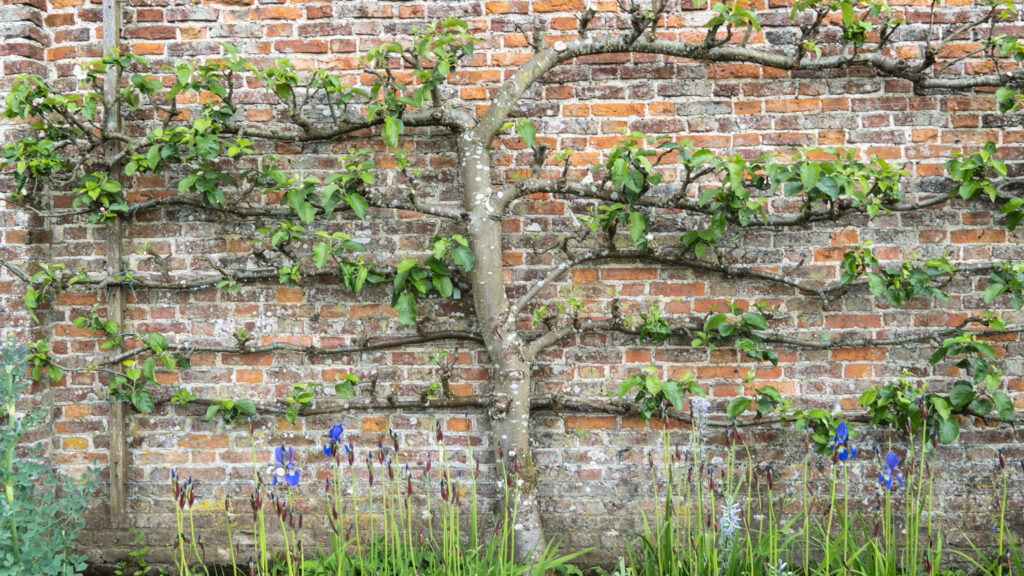
Pick the warmest square yard you’ve got
- South-facing wall: Masonry or dark siding soaks up sun, radiating warmth at night. This can easily advance ripening by precious weeks.
- Avoid frost pockets: Stay off the low spots where cold air settles. Slight south-facing slope is ideal.
- Watch snowmelt patterns: Where snow melts first is often your best microclimate.
Engineer a heat trap
- Thermal mass: Place large stones, bricks, or filled water barrels nearby to absorb day heat and release it after sunset.
- Windbreaks: Gentle shelter from prevailing winter winds reduces desiccation and cold stress.
- Soil and drainage: Figs accept loam, clay, or sand—but insist on good drainage. Aim for pH 6.0–7.5. If in doubt, plant on a raised berm near that south wall.
Sunlight quota
- Aim for 6–8+ hours of direct sun daily. More sun equals more sugars and earlier ripening.
Planting and Training Tactics That Pay in Cold Climates
Start smart: container-to-ground progression
- Young figs are more vulnerable. Many northern growers raise them in containers for 1–2 (even 3) years, then plant out once the root system is robust.
- Bonus: Potted figs can be overwintered in an unheated garage or shed. Keep them dormant, cool, and barely moist.
Train low: make winter protection easy
Think “knee-high architecture.” The lower the framework, the easier it is to insulate.

- Low cordon or fan training:
- Set a permanent trunk or two at 12–24 inches high.
- Tie laterals along a fence or wire fan against the south wall.
- Keep fruiting wood within easy wrapping range.
- Bend-and-bury (for in-ground figs):
- During late fall dormancy, gently bend selected canes close to the ground.
- Pin them down and cover with a few inches of soil and dry leaves.
- Uncover in early spring. Preserved 1–2-year-old wood can jumpstart both breba and main crops.
The “dieback-and-regrow” play
- If your fig routinely dies back above ground, let it coppice on a stool of multiple canes.
- In spring, thin to 4–6 strong shoots. These vigorous new canes will still carry a main crop—if your cultivar is early enough and your site is warm.
Winter Protection: A Menu of Methods
Quick leaf mound (simple and effective)
- Tie canes into a tight bundle.
- Wrap with breathable fabric (burlap or frost cloth). Avoid plastic touching bark; it traps moisture.
- Build a cage of wire mesh and stuff with very dry leaves.
- Cap the top to shed rain/snow; keep it breathable to avoid rot. Add rodent guards.
Full leaf “chimney” cage
- Surround the plant with a sturdy cylinder of fencing.
- Fill with dry leaves or straw. Secure a weather-shedding lid that still vents.
- Unwrap after the risk of deep cold has passed.
Trench-and-tip (for flexible, young trees)
- Dig a shallow trench on one side.
- Gently lay the tied plant into the trench, pin it, and cover with soil and leaves.
- Stand it back up in spring and retrain low.
Container overwintering
- Move to an unheated garage or shed once dormant. Cool, dark, and 35–45°F is ideal.
- Water sparingly—just enough to keep roots from dust-dry.
- Return outdoors after danger of hard freezes; acclimate gradually.
Management for Earlier, Sweeter Main Crops

Sun, water, and nutrition
- Full sun is non-negotiable.
- Water consistently during fruit swell, especially in containers, but don’t let roots sit soggy.
- Feed in early spring with a balanced fertilizer. In cooler zones, avoid heavy nitrogen after early summer—it can fuel late, tender growth at the expense of ripening.
Lignification matters
- Late, pushy growth is cold-tender. Help shoots harden:
- Ease off nitrogen by midsummer.
- Avoid hard pruning after midsummer.
- Ensure excellent sunlight and airflow.
Crop-timing tips
- Pinch new shoots after 5–6 leaves above a set of figs to redirect energy into sizing and ripening.
- If your variety reliably sets breba but you can’t preserve old wood, focus on main crop: manage shoots, heat, and water for earliness.
- In very humid spells, choose closed-eye cultivars (e.g., Celeste types) and maintain even moisture to reduce splitting.
Cultivars That Deliver a Main Crop in Zones 6–7
Choose varieties known for earliness and reliability, then add microclimate and protection.
- Hardy Chicago (aka Chicago Hardy): The northern standard. Early, richly flavored main crop; tolerates cold with protection and rebounds from dieback.
- Celeste and Improved Celeste: Sweet, early, and often praised for reliability; small figs with a closed eye help in humidity.
- Brown Turkey: Adaptable workhorse; can ripen main crop in Zone 7 and protected 6 with a warm site and low training.
- Ronde de Bordeaux: Compact habit, very early, richly flavored—excellent for squeezing the season.
- Florea (Michurinska-10): Ultra-early main-crop ripening; great for short seasons.
- Little Ruby / Campaniere (for small spaces): Noted by cold-climate figgers for early, flavorful crops on compact plants.
- Special note on warm-lovers: Black Mission and Kadota shine in hotter, longer seasons or in containers that can be moved to heat. In Zones 6–7, grow them in pots and overwinter indoors for best results.
Tip: In humid climates, favor cultivars with tighter ostioles (eyes) like Celeste types to reduce souring and splitting.
A Zone‑6/7 Fig Calendar
- Early spring
- Unwrap once deep freezes subside; prune out dead/diseased wood.
- Feed moderately; refresh mulch, keeping it off the trunk.
- For container plants, transition back to sun gradually.
- Late spring to midsummer
- Train and tie shoots to your low framework.
- Water consistently; thin crowded shoots for airflow.
- Pinch leaders after 5–6 leaves above fruit to hasten ripening.
- Late summer to early fall
- Harvest main crop as it softens and droops.
- Net if birds are pilfering (or consider green-when-ripe varieties).
- Ease off water slightly as growth slows; don’t push late nitrogen.
- Late fall
- After leaf drop, tie, wrap, or bury canes as chosen.
- Set rodent guards; tidy dropped leaves/fruit to reduce disease pressure.
- Winter (dormant)
- For wrapped plants, leave breathability.
- For garage-stored pots: keep cool and barely moist.
Common Snags (and Fast Fixes)
- Fruit won’t ripen before frost
- Add heat: south wall, thermal mass, reflective mulch.
- Switch to earlier cultivars and pinch shoots sooner.
- Severe dieback each winter
- Train lower, wrap better, or use bend-and-bury to preserve more wood.
- Splitting/souring in humid rain spells
- Keep watering even; harvest promptly; choose closed-eye cultivars.
- Leaf yellowing
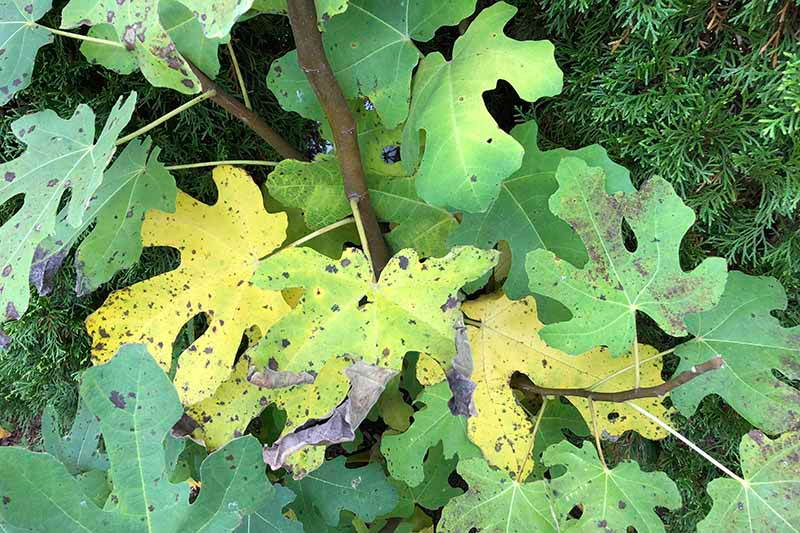
- First check soil moisture swings and drainage. Then consider nutrition and, if spotting is present, fig rust management and sanitation.
Safety Note
The milky sap (latex) in leaves, stems, and unripe fruit can irritate skin and upset pets. Wear gloves when pruning and keep prunings away from animals.
Why This Works
Figs are famously forgiving, drought-tolerant once established, and respond beautifully to pruning and training. In Zones 6–7, the trick is not brute force but finesse: capture heat, keep the framework low, protect the wood you can, and choose cultivars that finish early. Get those pieces right, and a main crop of sweet, sun-warm figs is not just possible—it’s likely.