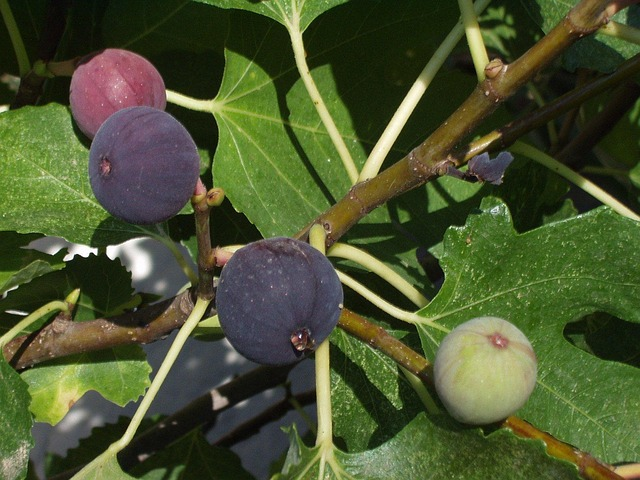
If you grow Ficus carica (the common fig), you know the joy of warm, honeyed fruit and the heartbreak of leaves turning yellow, rust racing through the canopy, or a bird party at peak ripeness. Here’s your rapid‑fire, no‑nonsense playbook to prevent the usual fig fiascos, lean on organic controls first, and know exactly when to reach for copper.
First, set the stage for a low‑trouble fig
A healthy, well-sited fig shrugs off most problems.
- Sun and heat: Full sun, 6–8+ hours daily. Loves long, hot summers.
- Soil: Draining is non‑negotiable; pH 6.0–7.5. Raised beds or mounds in heavy soils.
- Water: Deep and infrequent once established; keep moisture steady while fruit swells. Never soggy.
- Airflow: Space branches; avoid dense, shaded corners where humidity lingers.
- Sanitation: Remove fallen leaves and dropped or split fruit promptly.
- Cold: USDA 7–10 typically (some tougher selections manage 6 with protection). Winter dieback can invite borers—prune out dead wood.
- Container tip: Figs are container‑friendly. Big pot, great drainage, steady watering. Move to shelter in freezing zones.
- Safety: Fig latex (milky sap) can irritate skin. Wear gloves while pruning.
Rapid‑fire troubleshooting: symptoms, causes, fixes
Leaf yellowing (fast triage)
- Most common causes
- Water swings: Soggy roots or bone‑dry spells. Check drainage and adjust watering rhythm.
- Nutrition: Low nitrogen (older leaves yellow), or iron chlorosis (new leaves yellow with green veins in alkaline soils).
- Disease: Rust often starts as tiny yellow‑green flecks; mosaic virus shows mottled, patchy patterns.
- Fix it now
- Probe moisture 5–8 cm (2–3 in) down; correct over/underwatering.
- Top‑dress with compost; feed in early spring with a balanced fertilizer (e.g., 8‑8‑8 or 10‑10‑10). Don’t overdo N or you’ll get leaves over fruit.
- If interveinal chlorosis on new growth, check pH and consider chelated iron.
- Inspect for rust spotting; jump to rust section if present.
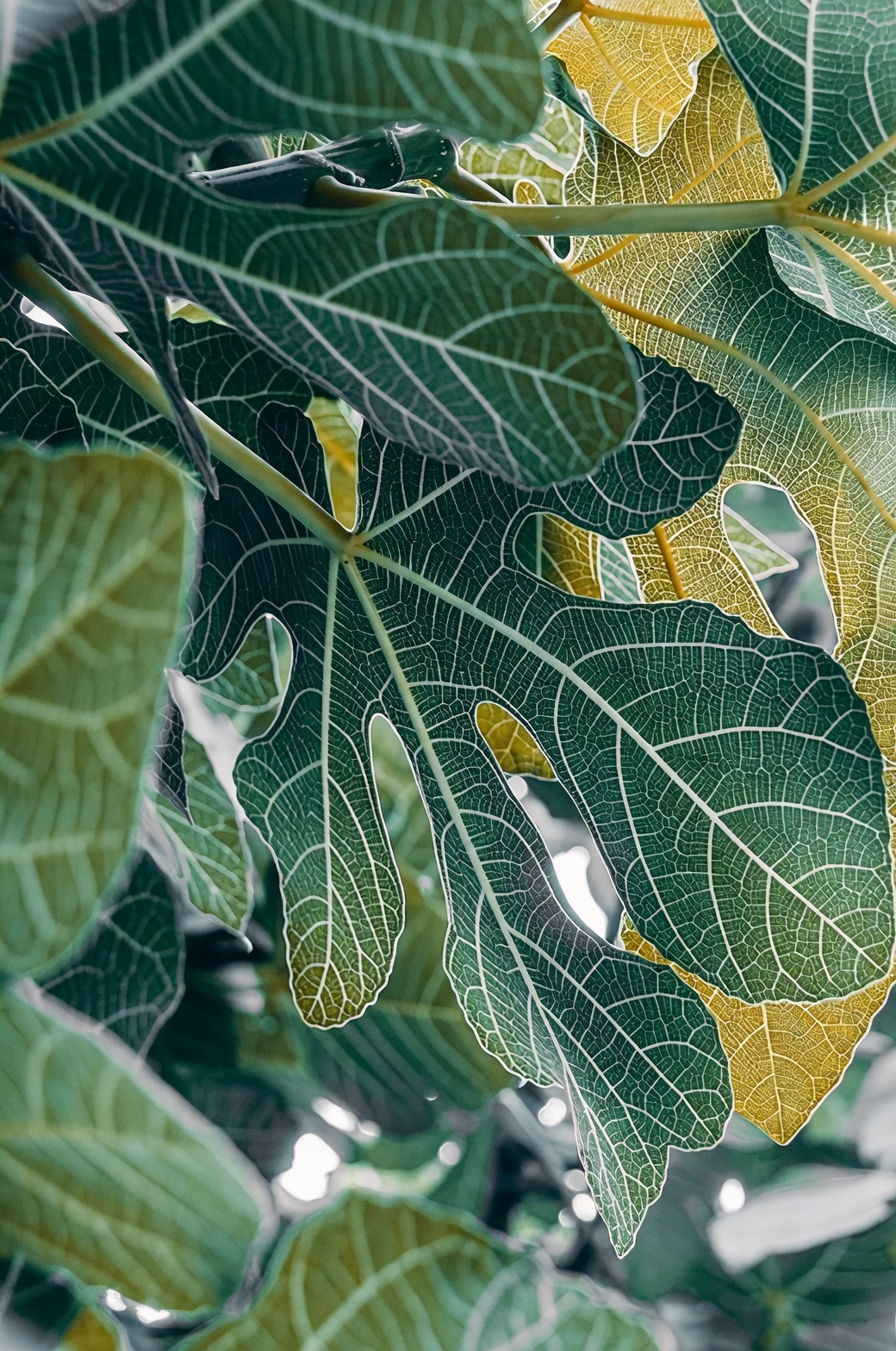
Fig rust (Physopella fici)
- Spot it
- Tiny, angular, yellow‑green flecks that turn yellow‑brown; reddish margins.
- Smooth above; blistery below with brown spores. Rapid defoliation in 2–3 weeks under pressure.
- Prevent it
- Prune for airflow; avoid overhead watering.
- Keep area clean: remove fallen leaves promptly.
- Choose proven performers for humid regions; many gardeners find ‘Celeste’ stays reliable.
- Organic controls
- Start early: As the first flush of leaves fully expands in spring, begin protective sprays if rust is a yearly visitor.
- Biofungicides: Products based on Bacillus species (e.g., B. subtilis or B. amyloliquefaciens) can suppress early infections with repeat coverage.
- Sulfur can help preventatively in mild weather; avoid use in high heat to prevent leaf burn.
- When to use copper
- If you’ve got a history of rust and spring is wet/humid, or if 10–20% of leaves show active lesions and defoliation is starting.
- Timing cue: Begin after the first leaves are fully grown; repeat per label during wet spells.
- Critical caution: Do not spray when fruit is pea‑to‑¼‑inch size, as residues make fruit unattractive. Resume after harvest if needed.
- Follow all label directions and local regulations; copper can cause phytotoxicity in heat and accumulates in soil—use only when justified.
Anthracnose on fruit and leaves (Glomerella/Colletotrichum)
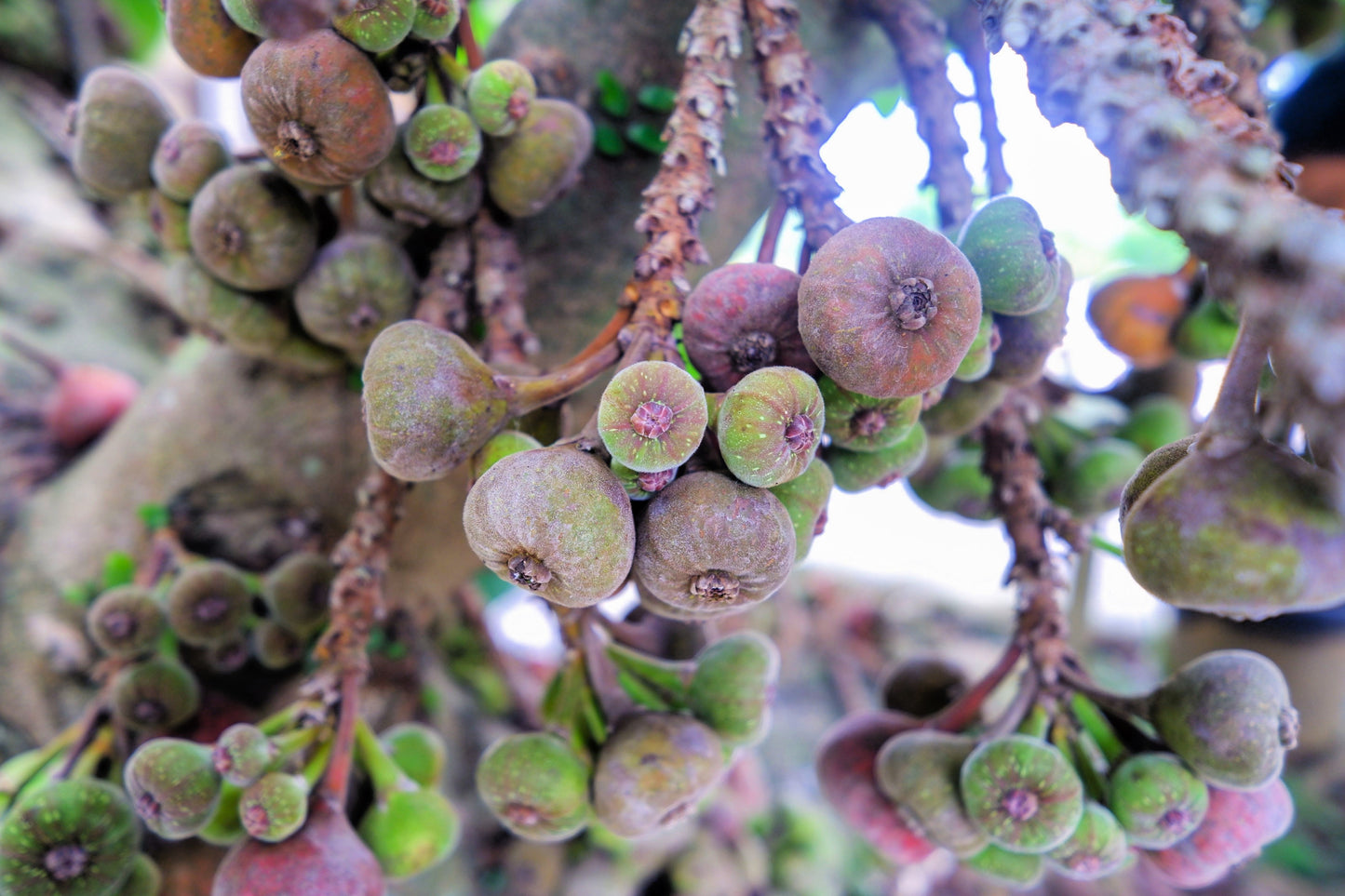
- Spot it
- Fruit with small, sunken, discolored spots that expand and can ooze pinkish spore masses; soft rot; premature drop.
- Leaves with darkened margins and eventual defoliation.
- Prevent it
- Sanitation: Remove mummified fruit and infected leaves; harvest promptly.
- Water management: Avoid canopy wetting and maintain even soil moisture (splits invite infections).
- Open canopy with winter pruning.
- Organic controls
- Rotate biofungicides (Bacillus-based) from early season; thorough coverage matters.
- When to use copper
- Escalate if fruit lesions are multiplying despite sanitation and biofungicides, especially in rainy stretches.
- As with rust, avoid spraying copper on tiny developing fruit; resume post‑harvest if pressure persists.
Nematodes (root pests)
- Spot it
- Stunted growth, midday wilt despite adequate moisture, poor fruiting.
- Uproot a small feeder root: look for swellings/galls and sparse fine roots.
- Prevent it
- Plant in well‑drained soils; build raised beds in sandy nematode‑prone sites.
- Before planting: Soil solarization (clear plastic 4–6 weeks in peak summer) can knock back populations.
- Pre‑plant cover crops: Marigolds (Tagetes spp.) and biofumigant mustards incorporated before figs help reduce pressure.
- Rich organic matter feeds beneficial microbes that antagonize nematodes.
- Organic controls for established trees
- Mulch well; keep trees vigorous with correct watering and nutrition.
- Consider container culture if your ground is chronically infested.
- Some biological nematode suppressants (e.g., products with Purpureocillium lilacinum or Bacillus firmus) may help; results vary and require repeated use.
Borers and carpenterworms
- Spot it
- Wilting shoots, sudden dieback of a branch, or sawdust‑like frass and oozing at trunk/limb entry holes.
- Prevent it
- Keep trees stress‑free: proper watering, avoid injuries, and promptly prune out winter‑killed wood.
- Winter/late‑dormant pruning: Remove and destroy infested limbs (cut well below the gallery).
- Paint the sun‑exposed trunk with interior white latex (diluted) to reduce sunscald and may deter egg‑laying on stressed bark.
- Keep trunk bases weed‑free and dry; don’t pile mulch against bark.
- Organic controls
- Physical removal: Probe galleries with flexible wire to kill larvae where feasible; then cleanly prune and dispose of infested wood.
- There are few dependable organic sprays once larvae are inside wood—sanitation and pruning are your best bets.
Sap beetles (nitidulids) and souring fruit
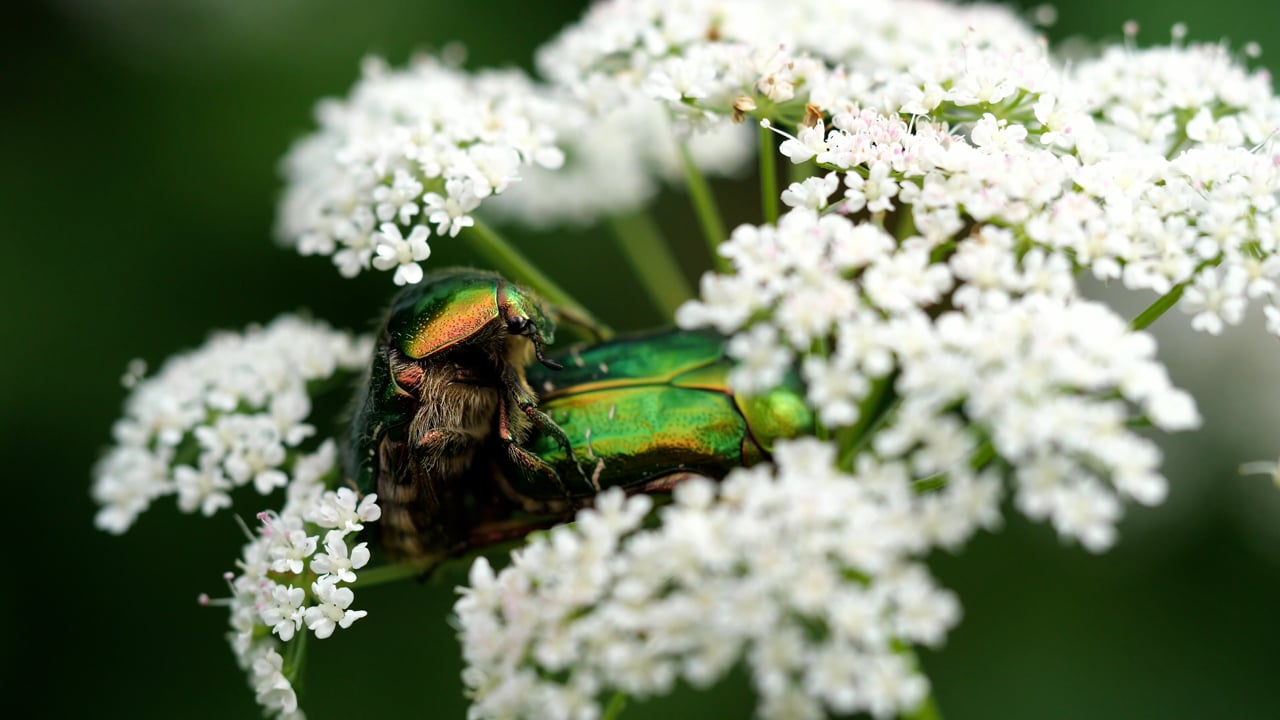
- Spot it
- Small beetles swarming split or overripe figs; “vinegary” smell; oozing fruit.
- Prevent it
- Harvest daily at peak; don’t let fruit overripen on the tree.
- Fix water swings that cause splitting; protect trees from sudden deluges if in containers (move under cover).
- Sanitation: Remove all dropped, split, or sour fruit fast.
- Organic controls
- Baited traps (outside the canopy): shallow containers with overripe fruit + vinegar/wine + drop of soap to drown beetles. Empty frequently.
- Fine mesh/organza bags over nearly ripe figs can deter beetles and wasps.
Bird theft
- Prevent it
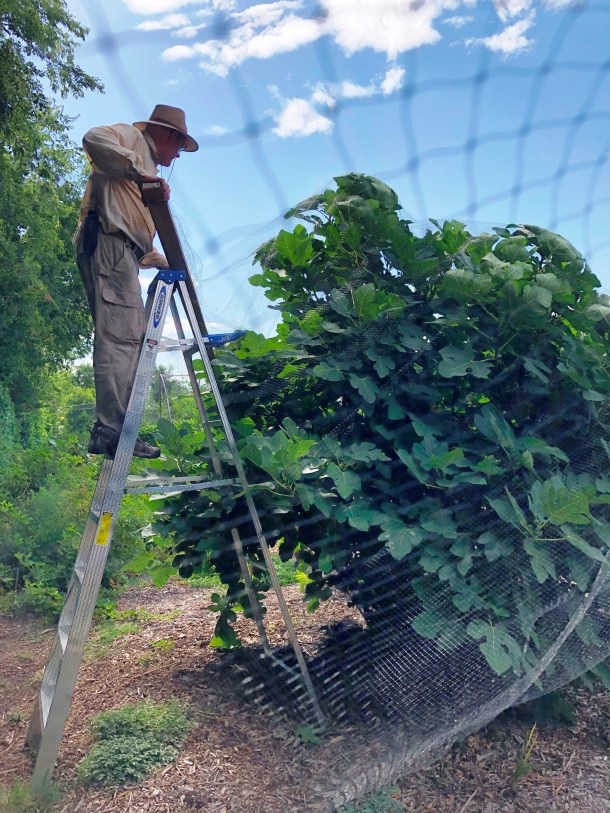
- Netting: Drape ½‑inch (or smaller) mesh over the canopy before fruit colors; clip or tie it snugly so birds can’t sneak underneath.
- Individual fruit bags work on smaller trees.
- Plant choice: Green‑when‑ripe cultivars can be less obvious to birds.
- Rotate scare tactics (reflective tape, moving silhouettes) as short‑term helpers; netting does the heavy lifting.
Your organic toolbox (what to use, when)
- Cultural backbone: Pruning for airflow, strict sanitation, steady moisture, and full sun prevent most issues.
- Biofungicides (Bacillus spp.): Best as preventatives or at first symptom for rust/anthracnose; repeat at label intervals.
- Sulfur: Preventative for foliar fungi in mild weather; avoid use during high heat.
- Traps and bags: Vinegar/wine traps for sap beetles; organza/fine‑mesh bags for fruit; full-canopy netting for birds.
- Soil building: Compost, mulches, and pre‑plant cover crops reduce nematode stress over time.
Exactly when to reach for copper
- Disease history plus weather risk: Annual rust or anthracnose + a wet/humid forecast.
- Threshold: Roughly 10–20% of foliage with active rust spots or fresh anthracnose lesions on early fruit despite sanitation and biofungicides.
- Timing and safety
- Begin when first leaves are fully expanded; repeat per label through wet periods.
- Do not spray while fruit is very small (around pea‑to‑¼‑inch size) to avoid visible residues; resume after harvest if needed.
- Mind heat: Copper can burn foliage in hot conditions; test a small area first.
- Always follow the label and local regulations.
A simple seasonal rhythm
- Late winter/early spring (dormant to budbreak)
- Prune to open the canopy; remove dead/diseased wood.
- Feed lightly as growth starts if vigor was low last year.
- In rust‑prone sites, plan early protective sprays after leaves fully expand.
- Spring to early summer
- Keep moisture even as fruit swells; mulch to buffer swings.
- Begin netting/bagging as fruit approaches ripeness.
- Harvest promptly; sanitize daily.
- Mid to late summer
- Continue harvest and sanitation; manage sap beetles with traps outside the canopy.
- Watch for rust and anthracnose; escalate controls if thresholds hit.
- Fall
- Final harvest; remove mummies and fallen leaves.
- Ease off watering as growth slows; prepare containers for winter protection.
- Winter
- In cold zones, protect or move containers to shelter; water sparingly while dormant.
Quick answers to common “uh‑oh” moments
- Yellowing leaves on a potted fig? Check drainage first; figs hate wet feet. Let the top 2–3 inches dry before watering again. If growth is weak, feed lightly next spring.
- Fruit splitting before ripening? Moisture swings or sudden rain after drought. Mulch and water consistently; shelter container figs from downpours.
- Leaves spotted and dropping fast in summer? Likely rust. Sanitize, improve airflow, start biofungicide; consider copper if spread continues.
- Soft, sunken patches with pinkish ooze on fruit? Anthracnose. Remove infected fruit, avoid wetting foliage, improve air, and rotate protective sprays; copper if severe.
Symbolism side note
Fig trees have long symbolized prosperity, fertility, peace, and abundance—fitting for a plant that hides its tiny “flowers” inside each fruit and then overwhelms you with sweetness. Flower‑language traditions are cultural, not botanical law, but the fig’s deep roots in Mediterranean and West Asian history make those meanings feel earned.
Grow your fig bold and bright, keep the canopy breathing, harvest like a hawk, and you’ll turn the usual culprits—rust, rot, borers, beetles, and birds—into mere footnotes to a season of sweet success.