

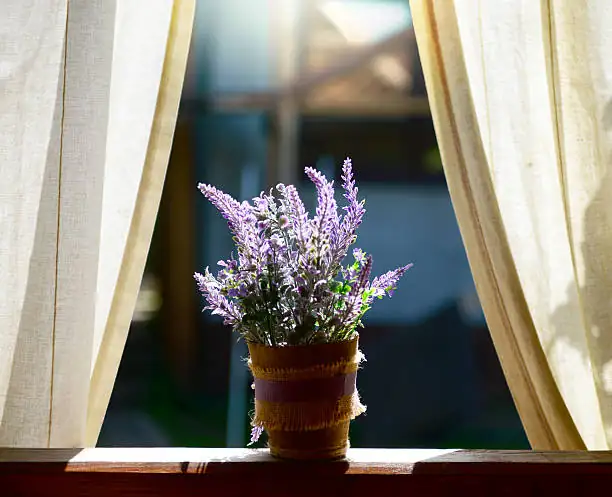
Bend close, and you’ll catch it—the whisper-sweet perfume that made Sweet Violet the crush of poets and perfumers. Viola odorata is tiny but mighty, forming plump, fragrant tussocks that thrive in pots if you play to its woodland tastes: cool light, steady moisture, and gentle handling. Here’s your small-space game plan for lush leaves and a spring flush of scented blooms.
Sweet Violet in a pot: what it wants (quick profile)
- Light: Bright, indirect to dappled light; partial to full shade outdoors. Avoid harsh, hot sun, especially in the afternoon.
- Temperature: Cool-growing, happiest around 15–20°C (60–70°F). It’s very cold hardy outdoors but prefers protection from extreme exposure in pots.
- Humidity: Moderate to high, with evenly moist—not soggy—soil.
- Soil: Rich, humus-heavy, well-draining mix; pH near neutral (6.0–7.0).
- Habit: Low (about 5–15 cm/2–6 in), spreading by short rhizomes and creeping runners (stolons).
Cool-light placement for small spaces
Think “woodland nook,” not “desert window.” You want light bright enough to read by but not hot enough to bake leaves.
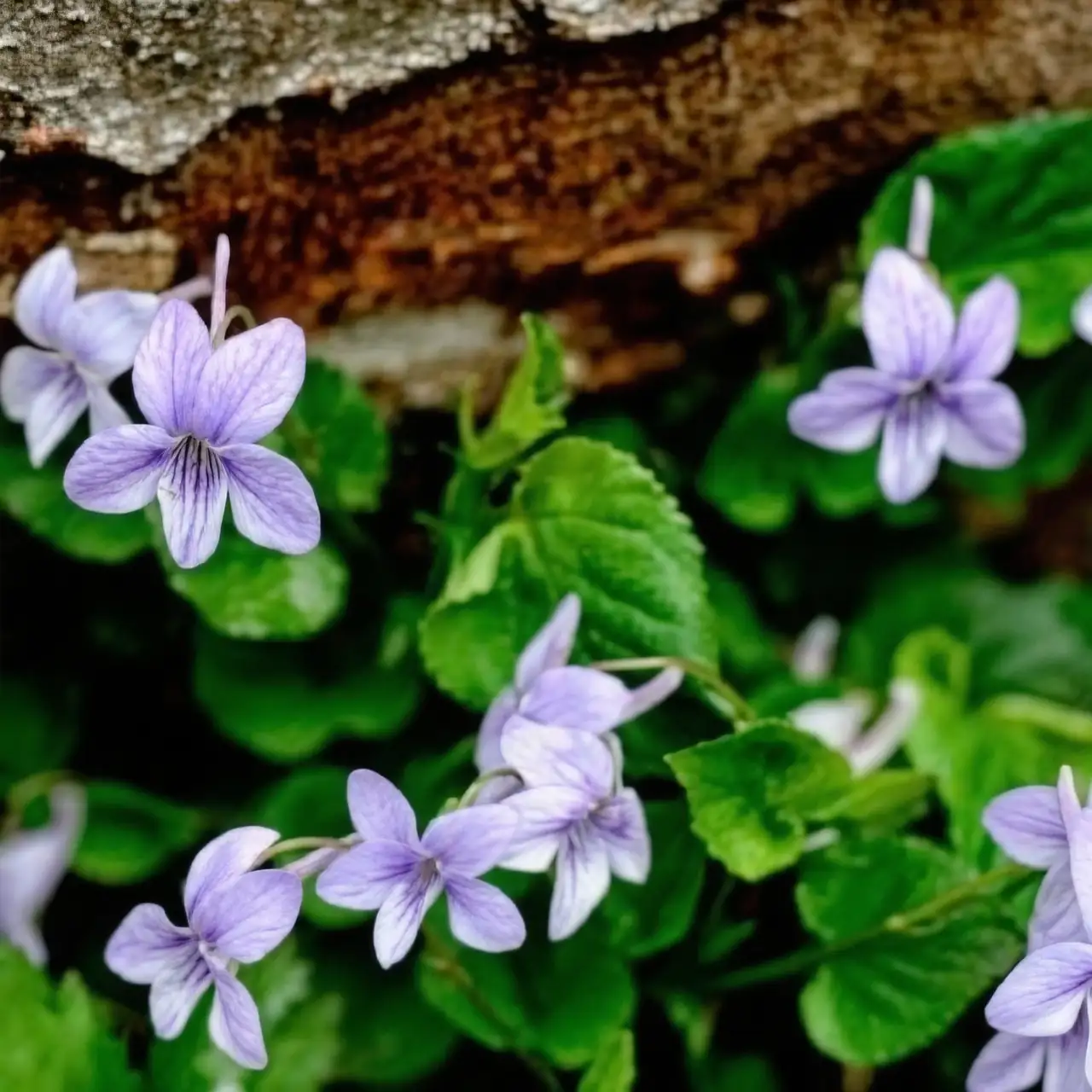
Indoors
- Best windows: East or bright north windowsills. In south or west windows, pull the pot back 1–2 feet or diffuse with a sheer curtain.
- Drafts and heat: Keep off radiator ledges and away from heat vents; cool air near a window is a plus if it isn’t a blasting draft.
- Grow lights: Use a cool-white or daylight LED (5000–6500K) placed high enough to avoid warming leaves. 12–14 hours daily mimics bright shade. Keep airflow gentle under lights.
Balcony, patio, or stoop
- Morning light only; give afternoon shade. Tuck violets under the fringe of taller pots, a café table, or a shelf for soft, filtered light.
- Summer: If heat spikes, slide the pot to deeper shade and keep roots cool (see double-pot tip below).
- Winter: In Zones 3–9 they’re hardy; in containers, protect from fierce wind and freeze–thaw by placing against a sheltered wall or in a cold frame.
Humidity without sogginess (small-space tricks)
- Pebble tray: Set the pot on pebbles in a low tray of water; the pot base must sit above the waterline.
- Grouping: Cluster with other plants to create a moist microclimate.
- Cachepot double-pot: Nest the nursery pot inside a slightly larger decorative pot. The air gap buffers heat and helps hold humidity; add a little moistened sphagnum around the inner pot if air is very dry.
- Skip daily misting: Wet leaves invite mildew. Aim for moisture at the roots plus good airflow.
Bottom-watering for pristine blooms
Violets dislike water-dotted petals and soggy crowns. Bottom-watering also encourages deeper, steadier root moisture.
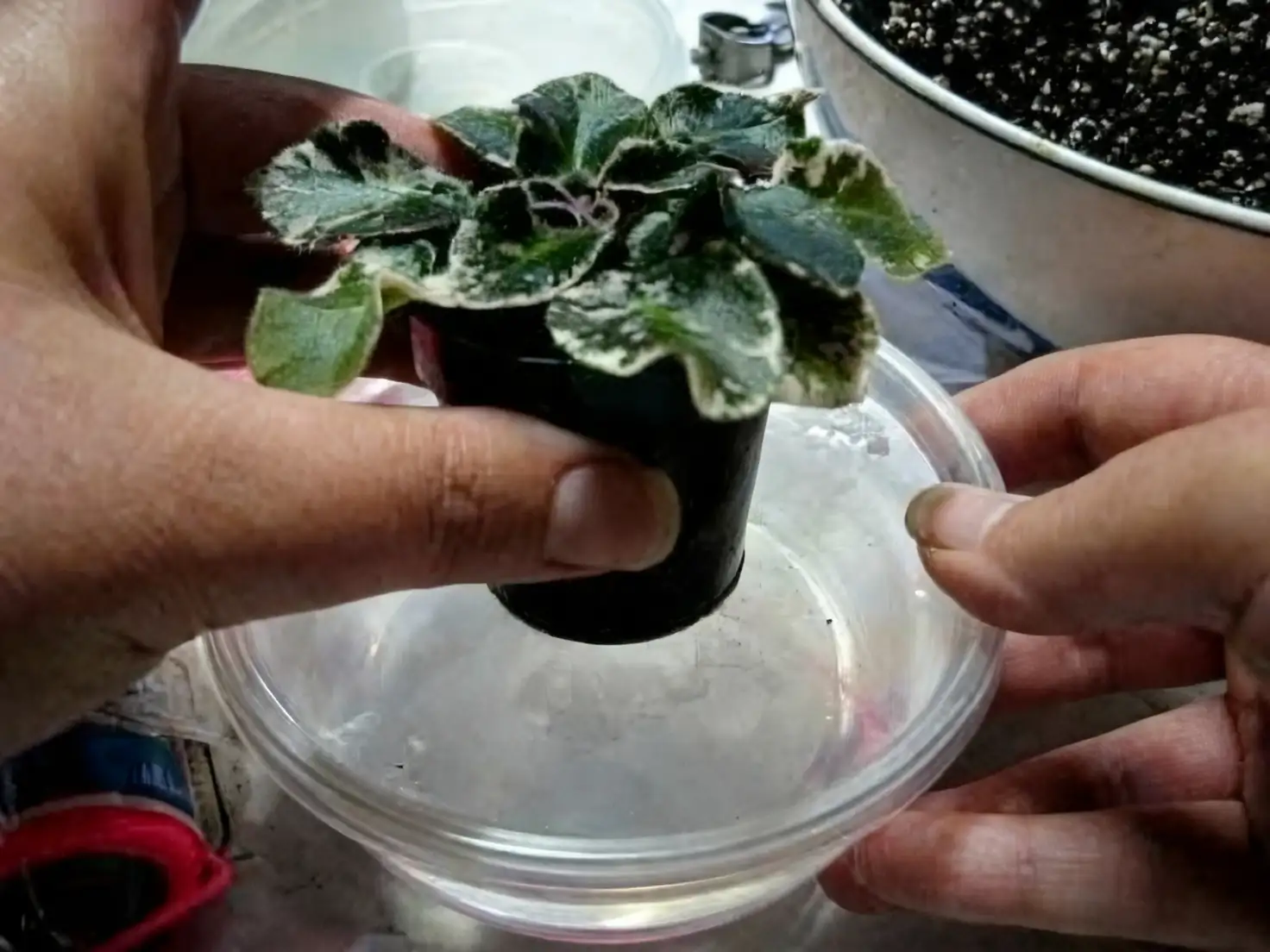
Step-by-step
- Fill a saucer or basin with water to about 1/3 the height of the pot.
- Set the pot in for 10–20 minutes until the top feels evenly damp.
- Drain thoroughly; never leave the pot standing in water.
- Do a gentle top-water once every 4–6 weeks to flush salts, then drain well.
How often?
- Let the top 1–2 cm (½–¾ in) of mix dry slightly between waterings. In cool rooms, that might be weekly; in warm, dry rooms, it could be every few days. Train your hand by lifting the pot—light means it’s time.
Pot, mix, and the 12–18 month repot rhythm
Violets bulk up into soft clumps and like a rich, springy mix with excellent drainage.
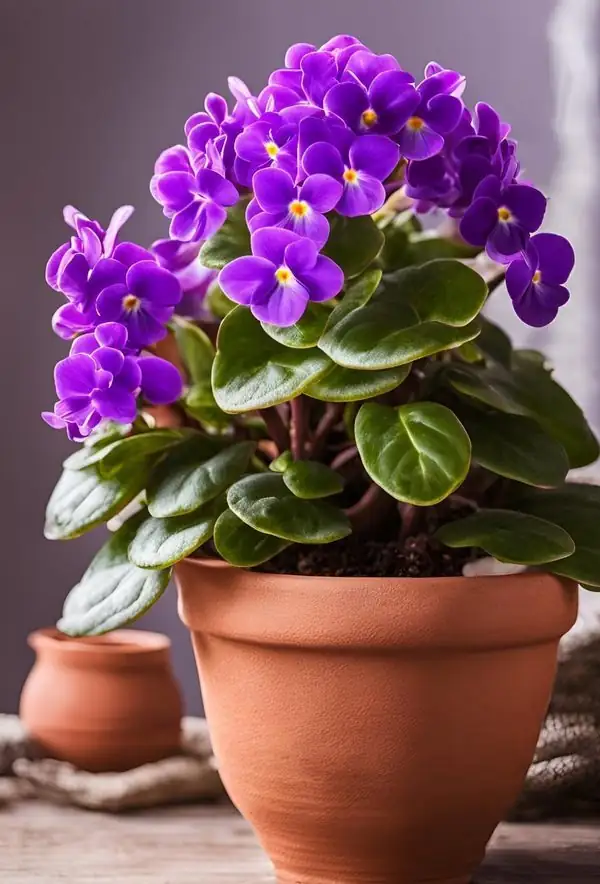
- Pot shape: Choose a low, wide pot (they knit into mats). Ensure ample drainage holes. Unglazed clay breathes and keeps roots cooler.
- Root-cooling hack: In summer, slip your violet’s pot into a slightly larger one with a bit of damp bark or perlite between—instant heat buffer.
- Mix recipe (peat-free friendly):
- 2 parts high-quality compost or leaf mold
- 1 part fine bark or coco chips
- 1 part perlite or pumice
- A pinch of garden lime only if your base is very acidic; target pH 6–7
- Repot cadence: Every 12–18 months (early spring is ideal). This sits neatly in the plant’s recommended 1–2 year container rhythm.
- Signs it’s time: Crowded crowns, fewer flowers, soil crusting or shrinking, roots circling.
- Method: Unpot gently, tease apart obvious runner-formed offsets, and refresh into only one pot size up. Keep crowns at the same level—no burying.
- Bonus: Pot up runner divisions around the rim for an instant full “tussock” effect.
Feeding for fragrance and bloom
- Spring top-dress: 1–2 cm of compost, or a balanced slow-release fertilizer.
- Active growth: A diluted liquid feed every 10–15 days. Nudge phosphorus and potassium slightly higher during bud and bloom.
- Pause in heatwaves: Plants may semi-dormant in high heat—feed lightly or not at all until cool returns.
Grooming for dense, perfumed tussocks
- Deadhead: Snip spent flowers at the base to tidy and coax more.
- Leaf refresh: In autumn, trim tired foliage and thin congested patches to boost airflow and reduce disease.
- Pin runners: Tuck or pin stolons back into bare spots in the pot to thicken the clump.
- Rotate: Quarter-turn the pot weekly for even growth.
Troubleshooting quick guide
- Wilting flowers or crispy edges:
- Likely heat or dry mix. Move to cooler, shadier light and bottom-water thoroughly.
- Yellowing, limp leaves:
- Overwatering or poor drainage. Let the surface dry slightly between waterings; upgrade to a chunkier mix if needed.
- Powdery mildew or leaf spots:
- Improve airflow, avoid wet leaves, remove affected foliage. Use a suitable fungicide if needed.
- Aphids or spider mites:
- Rinse off gently, then treat with insecticidal soap or neem. Keep humidity moderate and never let plants languish dusty-dry.
- Slugs/snails (outdoors):
- Night patrols, copper tape on pot rims, or iron phosphate baits.
Edible, safe—and that disappearing scent
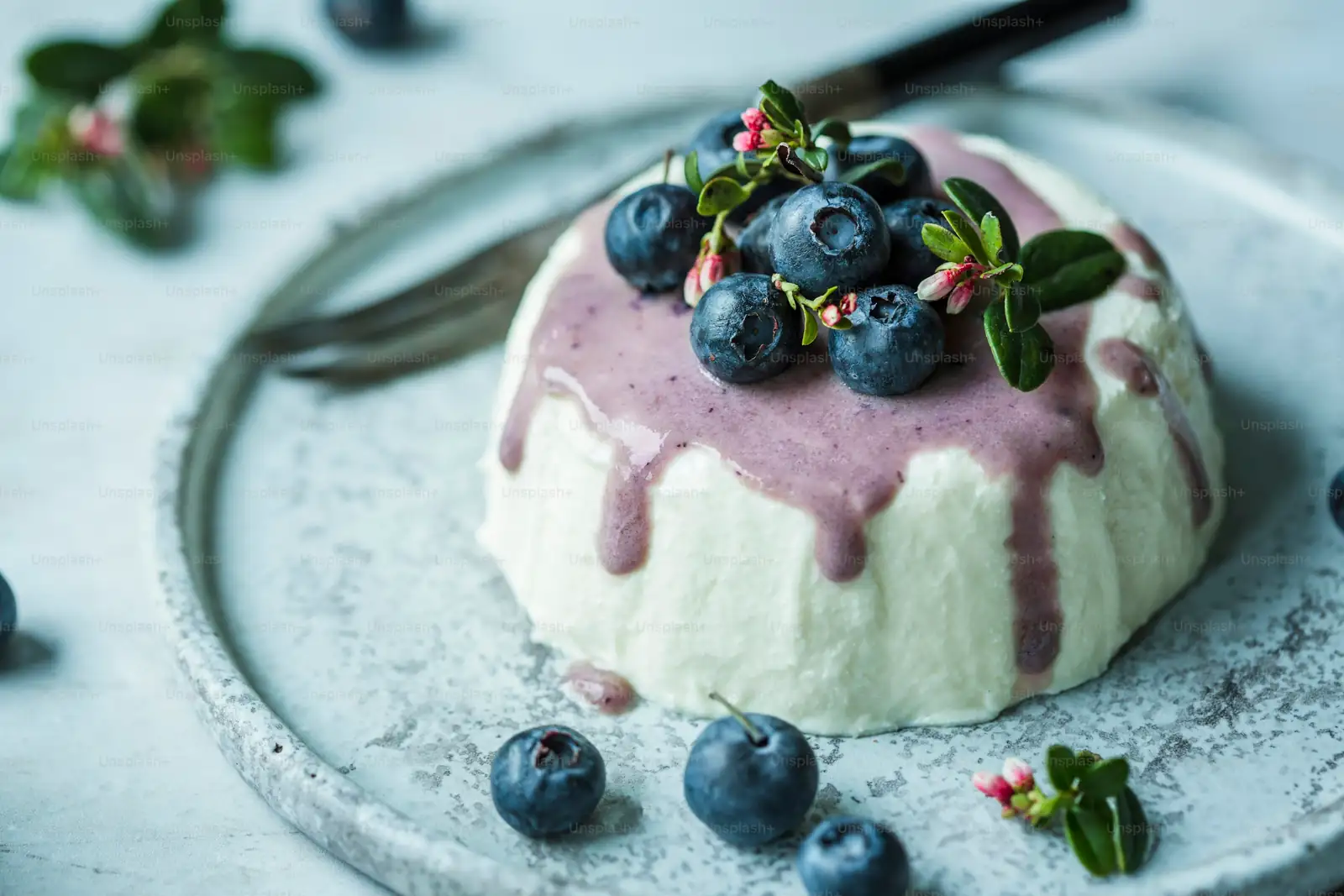
- Edible parts: Flowers and young leaves are culinary darlings for teas, salads, or old-fashioned candied violets. Avoid the roots (they can cause nausea).
- Non-toxic: Generally safe for people and pets.
- Why the fragrance “vanishes”: Blooms contain beta-ionone, which briefly numbs scent receptors—your nose “forgets,” then the perfume returns minutes later.
Why violets speak of modesty and devotion
In classical myth and through the Victorian language of flowers, violets symbolized modesty, faithfulness, and remembrance—small blooms held close to the ground yet unforgettable in scent. Their shy, nodding flowers and early-spring timing fed the idea of humble constancy and love that lingers even after absence. Today, gifting a viola bloom still quietly says “I’m true, and I remember.”
A mini seasonal calendar for containers
- Spring (Mar–May): Peak bloom. Keep evenly moist, feed lightly, deadhead often. Repot/divide runners early in the season if needed.
- Summer (Jun–Aug): Shift to deeper shade and cool footing. Plants may idle in strong heat; water to keep roots just moist, not drenched.
- Autumn (Sep–Nov): Trim old foliage, divide and reset crowded clumps, enjoy possible light rebloom.
- Winter (Dec–Feb): Top growth may rest back. In cold regions, pots outside need shelter from brutal wind and freeze–thaw. Minimal water, just preventing complete dry-out.
Small-space success checklist
- Light: Bright, cool, indirect; shelter from hot sun.
- Moisture: Bottom-water; keep evenly moist, never sopping.
- Humidity: Pebble tray + plant grouping; no daily misting.
- Mix: Rich, springy, well-drained; pH 6–7.
- Pot: Low, wide, breathable, excellent drainage.
- Rhythm: Repot and refresh every 12–18 months in early spring.
- Grooming: Deadhead, thin in autumn, pin runners for a plush mat.
- Pests/disease: Watch aphids, mites, and mildew; prioritize airflow and clean watering.
Give Viola odorata a cool seat, a drink from below, and a little breathing room, and it will repay you with compact mounds of heart-shaped leaves and those unforgettable, early-spring whispers of perfume.


