

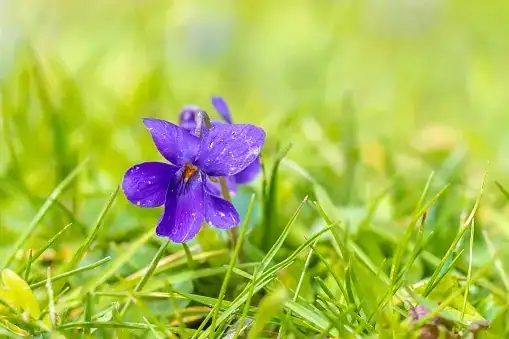
Violets have always whispered rather than shouted. In a world of showy tulips and extroverted roses, Viola odorata—sweet violet—keeps close to the ground, lowers its gaze, and perfumes the air before you spot it. That very shyness seeded a rich “language” for violets in classical Europe and blossomed into full Victorian floriography: modesty, faithfulness, remembrance, and pure love. Here’s how a small woodland flower came to carry such large meanings—and how those meanings still guide gifting and memorials today.
Meet the flower that inspired a language
- Botanical identity: Viola odorata (sweet violet), family Violaceae; also called Common, English, Garden, Florist’s, or Wood Violet.
- Native range: Europe, North Africa, and West Asia, with a strong presence around the Mediterranean and southern Europe.
- Habit and look: A low, spreading perennial (about 5–15 cm tall) that carpets shade with deep-green, heart-shaped leaves and small five-petaled blooms in deep purple to violet-blue, sometimes white or pale lavender. Flowers often nod and carry a classic spur.
- Season and scent: An early spring bloomer (March–May), sometimes with a modest autumn encore. Many forms are richly fragrant—the “true violet” perfume.
- A quiet bonus: Flowers and young leaves are edible; historically used in teas, candies, and perfumery.
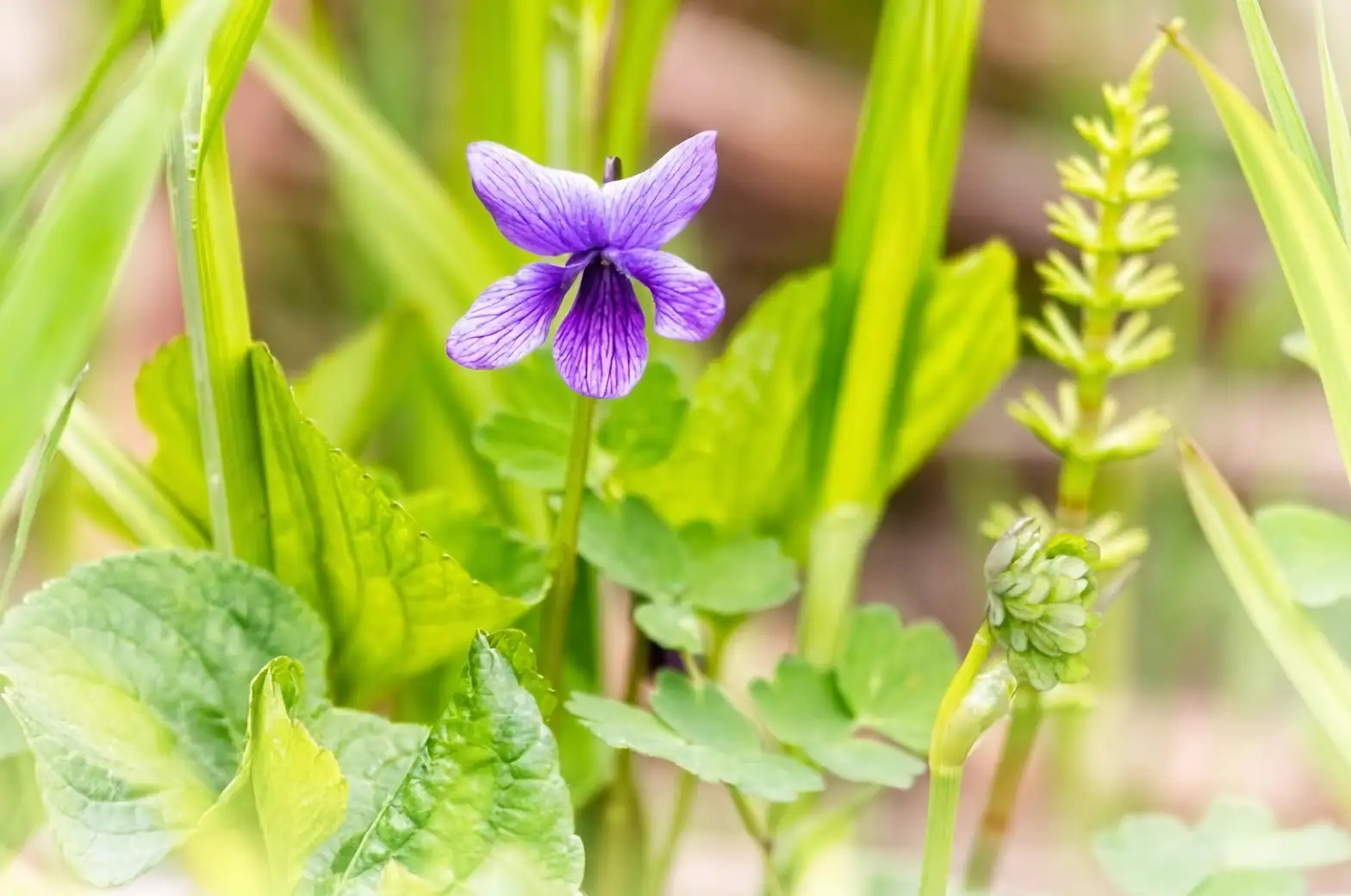
Those humble traits—nodding flowers, woodland preference, early spring timing, and a fragrance that seems to arrive before the plant itself—are the roots of its symbolism.
How modesty and faithfulness took root
In classical Europe: myth, manners, and the woodland gaze
Ancient Greeks and Romans celebrated violets in myth and poetry. One enduring tale places violets among the spring flowers Persephone was gathering at her abduction—forever tying violets to seasonal return and remembrance. Greek lyric poetry, including Sappho’s imagery of violet garlands and soft beds strewn with blooms, linked violets with tenderness and love.
From these beginnings, violets absorbed meanings that matched their form and ecology:
- Modesty: The flower bows its head and grows low to the ground, almost as if curtseying. In visual codes across Europe, a downward-facing bloom became a natural emblem of humility.
- Faithfulness and devotion: Violets reappear dependably at winter’s end, returning to the same shady haunts year after year. Their perennial, colony-forming habit reads as steadfast presence.
- Remembrance: Spring return, woodland quiet, and their role in funerary garlands connected violets to memory—both fond and mournful.
The plant itself suggested the message
- Nodding blooms = discretion. Averted blossoms feel private, never brazen—perfect for conveying unboastful love.
- Heart-shaped leaves = affectionate intent. The plant is practically leafing hearts.
- Early spring bloom = constancy. Violets are among the first to keep faith with the turning year.
- Hidden fertility = secrets kept. Sweet violet produces cleistogamous (non-opening) flowers that self-pollinate out of sight—an almost allegorical nod to quiet bonds and confidential promises.
The Victorian code: floriography and the violet
By the 19th century, the “language of flowers” matured into a social art. Tussie-mussies (small nosegays) and floral dictionaries let people send shaded messages within a restrictive etiquette. Violets had starring roles:
- Core meanings:
- Modesty
- Faithfulness/loyalty
- Devotion and pure love
- Remembrance
- Color nuance:
- Purple violets = loyalty and steadfast affection
- White violets = innocence and purity
- Parma violets (cultivated forms of Viola odorata prized for perfume) became fashionably pinned at the throat or tucked in hand—elegant shorthand for faithful love without a single spoken word.
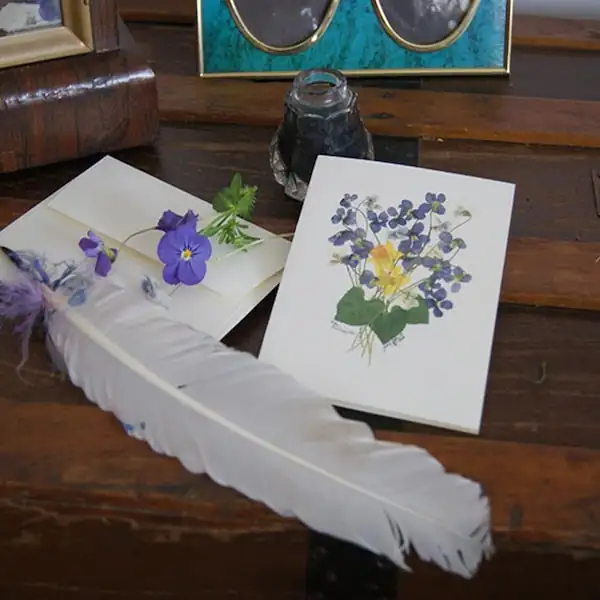
Floriography often mirrored Ottoman selam traditions and drew on a long pan-Eurasian history of symbolic botany. But the Victorians, inveterate systematizers, codified it with gusto—and violets fit its sensibility perfectly.
The perfume that vanishes—on purpose
Violet fragrance carries a party trick: beta-ionone, a key aroma compound, temporarily numbs specific scent receptors. After a few inhalations, the perfume “disappears,” only to return minutes later. In an age fascinated by sensation and spirit, this vanishing act fed the mystique of violets—elusive, intimate, and never overpowering.
Violets in literature, politics, and remembrance
- Shakespeare’s violets: He used them as emblems of humility, truth, and fleeting beauty. In Hamlet, Ophelia laments, “I would give you some violets, but they withered all when my father died,” twining violets with fidelity and grief. The Winter’s Tale also nods to their vernal innocence.
- Napoleon and Joséphine: Both adored violets. Pressed violets from Joséphine’s grave were reportedly found in Napoleon’s locket—a poignant artifact of remembrance and enduring devotion.
- Museums and art: Renaissance portraits often include violets as visual shorthand for modesty and chaste love. Parma violets decorate late-19th-century botanical plates as the height of cultivated elegance.
- A quiet queer lineage: Because classical lyric poetry (especially Sappho) entwines violets with same-sex desire and tenderness, the flower has quietly carried queer symbolism—a discreet blossom honoring private love with public grace.
Why violets work so well in memorials
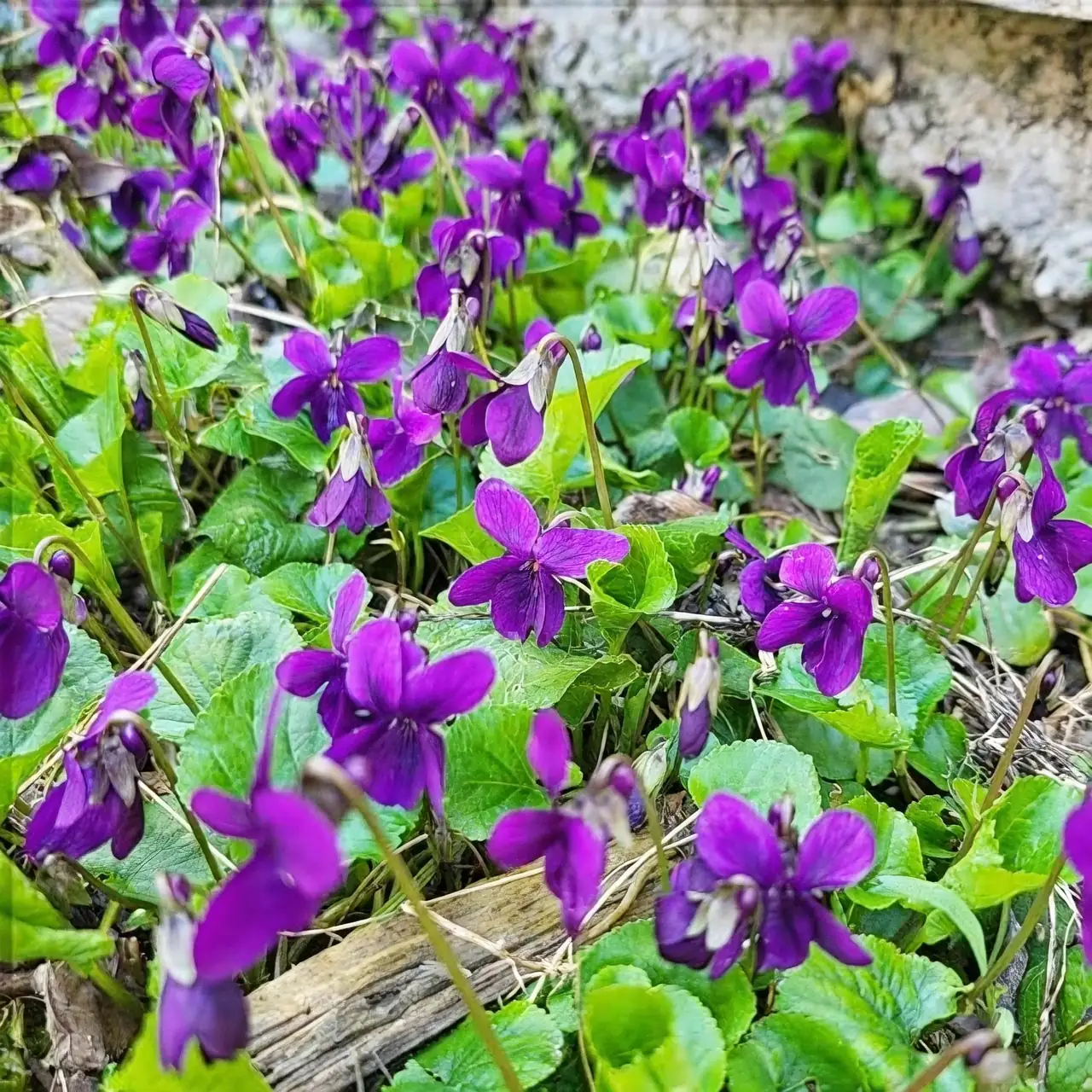
- Symbolic fit: Remembrance and faithful return align with honoring the departed.
- Cultural recognition: European funerary traditions long used violets as grave plantings or nosegays—gentle, fragrant, and renewing each spring.
- Practical grace: A hardy, shade-loving ground cover that softens stone with living color without demanding fuss.
Modern gifting etiquette with sweet violets
- When to give:
- Anniversaries and promises kept (faithfulness)
- New beginnings, spring events, graduations (modesty and pure intent)
- Condolences and commemorations (remembrance)
- Subtle romantic gestures (devotion without grandstanding)
- Choose your hue:
- Deep purple: loyalty and steadfastness
- White or pale lavender: innocence, sincerity, and gentle affection
- Format matters:
- A small tussie-mussie of violets speaks softly and traditionally.
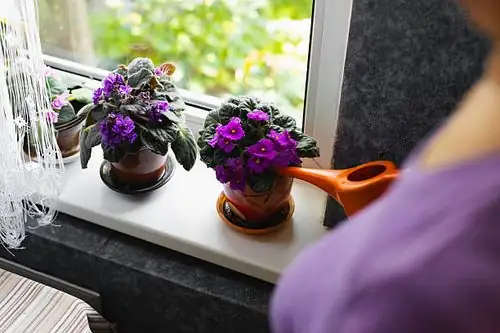
- A potted sweet violet plant offers lasting symbolism—returning bloom after bloom in shady windows or gardens.
- Edible touches: candied violet petals or a tin of violet pastilles nod to history and fragrance without overwhelming a recipient.
- Pairings that amplify the message:
- With fern fronds for humility and grace
- With myrtle or rosemary to deepen devotion and remembrance
- With snowdrops for hope at winter’s end
- Grace notes:
- Mention their disappearing scent as a charming secret.
- For friends attuned to LGBTQ+ history, violets can be a quiet, respectful wink to lineage and love.
A quick botanical sidebar for the symbolism-minded
- Growth habit: Low, mat-forming perennial spreading gently by stolons—perfect for woodland edges, under shrubs, or shady borders.
- Bloom: Early spring (sometimes again in autumn), small nodding flowers with darker veining; strongly fragrant in many forms.
- Habitat preference: Partial to full shade, cool conditions, and humus-rich, evenly moist soil.
- Edibility and safety: Flowers and young leaves are edible and traditionally used in sweets and teas; generally non-toxic to people and pets. Avoid the roots.
The small flower with staying power
From ancient garlands to Victorian nosegays and modern memorial plantings, Viola odorata has kept the same, consistent promise: to appear faithfully at the edge of winter with its head modestly bowed, carrying love and memory in a fragrance that slips in and out of perception like a half-remembered song. That is why violets still feel right when an extravagant bloom would be too loud. They speak in the old language—quietly, beautifully, and to the point.
Further delightful tidbits
- Many “violet” state flowers in the U.S. honor the genus broadly; violets symbolize regional pride in Illinois, New Jersey, Rhode Island, and Wisconsin.
- True violet absolute is famously scarce and costly; modern perfumery often uses ionone-rich accords to evoke that tender, powdery-green scent.
- Sweet violet’s hidden, self-pollinating flowers help it naturalize discreetly—an echo of floriography’s secret messages.


