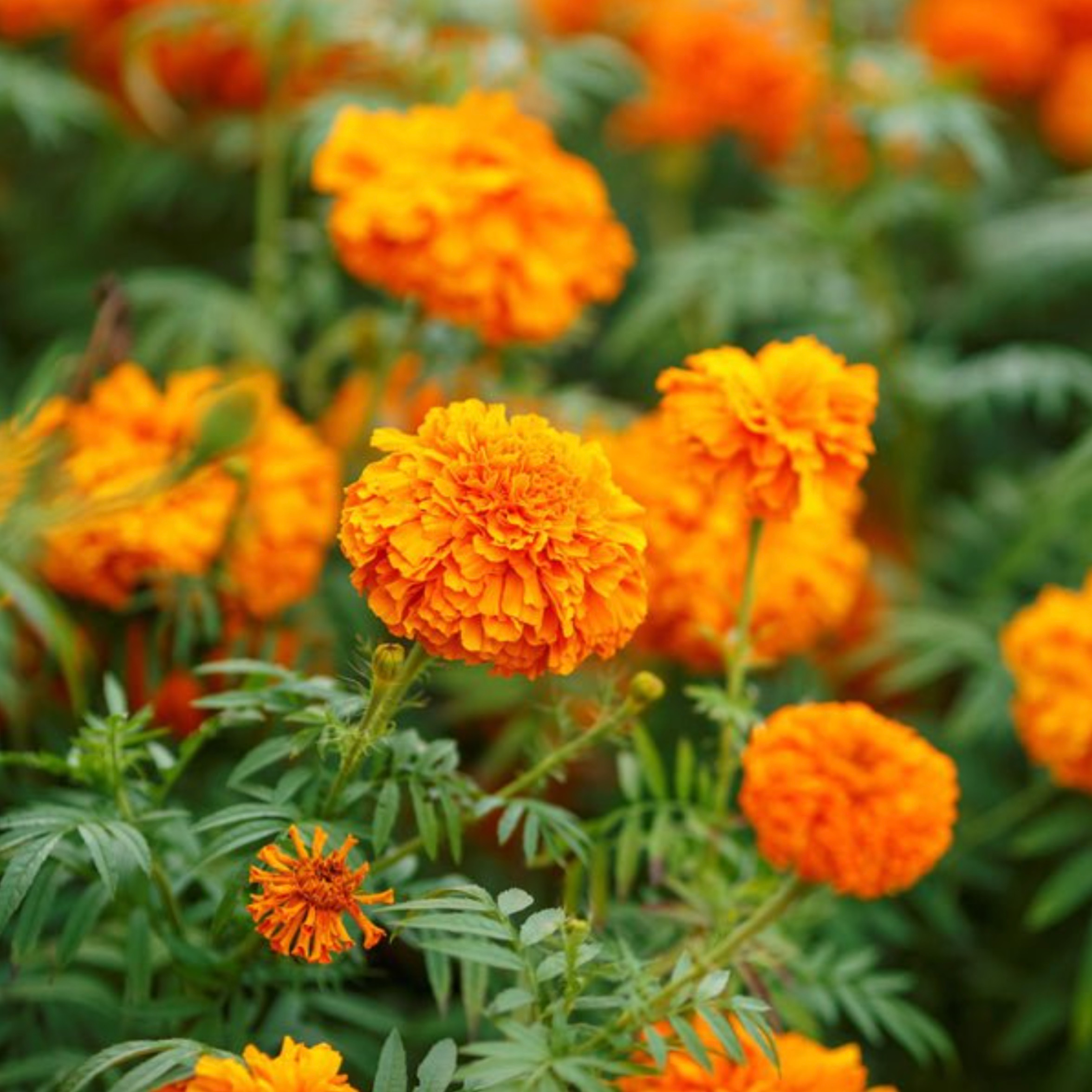
Sun-bright and joyously ruffled, African marigold (Tagetes erecta) is more than a bedding plant. In the right hands—and with the right safety mindset—its unsprayed petals can lend dishes a citrusy, resinous sparkle and a burst of natural golden color. This primer walks you through tasting notes, time‑honored and modern kitchen traditions, and how the flower’s famous carotenoid, lutein, is extracted and used in foods, supplements, and even poultry feed.
First, the safety essentials for eating African marigold petals
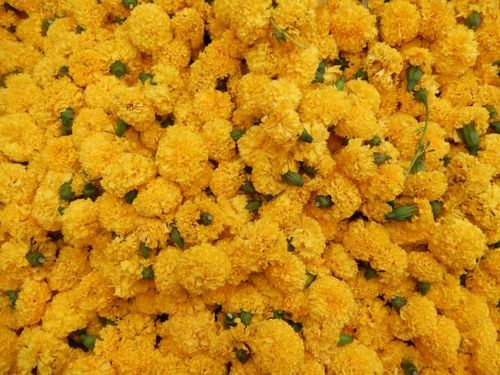
Before you pluck a pom‑pom for the plate, set yourself up for a safe, pleasant experience.
- Know your marigold
- We’re talking about Tagetes erecta (aka African/Aztec/Mexican marigold). It’s native to Mexico and Central America despite the “African” nickname.
- Don’t confuse it with Calendula officinalis (pot marigold). Calendula is a different plant that’s more widely used as an edible; its flavor and chemistry aren’t the same.
- Source only edible‑grade, unsprayed flowers
- Avoid florist, nursery, and big-box bedding plants unless they’re explicitly grown for edible use; ornamental plants are often treated with systemic pesticides you can’t wash off.
- Best practice: grow your own from seed using organic methods, or buy from a trusted edible‑flower grower.
- Harvest and prep with care
- Pick freshly opened blooms on a dry day.
- Use just the petals: pinch or snip them away from the green base (receptacle) and discard any bitter white “heel” at the petal’s base.
- Rinse gently, then pat dry.
- Start small and watch for sensitivity
- Tagetes foliage and sap can irritate sensitive skin; wear gloves if you’ve reacted to daisies/ragweed family (Asteraceae) plants before.
- The flavor is potent and not for everyone. Try a few petals first to gauge both taste and tolerance.
- Keep perspective
- Regional culinary use exists, but Tagetes can be mildly irritating and is not a “eat by the handful” salad green. Treat it as a garnish, seasoning, or infusion.
What do African marigold petals actually taste like?
Expect a bright, grown‑up profile rather than soft floral sweetness.
- Top notes: citrus peel (think orange zest and pith), green-resinous marigold, a hint of pine.
- Mid/bitter: light bitterness and peppery herbality, especially from older blooms.
- Texture: fresh petals are tender but have some chew; dried petals concentrate aroma and bitterness.
Flavor varies by cultivar and age:
- Younger petals are generally gentler; older double “pom‑pom” heads pack more intensity.
- Yellow and gold types can read slightly fresher/citrus; deep orange leans warmer and a touch more bitter.
Delicious pairings:
- Acidic partners: citrus, vinegar, yogurt.
- Fat: butter, olive oil, fresh cheeses (queso fresco, ricotta).
- Herbs/spices: chile, cumin, coriander, mint.
- Produce: corn, pumpkin/squash, tomato, stone fruit.
- Drinks: dry gin, tequila, mezcal, sparkling wine.
Where petals meet the plate: regional and modern traditions

- Mexico and Central America (cempasúchil)
- Culturally central to remembrance (Día de los Muertos), the flowers are famed for guiding spirits home.
- In kitchens, you’ll see occasional uses such as teas/tisanes, syrups and honey infusions, pan de muerto glazes, atole infusions, and contemporary chef riffs in salsas, ice creams, and pickles. The petals lend color and a citrus‑resin accent—use lightly.
- The Caucasus (a note on “Imeretian saffron”)
- Georgian cuisine traditionally dries and grinds marigold petals as “Imeretian saffron,” a cornerstone in blends like khmeli‑suneli. This classic practice primarily uses French marigold (Tagetes patula), a close cousin. African marigold petals can color similarly but taste stronger and more bitter; if you experiment, blend with gentler spices and use a lighter hand.
- South Asia
- Tagetes erecta is woven deeply into ceremonies and garlands; culinary use is occasional—typically as a festive garnish rather than a staple ingredient.
- Today’s kitchens
- Chefs worldwide use Tagetes petals to tint vinegars and oils, accent raw seafood, brighten goat cheese, or finish grain dishes. Dried petals can be folded into spice rubs or infused into syrups for cocktails and non‑alcoholic aperitifs.
Lutein from Tagetes erecta: how it’s extracted and where it goes
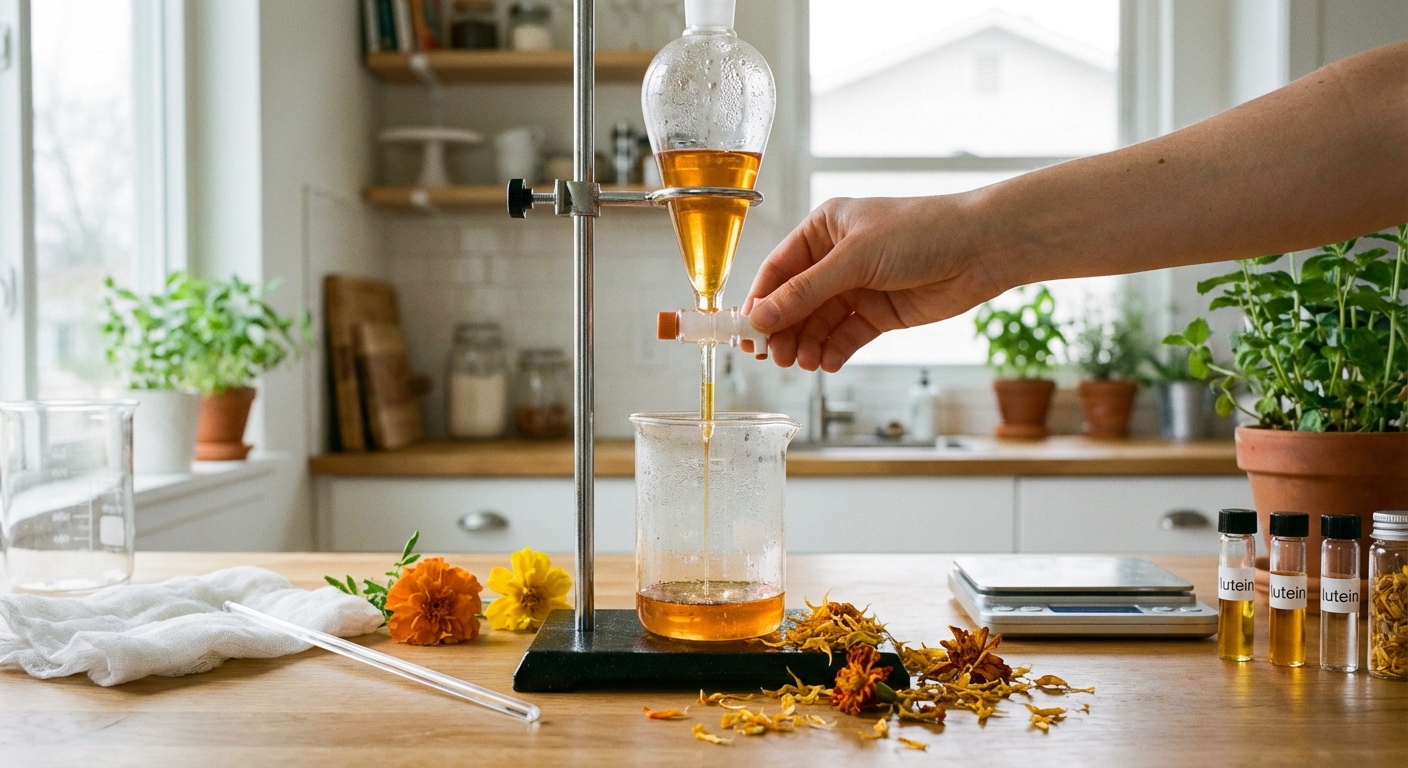
African marigold petals are one of the world’s major natural sources of lutein, a yellow carotenoid valued as a colorant and dietary supplement.
- What’s in the petal
- Petals are rich in lutein (often present as lutein esters) that give marigolds their saturated gold-orange hues. They also carry polyphenols, which is why researchers are exploring their antioxidant potential in lab assays and model organisms.
- How industry gets lutein out (simplified)
- Harvest and dry petals (or whole blooms), then mill into a meal.
- Extract pigments into an oleoresin using food‑grade solvents (commonly hexane or, increasingly, ethanol or supercritical CO₂).
- Saponify (alkaline treatment) to convert lutein esters into free lutein.
- Purify and crystallize, then dry and mill to a fine powder.
- Stabilize (often via microencapsulation) to protect from light, heat, and oxygen.
- Where lutein goes
- Supplements: formulated for general antioxidant support and eye‑health–focused products.
- Natural colorant: imparts warm yellow to foods and beverages.
- Animal feed: widely used in poultry feed to deepen egg‑yolk and broiler‑skin color; also used in some aquaculture feeds.
- Regulations vary by country; always check local rules on color additives and supplement use.
- A note from current research
- Recent studies characterizing Tagetes erecta petal extracts report robust in‑vitro antioxidant scores and continued interest in their polyphenol profiles and bioactivity in model systems. This is an exciting research area, but kitchen use should still center on flavor and color—not health claims.
Five easy, safe ways to cook with unsprayed African marigold petals
- Cempasúchil citrus syrup
- Simmer equal parts sugar and water with a strip of orange zest. Remove from heat; stir in a small handful of petals. Steep 10–15 minutes, strain, and chill. Drizzle over fruit or use in spritzers.
- Golden rice finish
- Toss hot steamed rice with a knob of butter, a squeeze of lemon, a pinch of salt, and a tablespoon of chopped fresh petals. Finish with chopped mint.
- Marigold–goat cheese spread
- Fold minced petals and cracked black pepper into soft goat cheese with a splash of olive oil. Spread on crostini; top with a thin orange slice.
- Sunshine vinegar
- Steep petals in white wine vinegar 3–5 days with a few coriander seeds. Strain for a vibrant, citrusy salad splash.
- Spice blend “boost”
- Dry petals at very low heat, crumble, and mix in small amounts into a cumin–coriander–chile blend for roasted vegetables. Start with 1–2% of total weight; it’s potent.
Tip: Add petals at the end of cooking to preserve color and aroma, or infuse into fats/liquids off-heat for a gentler extraction.
Growing your own edible petals (the safest route)
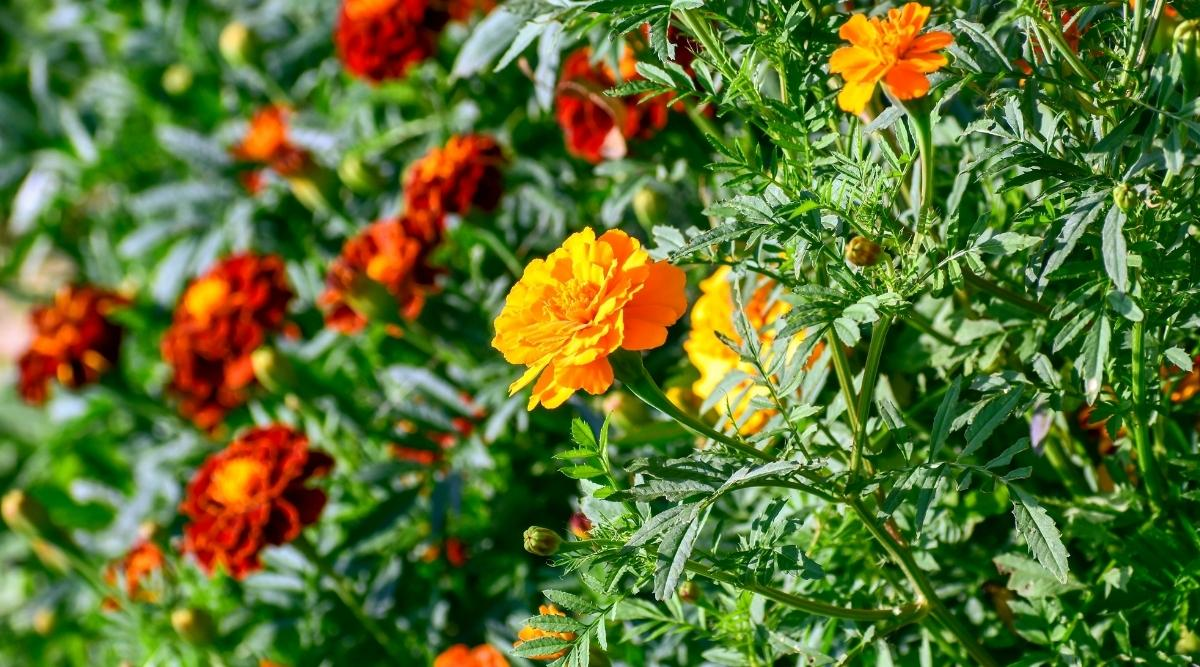
- Sun and soil
- Give full sun (6–8+ hours) and well‑drained soil or potting mix. They bloom generously from summer to fall.
- Water and feed
- Water deeply, then let the surface dry slightly. Avoid soggy conditions. Moderate feeding is plenty; too much nitrogen = lots of leaves, fewer blooms.
- Airflow matters
- Space for good airflow to reduce mildew and leaf spots, especially in humid, still weather.
- Harvest habits
- Pinch early for bushy plants. Deadhead to keep flowers coming. Harvest petals from just‑opened, dry blooms.
Respecting symbolism while cooking
Flower language runs deep with Tagetes erecta. In Mexico, cempasúchil is the luminous bridge of remembrance during Día de los Muertos—its color and scent are said to guide loved ones’ spirits home. In parts of South Asia it signals purity, auspiciousness, and prosperity; in Chinese culture it’s linked with longevity and honoring elders. Europe’s “Mary’s gold” ties marigolds to devotion and offerings.
When you bring these petals to the plate, you’re cooking with a plant that carries centuries of ceremony. A light, respectful touch—both in flavor and in meaning—honors that heritage.
Quick answers to common questions
- Can kids or pets eat them?
- A pet or child nibbling a few petals is unlikely to be harmed, but Tagetes can cause mild stomach upset if eaten in quantity. Keep portions tiny and stop if anyone shows sensitivity.
- Do they stain?
- Yes, carotenoids can tint hands, cutting boards, and fabrics. Wash promptly and protect porous surfaces.
- How do I store petals?
- Use fresh petals the day you pick them, or refrigerate gently wrapped for up to 24 hours. For longer keeping, dry at low heat and store airtight away from light.
- Why do some petals taste bitter?
- Older blooms, the white petal heel, and the green base are more bitter. Use young petals and trim well.
A closing note: African marigold is famously easy to grow and gloriously generous with blooms. With a safety‑first approach and a cook’s curiosity, those bright pom‑poms can move gracefully from border to table—adding color, a smart citrus‑resin lift, and a dash of cultural soul to your repertoire.