

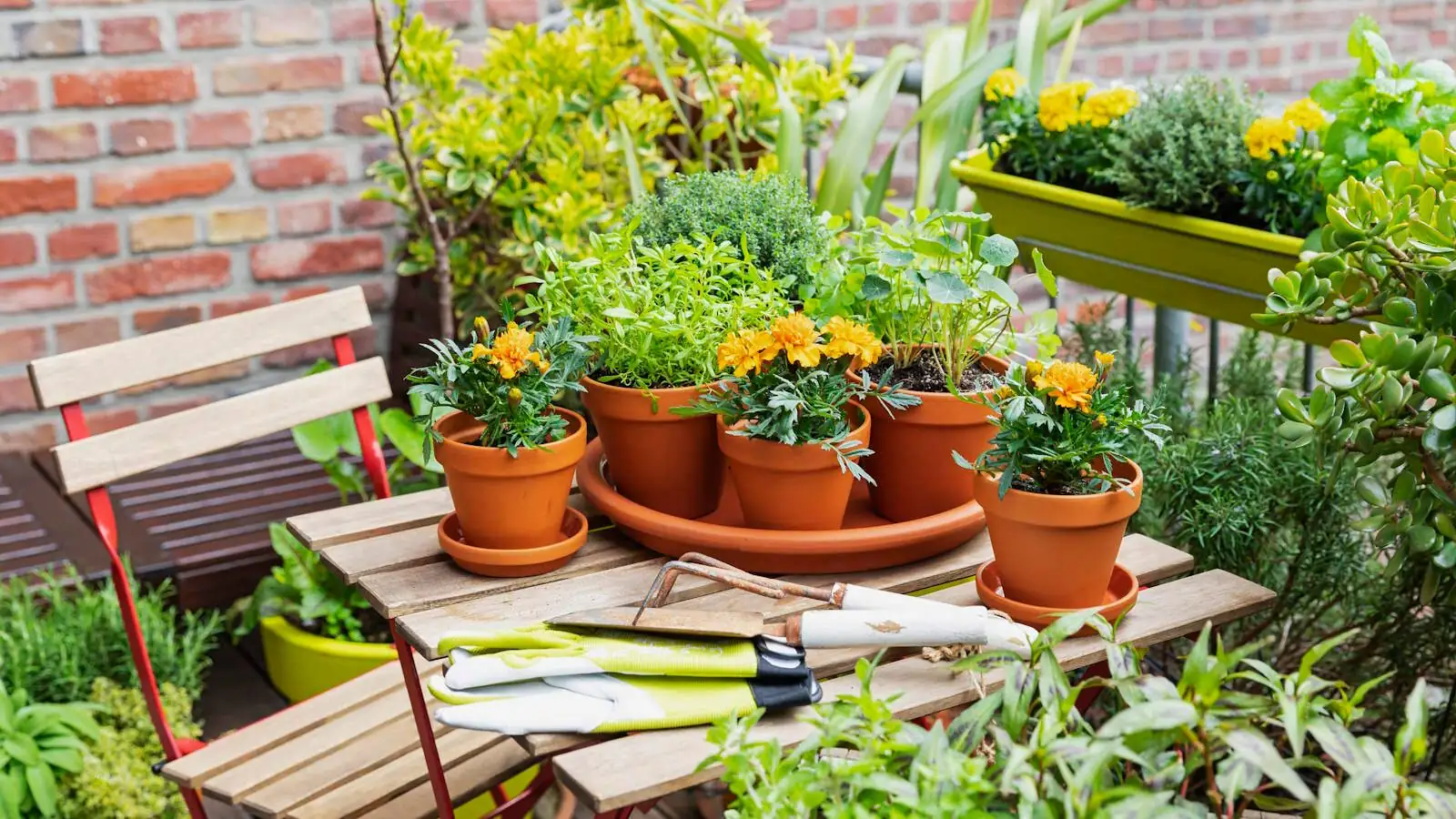
Think of African marigolds as little suns you can pot up—bright, bold, and happiest when their roots are in something fast‑draining and their faces are in full light. If your goal is compact, tidy plants that flower nonstop, the container details are everything: pot size, mix texture, sunny placement, and a watering rhythm that avoids sogginess but never lets them wilt hard.
Meet African Marigold (Tagetes erecta)
- Origin: Native to Mexico and Central America—despite the “African” nickname.
- Habit: Upright and bushy with sturdy stems; usually grown as a warm‑season annual.
- Size: Commonly 30–90 cm (12–35 in) tall, 20–45 cm (8–18 in) wide; compact cultivars often stay under 30 cm (12 in).
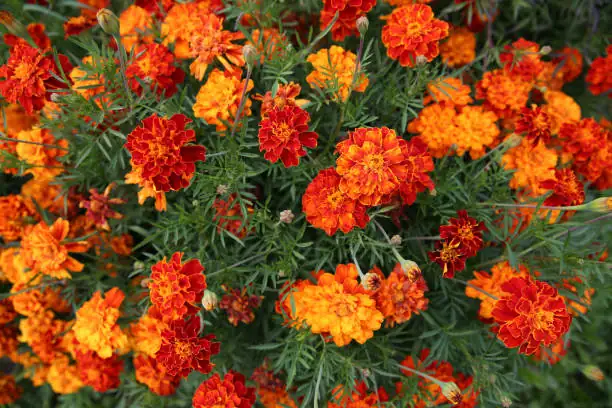
- Blooms: Big, ruffled pom‑poms or daisy-like flowers, 5–12 cm (2–5 in) across, in glowing yellows, golds, and oranges (with occasional creamy or warm red tones).
- Season: Summer to fall—often from late spring right up to first frost.
- Bonus: Strong, aromatic foliage and a well-earned reputation as a friendly companion in veggie beds.
The Container‑First Game Plan
Pick the right pot size
Match the pot to the mature size of your cultivar. Too-small pots dry out hourly; too-big pots hold excess moisture.
- Compact/dwarf types (under ~30 cm/12 in tall): a 15 cm (6 in) pot per plant is a sweet spot. For fuller window boxes, space plants roughly 20–25 cm (8–10 in) apart.
- Larger African marigolds: use at least a 25 cm (10 in) pot per plant.
- Drainage is non‑negotiable: a wide drainage hole (or several), and an unblocked path for water to exit. Empty saucers after watering.
Pro tip: For seedling “potting up,” move young plants once they have 5–7 true leaves. Nurseries often group three seedlings in a 10–12 cm (4–5 in) pot temporarily; for your final display, give each plant its own final container or generous spacing for airflow.
Build a fast‑draining mix
African marigolds hate wet feet. Aim for a light, airy blend that drains quickly but doesn’t turn bone-dry five minutes after you water.
- Simple recipe:
- 2 parts high‑quality, peat‑free potting mix
- 1 part perlite or pumice (boosts drainage and airflow)
- 1/2 part mature compost or leaf mold (moderate fertility)
- Optional in humid climates: a handful of coarse sand or fine bark for extra texture
- pH target: about 6.0–7.5.
- Avoid garden soil in pots; it compacts and holds water.
Self‑watering containers? They can work if you use a very airy mix and let the reservoir drop before refilling. Overfilled reservoirs plus dense media = the quickest route to stem/root rot.
Planting and spacing in pots
- Moisten the mix before planting so roots aren’t shocked by a dry substrate.
- Set the crown at the same depth it grew in the nursery cell—don’t bury stems.
- Tuck in firmly, water to settle, then top up mix if it slumps.
Sun, Heat, and Placement
- Sunlight: Give 6–8+ hours of direct sun daily for the heaviest bloom. On scorching afternoons in very hot climates, a touch of light shade can prevent stress and petal scorch.
- Temperature: Best growth around 18–27°C (65–80°F). Prolonged extreme heat (around/above 32°C/90°F), especially with high humidity and stagnant air, can slow flowering—airflow helps.
- Where to place:
- Balconies, patios, and south/west exposures are prime.
- Window boxes love open air; avoid shadowy overhangs.
- Space pots so foliage can dry and breezes can move through—mildew hates sunshine and airflow.
Watering Like a Pro
The quickest way to lose marigolds in pots is loving them with water they don’t need. Think “deep drink, brief dry‑down.”
- Method:
- Water thoroughly until you see a good stream from the drainage holes.
- Let the top of the mix dry slightly before watering again. Don’t keep it constantly wet.
- Water at the base; avoid soaking foliage and flowers to prevent spotting, mildew, and botrytis.
- Frequency:
- Smaller pots dry faster; in hot spells, check daily.
- Larger pots buffer moisture longer. Lift the pot or use your finger: the top 2–3 cm (about an inch) should feel dry before you water again.
- Red flags:
- Sudden collapse with wet soil = likely root/stem rot from waterlogging.
- Chronic wilting with dry soil = pot’s too small or too root‑bound, or you’ve simply missed the window—rehydrate deeply and adjust.
Feeding for Flowers, Not Just Foliage
Moderate fertility is perfect; too much nitrogen makes leaves, not blooms.
- At planting: mix in compost or a slow, balanced fertilizer.
- In season: light feeds every 2–4 weeks with a balanced formula (e.g., 10‑10‑10 or 20‑20‑20).
- Before peak bloom: one or two “bloom‑boost” feeds (higher phosphorus/potassium) can sharpen bud count and flower quality.
- If bloom slows while the plant looks lush and green, ease off nitrogen and turn up the sun.
Keep Them Compact and Tidy
- Pinch early: When plants are 10–15 cm (4–6 in) tall, pinch the tip to encourage branching and a fuller cushion of blooms.
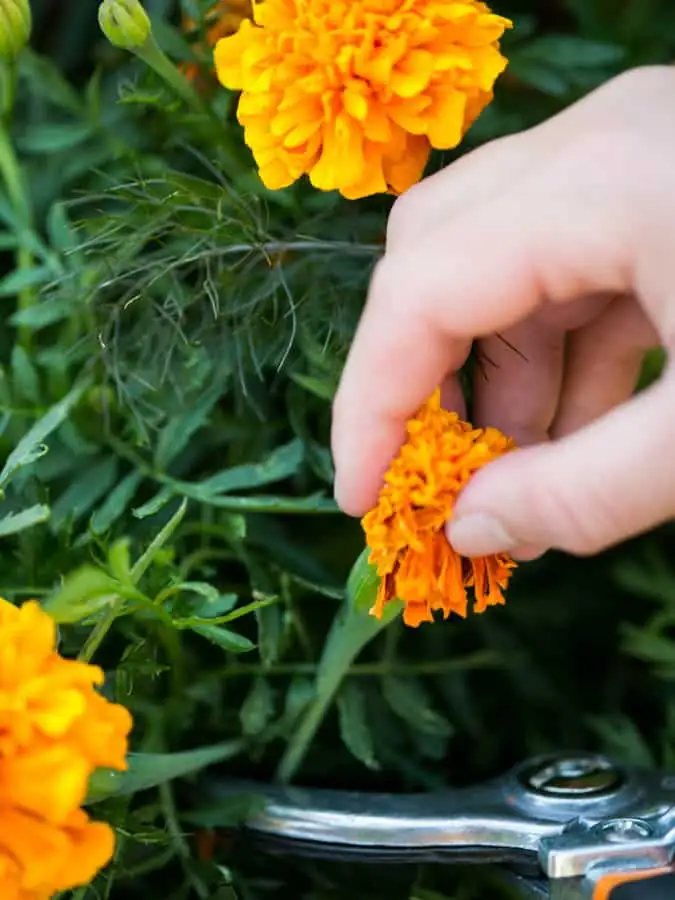
- Deadhead: Snip off spent blooms to speed up new buds. It’s not mandatory, but it keeps pots looking crisp and flowers coming.
- Mid‑season refresh: If plants get leggy, cut back more firmly; they rebound with a flush of bright new growth and flowers.
From Seed to Show: An Easy Timeline
- Start seeds indoors 6–8 weeks before your last frost or sow outdoors after danger of frost when soil is ~18°C (65°F).
- Germination: usually 5–9 days at 19–24°C (66–75°F).
- First flowers: about 60 days for early types; 80 days for the biggest ball‑flowered kinds.
- Transplant after frost and harden off; compact cultivars are perfect for early pots on sunny porches.
A Simple Seasonal Calendar for Pots
- Spring: Sow or transplant after frost; give maximum sun and even moisture (never soggy).
- Summer: Check water more frequently during heat; deadhead; improve airflow in hot‑humid spells; cut back if lanky.
- Fall: Enjoy peak color until frost; you can save seed from open‑pollinated plants.
- Winter (frost‑free areas only): With bright light and careful watering, plants can keep going.
Note on hardiness: Outdoors, African marigolds are realistically perennial only in frost‑free zones (about USDA 10–11). Everywhere else, treat them as annuals.
Troubleshooting in Containers
- Lots of leaves, few flowers:
- Culprits: not enough sun, too much nitrogen, or prolonged hot‑humid, still air.
- Fixes: move to stronger sun, trim back foliage lightly, improve airflow, switch to bloom‑leaning feed.
- Sudden collapse:
- Usually root/stem rot from soggy soil or a blocked drain hole.
- Fix drainage, let the surface dry between waterings, and avoid dense mixes.
- Powdery mildew/botrytis/leaf spots:
- Prevention: full sun, spacing, and watering at the base.
- Control: remove affected parts; consider insecticidal soap/horticultural oil if pests are involved.
- Common pests:
- Aphids, spider mites, thrips, leafhoppers; snails and slugs can nibble.
- Start with a strong water spray; escalate to insecticidal soap or horticultural oil if needed.
- Can I grow them indoors?
- Yes—if they get very bright light (a sunny south window or grow lights), a fast‑draining mix, and careful watering. Indoors, they dry more slowly and can rot if kept wet.
Safety, Pets, and Edibility Notes
Tagetes marigolds are generally mildly irritating rather than truly poisonous. Sap and foliage can bother sensitive skin; pets may get mild stomach upset if they chew a lot. Some regions use petals as garnish/seasoning, but the flavor is strong and not everyone tolerates Tagetes. If you plan to taste, use only unsprayed plants intended for edible use and try a tiny amount first. And remember: Calendula (pot marigold) is a different plant and more commonly eaten.
Meaning, History, and the Marigold’s “Flower Language”
- Roots and routes: Long honored by the Aztec and other Mesoamerican cultures, Tagetes erecta journeyed to Europe in the 16th century and then worldwide. The English name “marigold” is often tied to “Mary’s gold,” referencing the Virgin Mary.
- Symbolism:
- Mexico: A flower of remembrance that guides loved ones home during Día de los Muertos; its color and scent are thought to help spirits find their way.
- South Asia: Wreaths of marigolds symbolize purity, good fortune, and celebration.
- China: Commonly linked with longevity and respect for elders—echoing the Chinese name.
- Western traditions: Also associated with remembrance; older lore sometimes attached notes of jealousy or grief.
Flower language, in this case, isn’t a single codified meaning but a tapestry woven from distinct cultural uses. The throughline is big feeling: memory, honor, prosperity, and the bright endurance of life.
Pot Pairings and Companion Ideas
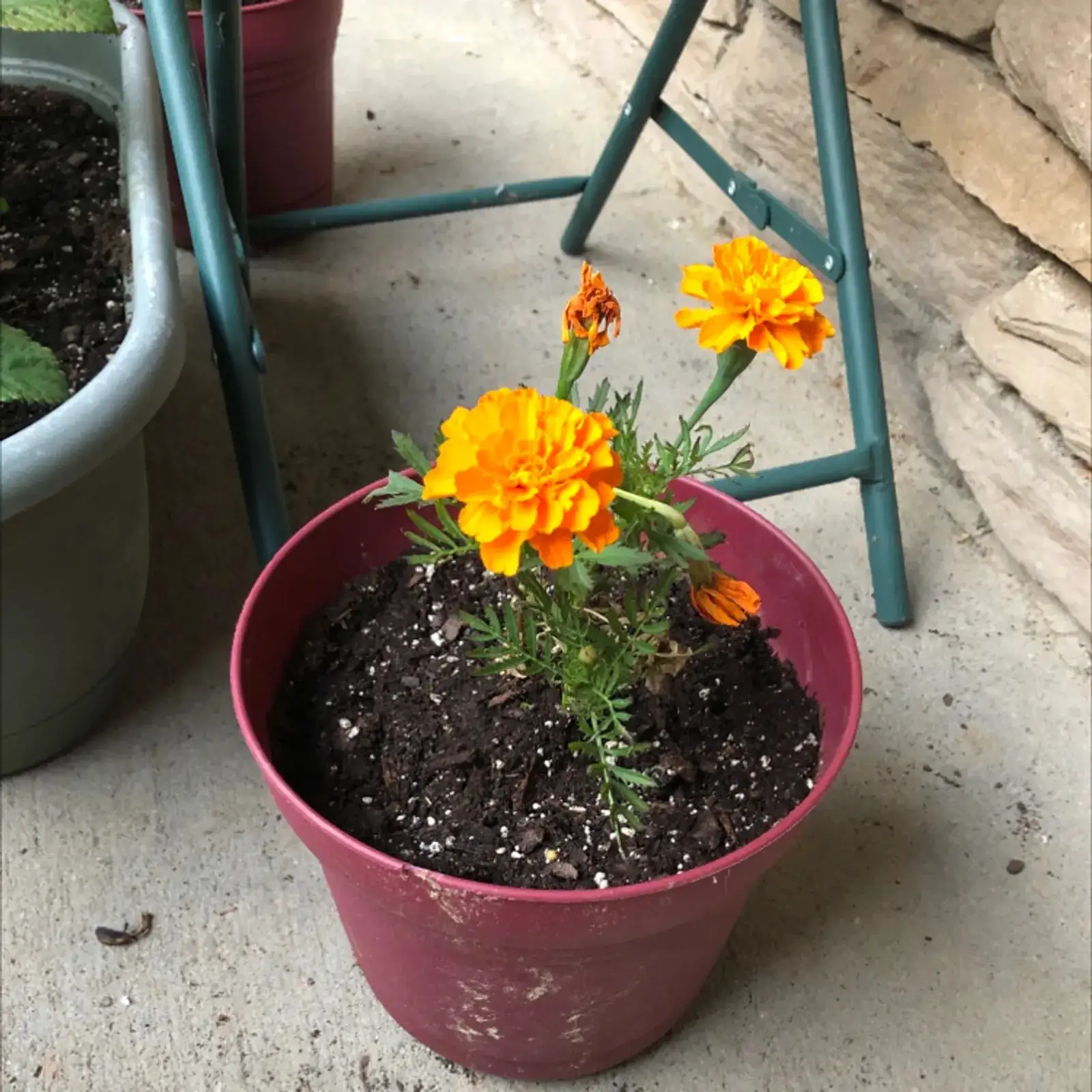
- Solo stars: One compact African marigold in a 15–20 cm (6–8 in) pot is a cheerful tabletop burst.
- Window boxes: Alternate compact marigolds with trailing herbs or silver foliage for contrast.
- Veggie pals: Tuck pots near tomatoes, peppers, cucumbers, squash, melons, beans, or potatoes as part of an integrated pest‑savvy setup. Their scent and roots can discourage some pests and draw beneficial insects.
Quick Buying Tips for Container Winners
- Choose stocky, compact plants with sturdy stems, aromatic mid‑ to gray‑green leaves, and zero yellowing or spots.
- Look for plants loaded with buds plus a few just opening—maximum flower runway ahead.
- If you plan to cut, taller cultivars with longer stems are best; compact forms still make sweet posies from pot to vase.
A Few Fun Facts to Close
- Despite the name, African marigold is native to Mexico and Central America.
- Petals are rich in lutein, used as a natural colorant—even to deepen egg‑yolk color in poultry feed.
- Marigolds are one of October’s birth flowers—and few plants deliver such effortless autumn glow in a pot.
Dial in pot size, keep that mix light and quick to drain, park them in unapologetic sun, and water with a steady-but-sensible hand. Do that, and your compact Tagetes erecta will stay neat, cheerful, and gloriously in bloom right through to first frost.


