

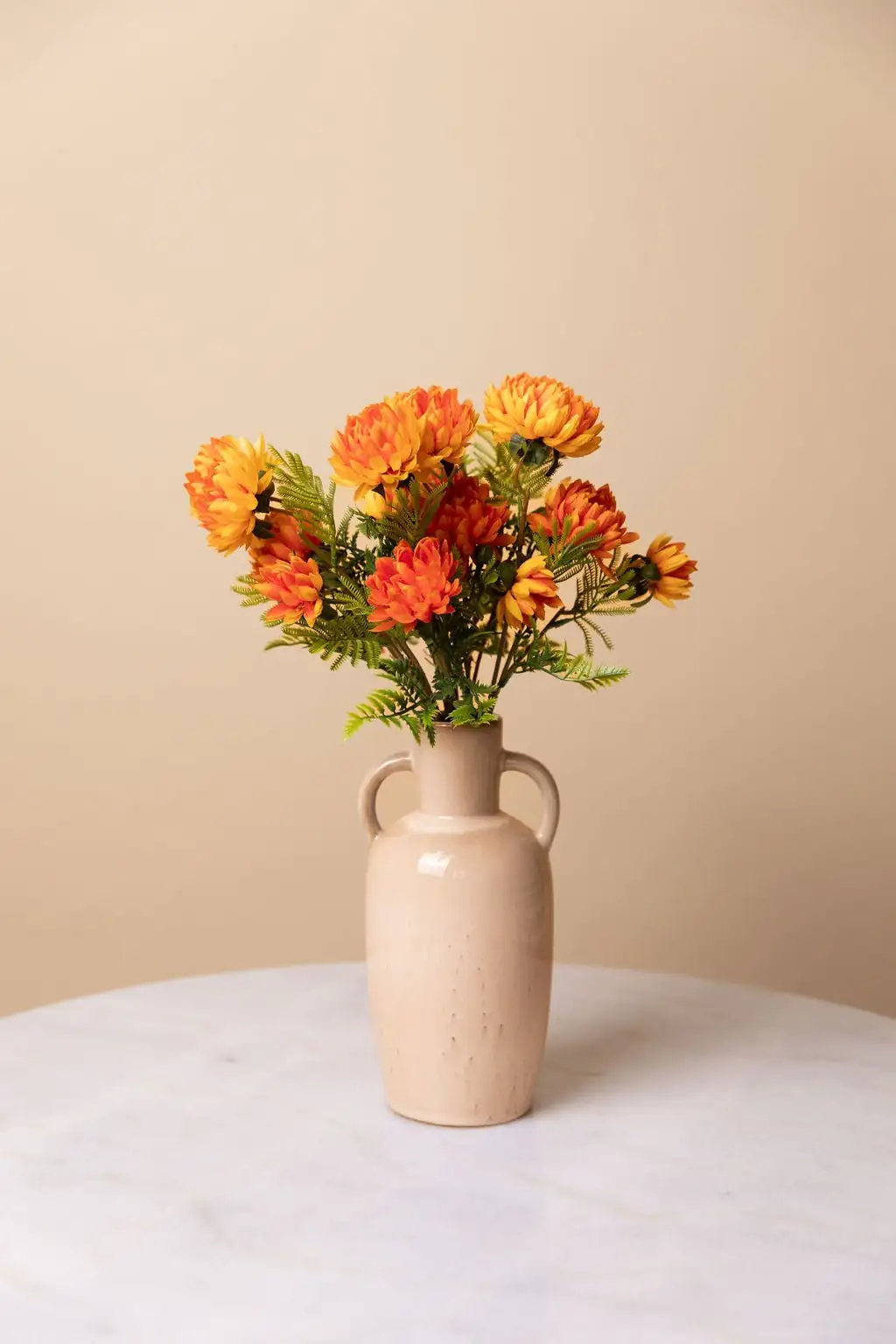
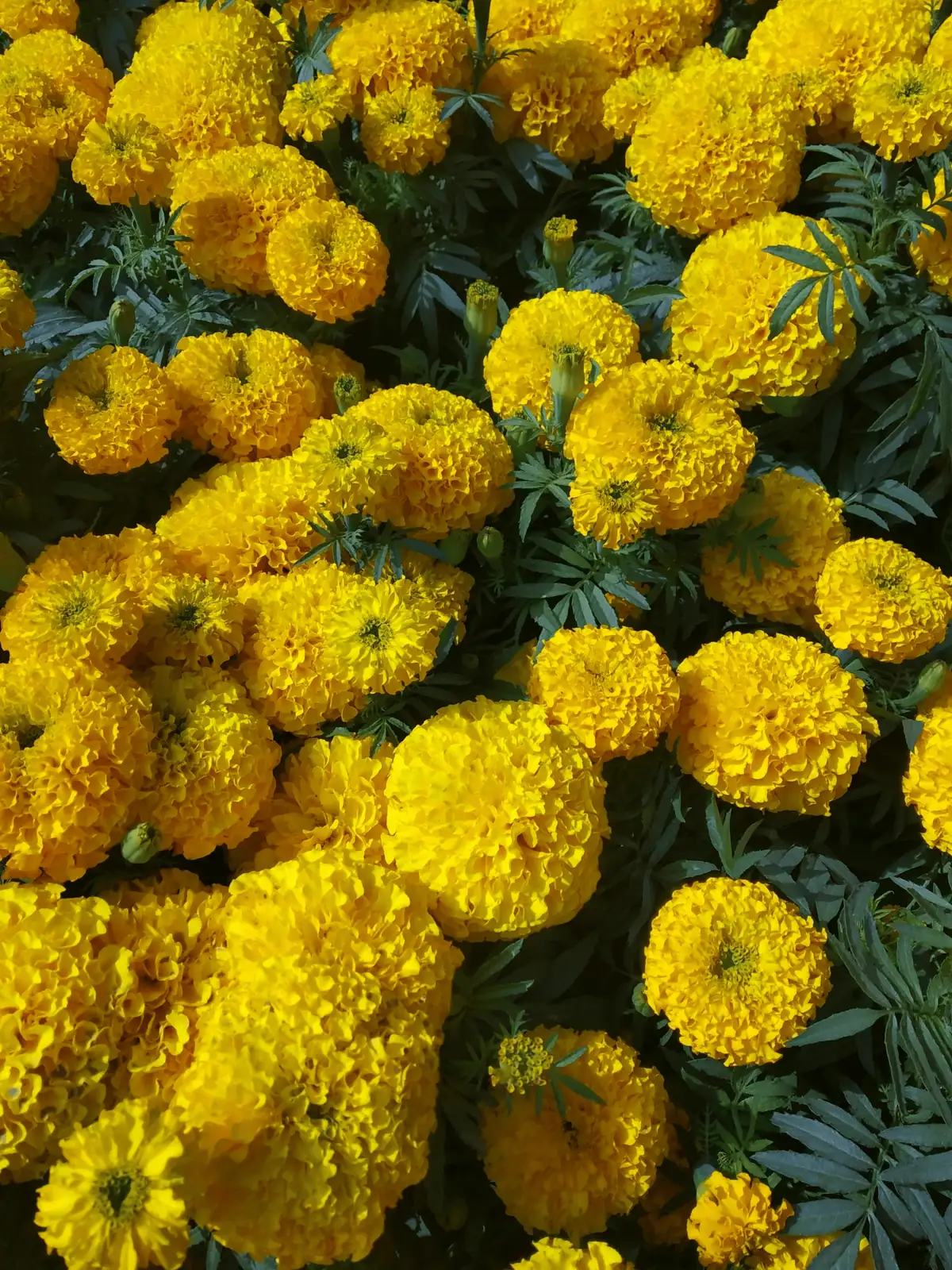
Sun-bright, ruffle-rich, and wonderfully productive, African marigolds (Tagetes erecta) can be absolute workhorses in the cutting garden. Nail a few grower’s tricks—right cultivars, good spacing, a timely pinch, steady-but‑moderate feeding, and smart conditioning—and you’ll harvest armfuls of long, sturdy stems with fewer shattered petals and better vase life.
Why African marigolds belong in the cutting bed
- Big, glowing blooms in yellow, gold, orange, and creamy tones—great for late-summer through fall designs.
- Long season in full sun, with reliable flowering from summer to frost.
- Upright, bushy plants that, when pinched early, throw repeat flushes of cuttable stems.
- Sturdy, easygoing, and tolerant of short dry spells once established.
- Bonus: they’re excellent companions in veggie beds and attract beneficial insects.
Note: Despite the name “African marigold,” Tagetes erecta is native to Mexico and Central America—a classic plant with a world-spanning story.
Cultivar picks for stems, color, and fewer shattering headaches
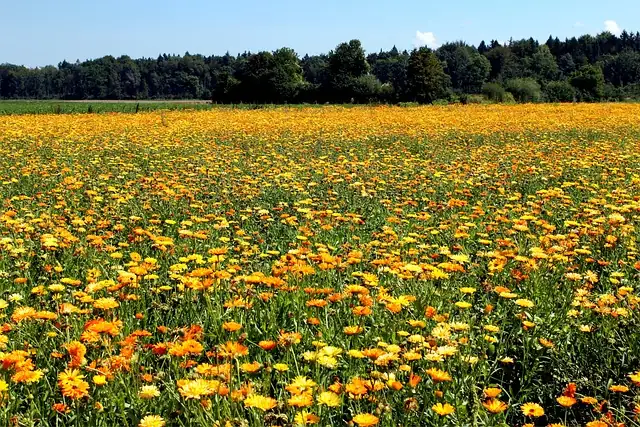
Not all marigolds are cut-flower friendly. Skip compact bedding strains (Antigua, Taishan, Discovery, etc.) and look for tall, long-stemmed African marigolds.
- Kilimanjaro White (cream to near-white)
- Elegant, wedding‑ready color on tall plants (often 70–90 cm/28–36 in).
- Firm, full pompons; expect slightly longer days to bloom.
- Crackerjack Mix
- The heirloom standby for cuts: big doubles in orange, gold, and yellow on tall plants.
- Productive, forgiving, and widely available.
- Mission Giant Yellow and Mission Giant Orange
- Bold, high-output, long stems (to 90–120 cm/3–4 ft in rich soil with support).
- Great for markets needing uniform color blocks.
- Gold Coin Series (mixed)
- Vigorous, tall, large blooms; a good choice for volume stems.
- Garland Orange / Garland Yellow
- Bred for garland work; heavy, densely petaled heads on long stems when supported.
- Vanilla or Snowball (creamy tones)
- Useful for pale palettes; support well to prevent bent necks under heavy blooms.
Trial a few in your climate: some super‑double heads look amazing but can “shatter” more easily if overmature or jostled. Grow at least one classic workhorse (e.g., Crackerjack) alongside specialty colors.
Spacing, support, and succession for straight, saleable stems
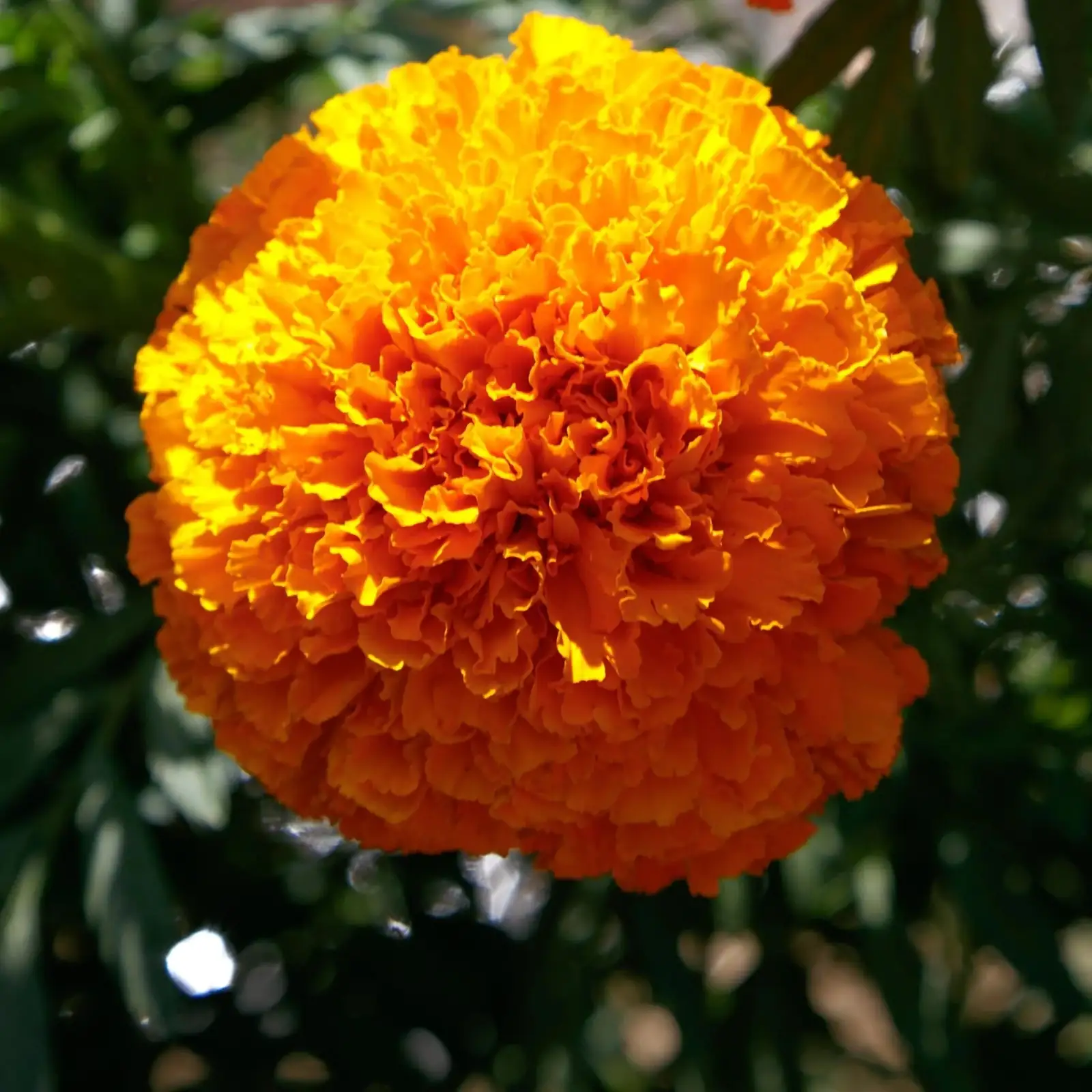
- Planting window
- Start indoors 6–8 weeks before last frost; transplant after danger of frost when soils warm.
- Direct sow after frost once soil is warm; germination is quick in warm conditions (about a week).
- Spacing
- For cuts, 12–18 inches (30–45 cm) within and between rows hits a sweet spot.
- Use the tighter end (about 12 in/30 cm) under support netting to encourage longer, straighter stems.
- In hot, humid regions, open up toward 18 in (45 cm) to boost airflow and reduce mildew/botrytis.
- Support
- One to two layers of horizontal netting keep tall stems straight and protect heavy heads in wind or rain.
- Succession
- Sow/transplant every 2–3 weeks in warm weather. Early types bloom in ~60 days; big, ball‑flowered types often need ~80 days.
- A small fall planting (or high‑tunnel extension) carries color toward first frost.
Pinching strategy for more usable stems
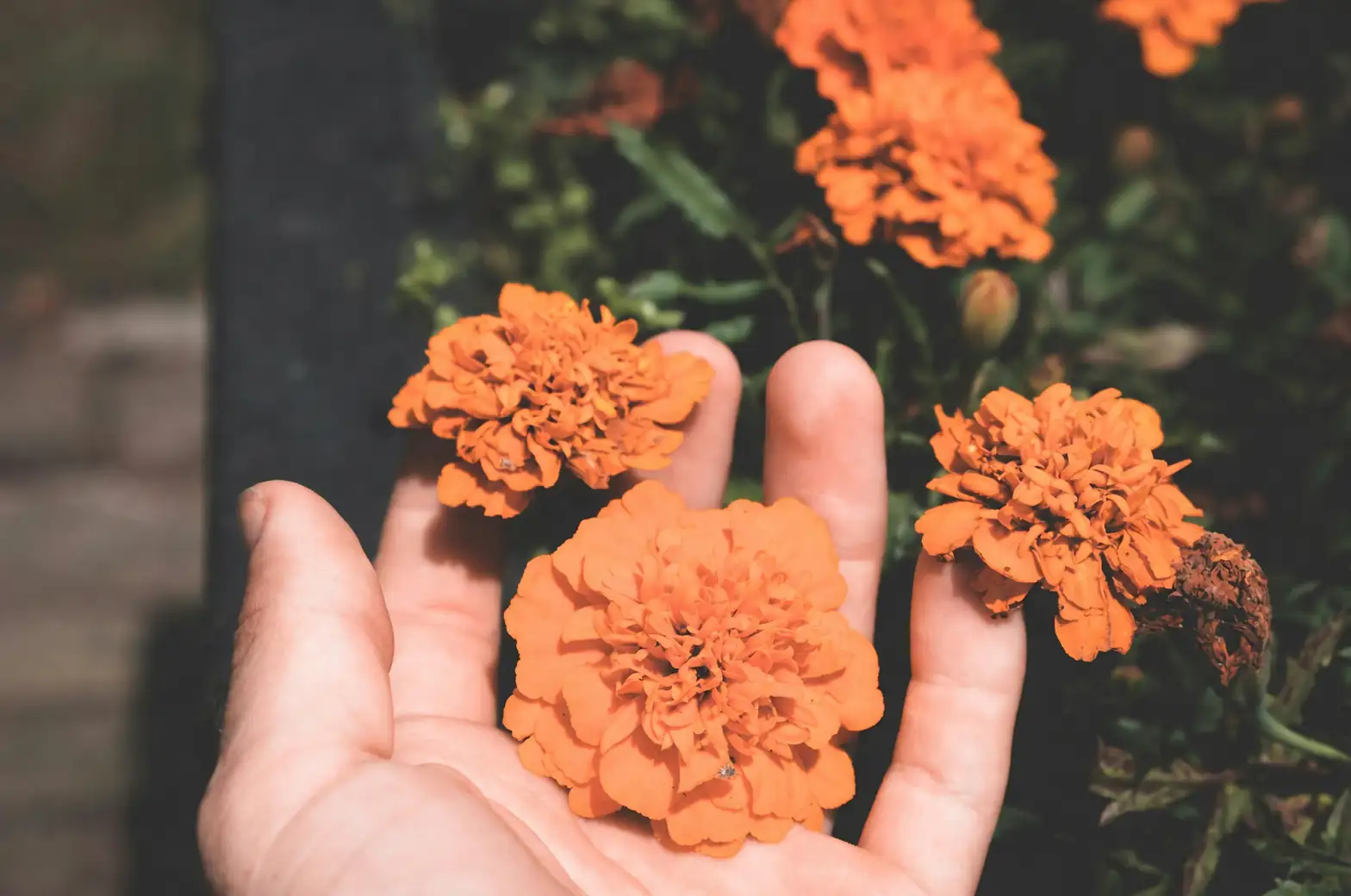
- Timing
- Pinch once plants have 4–6 true leaves or reach 15–20 cm (6–8 in).
- How
- Remove the main tip above a strong leaf pair. If the first central bud appears early, take it off too.
- Result
- A brief delay to first bloom, then a flush of multiple long, well‑placed laterals—more marketable stems overall.
- Midseason reset
- If plants get leggy or bloom size declines, cut back more firmly and feed/water—expect a fresh flush.
Feeding and watering for length and strength
- Soil and baseline fertility
- Well‑drained loam with moderate fertility (pH ~6.0–7.5). Mix in compost at planting.
- Fertility program
- Go steady and moderate. Excess nitrogen = leafy plants, fewer flowers, and softer stems.
- A light, balanced feed every 2–4 weeks (e.g., 10‑10‑10 or 20‑20‑20 at low rates) keeps growth even.
- Shift toward bloom-friendly nutrition (a bit more phosphorus/potassium) as buds build to improve bloom quality and color.
- Water
- Deeply and then allow the surface to dry slightly before the next irrigation.
- Avoid waterlogging and overhead watering on foliage/blooms; it invites rot and petal spotting.
- Extras for quality
- Consistent moisture prevents hollow stems and reduces stress-related shatter.
- Good calcium availability helps stem strength; diverse compost inputs usually suffice.
Sun, heat, and airflow
- Full sun (6–8+ hours) is non‑negotiable for stem length and bloom count.
- Peak hot spells (around/above 32°C/90°F), especially with stagnant humidity, can stall flowering temporarily—airflow and even moisture help plants bounce back.
- In the hottest climates, a whisper of afternoon shade can prevent stress without sacrificing stems.
Pest and disease watch for cut quality
- Aster yellows (serious for marigolds)
- Transmitted by aster leafhoppers. Symptoms: yellowing, distorted growth, “witch’s broom” from flowers.
- Action: remove infected plants promptly; encourage airflow; manage weeds; use row cover early if pressure is high.
- Thrips, aphids, spider mites, and leafhoppers
- Thrips scar petals; mites stipple leaves. Rinse with water or use insecticidal soap/horticultural oil as needed.
- Botrytis, powdery mildew, leaf spots, and rust
- Prevent with spacing, sun, and base-watering. Prune for airflow; discard heavily infected material.
- Slugs/snails
- Protect young transplants; mulch strategically and hand-pick or trap if needed.
Harvest timing and handling for the longest vase life
- Stage
- Harvest when blooms are fully open to just‑at‑peak and firm. Too tight = reluctant to open; overmature = higher shatter risk.
- Time of day
- Early morning is best. Hydrate immediately.
- Cut and clean
- Use clean, sharp snips. Strip leaves that would sit below the waterline.
- Hydration
- Place stems straight into clean buckets of room‑temp to slightly lukewarm water with a commercial floral preservative.
- If mixing your own in a pinch, keep it simple: acidified, biocidal water (very small amount of household bleach and a touch of sugar)—cleanliness matters more than recipes.
- Pre‑cooling
- Rest buckets in a shaded, airy space to shed field heat, then move to a cool room. Cool, not cold: avoid near‑freezing storage. Keep well above chill thresholds and away from ripening fruit/exhaust (ethylene sources).
Typical vase life is about 5–7 days; excellent sanitation and fast hydration can stretch that a bit.
Conditioning to reduce petal drop (“shatter”)
- Harvest just before peak softness—fully open but not overripe.
- Handle like eggs. Support heads in transport; avoid bumping and stacking pressure.
- Keep blooms dry—no overhead sprays after harvest.
- Use sleeves for bunches if traveling far.
- Maintain cool, steady temperatures (not cold shock) and clean solution.
- Keep arrangements out of direct sun and heat; refresh vase water and recut stems every 1–2 days.
- Trial cultivars. Some super‑dense doubles are more prone to shatter; others hold remarkably well.
Design and pairing notes
- Orange and gold sing with deep burgundies, amaranth, grasses, and dark foliage; cream/white types (Kilimanjaro, Vanilla) soften autumn palettes and wedding work.
- That classic marigold fragrance is part of their charm; for scent‑sensitive clients, blend with airy fillers and herbs to disperse it.
Quick grower’s calendar (warm-season annual)
- Late winter–early spring: start indoors 6–8 weeks before last frost; germinate warm.
- After frost: transplant to full sun; install support; pinch at 4–6 true leaves.
- Summer: steady water and light feeding; deadhead/harvest frequently; manage pests and airflow in humid heat.
- Fall: harvest to first frost; consider a late planting (or high tunnel) to extend the season.
- Frost‑free regions: can behave like a short‑lived perennial with continued flowering in bright light.
Cultural and symbolic layers (for florists and storytellers)
- Origins and journeys
- Native to Mexico and Central America, these flowers traveled the globe after the 16th century and became staples in gardens and ceremonies worldwide.
- Symbolism
- In Mexico, they’re central to Día de los Muertos—guiding spirits home with color and scent, embodying remembrance and love.
- Across South Asia, they carry meanings of purity, prosperity, and good fortune—hence their omnipresence in garlands.
- In Chinese culture, they echo wishes for longevity and respect for elders; in the West, they’ve long been tied to remembrance.
- Takeaway
- The “flower language” here isn’t just Victorian prettiness; it reflects centuries of real cultural practice—why these blooms resonate so deeply in seasonal rituals and modern bouquets alike.
Grow them bright, pinch them early, feed them modestly, and condition with care—Tagetes erecta will pay you back with buckets of dependable stems, fewer petal casualties, and that unmistakable sunlit cheer from summer straight through the last show of fall.


