

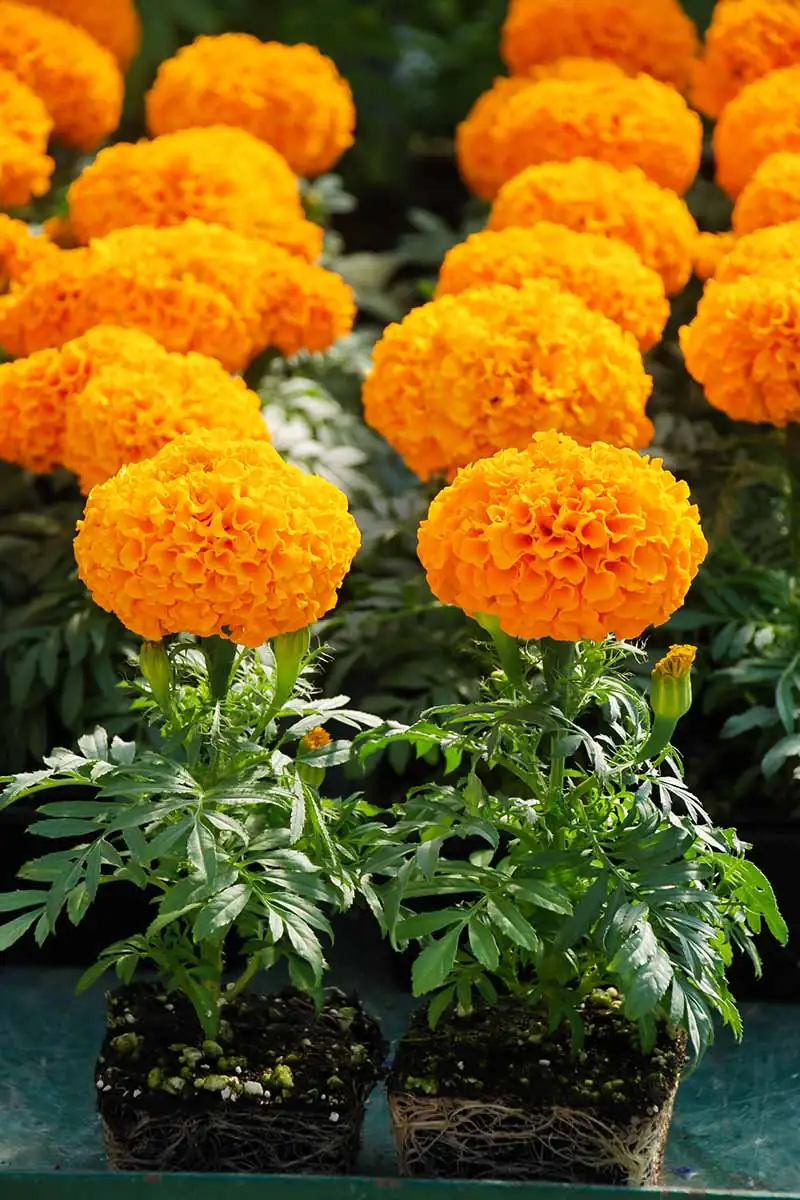
Think of African marigold (Tagetes erecta) as the sunshine workhorse of the veg patch: big, ruffled pom‑poms, bold scent, and a reputation for guarding roots. But what does it truly do for nematodes and other pests—and what’s garden folklore? Here’s a clear-eyed, field-tested blueprint you can actually use.
What African marigold can—and can’t—do for nematodes
African marigold is one of the Tagetes species whose roots release thiophenes (notably alpha‑terthienyl), bioactive compounds that can suppress certain plant‑parasitic nematodes—especially some root‑knot nematodes (Meloidogyne spp.). The effect is preventive to moderate, not a silver bullet.
How the suppression really works
- The roots create a hostile zone for some nematodes, disrupting their development and reproduction.
- It works best when marigold roots fill the soil volume you’re trying to protect; scattered plants don’t form a “continuous fence.”
- Time matters. You typically need a solid stand growing for weeks before you ask the soil to host a sensitive crop.
When it works best
- As a pre‑plant cover/rotation: Grow a dense block of Tagetes erecta for 8–10 weeks in warm weather, then chop and incorporate the tops and roots. Wait about 1–2 weeks, then plant your susceptible crop.
- As a dense intercrop strip: A continuous strip alongside rows can help in mildly infested beds or as a preventative.
- In bright, warm conditions: 6–8+ hours of direct sun and well‑drained soil maximize growth and, with it, the root exudates you’re after.
When it underperforms
- In heavy infestations where roots are already badly galled—use multiple tactics (rotation, resistant varieties, soil solarization where suitable).
- When plants are dotted sparsely among crops; isolated marigolds don’t protect distant roots.
- In cool shade, soggy soil, or extreme hot‑humid, stagnant weather that slows growth and flowering.
- Against the wrong nematode species; Tagetes helps “certain” plant‑parasitic nematodes but not all.
Bottom line: treat marigolds as a living, low‑toxicity tool in an integrated plan, not a one‑plant cure.
Spacing that actually delivers results
Spacing is where folklore often goes fuzzy. For Tagetes erecta, think in terms of plant size and air flow (this species is larger than French marigold) and of root “coverage” for nematode work.
Interplanting in vegetable beds (season‑long)
- Standard spacing: 30–45 cm (12–18 in) between African marigolds in the row; tall cultivars may need 45–60 cm (18–24 in).
- Along rows: Place one plant about every 30–45 cm (12–18 in) down a row edge to create a reasonably continuous root zone for mild, preventive benefit.
- Rings around anchor crops (tomato, pepper): Set 3–4 plants 20–30 cm (8–12 in) from the crop stem, evenly spaced around the plant. Avoid crowding foliage; these are big plants.
Why this works: It balances root “coverage” with the airflow T. erecta needs to avoid mildew and rot.

Dedicated marigold strips or blocks (for pre‑plant or strip intercropping)
- Grid for a block: 20–30 cm (8–12 in) apart in all directions so roots knit together.
- Strips: 1–2 rows of marigolds spaced 20–30 cm (8–12 in) apart form a living barrier beside a susceptible row.
- Duration: Let the stand grow 8–10 weeks in warm weather for meaningful suppression; then incorporate and wait 1–2 weeks before planting the follow‑up crop.
Containers and edges
- Dwarf/compact cultivars in pots, window boxes, or bed edges still contribute to garden‑wide pest management by attracting beneficial insects; for nematodes, only plants whose roots share soil with your crop can help.
Beyond nematodes: real pest impacts in mixed plantings
What’s real:
- Beneficials love them. Nectar and pollen support hoverflies, lacewings, parasitic wasps, and other allies that hunt aphids and caterpillars.
- Scent “confusion” can play a small role. Some pests may be less efficient at finding hosts in mixed plantings.

What’s overpromised:
- “They repel all insects.” Not so. Marigolds themselves can host aphids, spider mites, thrips, and leafhoppers (which can vector aster yellows). Slugs and snails may chew young seedlings.
- “Deer/rabbit/mosquito proof.” The foliage is often unappealing to deer and rabbits, but hungry animals break rules. As for mosquitoes, any effect in open air is limited at best.
Practical take:
- Use marigolds to diversify habitat and bolster beneficial insects, but scout regularly. If aphids/mites build up on marigolds, rinse them off or treat with insecticidal soap/horticultural oil before they spread.
The clear‑eyed companion‑planting blueprint
1) Diagnose the problem
- See root galls on tomatoes, cucumbers, melons, peppers, beans, or potatoes? You may have root‑knot nematodes.
- Confirm with local extension resources when possible.
2) Pick your deployment
- Heavy/mapped infestations: Pre‑plant block for 8–10 weeks, dense spacing (20–30 cm), then incorporate and wait 1–2 weeks before planting your main crop.
- Mild/preventive: Interplant along rows at 30–45 cm, or add 1–2 dense strips beside susceptible rows.
3) Prep and plant for power
- Sun: Full sun is non‑negotiable—aim for 6–8+ hours.
- Soil: Well‑drained loam or potting mix, pH ~6.0–7.5. Improve heavy soil with compost plus coarse material for drainage.
- Timing: Sow after last frost once soil warms (~18°C/65°F). Germination is typically 5–9 days in warm conditions. Expect first blooms ~60–80 days from sowing depending on cultivar.
4) Grow for vigor (vigor = better nematode suppression)
- Water: Deeply, then let the surface dry slightly. Avoid waterlogging; water at the base to keep foliage dry.
- Feeding: Moderate. Too much nitrogen = leaves over blooms. A balanced feed every 2–4 weeks is plenty; a bloom‑boost just before peak flowering can help.
- Shape: Pinch early to encourage branching; deadhead to keep flowers coming.
5) Integrate with other tactics
- Rotate crops; avoid replanting the same susceptible species in the same spot.
- Pair with healthy soil practices: organic matter, good drainage, and, where appropriate, soil solarization.
- Scout for pests (aphids, mites, thrips, slugs) and treat early.
6) End of cycle
- In frost‑free zones (10–11), plants can persist; elsewhere, they die with frost. Remove and compost healthy residues; discard any diseased material.
Folklore vs. field reality: claims checked
- “Marigolds cure nematodes.” Reality: They can suppress some plant‑parasitic nematodes when planted densely and for long enough, but they don’t “cure” infested roots overnight or affect every species.
- “A few marigolds here and there protect the whole bed.” Reality: Sparse planting rarely helps; roots must overlap to create a protective zone.
- “They repel every pest.” Reality: They can even host some pests; their main non‑nematode benefit is supporting beneficial insects and modestly confusing host‑seeking pests.
- “No maintenance needed.” Reality: Overhead watering and tight spacing invite mildew and rot; thoughtful spacing and base‑watering matter.
Growing Tagetes erecta well (the quick essentials)
- Habit and size: Upright, bushy, 30–90 cm tall and 20–45 cm wide; some tall types to ~120 cm, dwarf forms under 30 cm.
- Sun and temperature: Full sun. Best growth roughly 18–27°C (65–80°F). Prolonged extreme heat with high humidity can reduce flowering.
- Soil and water: Well‑drained soil or potting mix; avoid waterlogging. Water deeply, then let the surface dry a bit.
- Feeding: Moderate; avoid high‑nitrogen regimens.
- Bloom season: Summer to fall (often late spring to frost in warm climates).
- Hardiness: Tender; realistically perennial outdoors only in frost‑free climates (Zones 10–11).
- Pests/diseases to watch: Aphids, spider mites, thrips, leafhoppers, snails/slugs; powdery mildew, botrytis, leaf spot, rust, aster yellows, and rots in soggy or stagnant conditions.
Safety note: Sap can irritate skin; pets may get mild stomach upset if they chew a lot. If you plan to taste petals, use unsprayed plants grown for edible use and try a tiny amount first.
Smart pairings (and cautions)
Great neighbors for marigolds:
- Tomatoes, peppers, cucumbers, squash, melons, beans, potatoes
- Borders and container edges to draw in beneficials near brassicas and leafy greens
Cautions:
- Don’t crowd air‑sensitive crops; give 30–45 cm for airflow around African marigolds.
- In humid spells, thin foliage and water at the base to prevent mildew.
- Remove any marigold with aster yellows symptoms (distorted, yellowed growth) to protect the rest of the bed.
Cultural note: meaning and memory, grounded in practice
Flower “language” around marigolds has deep cultural roots. In Mexico and Central America—where Tagetes erecta is native—its golden blooms are central to Día de los Muertos altars, symbolizing remembrance and guiding spirits home. In parts of South Asia, marigold garlands stand for purity, prosperity, and auspicious beginnings. In Chinese tradition, the plant aligns with longevity and honoring elders. Rather than a universal one‑word “meaning,” its symbolism is a tapestry: brightness in life’s rites of passage, memory, and respect—much like its role in gardens, where beauty and utility meet.

Quick troubleshooting
- Lots of leaves, few flowers? Likely not enough sun, too much nitrogen, or stress from hot‑humid, stagnant air. Increase light/airflow and shift feeding toward a balanced or bloom‑leaning program.
- Plants collapsing? Often root/stem rot from soggy soil. Improve drainage and avoid waterlogging.
- Powdery mildew? Space 30–45 cm+, water at the base, and tidy dense foliage. Consider a mid‑season cutback to refresh growth.
- Aphids/mites/leafhoppers building up? Strong water spray, then insecticidal soap or horticultural oil if needed. Remove any plant showing classic aster‑yellows distortion.
—
If you remember just three things: give African marigold full sun and drainage, space it so roots can “touch” where you need protection (not just flowers for color), and use it as one smart cog in your larger rotation-and-scouting wheel. Do that, and those jubilant yellow‑orange pom‑poms become both celebration and strategy.


