
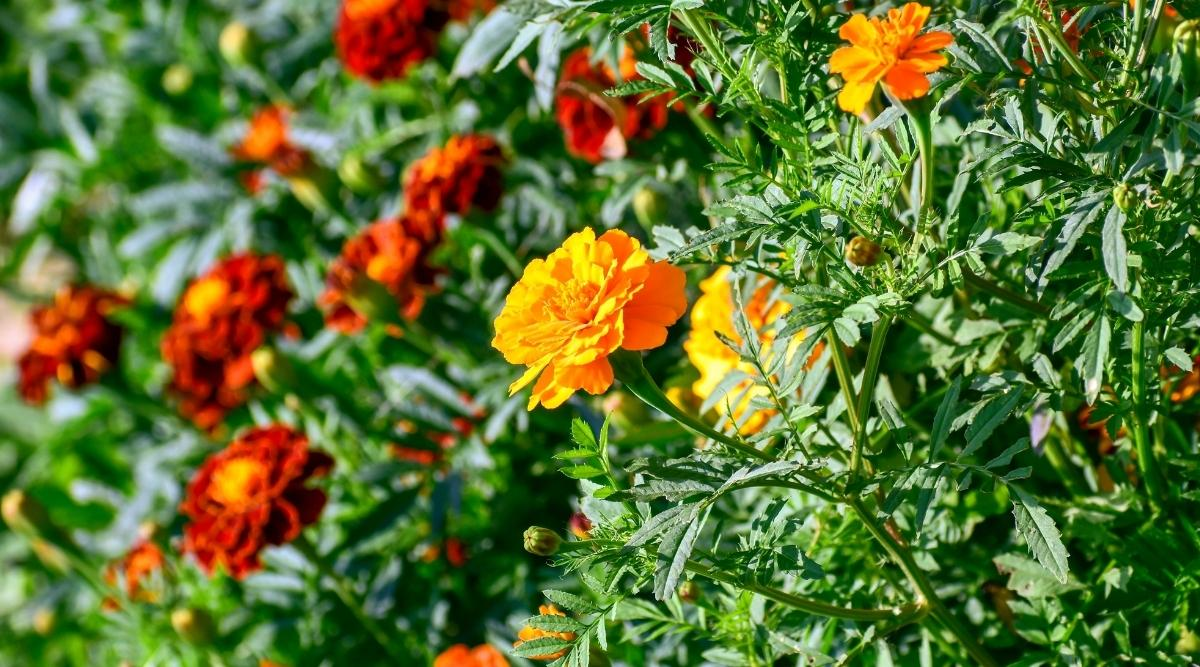
African marigold (Tagetes erecta) is built to bloom hard—big, ruffled pom‑poms in sun‑lit golds and oranges from summer into fall. When flowering halts or foliage gets funky, quick triage and a few smart cultural tweaks can bring it roaring back. Use this rapid troubleshooting map to diagnose fast, act decisively, and get those blooms back on schedule.
Rapid symptom-to-solution map
- Sudden collapse, blackened crown, or a sour, soggy smell at the base
- Likely: Root/stem rot from waterlogged soil
- Do now:
- Unpot and inspect. Trim brown mushy roots to white, firm tissue.
- Repot into fresh, fast‑draining mix (add coarse perlite) and a pot with clear drainage.
- Water once, then let the surface dry slightly before the next watering.
- Keep in full sun with good airflow; never let containers sit in saucers of water.
- White, floury film on leaves; leaves yellow and distort; lower foliage shaded and dense
- Likely: Powdery mildew
- Do now:
- Remove the worst‑affected leaves; don’t compost if infections are heavy.
- Improve airflow: thin crowded stems, space plants, avoid overhead watering.
- Treat with a fungicide labeled for powdery mildew (e.g., sulfur or potassium bicarbonate). Repeat per label.
- Weird, green‑veined yellowing, stunted growth, distorted flowers that look “witchy”
- Likely: Aster yellows (phytoplasma disease spread by leafhoppers)
- Do now:
- Remove the entire plant, roots and all. Bag and trash. There’s no cure.
- Control leafhoppers nearby with row cover on new plantings, and keep weeds down.
- Replant with healthy stock; monitor neighbors for odd yellowing.
- Silvery streaks or rasped petals, deformed buds, black specks (thrips frass)
- Likely: Thrips
- Do now:
- Blast foliage and undersides with a firm jet of water in the morning.
- Follow with insecticidal soap or horticultural oil, covering buds and leaf undersides. Repeat weekly 2–3 times.
- Use blue or yellow sticky cards to monitor.
- Fine stippling on leaves, bronzing, tiny webbing in heat
- Likely: Spider mites
- Do now:
- Hose off undersides routinely (morning), then apply horticultural oil or insecticidal soap.
- Improve airflow; avoid drought stress. Reapply weekly until new growth is clean.
- Lots of leaves, few flowers; lush but lazy
- Likely: Too little sun, too much nitrogen, or hot, humid, stagnant air
- Do now:
- Move to full sun (6–8+ hours). In very hot zones, offer light afternoon shade.
- Switch to light, balanced feeding every 2–4 weeks or a bloom‑boost formula with more P/K.
- Deadhead spent blooms and pinch lanky tips.
- Open up spacing; add a breeze.
—
Deep dives and fast fixes
Root and stem rot: rescue protocol
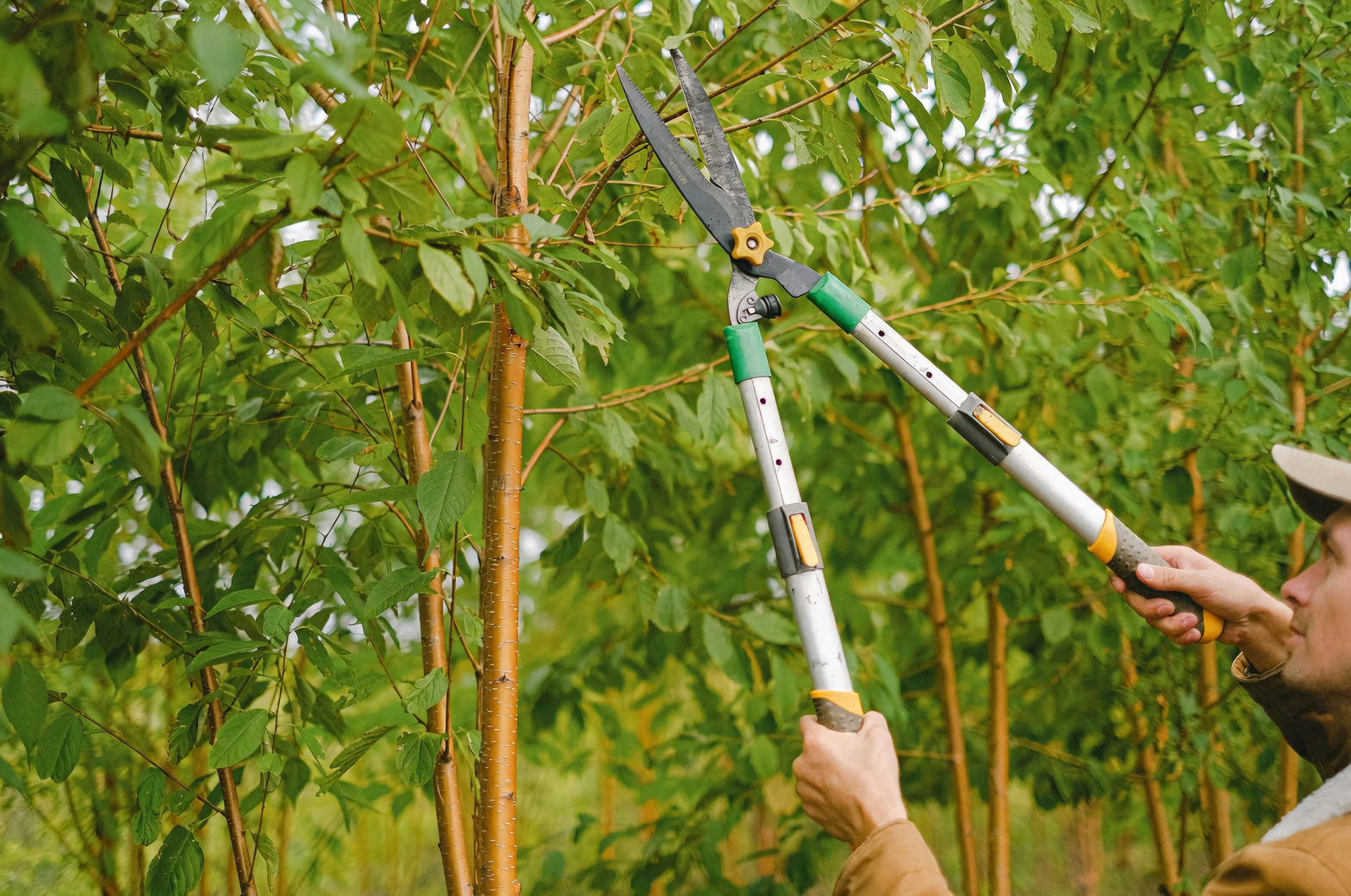
- Why it happens
- Waterlogged soil + poor drainage suffocate roots; fungi/bacteria take over. Containers without free drainage are the usual culprits.
- Triage steps
- Lift the plant. Healthy roots are firm and whitish; rot is brown/black and mushy.
- Prune back to clean tissue with sterilized scissors. Dust cuts with cinnamon or a labeled fungicide if you have it.
- Repot into a well‑draining mix (quality potting mix amended with coarse perlite; avoid heavy garden soil). Choose a pot at least 25 cm/10 in wide for larger T. erecta types and ensure generous drainage holes.
- Water deeply once, then allow the top of the mix to dry slightly before the next watering. Never keep the crown soggy.
- Prevent it
- Site in full sun. Water at the base, not over foliage. In beds, improve heavy soils with compost plus coarse sand/perlite. Avoid saucers of standing water.
Powdery mildew: clean, thin, protect
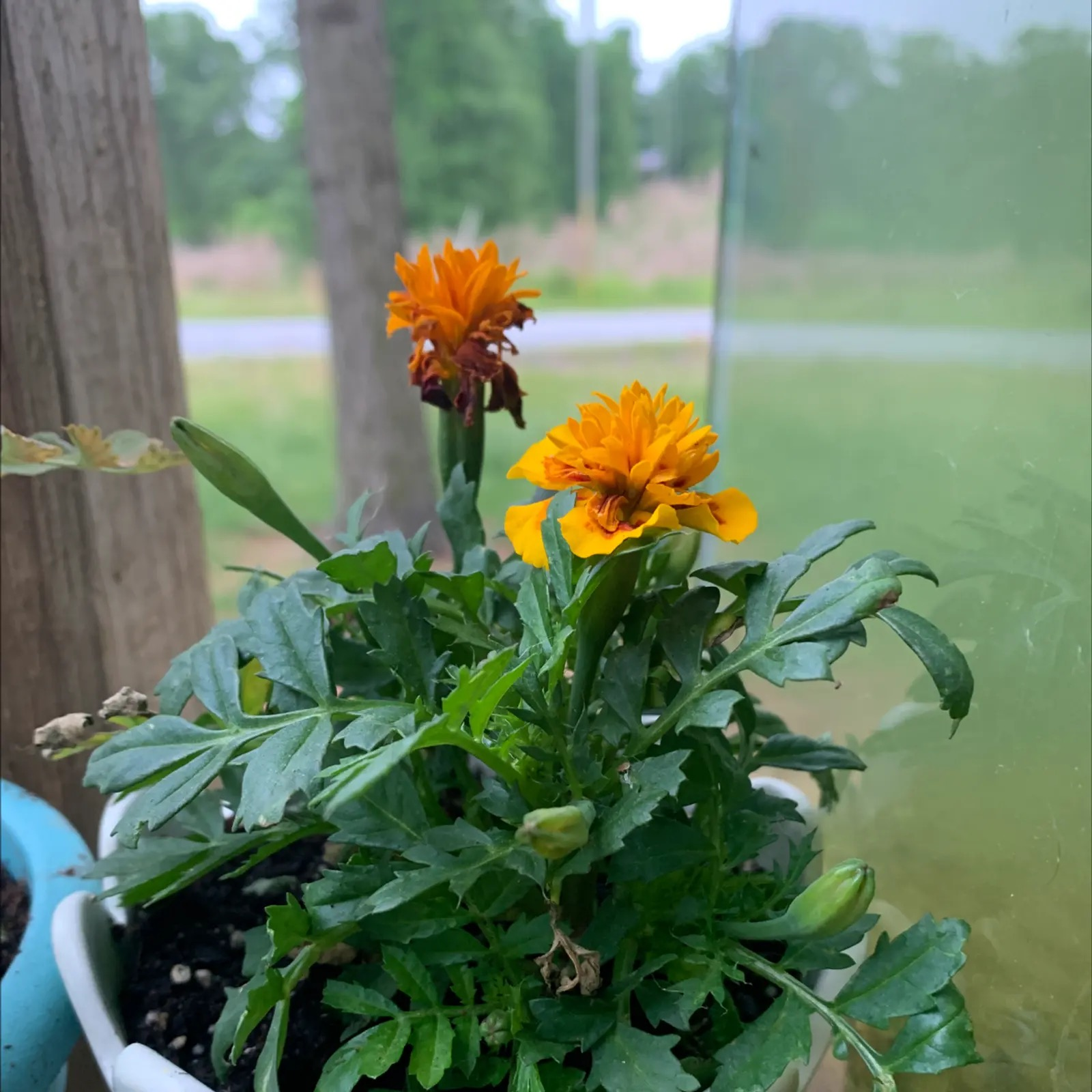
- Spot it
- Powdery white film, often starting on crowded, shaded foliage in warm conditions with stagnant air.
- What to do
- Strip worst leaves; keep green “solar panels” when possible.
- Increase airflow: space plants to their mature width, thin inner shoots, and avoid evening overhead watering.
- Treat with a labeled fungicide (sulfur or potassium bicarbonate are common options for ornamentals). Coat both sides of leaves; reapply per label intervals.
- Keep it away
- Full sun, water at soil level, and a light seasonal cutback if plants get tall and dense.
Aster yellows: don’t hesitate, eradicate
- Spot it
- Chlorosis with green veins, distorted blooms, stunting—plants look haunted rather than simply hungry.
- What to do
- Remove and trash the entire plant immediately; do not compost.
- Reduce sources of leafhoppers (weeds), and consider floating row cover for new transplants in high‑pressure areas.
- Replanting
- Start fresh with healthy stock; keep new plants in bright, airy conditions and monitor nearby ornamentals.
Thrips: stealth bud scrapers
- Spot it
- Silvery flecking on leaves, brown rasping on petals, deformed buds; tiny cigar‑shaped insects, often inside blooms.
- Control rhythm
- Morning hose‑down (undersides and buds) to dislodge.
- Follow with insecticidal soap or horticultural oil; apply in the cool of day and avoid drenching fully open blooms to preserve petals. Repeat weekly for 2–3 cycles, rotating products if needed.
- Sanitation: remove spent flowers quickly; they’re thrips nurseries.
- Encourage beneficials by avoiding broad‑spectrum insecticides.
Spider mites: heat‑loving sap‑suckers
- Spot it
- Pin‑prick stippling, bronzing, fine webbing in hot, dry spells.
- Control rhythm
- Strong water sprays (especially undersides) + horticultural oil or insecticidal soap weekly until new growth is clean.
- Cultural: don’t let plants bake in reflected heat; brief light afternoon shade in extreme heat can reduce stress. Keep soil moisture even—but never soggy.
—
Airflow, light, and fertilizer tweaks to rescue flowering fast
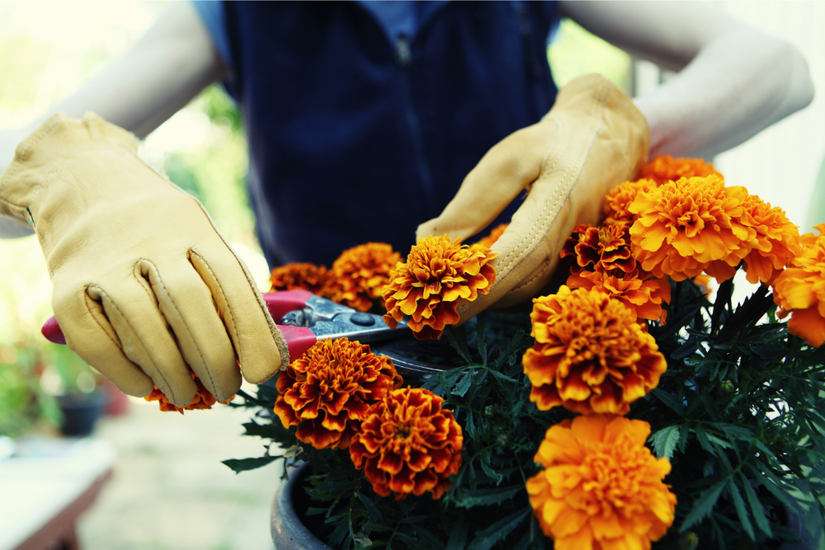
- Sunlight sweet spot
- Aim for 6–8+ hours of direct sun. In very hot climates, give light afternoon shade to prevent stress that can stall blooming.
- Air makes flowers
- Space plants to their mature width; avoid hedge‑like density.
- Thin inner shoots to let light and breeze in.
- On balconies or patios, a gentle fan during hot, humid, still spells can dramatically cut mildew and pest pressure.
- Feeding for flowers (not just foliage)
- At planting: mix in compost or use a balanced fertilizer.
- In season: light feeding every 2–4 weeks with a balanced formula (e.g., 10‑10‑10 or 20‑20‑20). If you’ve overdone nitrogen (all leaves, no buds), pause feeding for two waterings, then resume lighter, and/or switch to a bloom‑friendly feed a touch higher in phosphorus/potassium before peak bloom.
- Watering rhythm
- Water deeply, then let the surface dry slightly before the next drink. Containers dry faster in heat; check with a finger test. Always water at soil level to keep foliage and blooms dry.
- Prune for pop
- Pinch early to branch. Deadhead spent blooms to keep the assembly line going. If plants get tall and loose mid‑season, a moderate cutback triggers fresh growth and another flush of buds.
Result to expect: with corrected sun/airflow and a bloom‑smart feeding schedule, you’ll often see new buds in 7–14 days on healthy plants.
—
Container quick check (fast wins)
- Pot and mix: a free‑draining potting mix with extra perlite; no saucer‑soaking.
- Size: dwarf types handle ~15 cm/6 in pots; larger African marigolds prefer 25 cm/10 in+.
- Placement: full sun, with an afternoon breather in extreme heat.
- Routine: base‑watering, light feeds, frequent deadheading, and regular underside rinses if thrips/mites appear.
—
When to start over—and how to bounce back
- Pull and replace if you see:
- Aster yellows symptoms (no cure).
- Advanced crown/root rot where few healthy roots remain.
- Buy smart replacements
- Choose compact, stocky plants with sturdy stems, healthy mid‑green to gray‑green leaves, and lots of buds just about to open.
- Planting notes
- Improve bed drainage; in heavy soils blend compost plus coarse sand/perlite.
- Keep strong sun and good airflow from day one to prevent repeat issues.
—
A tiny cultural note on “flower language”
Marigolds carry big symbolism across cultures. In Mexico and Central America—its native home—Tagetes erecta is central to Día de los Muertos, guiding and honoring the departed with radiant color and scent. In parts of South Asia, it threads through festivals and weddings as a sign of purity, prosperity, and good fortune. In Chinese contexts it’s linked with longevity and respect for elders. Western traditions mix remembrance with, at times, more somber notes like grief or jealousy. These meanings aren’t botanical properties; they’re cultural stories layered onto a plant that simply excels at shining when days are warm and bright.
—
Fast recap: give African marigolds full sun, sharp drainage, and a steady breeze; feed lightly; water at the base; deadhead often. If rot strikes, unpot and refresh the roots and mix; if powdery mildew powders, thin and treat; if aster yellows warps growth, remove and replant; if thrips or mites speckle leaves, rinse and follow with soap or oil. Do the simple things swiftly, and the pom‑poms will follow.