

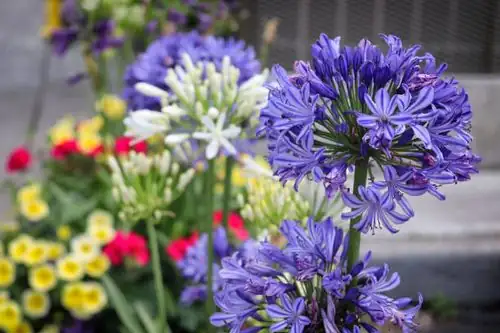
If your Lily of the Nile looks all leaves and no fireworks, you’re not alone. Agapanthus africanus is famously forgiving once it’s settled—but a handful of very fixable missteps can stall blooming or stress the plant. Here’s a practical, field-tested guide to diagnosing and correcting the big six culprits: light deficits, nitrogen overload, too‑big pots, post‑division pauses, winter wet, and cultivar/climate mismatches.
Meet Agapanthus africanus at a glance
- What it is: A rhizomatous perennial from South Africa that forms glossy, strap-like clumps and throws up tall stems topped with spherical heads of trumpet blooms.
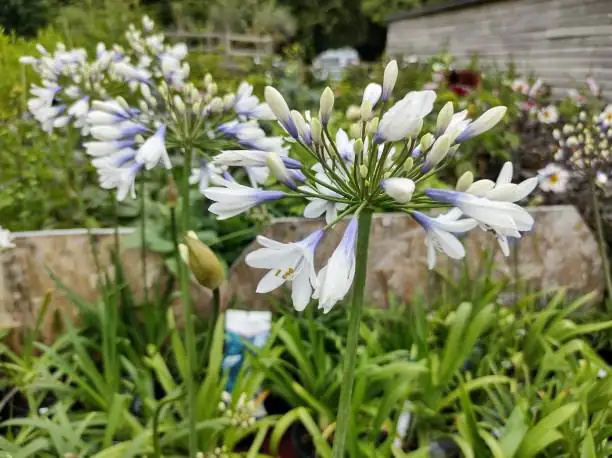
- What it looks like: Dark green leaves 12–24 in long; rounded umbels holding dozens of blue, purple, or white flowers on sturdy stems.
- Size: Clumps about 2–3 ft tall and ~2 ft wide; flower stalks often 3–4 ft.
- Bloom window: Mainly early to mid-summer (June–August); in frost-free areas some varieties stretch from late spring into fall.
- Best conditions: Full sun (6–8 hours), fertile but sharply drained soil (slightly acidic, pH ~5.5–6.5), steady moisture in growth, much drier in winter.
- Hardiness: Commonly grown in USDA 7–11. Deciduous types tend to be tougher in cold; evergreen types need more protection.
Why blooms fail: the short list
- Not enough sun
- Too much nitrogen fertilizer
- A pot that’s too large (not root-bound enough)
- A normal “pause” after dividing or transplanting
- Cold, soggy winter soil (root/rhizome rot)
- A cultivar that doesn’t suit your climate or winter lows
- Bonus factors: plants too young (seed-grown often need 3–5 years), or recent stress (repotting, moving)
Troubleshooting, one culprit at a time
1) Light deficits
What you see
- Lush leaves with few or no flower stalks
- Stems that lean or stretch toward the brightest side
- Short-lived or undersized umbels
How to fix it
- Aim for 6–8 hours of direct sun. In very hot regions, give light afternoon shade.
- Move containers to the sunniest spot you have; rotate pots every couple of weeks for even light.
- In-ground? Gently thin overhead shade or shift the plant next spring.
Prevent it next season
- Site selection is everything—full sun is the most common difference between “meh” and “magnificent.”
2) Nitrogen overload
What you see
- Big, glossy foliage with disappointing or absent blooms
- Rapid, floppy leaf growth
- Dark green leaves but little floral action
How to fix it
- Stop high‑N feeds. In spring, switch to a balanced fertilizer (e.g., 10‑10‑10), then repeat lightly about two months later.
- To tip the scales toward flowers, feed with a phosphorus‑leaning formula (e.g., 5‑10‑10) early to mid-season.
- Don’t fertilize after August.
- In containers, leach the pot (slowly run water through the mix) to rinse out excess salts, then resume a light, regular feed every 4–6 weeks in the growing season.
Prevent it next season
- Keep lawn fertilizer drift away from beds and pots.
- Fold in organic options like compost or bone meal rather than chasing fast, leafy growth.
3) The too‑big pot problem
What you see
- A healthy, sprawling plant in a cavernous pot…that just won’t flower
- Soil staying wet too long after watering
- Slow spring wake‑up compared to similar plants
Why it happens
- Agapanthus flowers best a bit root‑bound. Oversized pots hold extra moisture and reduce the warm, snug conditions that cue strong blooming.
How to fix it
- Right‑size the container. Repot only when tightly packed, stepping up roughly 4 in (10 cm) wider than the existing root mass.
- Use a fast‑draining mix (quality potting mix amended with grit or coarse sand). Ensure excellent drainage holes.
- Water deeply, then let the top layer dry before watering again.

Prevent it next season
- Resist overpotting new purchases. A slightly crowded root zone is your ally for blooms.
4) Post‑division pauses (totally normal)
What you see
- Reduced or absent flowers for a season after dividing or repotting
- Perfectly fine leaves, but bloom count is down
Why it happens
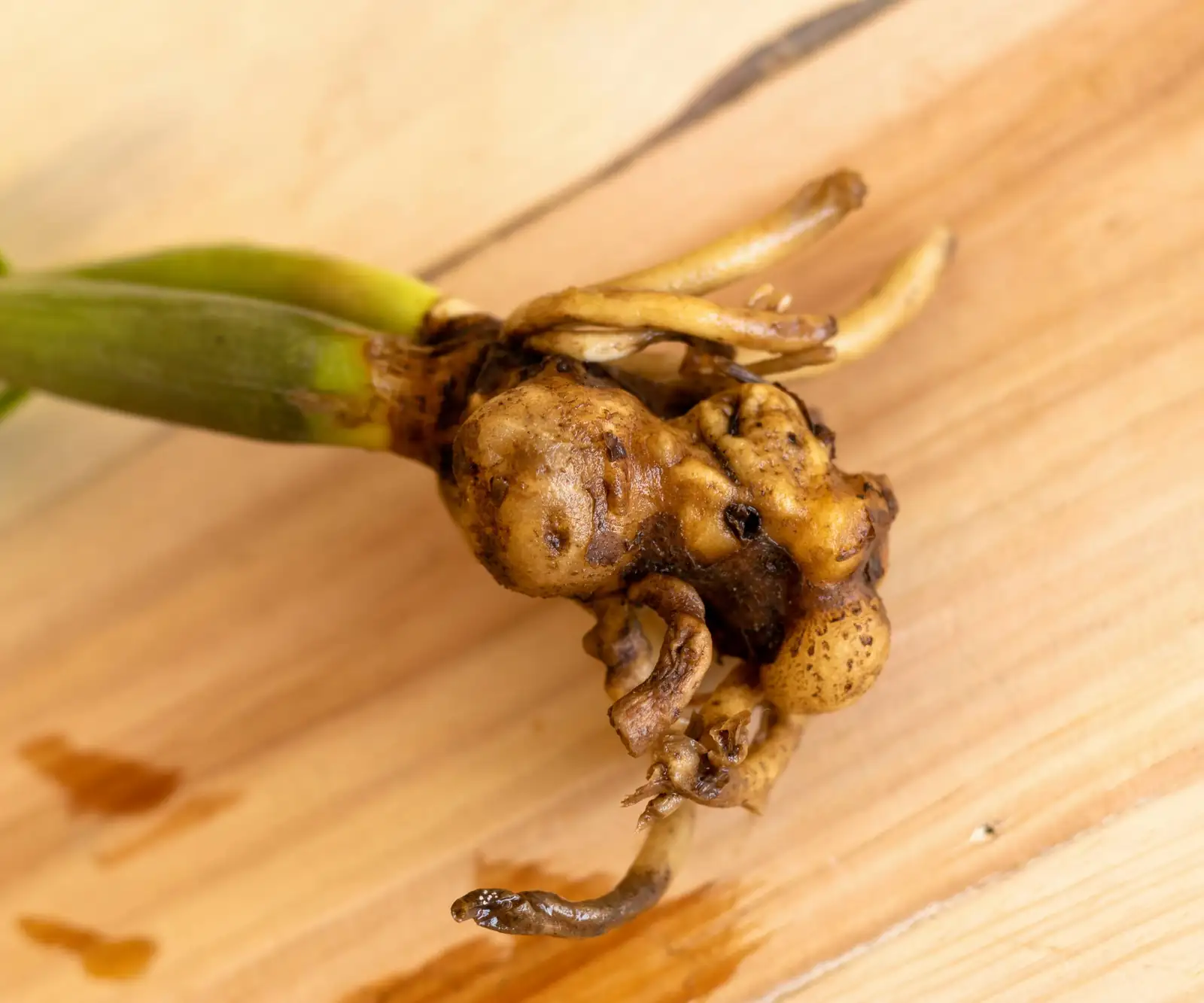
- Dividing disturbs fleshy rhizomes and short, tuberous roots. Plants often need a season to re‑establish before returning to full bloom.
How to fix it
- Give time. Expect a lighter bloom year after spring division.
- Best timing:
- Deciduous forms: divide in early spring.
- Evergreen forms: many growers divide in autumn after flowering.
- Technique: Use a clean, sharp knife so each division has roots and at least one strong growing point.
- Aftercare: Keep evenly moist (not soggy), feed lightly, and protect from harsh extremes while roots settle.
Prevent it next season
- Divide clumps every 4–6 years in garden beds (4–5 for pots) to refresh vigor without overly stressing the plant.
5) Winter wet (the silent bloom‑killer)
What you see
- Yellowing, wilting leaves despite “plenty of water”
- Mushy, discolored rhizomes and roots with a sour smell
- Plants that fail to thrive in spring
Why it happens
- Cold, saturated soil suffocates roots and invites rot. Agapanthus dislikes soggy winter conditions.
How to fix it
- For potted plants: unpot, trim away mushy tissue, and replant into a fresh, sharply drained mix. Let the top inch dry between sips.
- For in‑ground plants: improve drainage with grit or sharp sand; mound or use raised beds if soil is heavy. Mulch to buffer temperature, but keep mulch off the crown.
- Overwintering: keep much drier. In colder zones, move containers to a bright, frost‑free spot and water sparingly until spring growth resumes.
Prevent it next season
- Never let pots sit in saucers of water.
- Choose sites that drain quickly; sandy loam is excellent.
- Remember: in winter, protection from cold + dryness at the roots is the winning combo.
6) Cultivar/climate mismatches
What you see
- Plants that limp through winter or lose buds after a late frost
- Evergreen types struggling in colder zones
- Underperformance in very humid or very hot regions without the right siting
How to fix it
- Match type to climate. Deciduous forms generally handle cold better; evergreen forms are more cold‑sensitive.
- In USDA 7–11, use microclimates: a sunny wall, south‑facing bed, or protected patio for marginal plants.
- In hot climates, give light afternoon shade and excellent airflow to reduce stress.
- Buy wisely:
- Choose plants with clean, glossy foliage and firm rhizomes.
- Favor well-labeled selections that specify evergreen vs. deciduous and mature size.
- Skip sour‑smelling pots or blackened roots (rot).
Rapid diagnostic checklist
- Am I giving 6–8 hours of sun? If not, relocate or thin shade.
- Is my feeding too leafy? Shift to balanced, then phosphorus‑leaning; stop after August.
- Is the pot oversized and slow‑drying? Downsize at next repot or wait until root‑bound to step up just one size.
- Did I divide this year? Expect a temporary bloom dip; focus on aftercare.
- Are winter roots staying wet? Improve drainage, raise beds, move pots under cover, water far less in winter.
- Is my plant type suited to my winter lows? Choose deciduous for colder areas; give evergreen forms extra protection.
A simple year‑round tune‑up
- Spring: Plant or divide at the recommended time; resume regular watering; feed lightly. Aim for full sun.
- Summer: Keep moisture steady; deadhead entire spent stalks at the base for tidiness; give a mid‑season light feed if needed.
- Fall: Taper watering and feeding; divide evergreen forms after flowering where appropriate; clean up damaged foliage.
- Winter: Keep much drier; mulch in-ground plants in colder areas; shelter containers from hard frost in bright light.
Pot and border recipes that work
- Soil: Fertile, moisture‑retentive but well‑drained. For containers, use a premium potting mix cut with grit or coarse sand.
- pH: Slightly acidic (about 5.5–6.5).
- Spacing: Give clumps breathing room for airflow—helps curb fungal issues.
- Repot cadence: About every 2 years, only 4 in (10 cm) wider when packed tight.
Common pests and easy fixes
- Usually trouble‑free. Watch for aphids, mealybugs, and spider mites.
- First response: strong water spray; follow with horticultural soap or neem if needed.
- Good spacing and airflow help fend off fungal problems.
Safety note
- Toxic if ingested by people and pets; sap may irritate skin. Wear gloves when dividing and keep plants out of reach of children, cats, and dogs.
Flower language, briefly and beautifully
The name Agapanthus blends the Greek agape (love) and anthos (flower), so it’s long been a symbol of love, devotion, and enduring affection. Color adds nuance: blue reads as loyalty and steadfastness; white evokes sincerity and purity. It’s a fitting emblem for a plant that returns, reliably, to put on a summer show—once you meet its simple, sun‑and‑drainage terms.
—
Bottom line: give Agapanthus africanus sun, a leaner feeding hand, snugger pots, patience after division, dry feet in winter, and the right type for your climate—and those sky‑blue or snowy globes will come roaring back.


