
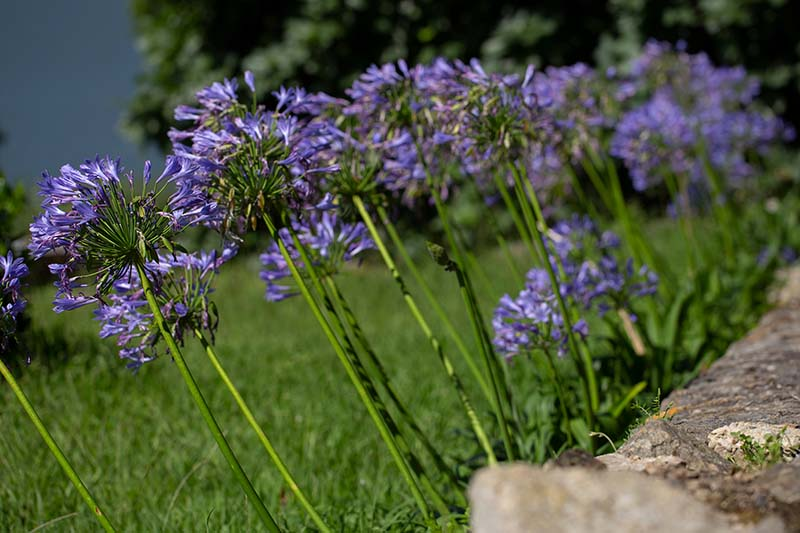
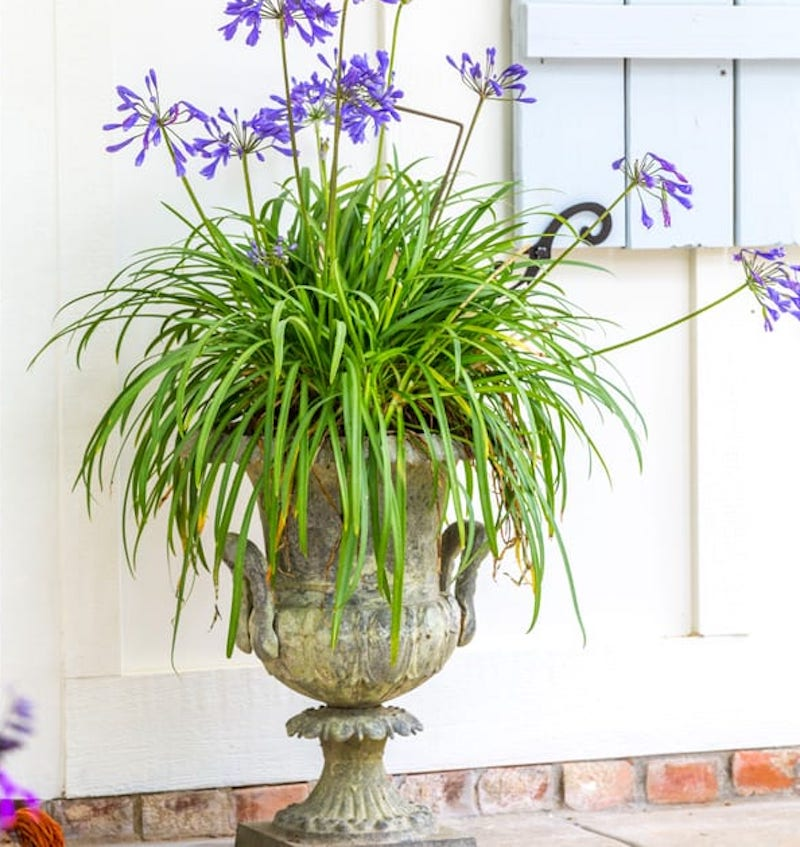
If you garden with Agapanthus africanus—Lily of the Nile—you know the summer payoff: sleek green fans, then firework globes of blue, purple, or white that hover on sturdy stems. The real trick is keeping those clumps happy through winter so they roar back in June. The secret? Tailoring your mulch, moisture, and movement (lift or leave?) to your USDA zone—and knowing whether your plant is evergreen or deciduous.
What you’re growing, at a glance
- Names you’ll hear: Lily of the Nile, African Lily, Love Flower (Agapanthus africanus)
- Look and size: Upright clumps of glossy, strap-like leaves (12–24 in long). Flower stalks rise to 3–4 ft, with rounded umbels holding 20–100 trumpet blooms.
- Sun: Best flowering in full sun—aim for 6–8 hours. In very hot climates, give light afternoon shade.
- Soil: Fertile, moisture-retentive but well-drained; slightly acidic (around pH 5.5–6.5). Avoid waterlogging at all times.
- Hardiness baseline: Generally grown in USDA Zones 7–11. Evergreen forms (like A. africanus) are more cold-sensitive; deciduous forms handle cold better. Some cultivars can edge into Zone 6 with protection.
Cold-hardiness essentials
- Cold + wet is the enemy. Agapanthus prefers dryish winters with excellent drainage.
- Evergreen vs. deciduous matters:
- Evergreen: Keep foliage through winter; more frost-sensitive. Needs brighter, frost-free shelter if containers are overwintered.
- Deciduous: Foliage dies back naturally; rhizomes are more cold-tolerant and can rest drier.
Zone-wise winter game plan
Zones 9–11: Easy street
- In the ground
- Mulch: 2–3 in of airy mulch (pine needles, shredded bark) in late fall to buffer soil temps and moderate swings.
- Moisture: Rains can be heavy—use raised beds or add grit to keep roots from sitting wet. A gravel “collar” around the crown helps water shed away.
- In pots
- Keep outdoors; set under an eave to avoid constant winter rain.
- Water lightly and infrequently—just enough to keep the root ball from bone-dry. No fertilizer.
Zone 8: Protect from sharp snaps
- In the ground
- Mulch: 3–4 in after the soil cools, keeping mulch pulled back 1–2 in from the crown.
- Moisture control: Plant slightly proud of grade, amend with grit, and consider a rain-shadow (wall/eave) to avoid winter soak.
- Evergreen clumps may need a breathable frost cloth during hard cold.
- In pots
- Cluster containers against a south- or west-facing wall. Elevate on pot feet for drainage.
- Wrap pots with burlap/bubble wrap, or slip them into a larger decorative cachepot with insulating material.
- During hard freezes, move to a sheltered porch or garage with bright light; water sparingly.
Zone 7: Borderline—mulch deeply or plan to lift
- In the ground
- Mulch: 4–6 in once consistent cool arrives. Use materials that insulate but don’t trap sogginess (pine needles, shredded leaves mixed with bark).
- Drainage: Essential. Raised mounds or berms help; a thin decorative gravel top-dress sheds water away from the crown.
- Consider lifting crowns of evergreen forms before a hard freeze if your soil stays wet in winter.
- In pots
- Move indoors before hard frost to a bright, frost-free spot. Keep much drier; water about once a month.
- No feeding until spring.
Zone 6: Treat as tender unless you have a proven hardy selection
- In the ground
- Best strategy: Lift and store rhizome clumps before hard frost, especially evergreen forms.
- If trialing in situ: Plant high in sharply drained soil, mulch 6 in after the soil cools, and use a breathable cover during deep cold. Success varies—protection and drainage make or break it.
- In pots
- Bring indoors to bright light before freezes. Keep cool and on the dry side; water monthly. Do not fertilize.
Colder than Zone 6: Grow in containers
- Enjoy them outdoors spring to fall; overwinter indoors in bright light, cool room temps, and minimal water.
Mulch and moisture control masterclass
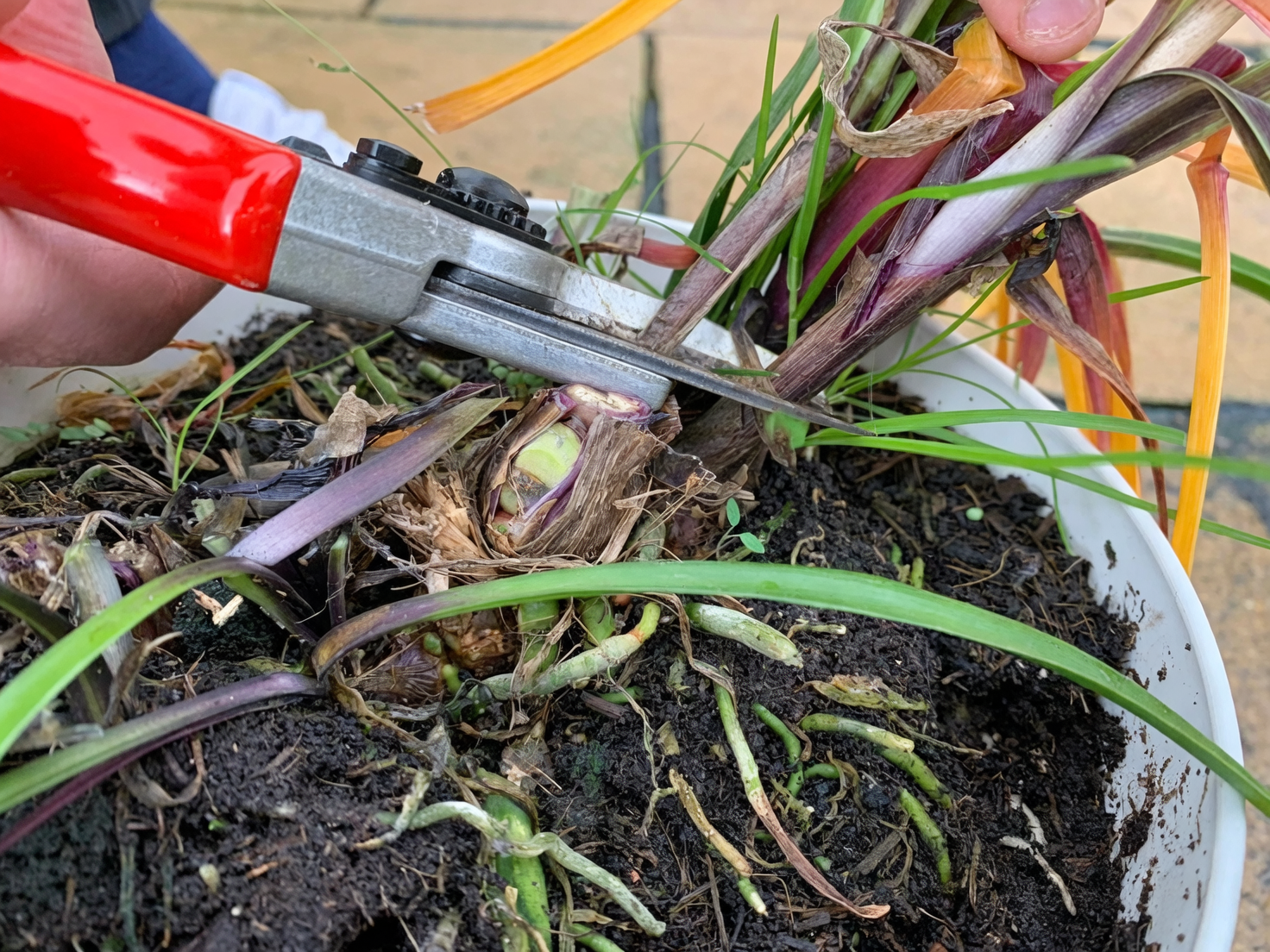
- Choose airy mulch that insulates without smothering:
- Best: Pine needles, shredded bark, or a bark–leaf mix.
- Avoid thick, soggy mats of unshredded leaves.
- Thickness by zone
- Zones 9–10: 2–3 in
- Zone 8: 3–4 in
- Zone 7: 4–6 in (pull back from the crown)
- Keep crowns dry
- Plant on a slight mound; top with a 0.5–1 in ring of gravel around the crown.
- Aim for sandy loam or amend with grit; never let winter water pool.
- Winter watering
- In-ground: Usually skip. Water only if winter is unusually dry.
- Containers: Water lightly about once a month, just enough to prevent complete desiccation.
How to lift and store crowns (rhizomes)
- Timing
- Deciduous types: After foliage yellows and collapses in late fall.
- Evergreen types: Before hard frost; trim leaves to 6–8 in only if needed.
- Steps
- Loosen soil 6–8 in beyond the clump; lift carefully to keep rhizomes intact.
- Shake off excess soil; let the clump dry a few hours in a shaded, airy place.
- Pot the clump into a nursery pot with sharply draining mix OR wrap the cleaned rhizomes in barely moist peat/coir with plenty of air space.
- Store cool, bright, and frost-free (about 2–10°C / 36–50°F). Evergreen forms appreciate brighter conditions.
- Check monthly. Remove any rot promptly; mist the storage medium very lightly if it gets crispy.
- Replanting
- In spring, when frost danger passes and soil warms, replant or move containers back outside. Resume regular watering and a balanced spring feed.
Protecting pots like a pro

- Pick the right container: Frost-proof materials (fiberglass, high-quality resin, thick glazed ceramic with drainage). Terra-cotta can crack where freezes are severe.
- Elevate and insulate: Pot feet for drainage; wrap sides with burlap/insulation; cluster pots to share warmth.
- Best winter placements: Against a sunny wall; under wide eaves to limit rain; or indoors in bright light if nights will freeze hard.
- Winter routine: Keep much drier; no fertilizer; remove any standing saucer water immediately.
Evergreen vs. deciduous care differences
- Cold tolerance
- Evergreen (e.g., A. africanus): More cold-sensitive; protect earlier and more thoroughly.
- Deciduous: Naturally drop leaves; generally more cold-hardy and happy with a drier, cooler rest.
- Watering in winter
- Evergreen: Keep just barely moist; don’t let sit wet.
- Deciduous: Go much drier; occasional sips if stored potted.
- Pruning
- Evergreen: Tidy ragged leaves in spring; if reducing top growth, trim to 6–8 in only as needed.
- Deciduous: Let leaves yellow and feed rhizomes, then remove.
- Division timing
- Deciduous: Early spring as growth restarts.
- Evergreen: Many growers divide in autumn after flowering.
- Feeding
- Both: Balanced feed in spring, again about two months later. For stronger blooms, a phosphorus-leaning formula mid-season. Avoid heavy nitrogen.
Spring reset for peak summer bloom
- Sun and soil: Full sun, fertile but draining sandy loam, pH around 5.5–6.5.
- Water: About 1 in/week during establishment, then closer to 1/2 in/week once established, adjusting for heat and soil.
- Fertilizer: Balanced in spring; phosphorus-leaning later. Stop feeding after August.
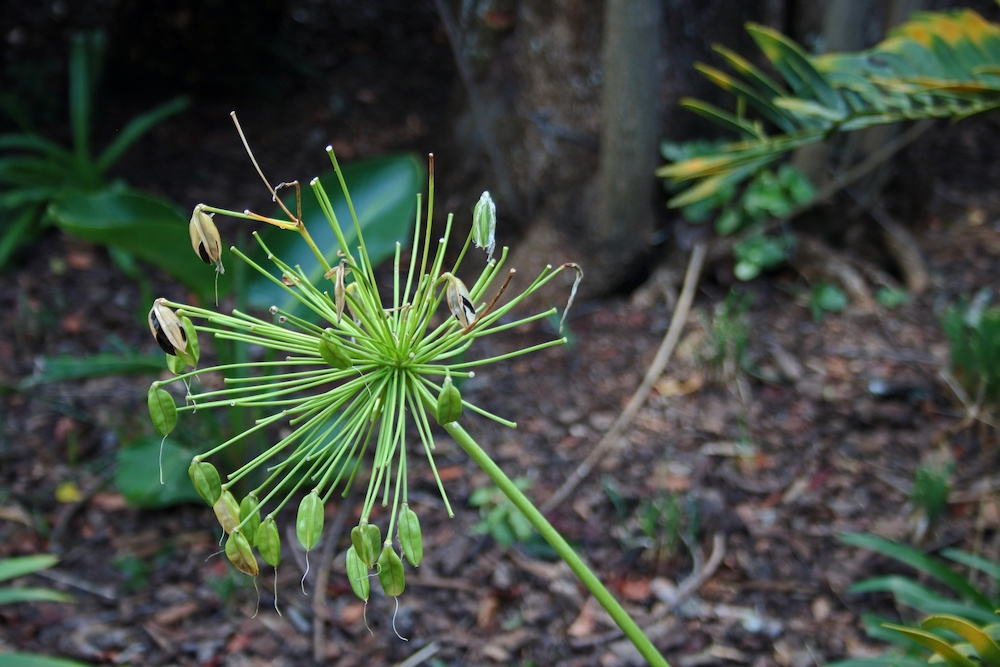
- Deadhead: Cut spent stalks at the base to tidy and encourage more flowers.
- Containers: Don’t overpot. They bloom best slightly root-bound; repot about every two years with a fast-draining mix.
Health, safety, and common snags
- Rot prevention: Soggy winter soil is the top killer. Improve drainage and reduce water in the off-season.
- Pests: Usually trouble-free. Watch for aphids, mealybugs, spider mites; rinse off or use horticultural soap/neem if needed. Provide airflow to deter fungi.
- Toxicity: All parts are toxic to people and pets if ingested; sap may irritate skin. Wear gloves when dividing, and keep plants away from children, cats, and dogs.
Symbolism: the “Love Flower,” grounded in language and botany
- The name Agapanthus marries Greek agape (love) and anthos (flower), which fuels its symbolism of love, devotion, and lasting affection.
- Color nuance
- Blue/purple: Loyalty, steadfastness—perfect for long partnerships.
- White: Purity and sincerity—often used to signal honest intentions.
- A note on “flower language”: Much of the modern language-of-flowers tradition bloomed in the Victorian era, but Agapanthus’ classical name gives this plant unusually firm symbolic roots. It’s a rare case where etymology and garden presence align beautifully.
Smart cultivar choices for colder gardens
- If you push the limits, choose deciduous, cold-leaning selections or hybrids often marketed for improved hardiness. In Zones colder than 7 (and especially 6), pair them with excellent drainage, deep mulch, and—the ace up your sleeve—containers you can protect.
Why this all works
- Agapanthus grows from fleshy rhizomes that store energy for the next summer’s show. Insulate them from deep cold, shield them from winter wet, and let them rest—then stand back for the fireworks.
Quick reference: do’s by season
- Fall
- Mulch after soil cools; taper watering.
- Decide: leave, lift, or move pots based on your zone and plant type.
- Winter
- Keep drier. Protect crowns; shelter pots.
- Evergreen: bright, frost-free quarters if moved indoors.
- Spring
- Remove mulch from the crown zone; resume watering.
- Feed lightly; divide at the recommended timing.
- Summer
- Full sun, steady moisture (never soggy).
- Deadhead and enjoy cut flowers that last for ages.
With the right zone-wise strategy—mulch that breathes, moisture you control, and smart moves for crowns and containers—Agapanthus africanus rewards you with a drama-filled summer finale, year after year.