


Imagine fireworks frozen mid-burst, hovering over glossy green ribbons of leaves—that’s Agapanthus africanus in peak summer. Native to South Africa yet perfectly suited to water-wise design, this rhizomatous perennial (often called Lily of the Nile or African Lily) is your anchor for bold color, clean structure, and low-maintenance borders. Here’s a design-forward playbook for combining colors and textures, staggering bloom time, choosing drought-smart companions (lavender, salvia, rosemary), and spacing plants for healthy airflow and easy upkeep.
Meet Agapanthus africanus at a glance
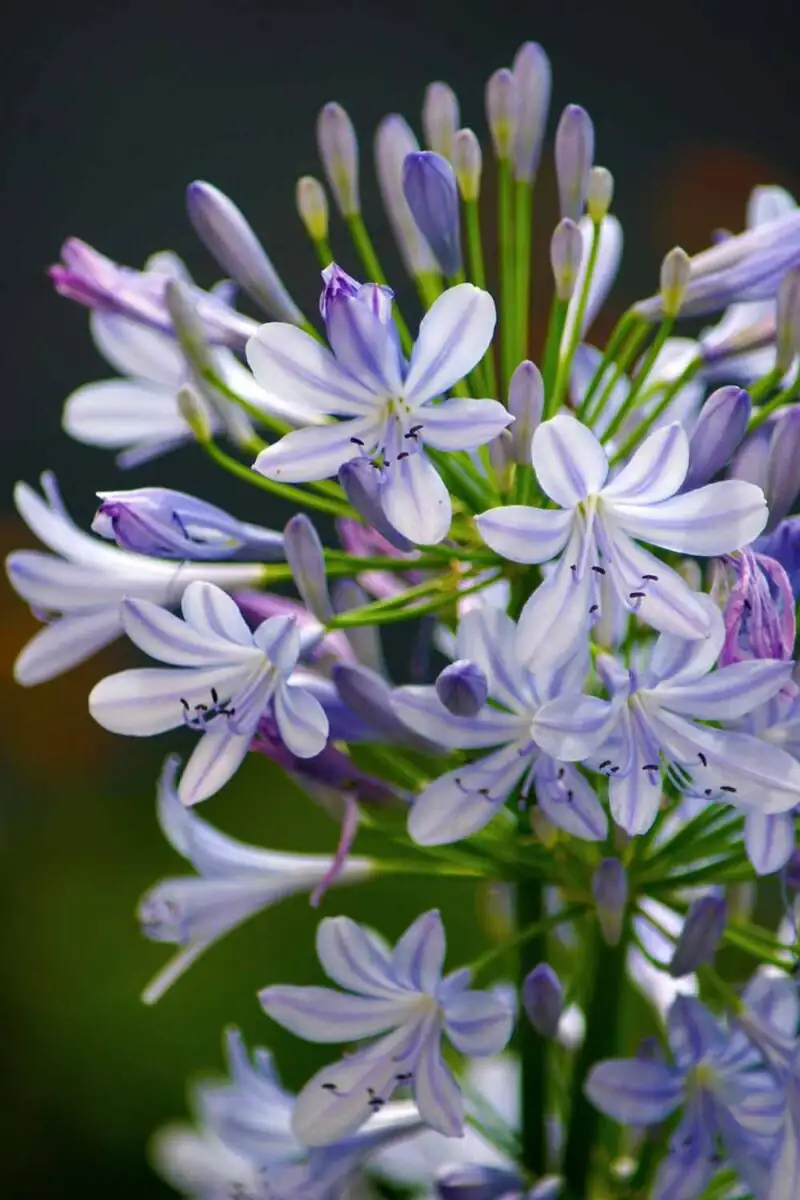
- Habit and size: Upright, tufted clumps from fleshy rhizomes; typically 60–90 cm (2–3 ft) tall and ±60 cm (2 ft) wide. Flower stalks often 90–120 cm (3–4 ft).
- Foliage: Long, arching, strap-like leaves (30–60 cm / 12–24 in), dark glossy green.
- Flowers: Spherical umbels with 20–100 trumpet-shaped florets in blue, purple, or white; held well above the foliage.
- Bloom window: Primarily June–August (early to mid-summer); in frost-free areas, some varieties stretch from late spring into fall.
- Sun and soil: Full sun for best flowering (6–8 hours). Fertile, well-drained soil (sandy loam is ideal), slightly acidic (pH ~5.5–6.5). Avoid waterlogging.
- Hardiness and placement: Generally USDA Zones 7–11. Terrific in sunny borders, along paths, and in containers.
The design playbook: color and texture that make Agapanthus sing
Color strategies
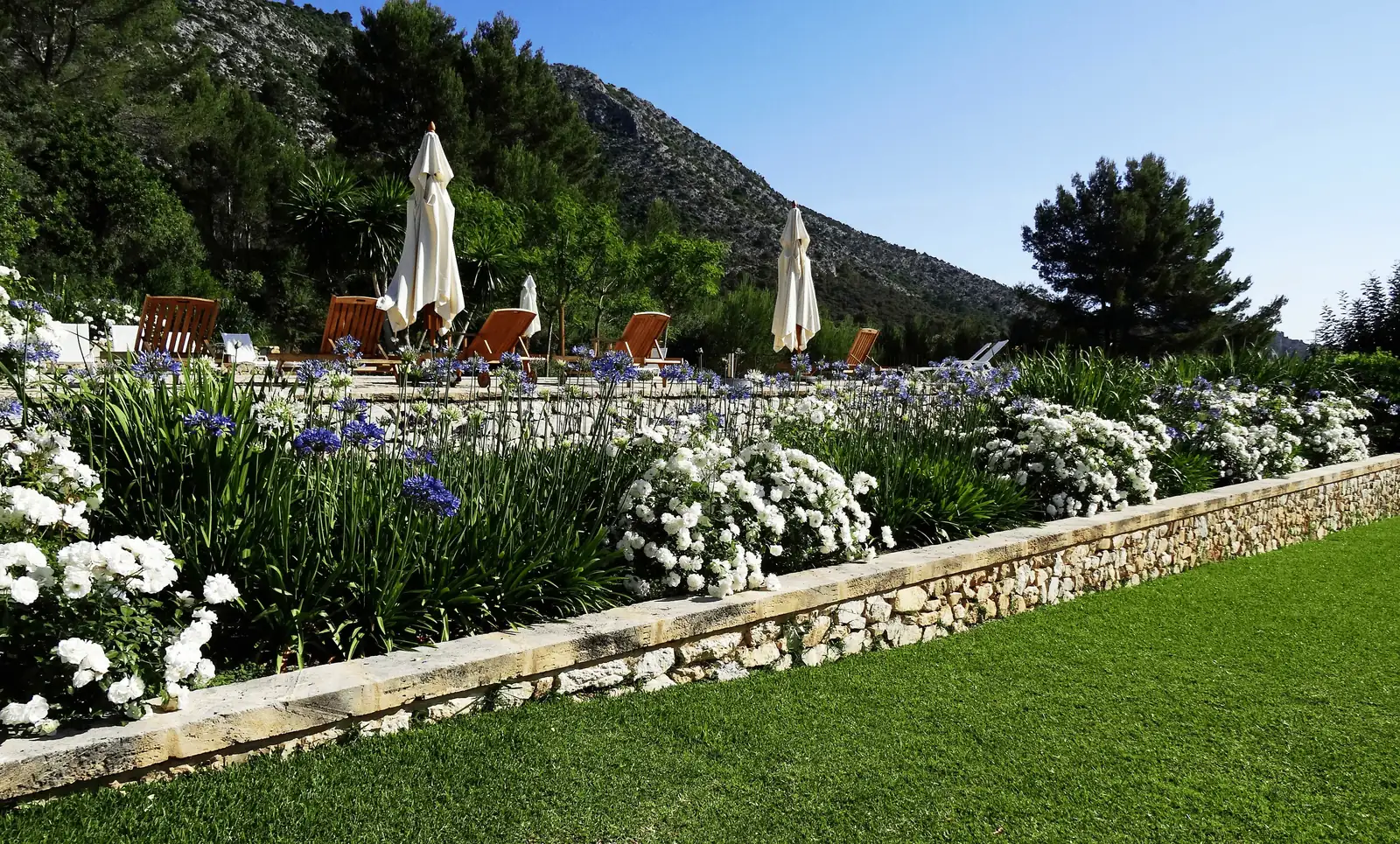
- Cool harmony: Pair blue or periwinkle agapanthus with silvery foliage for a coastal-calm palette.
- Partners: Lavender, rosemary, artemisia, lamb’s ear, sea holly (Eryngium), blue fescue.
- High-contrast drama: Set white agapanthus against deep greens or burgundy foliage for crisp, modern edges.
- Partners: Rosemary standards, dark-leaved phormium or loropetalum (where hardy), clipped box or bayberry backdrops.
- Analogous flow: Blue/purple agapanthus with violet salvias and indigo catmint keeps the eye moving in soothing waves.
- Partners: Salvia nemorosa, Nepeta, ornamental alliums.
Texture choreography
- Strap + haze: The strong, strappy leaves of agapanthus love the airy haze of grasses and salvias.
- Try: Pennisetum alopecuroides, Stipa tenuissima, Panicum ‘Shenandoah’ (in drier soils), Salvia ‘Caradonna’.
- Gloss + velvet: Glossy agapanthus foliage against the soft, felted surfaces of lamb’s ear and artemisia softens hardscapes.
- Globes + spires: Spherical umbels meet vertical wands for a dynamic skyline.
- Use: Lavender, rosemary (upright forms), veronica, gladiolus-byzantinus (dry-summer friendly bulb).
Bloom succession: keep the show rolling from spring to fall
- Spring set-up (structure and early color)
- Rosemary (many cultivars flower late winter to spring), rockrose (Cistus), thyme mats, and spring alliums lay the groundwork.
- Early to mid-summer crescendo
- Agapanthus takes the stage June–August alongside first flushes of lavender and salvia.
- Late-summer to fall handoff
- Salvia (reblooming types), sedum (Hylotelephium), asters, ornamental grasses, and mums extend color into autumn.
- Winter bones
- Rosemary standards or clipped evergreens (privet, bay, bayberry) keep the outline strong when perennials rest.
Tip: Leave a few agapanthus seed heads to dry for sculptural winter silhouettes or to harvest for dried arrangements.
Drought‑smart trio: lavender, salvia, rosemary (and a few ringers)
These Mediterranean stalwarts share agapanthus’ love of sun and excellent drainage. Once established, they thrive on modest irrigation.
- Lavender (Lavandula spp.)
- Role: Fragrant hedging, cool-toned flowers, silver foliage contrast.
- Spacing: 45–60 cm (18–24 in) for mid-sized varieties.
- Care sync: Light feeding and lean soils suit both lavender and agapanthus; overfertilizing reduces bloom quality.
- Salvia (perennial types like S. nemorosa, S. x sylvestris)
- Role: Vertical repetition, pollinator pull, repeat color.
- Spacing: 30–45 cm (12–18 in); shear after first bloom to refresh.
- Care sync: Enjoys sun and drainage; pairs perfectly at the front-middle tier with agapanthus just behind.
- Rosemary (Rosmarinus officinalis/S. rosmarinus)
- Role: Evergreen structure, culinary bonus, early-season bloom for continuity.
- Spacing: 60–120 cm (2–4 ft) depending on form.
- Care sync: Handles heat and dry spells; plant to the rear as a backdrop for agapanthus globes.
- Bonus companions to mix and match
- Artemisia, lamb’s ear (Stachys), thyme, sea holly (Eryngium), cistus, sedum, ornamental grasses (Pennisetum, Stipa, Festuca), rock garden allies (helianthemum).
- All are sun-lovers with good drought credentials once established.
Spacing for airflow and easy maintenance
Healthy spacing is the secret to fewer fungal issues, better bloom, and effortless grooming—especially in humid regions.
- Agapanthus center-to-center
- Standard borders: 45–60 cm (18–24 in).
- Humid climates or mass plantings: 60–75 cm (24–30 in) for extra breathing room.
- Companion placement
- Lavender: 45–60 cm (18–24 in) from agapanthus clumps.
- Salvia: 30–45 cm (12–18 in) in front or diagonally staggered.
- Rosemary: 60–120 cm (2–4 ft) behind, depending on cultivar size.
- Layout tricks
- Triangular spacing rather than straight lines creates fuller coverage with fewer plants and better airflow.
- Keep 30–45 cm (12–18 in) clearance along paths so strappy leaves don’t flop into walkways.
- Group plants with similar water needs together; use gravel or mineral mulches to keep crowns dry.
Site and soil recipe
- Sun: Aim for 6–8 hours of direct light; in very hot zones, a touch of afternoon shade reduces stress.
- Soil: Fertile, well-drained sandy loam is ideal; slightly acidic pH (5.5–6.5). In heavier soils, raise the bed and amend with grit for sharp drainage.
- Watering
- Establishment: About 2.5 cm (1 in) per week, keeping soil evenly moist but never soggy.
- Once established: Often closer to 1.3 cm (1/2 in) per week, depending on heat and soil; let the top layer dry between waterings.
- Winter: Go much drier until spring growth resumes.
- Feeding
- Spring: Balanced fertilizer (e.g., 10-10-10).
- Mid-season: Optional light top-up or a phosphorus-leaning 5-10-10 to support flowering.
- Organic options: Compost, bone meal, well-rotted manure.
- Stop feeding after August; avoid heavy nitrogen, which pushes leaves over flowers.
Containers: portable drama, minimal fuss
Agapanthus is a knockout “thriller” in pots and often blooms best slightly root-bound.
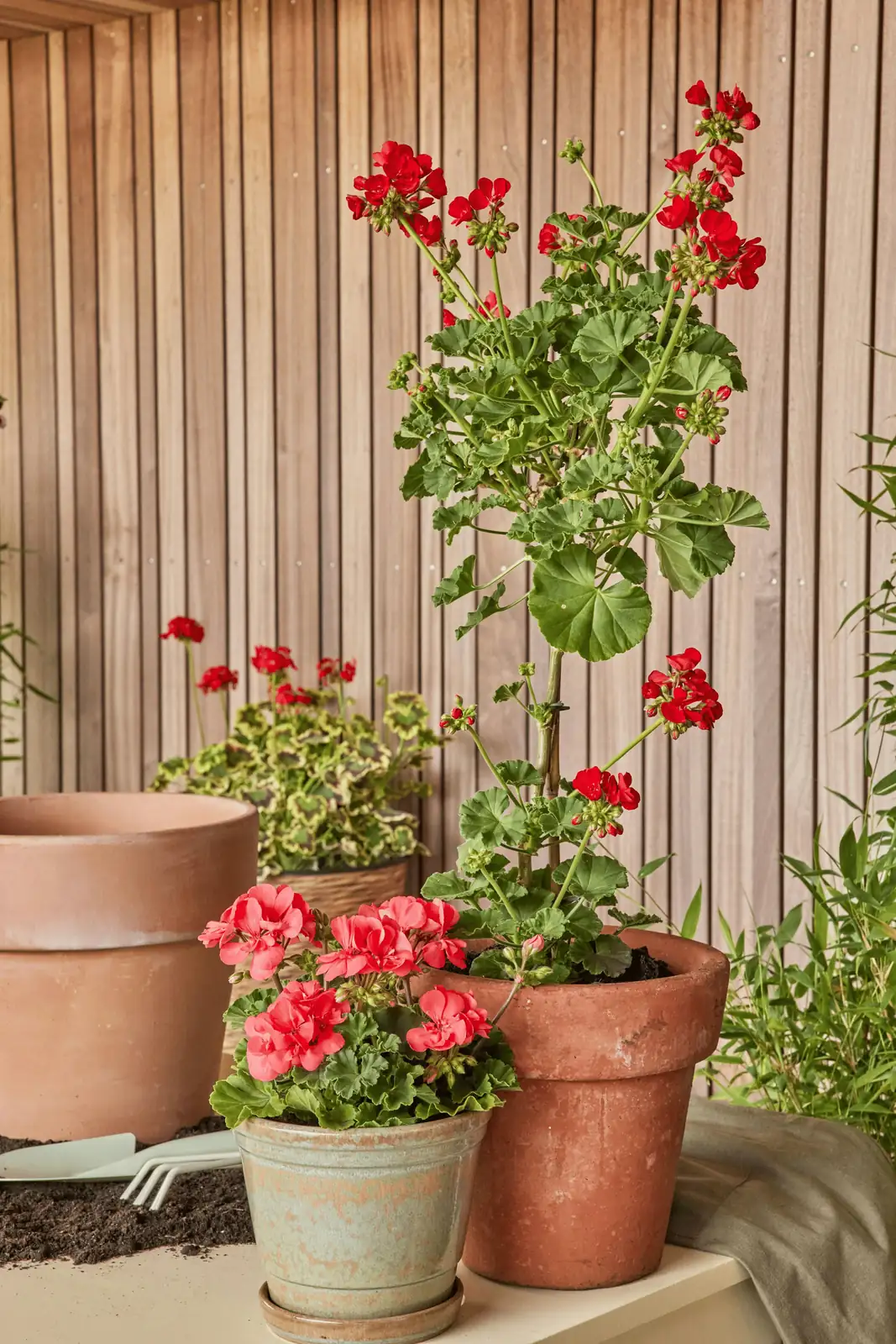
- Potting mix: Fast-draining mix with added grit or coarse sand; containers must have drainage holes.
- Sizing: Repot every ~2 years, stepping up about 10 cm (4 in) wider only when tightly packed.
- Sun and water: Full sun; water thoroughly, then allow the top few centimeters to dry.
- Overwintering: In cold regions, move to a bright, frost-free spot before hard freezes.
- Design recipe
- Thriller: Agapanthus (blue or white).
- Fillers: Dwarf lavender or helichrysum ‘Icicles’, compact salvia, or artemisia.
- Spillers: Trailing thyme, silver dichondra, or cascading oregano for a drought-savvy skirt.
Maintenance rhythm for a tidy, bloom-heavy display
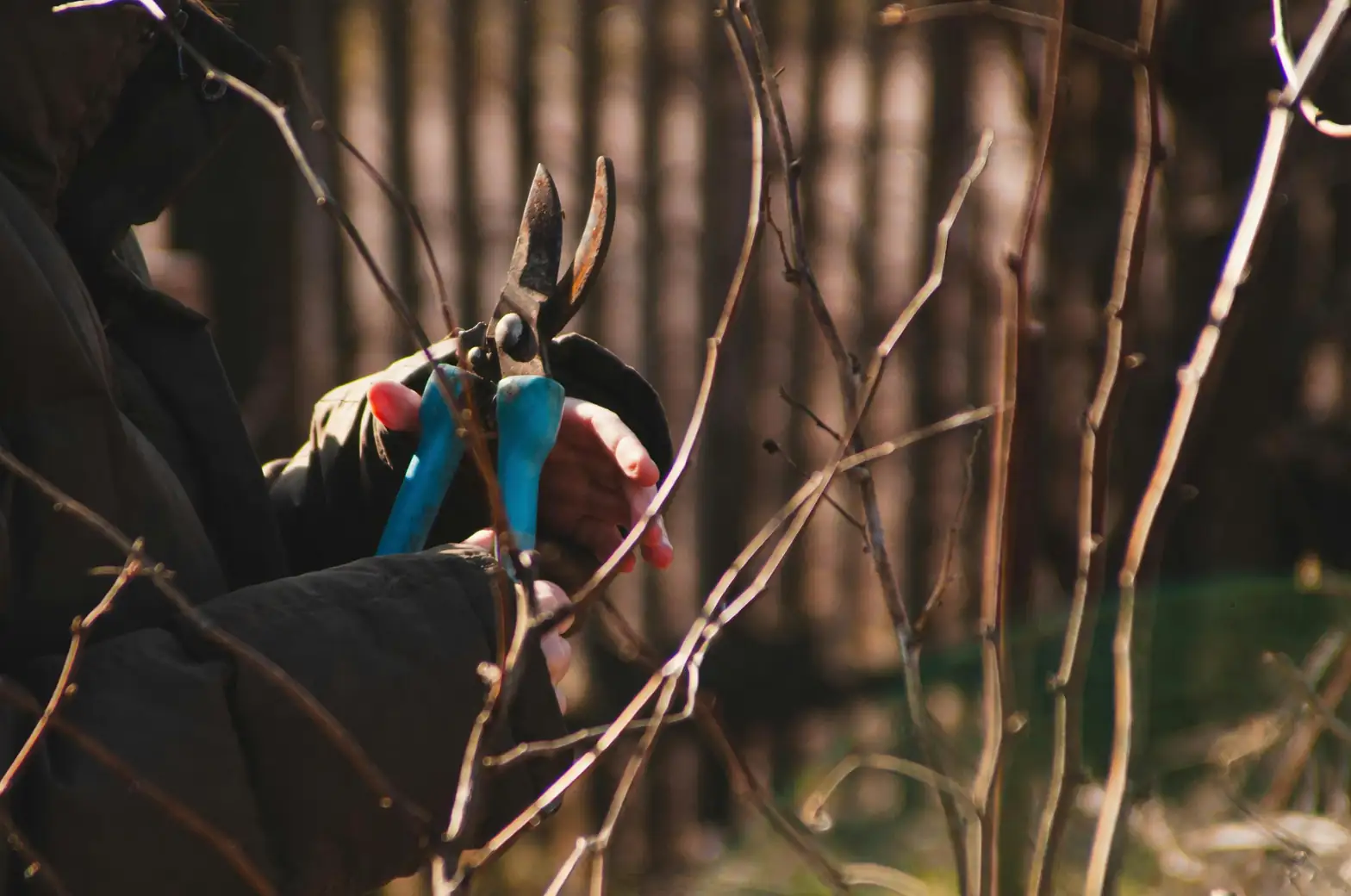
- Deadheading: Cut spent flower stalks at the base to keep clumps sleek and encourage further bloom.
- Leaf care: Remove dead/damaged leaves anytime. For evergreen forms, you can trim to 15–20 cm (6–8 in) if dividing or refreshing.
- Division: Every 4–6 years in beds (4–5 in pots).
- Timing: Early spring for deciduous types; autumn after flowering for evergreen types.
- Seasonal calendar
- Spring: Plant/divide, resume regular watering, begin feeding.
- Summer: Peak bloom; keep moisture steady; deadhead.
- Fall: Taper feeding and watering; divide evergreen types if needed.
- Winter: Keep much drier; mulch in-ground plants in colder areas; protect pots from hard frost.
Health, pests, and safety
- Generally trouble-free. Watch for aphids, mealybugs, and spider mites; rinse off or treat with horticultural soap or neem oil if persistent.
- Prevention first: Space generously and ensure drainage to avoid fungal issues and, most importantly, root/rhizome rot (yellowing leaves plus discolored, mushy roots signal trouble).
- Toxicity: All parts are toxic if ingested and sap can irritate skin. Wear gloves when dividing or cutting, and keep plants away from children, cats, and dogs.
Flower language and meaning
The name “Agapanthus” blends Greek agape (love) and anthos (flower), so it’s long associated with love, devotion, and lasting affection. Color deepens the message: blue suggests loyalty and steadfastness, while white reads as purity and sincerity. It’s a gentle, elegant symbolism—fitting for a plant that returns reliably each summer and holds its floral “fireworks” high.
Three ready-to-plant design sketches
- Mediterranean Ribbon (sunny border)
- Back: Rosemary standards (structural evergreen)
- Mid: Agapanthus africanus in rhythmic clumps, 60–75 cm apart
- Front: Lavender hedge woven with silver thyme
- Accents: Sea holly and blue fescue for spiky sparkle and cool hues
- Pollinator Promenade (path edge)
- Back: Bayberry or privet as a calm green wall
- Mid: Alternating agapanthus and Salvia ‘Caradonna’ at 60 cm centers
- Front: Lamb’s ear and creeping thyme as a tactile path-softener
- Late-season lift: Sedum ‘Autumn Joy’ at intervals for fall finish
- Container Quartet (patio)
- Pot 1: Blue agapanthus + trailing thyme
- Pot 2: White agapanthus + dwarf lavender
- Pot 3: Upright rosemary + silver helichrysum
- Pot 4: Mixed grasses (Pennisetum dwarf) + verbena for buzz and bounce
- Arrange in a loose square for layered height and easy watering access.
Design rule to remember: Full sun, sharp drainage, and good breathing room are the three pillars. Nail those, and Agapanthus africanus rewards you with months of sculptural bloom and a border that practically takes care of itself.


