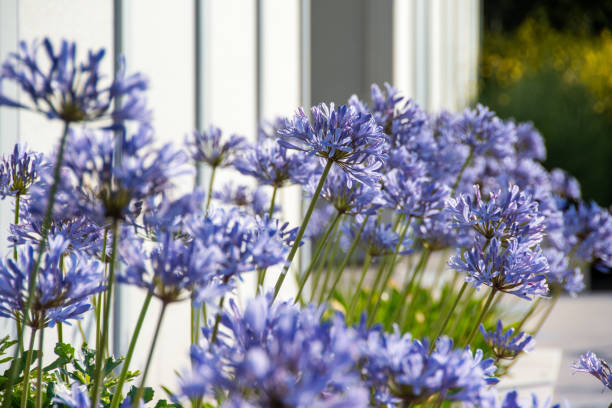
Step into a midsummer garden and you’ll spot them instantly: tall, elegant wands tipped with round fireworks of bloom, each bristling with dozens of trumpets in sea-glass blue or gleaming white. This is Agapanthus africanus—better known as Lily of the Nile, African Lily, or simply Agapanthus—a South African native that has quietly shaped a rich flower language across continents and centuries.
Its story begins in the name itself: agape (Greek for devoted, generous love) plus anthos (flower). From that etymological spark, the plant’s meanings fanned out through Victorian parlors and East Asian 花语, gathered lore on South African hillsides, and now grace wedding aisles and gift bouquets around the world.
H2: Where the flower language begins: agape + anthos
- Greek roots: The genus name Agapanthus combines agape (a steadfast, generous form of love) with anthos (flower). Little wonder it’s long been nicknamed the Love Flower.
- European debut: Introduced to European gardens in the late 1600s, agapanthus became a coveted ornamental, celebrated for its architectural stems and globe-shaped umbels.
- Native heartland: Despite the watery nickname “Lily of the Nile,” Agapanthus africanus is South African through and through—adapted to sun, dry spells, and well-drained soil.
H3: South African threads in its meaning

In parts of South Africa, agapanthus has been associated with:
- Fertility and protection: Traditional practices sometimes link it to fertility and protective charms.
- Folk remedies and caution: It has a history in traditional medicine, but any medicinal use should be approached carefully and only with professional guidance.
These associations—love, protection, fertility—echo the generous spirit of agape, reinforcing agapanthus as a symbol of lasting affection and care.
H2: How the Victorians refined the message
Victorian floriography turned flowers into code. For agapanthus, the Greek “flower of love” slotted neatly into a language of devotion.
- Love and devotion: The plant’s stately stems and enduring summer show made it a poetic stand-in for constancy.
- Color “dialects” within the code:
- Blue = loyalty and devotion. Think of steadfast skies and oceans—the romance of constancy.
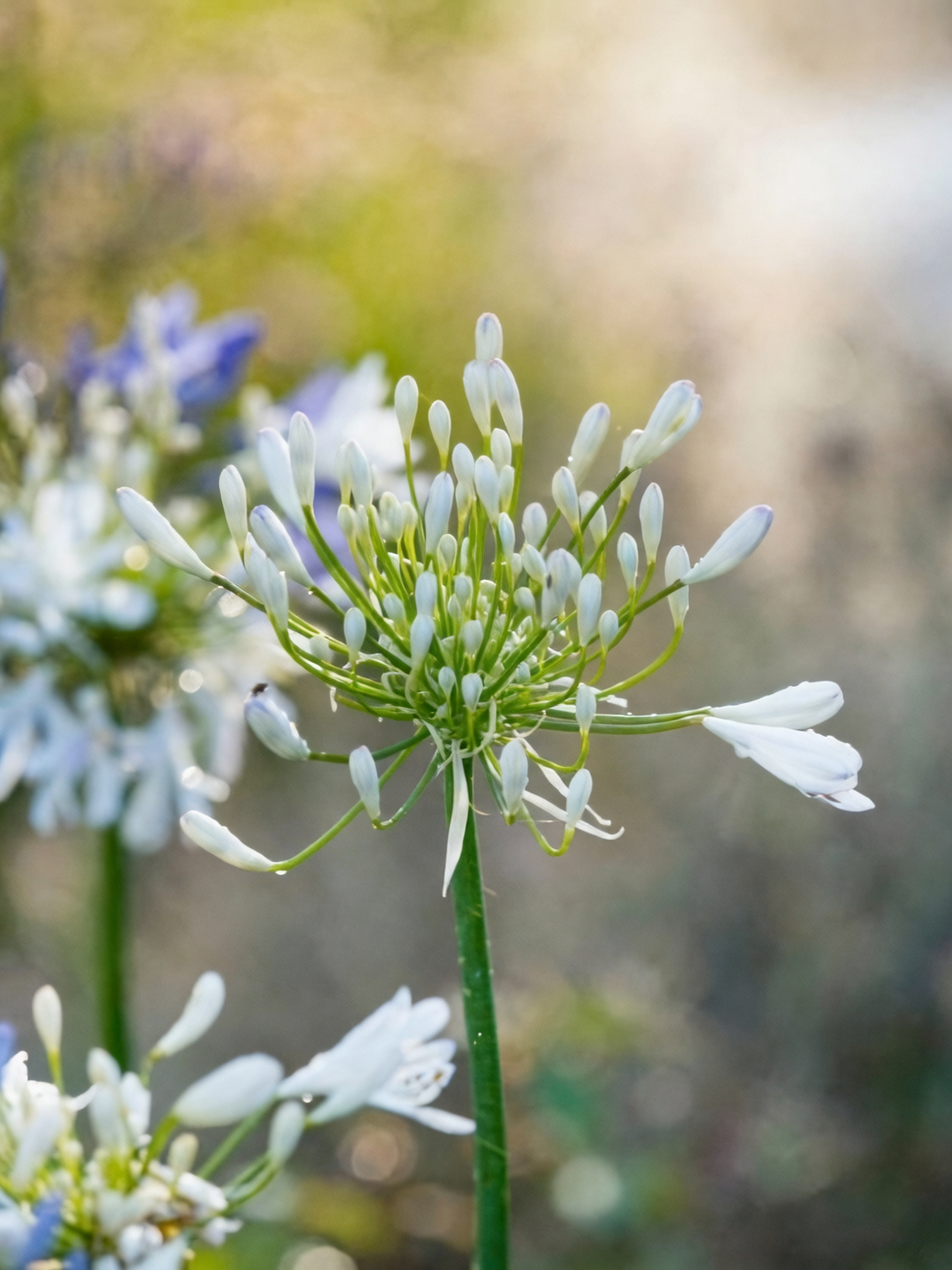
- White = purity and sincerity. A clear, honest heart; an unembellished promise.
H2: East Asian 花语 and the Love Flower’s new voice
When the language of flowers traveled east, agapanthus found fresh resonance in China, Japan, and beyond.
- Shared core meanings: Love, unity, and steadfast bonds align with the plant’s Greek roots and its global garden presence.
- Color carries the message:
- Blue blossoms often speak to loyal attachment and faithful love.
- White blooms lean toward purity, sincerity, and respectful admiration.
- A name with auspicious overtones: In Chinese, agapanthus is called 百子莲 (bǎizǐlián). While the name references its many seeds and lilies, folks sometimes read it as “abundance” and, by extension, a good omen for flourishing families—nicely paralleling South African associations with fertility.
H2: Blue = loyalty, White = purity: why these colors stuck
- Blue: In both Western floriography and East Asian 花语, blue commonly conveys faithfulness. Agapanthus’ calm, oceanic blues pair beautifully with the idea of a love that endures and a promise kept.
- White: Universally linked with sincerity and purity, white agapanthus reads as a clear-hearted vow—clean lines, clean intent.
H2: From language to aisle: agapanthus in weddings today
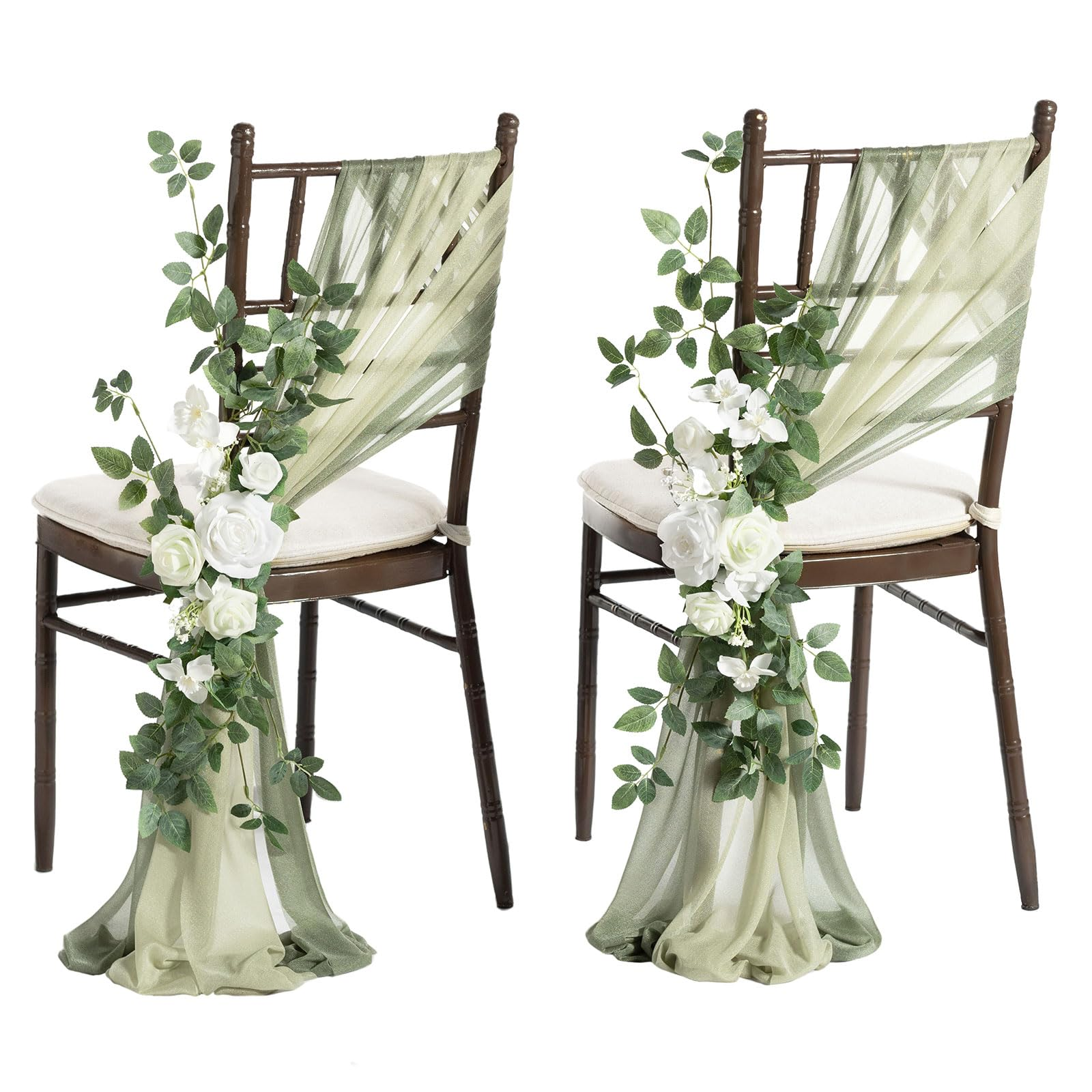
Agapanthus has become a modern classic for summer ceremonies and celebrations.
- “Something blue”: Blue agapanthus slips easily into this tradition—perfect in boutonnieres, bridesmaid bouquets, or as a dramatic focal stem in the bridal bouquet.
- A vow in white: White cultivars bring crisp elegance to aisle markers, altar urns, and hand-tied bouquets—signaling sincerity without stealing the show.
- Design notes florists love:
- Architecture: Long, sturdy stems and globe heads add height, rhythm, and negative space to arrangements.
- Palette partners: Pairs beautifully with garden roses, delphiniums, hydrangeas, lisianthus, and airy grasses.
- Longevity: As a cut flower, agapanthus holds well—ideal for events that stretch from morning photos to evening toasts.
- Sustainable touches:
- Drought-tolerant in the garden—excellent for couples growing their own flowers.
- Container-friendly: Plants bloom best slightly root-bound, so patio-grown clumps can be staged, cut, and enjoyed again year after year.
H2: Gifting with meaning
Let the color do the talking—and add a line to make it unmistakable.
- Blue stems: “For loyalty and lasting devotion—I’ll always choose you.”
- White stems: “For sincerity and pure-hearted wishes—may your new chapter be clear and bright.”
- Mixed blue-and-white: “Steadfast love and honest intentions—balanced and true.”
- Occasions:
- Anniversaries and engagements (blue for constancy)
- Weddings and housewarmings (white for sincere blessings)
- New beginnings or new family milestones (tie-in to abundance and flourishing)
Practical note: All parts of agapanthus are toxic if ingested, and the sap can irritate skin. Keep arrangements out of reach of children and pets, and wear gloves if you’re sensitive.
H2: A quick portrait of a “Love Flower”
- Botanical name: Agapanthus africanus (family: Agapanthaceae)
- Common names: Lily of the Nile, African Lily, Love Flower
- Native range: South Africa
- Look and feel:
- Neat clumps of glossy, strap-like leaves
- Tall, sturdy stems topped with rounded umbels holding 20–100 trumpet-shaped blooms
- Colors: blues, purples, and gleaming whites
- Size and season:
- Clumps about 60–90 cm tall and ~60 cm wide; flower stalks often 90–120 cm
- Peak bloom: early to mid-summer (June–August), longer in frost-free climates
- Where it shines:
- Sunny borders, paths, and patio containers
- Cut-flower arrangements and even dried seed heads in design
H3: Cut-flower tips
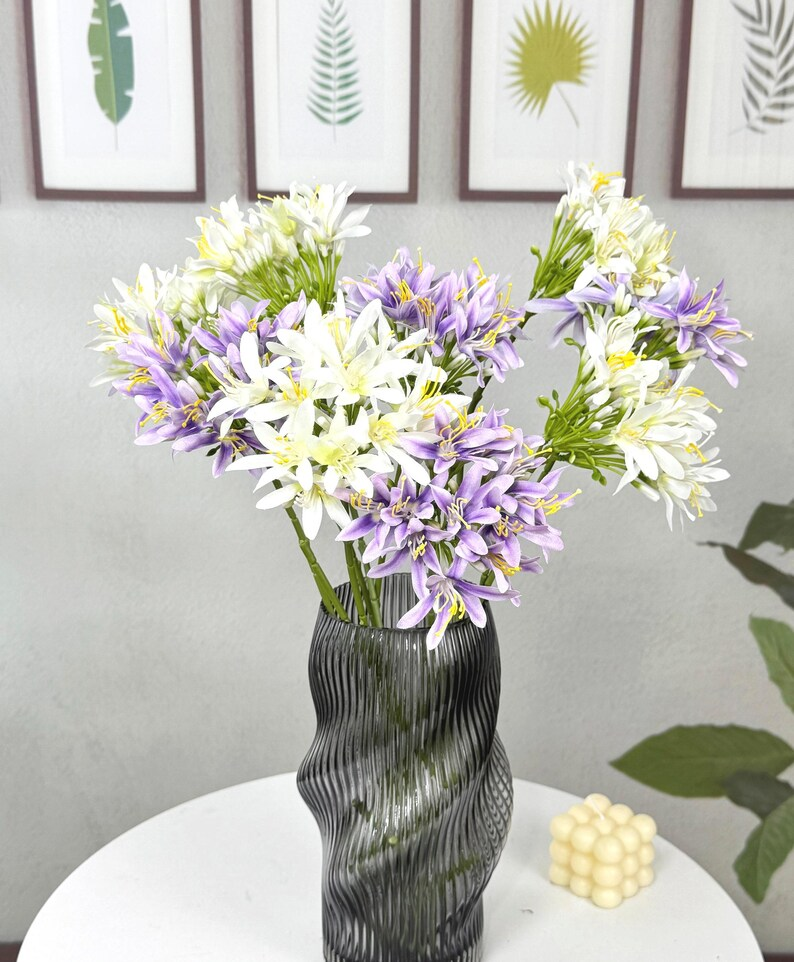
- Harvest when a third to half the florets are open; the rest will follow in the vase.
- Use tall, heavy-bottomed vases for balance.
- Refresh water and recut stems every few days; remove spent florets to keep the head looking crisp.
H3: Garden notes for would-be romantics
- Sun and soil: Full sun (6–8 hours) and well-drained, fertile soil—sandy loam is ideal. Avoid soggy roots.
- Water: Regular moisture in establishment; once settled, it tolerates dry spells gracefully. Let the top layer dry between waterings.
- Feeding: Light, balanced feeding in spring; avoid heavy nitrogen or you’ll grow leaves at the expense of flowers.
- Cold: Generally hardy in USDA Zones 7–11 (deciduous types are tougher than evergreen). Container plants can be overwintered indoors in bright light.
H2: Why this “flower of love” still speaks to us
Agapanthus blends etymology, folklore, and modern design into a single, eloquent stem. Its Greek name gives it heart; South African lore lends warmth and protection; Victorian floriography refines its nuance; East Asian 花语 confirms its timelessness. Blue trumpets pledge loyalty; white trumpets promise sincerity. In gardens, it thrives with sun and good drainage; in vases, it stands tall through the longest of days. And in our shared language of flowers, it says the simple, enduring thing we most hope to hear: love that lasts.