

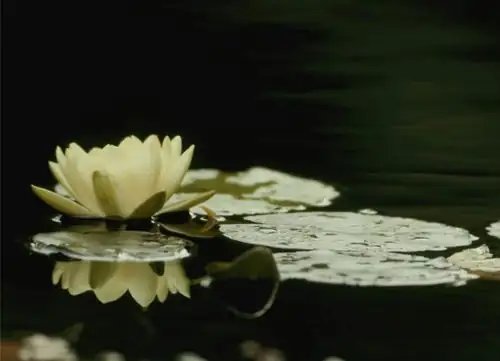
If you dream of glass-clear water and flawless lily pads without reaching for algicides, you’re in the right garden. Nymphaea (water lilies) can be the engine of a beautifully balanced pond—if you dial in nutrients, planting depth, fish load, and a smart, root-targeted feeding program. Here’s a lively, science-backed guide to keep your water sparkling and your lilies show-stopping.
Meet Nymphaea at a glance
- Sun: Full sun is best—aim for 6–8 hours of direct light. Less light means fewer flowers.
- Water: Still or gently moving. Keep lilies away from waterfalls or constant splashing.
- Planting depth: Typically 5–30 cm (2–12 in) of water over the crown; vigorous cultivars can sit deeper, up to about 80 cm (31 in), if light is strong.
- Soil: Heavy, nutrient-rich loam or clay-based aquatic soil (pH ~6–8). Skip fluffy, peat- or perlite-heavy mixes that cloud water.
- Season: Most flower from late spring to early autumn; individual blooms last 3–5 days, often opening by day and resting at night.
- Types: Hardy lilies tolerate cool water; tropicals want reliably warm water (growth slows strongly below ~15°C/59°F and thrives around 25°C/77°F+).
Clear water without algicides: the three levers
Think of your pond as a tiny ecosystem you can tune with three levers.
1) Light
- Floating leaves are built-in sunglasses for your pond. Aim for roughly 40–60% surface cover from lilies at summer peak to reduce light penetration and moderate water temperature.
- Less light to the water column = less energy for free-floating algae.
2) Nutrients
- The main algae fuels are nitrogen and phosphorus, introduced by fish waste, uneaten food, decaying leaves, runoff, and poorly targeted fertilizers.
- Your goal is to lock nutrients into the plant’s root zone (not the open water), export them via pruning, and minimize new inputs.
3) Biology
- Diverse plantings help. Pair lilies (shade and nutrient uptake) with a few submerged oxygenators (e.g., hornwort where appropriate) to compete for nutrients and support a stable microbial community.
- Healthy microbes and plant roots help bind and process nutrients before algae can.
Root-zone feeding beats water-column feeding
Feeding lilies is essential for big blooms and strong leaves—but how you feed matters.
- Use aquatic fertilizer tablets only, pushed into the soil near the roots. This localizes nutrients so the lily can use them first, rather than “fertilizing the water” where algae can grab it.
- Never scatter fertilizer into the pond.

Feeding schedule:
- Hardy water lilies: about once monthly during active growth (roughly May–September).
- Tropical water lilies: about every two weeks in warm, active growth.
- Stop adding fertilizer as growth slows in autumn; resume in spring.
How to apply tablets cleanly:
- Follow the label for tablet number per pot size; for compact lilies use fewer, for large/vigorous cultivars use more.
- Push tablets 2–5 cm deep into the soil, a few centimeters away from the crown, spacing them around the rhizome.
- Re-cap the soil surface with gravel if needed to deter fish from digging.
Planting depth and pot setup for clarity
Healthy roots + stable leaves = fewer decaying parts and clearer water.
Choose the right container and soil
- Container: Wide and sturdy. Compact cultivars are happy in 30–40 cm (12–16 in) wide pots; vigorous types appreciate 45–60 cm (18–24 in).
- Soil: Heavy loam or clay-based aquatic soil. No fluffy potting mix, bark, peat, or perlite.
- Top-dress: 1–2 cm of washed pea gravel to hold soil down and discourage fish from rummaging.
Position the rhizome
- Place the rhizome slightly angled, crown just above the soil surface, with space to grow forward.
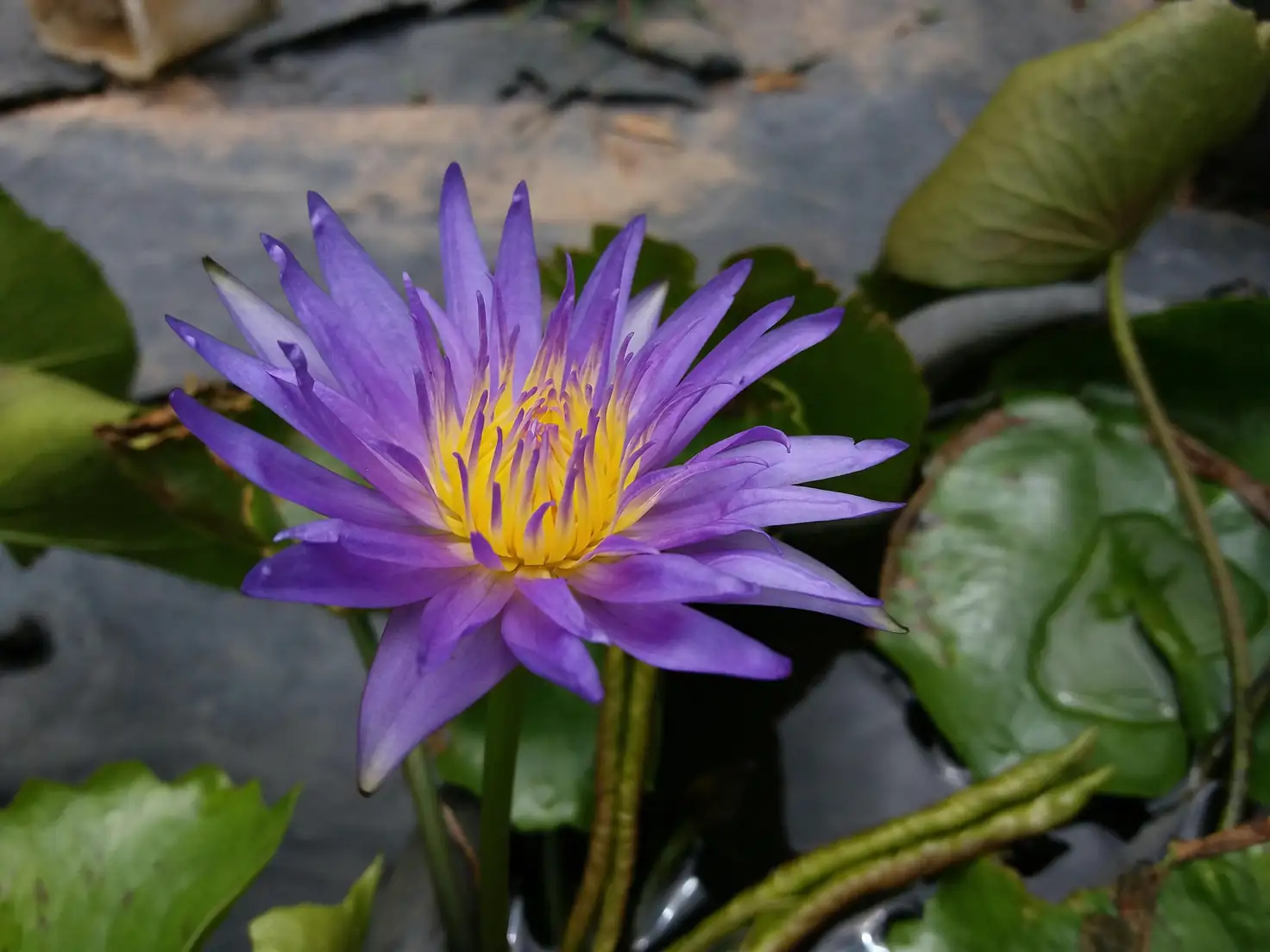
Dial in depth, stepwise
- Start shallow so leaves can quickly reach the surface:
- Dwarf/compact cultivars: 5–15 cm of water over the crown.
- Most hardy standards: 15–30 cm.
- Very vigorous or large cultivars (and strong sun): gradually move deeper, up to 45–80 cm if the plant remains vigorous.
- Use bricks or shelves to lower the pot in stages as new leaves reach the surface.
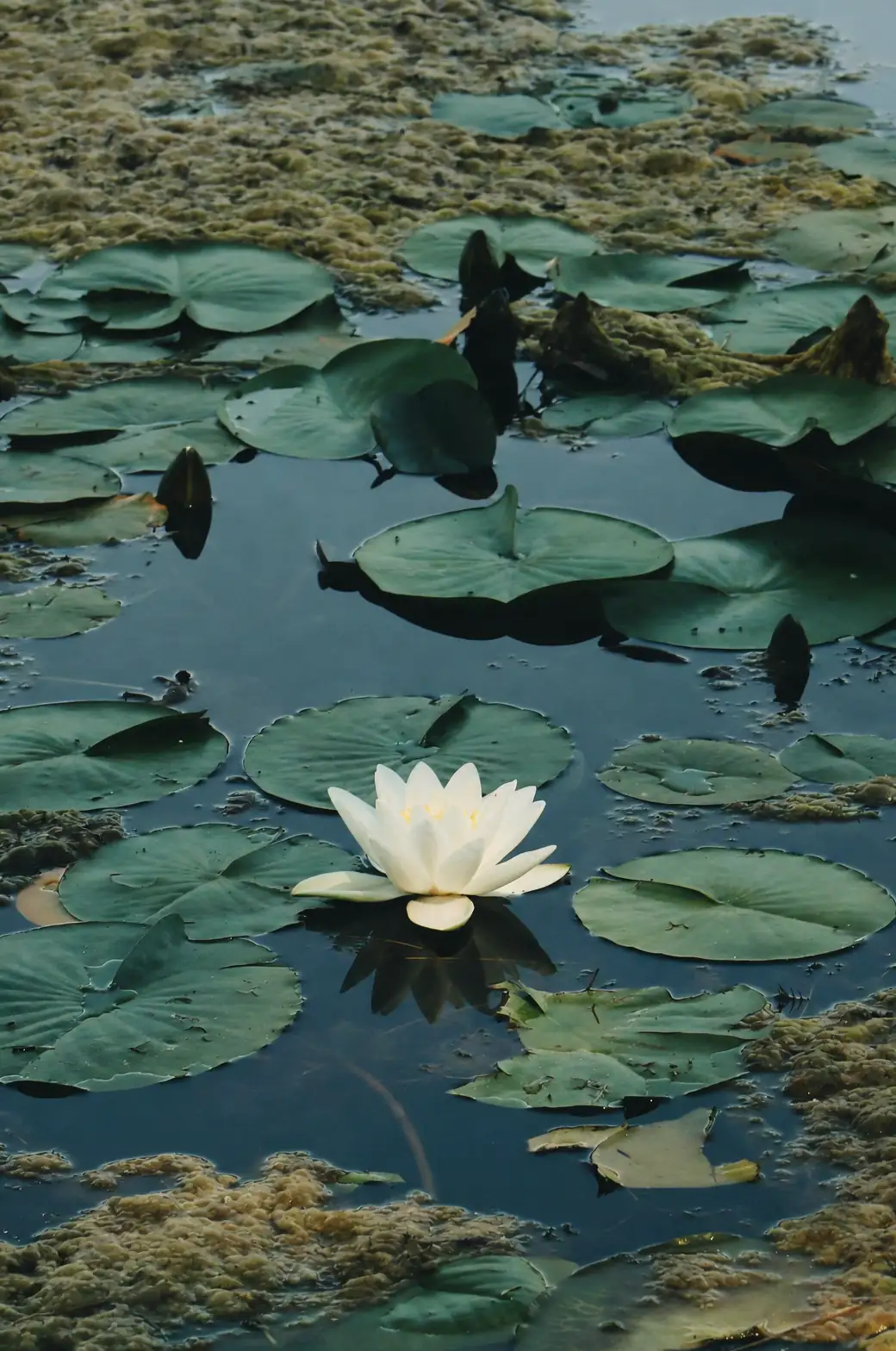
Keep turbulence off the pads
- Place lilies away from waterfalls, fountains, or strong returns. Constant splashing damages leaves and reduces flowering.
Fish load: the quiet key to pristine pads and clear water
Too many fish = too much ammonia (which becomes nitrate) and phosphate = algae. Fish can also chew or uproot lilies.
Stocking for a lily-first pond:
- Keep it conservative, especially without heavy filtration. As a rule-of-thumb for small goldfish and similar species, aim for a light biomass per volume and let plants do more of the work.
- Koi are heavy waste producers and notorious leaf nibblers. If you keep koi, give each adult fish ample volume (think in the 1000–2000 L per fish range) and consider segregating lilies with mesh plant guards or a separate lily zone.
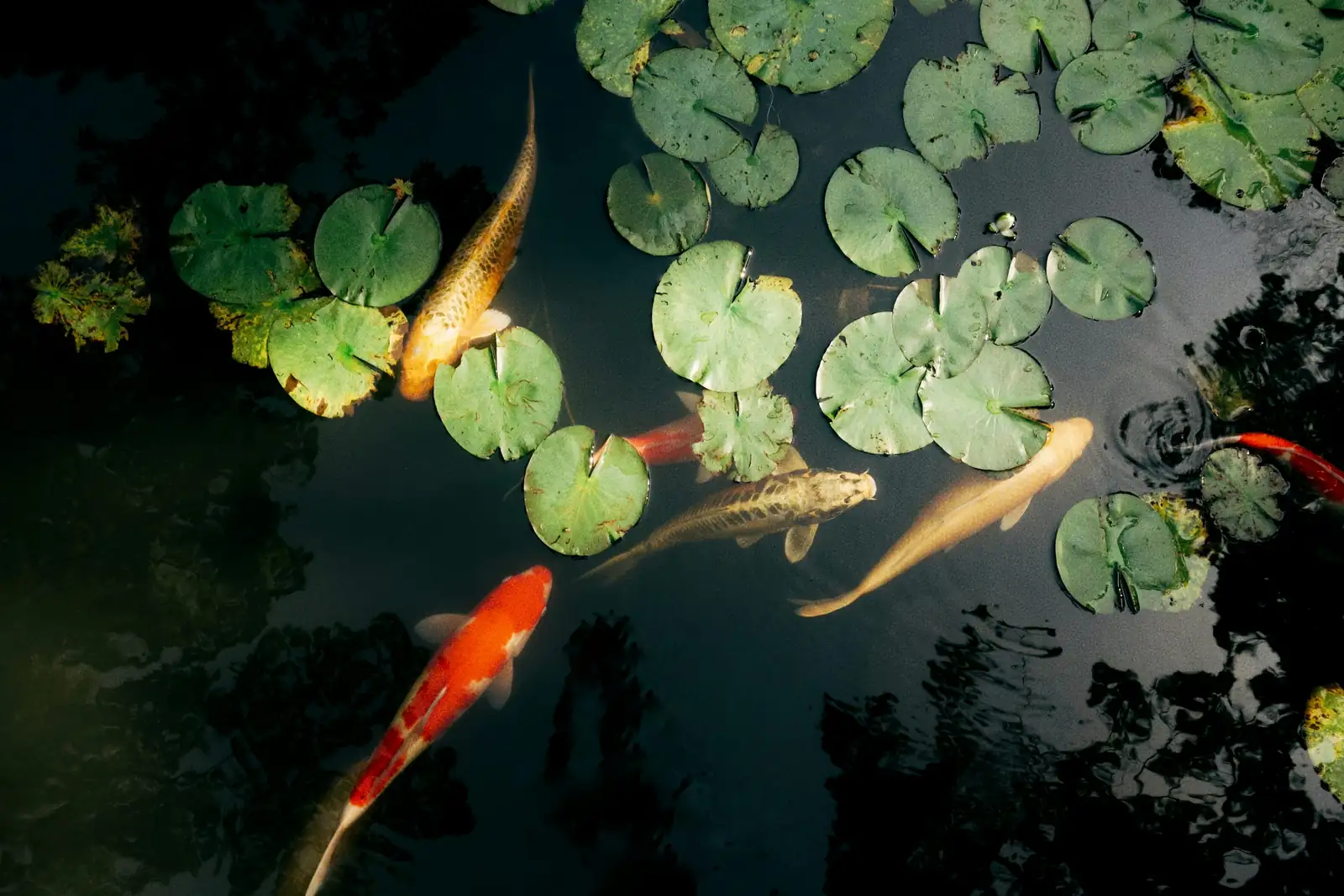
Feeding fish wisely:
- Feed only what they finish in a couple of minutes; remove uneaten food.
- Reduce or stop feeding in cool weather when metabolism slows.
- Use quality food that doesn’t crumble into dust—fines quickly become nutrients for algae.
Protecting your lilies:
- Cap pots with gravel, use plant baskets with mesh, or add a simple hoop/mesh guard around new pads.
- Place lilies where fish naturally spend less time digging (quieter corners, away from filters or strong returns).
Routine that keeps water clean and leaves immaculate
Small, regular actions prevent big problems.
Weekly quick care:
- Skim out fallen leaves and debris before they decay.
- Prune: remove yellowing leaves and spent blooms by cutting stalks near the base. This exports nutrients and signals the plant to push fresh growth.
- Check water level; top up gently to avoid stirring sediment.
Monthly/seasonal:
- Re-dose fertilizer tablets on schedule (monthly hardy, fortnightly tropical).
- Thin submerged plants so they don’t choke circulation.
- If leaf cover exceeds ~60–70% at peak, lightly thin to maintain light balance and fish oxygen exchange.
- Every 2–3 years, divide and repot crowded rhizomes in spring; refresh soil and discard exhausted sections.
Water quality housekeeping:
- Prevent runoff from lawns/beds entering the pond.
- Net out stringy algae promptly—nutrient removed is algae denied.
- Keep circulation gentle but adequate; aeration away from lily pads can help overall pond health without beating up the leaves.
Troubleshooting: fast fixes grounded in plant biology
- Few or no flowers:
- Most often: not enough sun (target 6–8 hours).
- Planting too deep—raise the pot.
- Low nutrition—start or step up tablet feeding.
- Overcrowded rhizome—divide and repot.
- Green water or sudden algae surge:
- Increase lily/shade cover toward 40–60%.
- Reduce fish feeding and manually remove debris/algae.
- Add a modest mix of submerged oxygenators to compete for nutrients.
- Avoid full drain/refills; they often backfire by resetting balance and adding fresh minerals for algae.
- Leaves torn or chewed:
- Could be koi, turtles, or waterfowl. Protect pots with mesh; choose fish thoughtfully.
- Speckled or ragged leaves:
- Aphids and caterpillars are common. Rinse aphids off or dunk a pad briefly; hand-pick caterpillars. Remove damaged leaves before they decay.
- Crown/rhizome rot:
- Usually a combination of stagnant, dirty conditions or damage. Improve hygiene, repot in clean heavy soil, and avoid burying the crown too deep.
Hardy vs. tropical: temperature and overwintering
- Hardy water lilies: Generally fine outdoors in USDA Zones ~4–10 if crowns remain below the ice line. In containers, move pots deeper for winter dormancy.
- Tropical water lilies: Frost-tender (typically Zones 9–11). Before frost, overwinter warm indoors or store tubers/rhizomes in barely damp sand at about 10–15°C (50–59°F), then restart in late spring warmth.
A quick note on symbolism
Water lilies are icons of renewal and serene beauty—famous for “rising clean from muddy water.” That poetic image actually mirrors good pond practice: when you confine nutrients to the root zone and remove decay promptly, lilies emerge pristine above the surface, turning clarity into a living metaphor.
The clear-water game plan (no algicides needed)
- Sunlight: Full sun for lilies; aim for 40–60% lily leaf cover at summer peak.
- Depth: Start shallow; sink in stages to the cultivar’s sweet spot (5–30 cm over crown for most; deeper for vigorous types).
- Soil: Heavy loam/clay aquatic soil with a gravel cap.
- Feeding: Tablet feed at the roots—monthly for hardy, every two weeks for tropicals—never into open water.
- Fish: Keep stocking light; feed sparingly; protect lilies from nibblers and diggers.
- Hygiene: Prune spent growth, skim debris, and prevent runoff.
Do these consistently, and your Nymphaea will reward you with crystal water, spotless leaves, and day-after-day blooms—no algicides required.


