
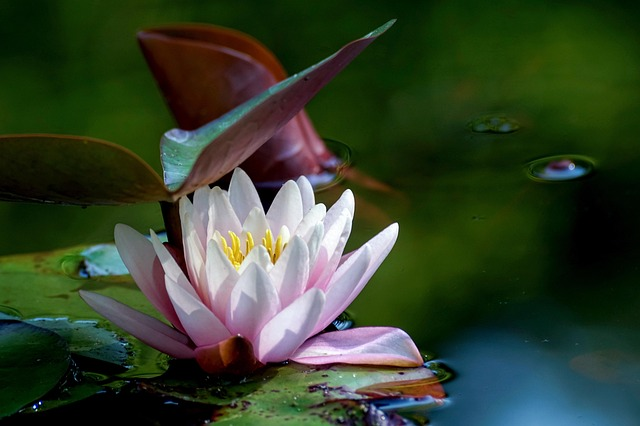
Imagine a palm‑sized pond that throws fresh flowers every morning, leaves like lacquered coins floating on mirror‑calm water—no splashing fountain, no sprawling pond build. That’s the magic of Nymphaea (water lilies) scaled for balconies, patios, and sunny stoops. Here’s your design-forward, DIY blueprint for a compact container that blooms on repeat.
Choose the right lily: small plant, big impact
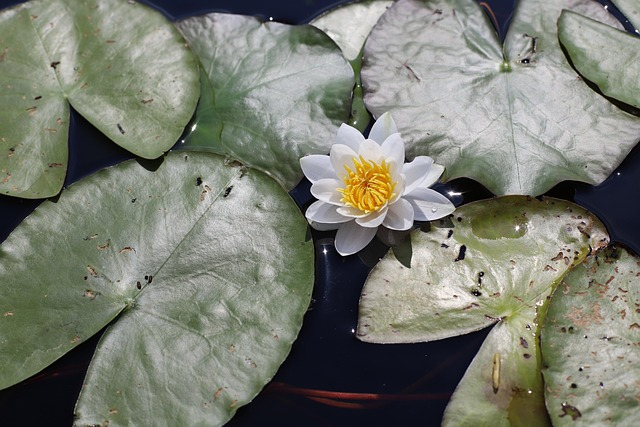
Start with a dwarf or small cultivar so foliage and flowers fit your vessel and keep water serene.
- Classic compact hardies (easiest for most climates)
- Nymphaea ‘Helvola’ (yellow): tiny pads, cheery gold stars; a beloved mini.
- Nymphaea ‘Perry’s Baby Red’: compact spread with deep red blooms.
- Nymphaea ‘Berit Strawn’: peach‑pink, generous bloomer, mottled pads.
- Nymphaea ‘Indiana’: petite flowers that shift rosy‑yellow‑orange over days.
- Nymphaea ‘Hermine’: elegant white on a small frame.
- Pygmy types such as Nymphaea tetragona ‘Alba’ (white) for the daintiest look.
- Tropical dwarfs (for reliably warm conditions)
- Choose compact, day‑blooming varieties if your water can stay warm; they’re show‑stopping in color, including purples and blues. Grow as annuals in cold zones or overwinter indoors.
Tips for nonstop blooms
- Hardy lilies are generally easier in cool‑temperate climates; tropicals need steady warmth and sulk below about 15°C/59°F.
- Buy firm, healthy rhizomes or sturdy young plants; avoid any soft or smelly parts.
Pick a container that keeps water calm
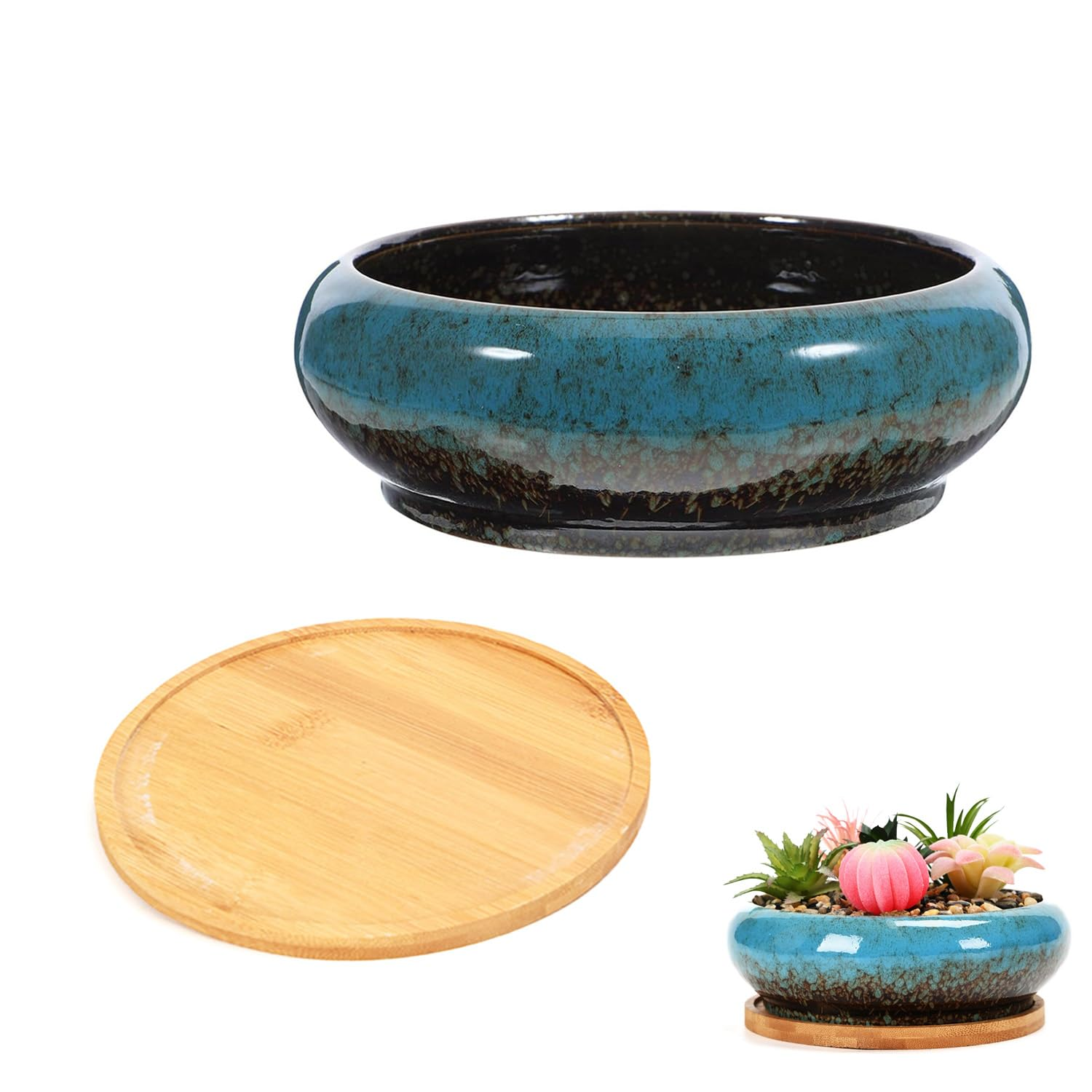
- Size and shape
- Think wide over deep: 30–60 cm (12–24 in) wide gives room for pads to spread without crowding. Depth of 25–45 cm (10–18 in) is perfect for dwarfs and easy handling.
- Materials
- Glazed ceramic, resin, or metal “no‑hole” tubs. If your dream pot has a drain, line it with pond liner and seal carefully around the rim.
- Weight check
- Water is heavy (about 1 kg/L or 8.34 lb/gal). Ensure decks and balconies can support the load.
Sunlight and placement: the bloom switch
- Sun requirement
- Aim for 6–8 hours of direct sun daily for prolific flowering. Some cultivars tolerate 4–6 hours, but expect fewer blooms.
- Microclimate matters
- Morning to early‑afternoon sun is kinder and helps keep water temperatures steady.
- Choose a wind‑sheltered spot to prevent leaf damage and reduce slosh.
- Keep clear of gutters, roof drips, and vigorous fountains—constant splashing damages pads and suppresses flowers.
Soil and potting prep (the no‑float formula)
- Soil recipe
- Use heavy, nutrient‑rich loam or clay‑based aquatic soil (pH 6–8). Avoid peat‑heavy mixes, bark, or perlite—they float and foul water.
- Potting container inside the vessel
- Plant your lily in a 3–5 gal aquatic basket or wide plastic pot that fits inside the larger water vessel. This makes future lifting, dividing, and feeding easy.
- Fertilizer
- Push aquatic fertilizer tablets into the soil near the roots—never scatter into the water.
- Hardy lilies: about monthly during active growth.
- Tropical lilies: about every 2 weeks in warm weather.
- Topdressing
- Add 1–2 cm (½–¾ in) of washed sand or fine gravel on top of the soil to keep it from escaping. Keep the crown area clear.
Planting depth and staging: set it shallow, then settle in
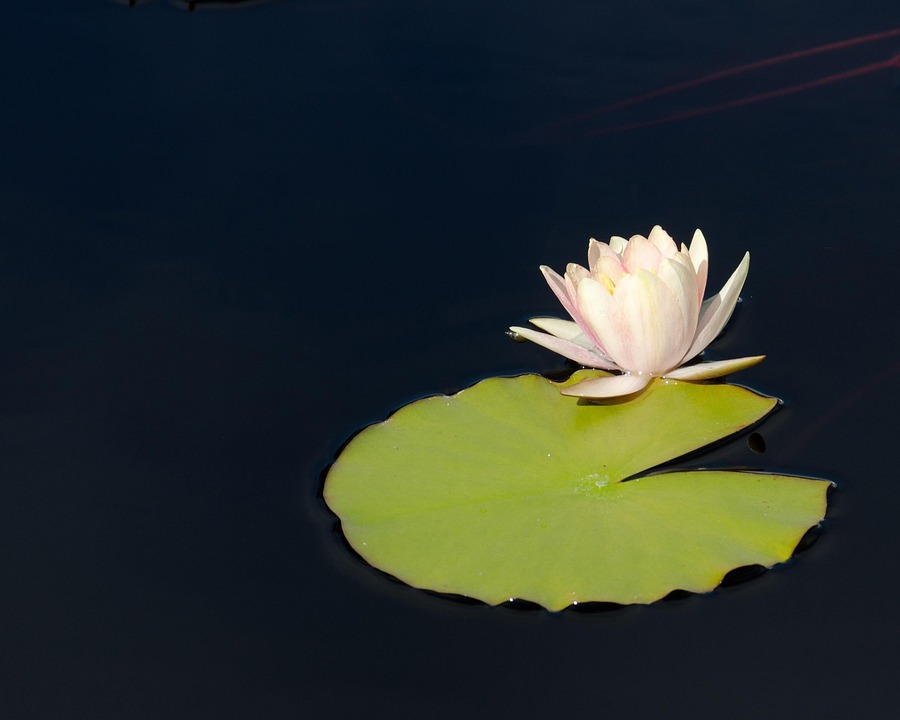
- Orientation
- Hardy types grow horizontally: set the rhizome at a 45° angle with the crown exposed, positioned toward the center of the pot so it can run forward.
- Tropical tubers sit upright; plant with the growing tip above the soil surface.
- Water depth above soil/crown
- Start at 5–10 cm (2–4 in) to warm quickly and push early growth.
- As leaves reach the surface and strengthen, lower to 10–20 cm (4–8 in) for most dwarfs; vigorous small varieties may enjoy up to 30 cm (12 in).
- How to lower gradually
- Use bricks or inverted pots as risers. Remove a riser layer every week or two until you reach the final depth.
Low‑splash water management: calm water, cleaner leaves, more flowers
- Fill gently
- When topping up, pour against a rock or the container wall to diffuse flow. Avoid direct hits on leaves or soil.
- Maintain a “still water margin”
- Keep water 2–3 cm (¾–1¼ in) below the rim to curb wind‑driven slosh.
- Skip the fountain
- Water lilies thrive in still or gently moving water. Constant splashing shreds pads and reduces blooms.
- Temperature stability
- In heat waves, partial afternoon shade from a nearby pot or trellis can prevent overheated water—especially for dwarfs in smaller volumes.
- Mosquito and algae control without turbulence
- Cover 60–70% of the surface with pads over time; this naturally shades algae.
- Use Bti “mosquito dunks/bits” as needed (safe for plants and pets) instead of aerating bubblers in tiny setups.
- Avoid overfeeding; nutrients should go into the soil, not the water.
Care rhythm for continuous color
- Deadleafing and deadheading
- Remove yellowing leaves and spent flowers at the base to stimulate new growth and keep water clearer.
- Feeding cadence
- Re‑tablet on schedule during May–September (local timing varies with climate).
- Water level
- Maintain at least 5–10 cm (2–4 in) of water above the soil at all times; top up more often during hot spells.
- Divide and refresh
- Every 2–3 years (or sooner in tight quarters), lift, divide into vigorous pieces with 2–3 growing points, and replant with fresh soil.
Seasonal notes
- Spring
- Plant or divide as growth begins; start shallow for warmth; begin fertilizing when you see new leaves.
- Summer
- Peak bloom. Maintain water level, feed regularly, and prune old leaves promptly.
- Autumn
- Ease off feeding as growth slows. Prepare tropical types for indoor care before nights cool.
- Winter
- Hardy varieties: if outdoors, ensure the crown stays below the ice line; in small containers, move the pot to a deeper, unfrozen spot or overwinter in a cool, bright, unfrozen area.
- Tropical varieties: bring indoors warm or store tubers/rhizomes in barely damp medium at 10–15°C (50–59°F), then restart warm in spring.
Design that sings on a small stage
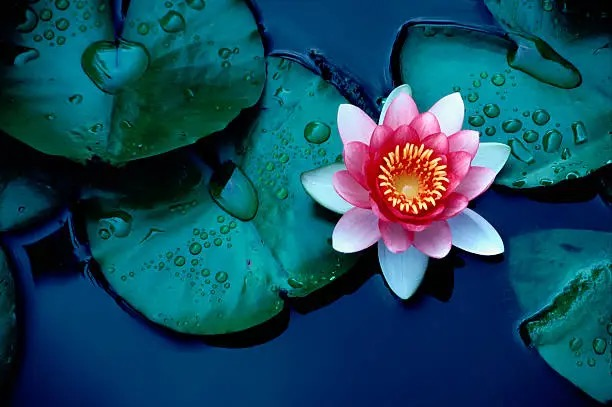
- One‑lily star
- In a 40–50 cm (16–20 in) bowl, one dwarf lily is a perfect minimalist statement.
- Layered heights
- Use bricks to platform a few accents (like a dwarf papyrus or a tiny rush) behind the lily, keeping their crowns just above water—without crowding the lily’s light.
- Odd‑numbered plantings
- If you add companions, arrange three or five elements for visual balance—but don’t let them shade the lily’s sun.
Troubleshooting quick list
- Few or no blooms?
- Not enough sun (target 6–8 hours), planted too deep, cool water, low nutrition, or a congested rhizome.
- Ragged leaves?
- Check for aphids (rinse off), caterpillars/leaf beetles (hand‑pick), or physical splash damage.
- Murky water?
- Soil is too light or uncovered, fertilizer leaked into water, or too much decaying leaf matter—topdress with sand/gravel and prune regularly.
A note on meaning: the poetry behind the pads
Water lilies have carried the same quiet spell across centuries: purity, serenity, renewal. The name Nymphaea nods to water nymphs of Greek myth, and in ancient Egypt the daily opening and closing of blooms symbolized the sun’s rebirth—a rhythm you’ll witness up close as many flowers open by day and close at night, each lasting about 3–5 days. That steadiness—rising clean from cloudy water—is why the flower is often read as a sign of spiritual clarity and fresh beginnings.
Your compact‑container blueprint (at a glance)
- Pick a dwarf hardy Nymphaea (e.g., ‘Helvola’, ‘Perry’s Baby Red’, ‘Berit Strawn’) for easiest, season‑long blooms.
- Use a wide, watertight container 30–60 cm (12–24 in) across; place in 6–8 hours of sun, shielded from wind and splash.
- Pot in heavy loam/clay aquatic soil, crown exposed; top with a thin layer of sand or fine gravel.
- Start with 5–10 cm (2–4 in) of water above the soil, then lower to 10–20 cm (4–8 in) as growth takes off.
- Feed with aquatic tablets on schedule; keep water still, top up gently, and prune spent leaves/flowers.
- Divide and refresh every 2–3 years for an evergreen (and ever‑blooming) design.
Set the stage right, and your pint‑sized pond will reward you with meditative stillness by day and a fresh curtain call of blooms, again and again.