

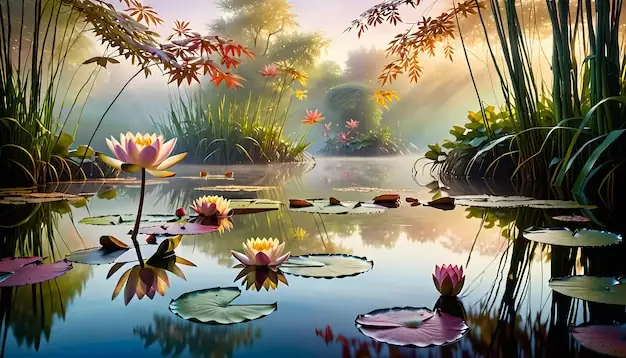
Imagine a flower that greets the sun each morning, folds itself at dusk, and seems to float between worlds—mud below, mirror-bright sky above. That daily ritual is the heartbeat behind the water lily’s “flower language.” To understand why Nymphaea has long spoken of purity, calm, and renewal, we’ll drift from ancient Egypt’s blue blooms to Greek myth, Victorian floriography, and modern feng shui—then land on practical gift-giving: when a water lily message differs from that of the lotus.
A quick botanical snapshot of Nymphaea
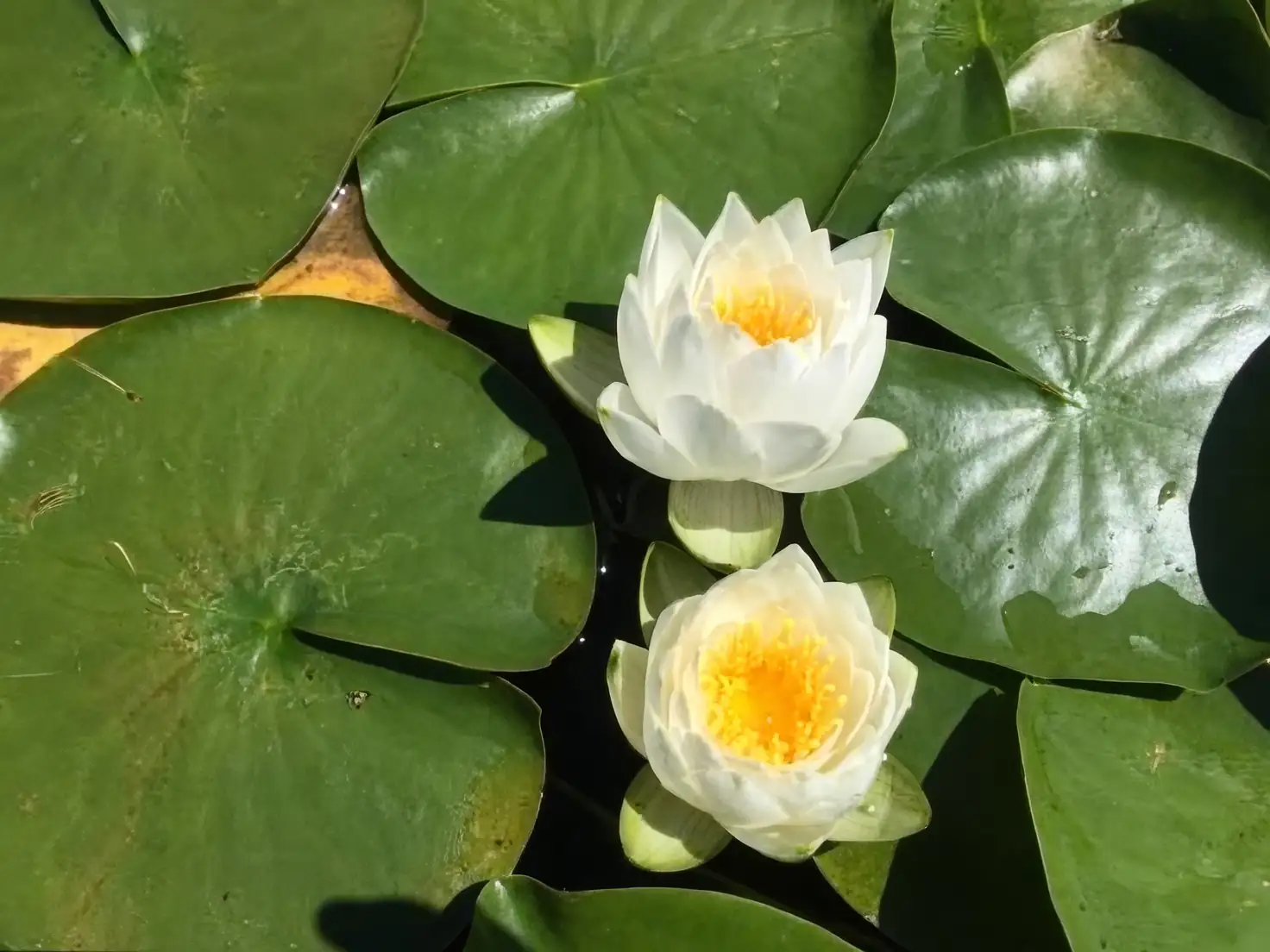
- What it is: Water lily (Nymphaea) in the family Nymphaeaceae—about 65 species with a nearly worldwide distribution.
- The look: Round, floating leaves with a telltale notch; solitary, many-petaled blossoms that sit on or just above still water.
- Colors and scent: White, yellow, orange, pink, red, and purple; tropical types can be blue. Many cultivars are fragrant.
- Daily rhythm: Most open by day and close at night; individual flowers typically last 3–5 days.
- Growth: Perennial aquatic plants from chunky rhizomes (some tropicals form tubers). Ideal in sun-washed, still ponds or large containers.
These natural habits—rising from murky water, opening with daylight—seeded the symbolism that follows.
Where “flower language” began: Egypt’s blue water lilies and the sun’s rebirth
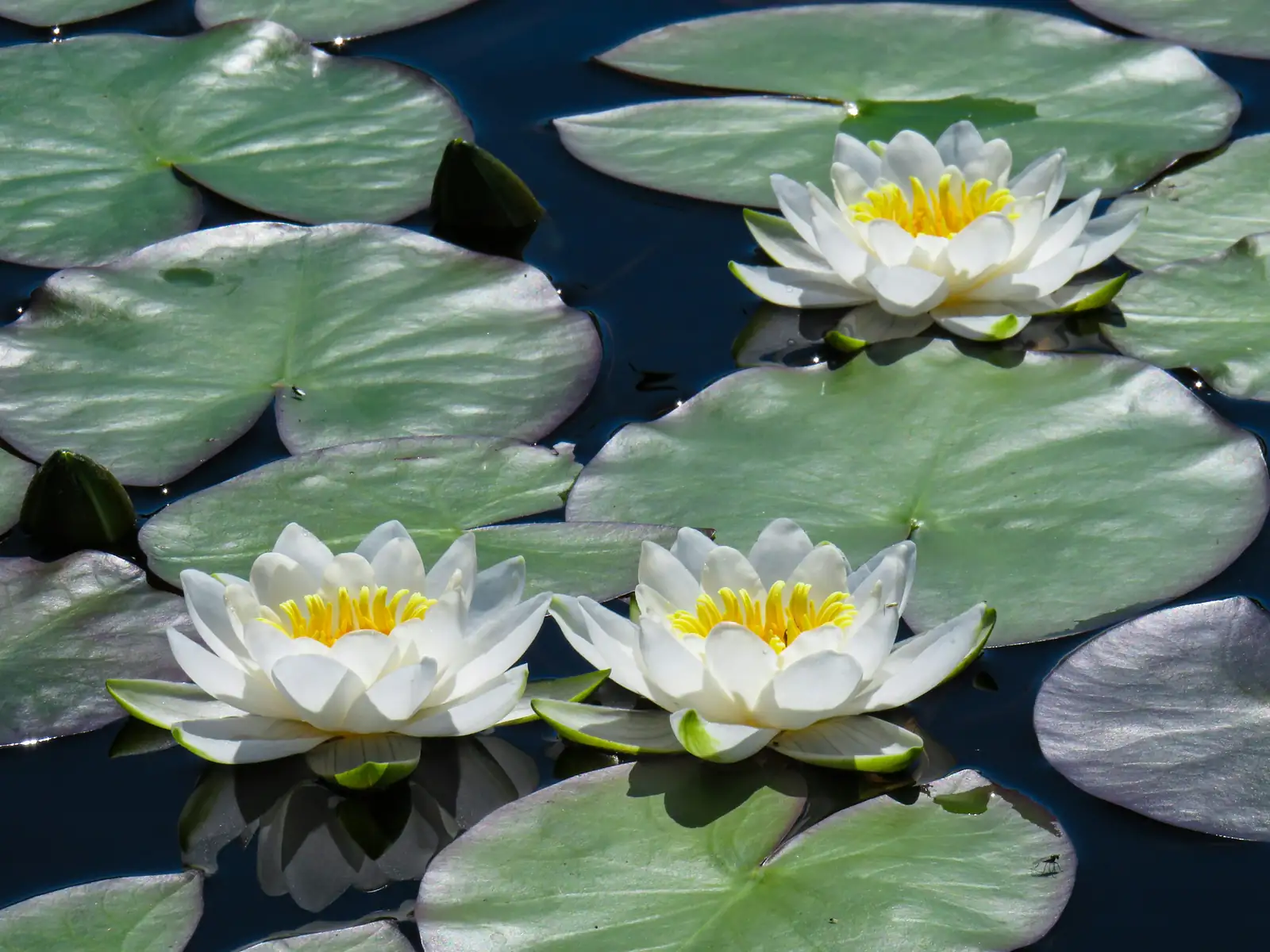
Long before Victorian dictionaries, Egyptians read water lilies as a script of light. Blue water lilies (a tropical Nymphaea) were painted on walls, carved into columns, and placed in ritual scenes because they enacted the sun’s story: opening with dawn, folding as night returned. The bloom became a living emblem of:
- Rebirth and creation: Emerging pristine from muddied depths.
- Solar cycles: The day-open/night-close rhythm mirroring the sun’s daily journey.
- Serenity amid chaos: Floating leaves making calm from moving water.
This early solar-poetic reading anchors the modern association of water lilies with renewal and spiritual clarity.
From Egyptian reeds to Greek myth: the nymph behind Nymphaea
The very name Nymphaea nods to nymphs—those alluring, liminal spirits of springs and ponds in Greek lore. Nymphs could charm or challenge; their beauty carried a hint of danger. That duality still echoes in the flower language:
- Beauty with depth: Grace that’s not naïve; it’s earned from dark water.
- Threshold energy: A bloom allied to edges—between mud and air, stillness and flow.
- Protective calm: A surface serenity that shelters life below.
So while “purity” is a common shorthand, the mythic undertone reminds us the water lily’s purity is transformative, not fragile.
The Victorian turn: how floriography codified the message
Nineteenth-century Europe fell in love with coded blooms. In the language-of-flowers craze, aquatic blossoms were irresistible metaphors:
- Purity, serenity, renewal: Popular entries aligned with the lily’s clean emergence and daily opening.
- Spiritual focus: The meditative quality of still water and repeating bloom cycles.
- Self-possession: That tranquil veneer of pads “keeping their cool” even as roots anchor in mud.
Victorian lists varied by author, but the chorus is clear: water lilies came to mean calmed emotion, spiritual poise, and the promise of fresh beginnings.
Modern meanings and cultural afterlives
- Meditation and wellness: Ponds with water lilies are modern sanctuaries; many people read them as symbols of clarity, balance, and mindful breath.
- National and artistic icons: Bangladesh honors a white water lily as its national flower; Monet’s roughly 250 Water Lilies paintings turned the plant into a global emblem of contemplation.
- Contemporary design and tattoos: Blue water lilies often signal wisdom and insight; white for purity, pink for affection or gentleness, yellow for optimism.
In feng shui: inviting clear, calm qi
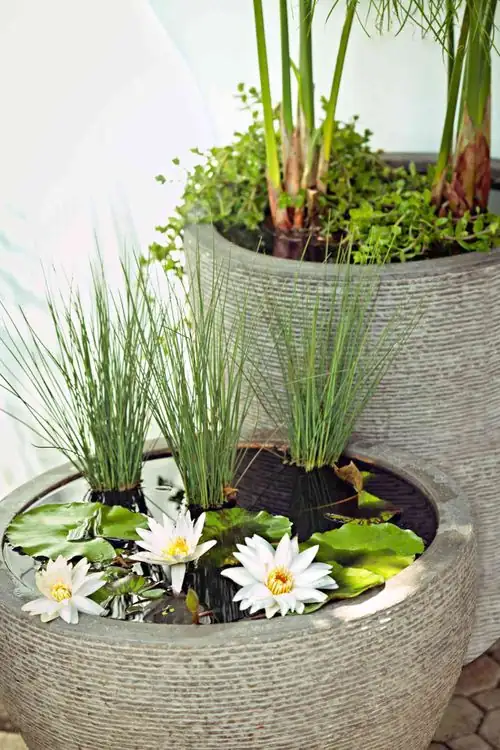
Water lilies harmonize beautifully with the feng shui love of tranquil water.
- Best setting: Still or gently moving water—no harsh splashing. Think a sunlit pond or wide bowl on a balcony.
- Symbolic lift: White evokes purity and renewal; pink and red can soften emotional edges; blue suggests clarity and learning.
- Placement spirit: Use where you seek mental ease, reflection, or fresh starts—for example, a restful garden view from a study or bedroom window.
Tip: Their serenity depends on sunlight. To “speak” generously (i.e., flower well), they thrive with 6–8 hours of direct sun.
Water lily vs. lotus: untangling symbols—and choosing the right gift
They’re cousins in watery realms, but they don’t send the same note.
How they look (so you’re sure what you’re gifting)
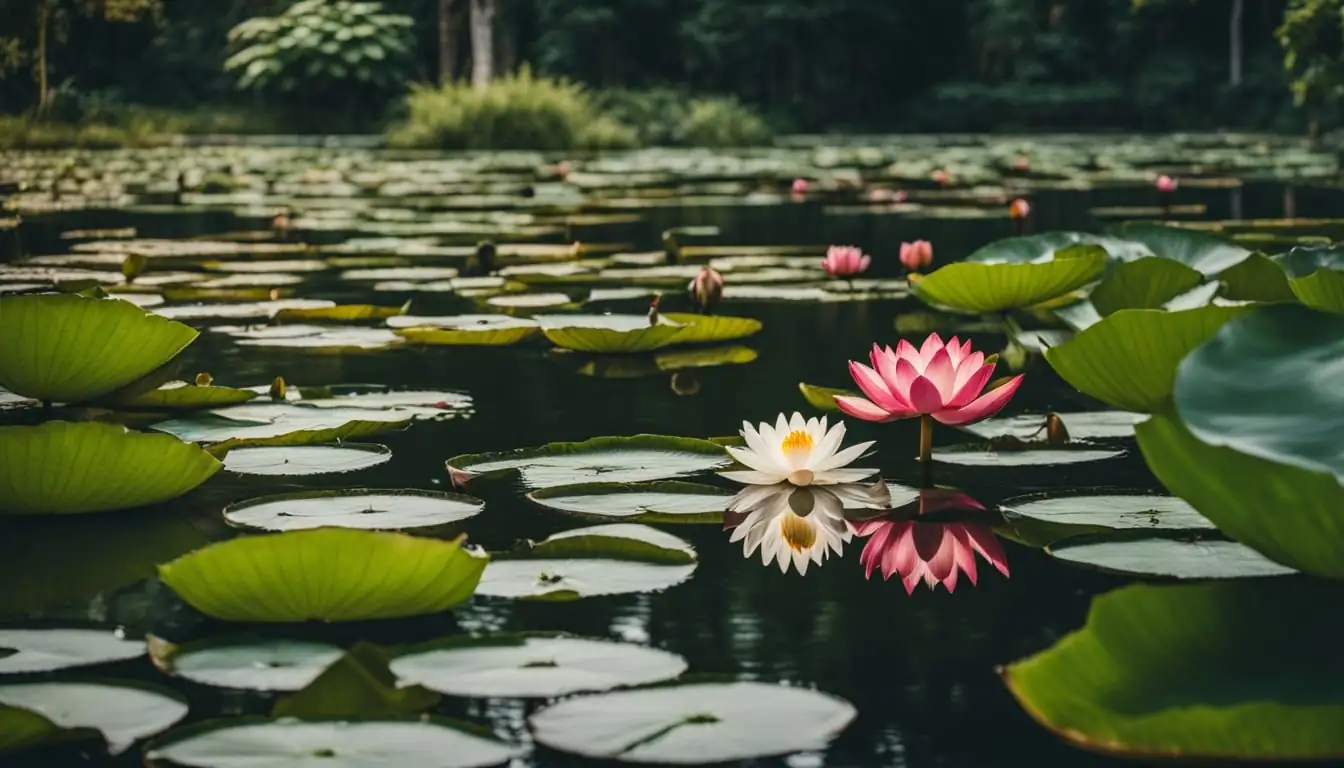
- Water lily (Nymphaea): Leaves float and have a distinct notch; flowers sit on or just above the surface.
- Lotus (Nelumbo): Leaves and flowers rise well above the water on tall stalks; leaves are round without a notch and produce the iconic showerhead-like seed pod.
How they speak
- Water lily’s message:
- Serenity and emotional equilibrium
- Renewal and new beginnings (daily rebirth)
- Spiritual clarity through gentle, steady practice
- Artistic inspiration and reflective thought
- Lotus’s typical message (in many Asian traditions):
- Spiritual awakening and noble resilience
- Rising far above adversity (elevated stalks reinforce the idea)
- Detachment, enlightenment, and moral purity
Gift-giving guide
Choose a WATER LILY when you want to say:
- “May calm and clarity return”—for healing, stress relief, or a housewarming around a garden or pond.
- “Here’s to a fresh chapter”—new jobs, studies, or gentle restarts.
- “Your presence is peaceful”—for mentors, therapists, artists, meditators.
Choose a LOTUS when you want to say:
- “Your spirit rises above trials”—for graduations, spiritual milestones, or perseverance through hardship.
- “Walk your path with integrity”—for rites of passage or leadership.
Practical note: Water lilies are aquatic and short-lived as cut flowers. Instead of a bouquet, consider:
- A potted hardy variety for a patio tub or pond (choose compact cultivars for containers).
- An art print, card, or small sculpture featuring Nymphaea.
- A mindful experience: a visit to a botanical garden when lilies are in bloom.
Why the water lily’s “flower language” endures
Part of its power is performative: the plant enacts its meaning.
- It rises clean from muddy water—purity without denial of the mud.
- It opens with the sun—renewal you can set your watch by.
- It creates shelter—pads that cool water and host life below, a visible kindness.
We recognize ourselves in that choreography: meeting each morning with composure, finding stillness over complexity, beginning again.
Quick ID and color cues for the curious
- Blue blooms usually indicate tropical Nymphaea (not hardy in frost); white, yellow, pink, and red abound among hardy types.
- Tropical water lilies often hold flowers a little higher; many hardy types rest closer to the surface.
- A giant “kid-size” leaf you can balance on? That’s a cousin, Victoria, in the same family, not Nymphaea proper.
A gentle safety note
Some water lily species contain bioactive alkaloids. Avoid eating raw plant parts and keep them away from curious pets. In a few cultures, certain species are eaten only after thorough preparation.
Parting thought
If flowers are letters, the water lily writes in light: a note that begins at dawn, floats through noon, and folds at night—promising to open again. From the Nile to Monet’s studio to your backyard tub, Nymphaea still spells the same message with every petal: serenity is not the absence of mud, but the art of rising clear above it.


