

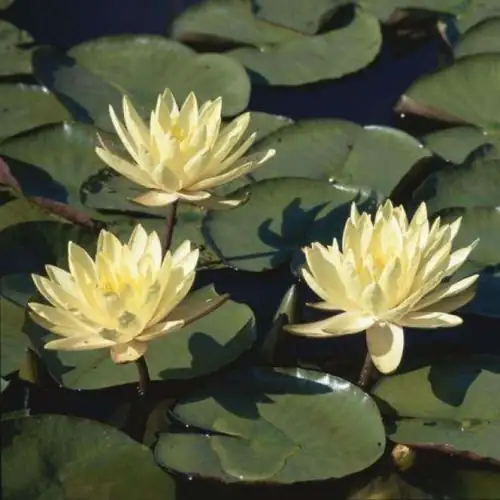
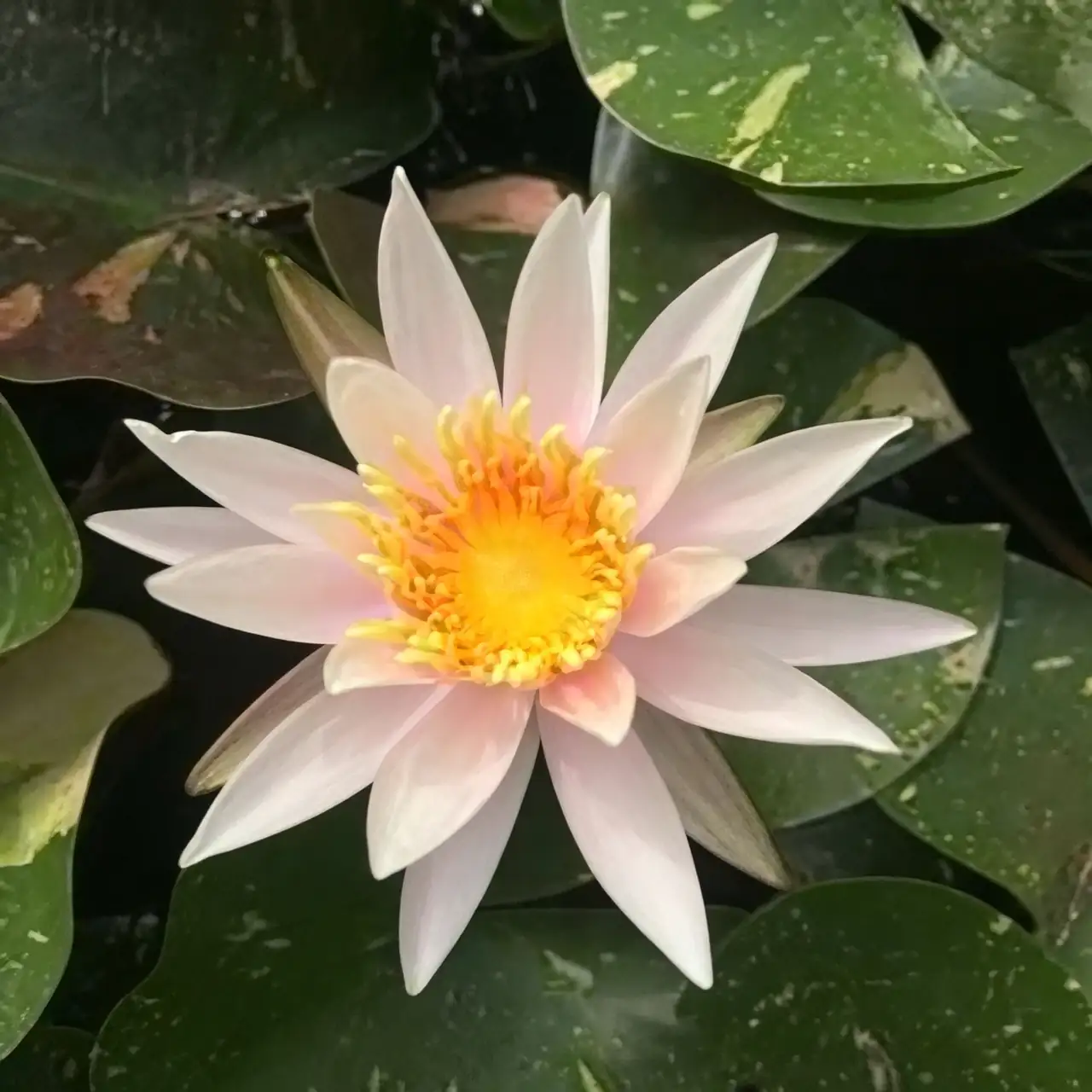
Step outside at dawn and a pond of Nymphaea—water lilies—looks like it’s waking up with you. Petals unfurl, fragrance drifts across the water, and bees clock in for work. By evening, the blooms “tuck in,” closing again for the night. This daily choreography has a name—nyctinasty—and once you learn how it works, you’ll never look at a lily the same way.
Nyctinasty 101: Why water lilies open by day and close at night
Nyctinasty is a rhythmic movement tied to the day–night cycle. In many water lilies, petals open in bright light and warmth, then close as light fades. Think of it as a botanical bedtime routine powered by:
- An internal clock: Flowers keep a circadian rhythm of roughly 24 hours, primed to anticipate sunrise and sunset.
- Light sensing: Petal tissues respond to shifting light via photoreceptors, using that “signal” to start opening or closing.
- Temperature and humidity cues: Warm, dry daytime air often aligns with peak pollinator activity; cooler, wetter nights can spell clumpy pollen and sluggish visitors.
- Tiny hydraulic motors: Specialized cells at the petal base shuffle water and ions, swelling or relaxing to move the petals—no muscles needed.
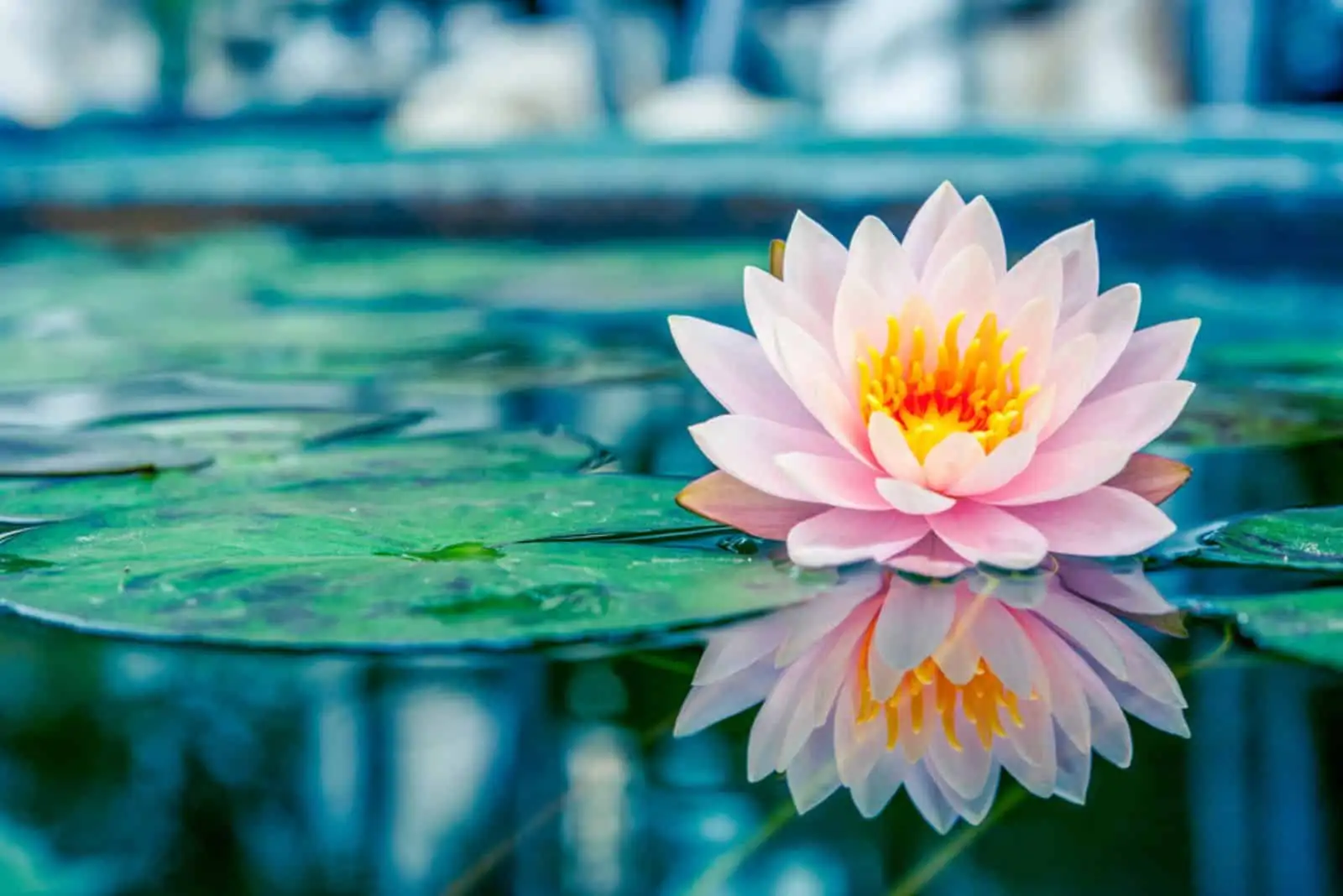
The evolutionary payoffs are elegant:
- Protect the goods: Closed petals help shield pollen and stigmas from dew and nocturnal nibblers.
- Save energy: Why stay open when your best pollinators are off-duty?
- Perfect timing: Opening when partners-in-pollination are active boosts the odds that a bee or beetle does the delivery.
Petals with a plan: Timed for pollinators
Different species and cultivars of Nymphaea sync their schedule to different pollinators.
- Day bloomers: These classic “sun-worshipers” tend to flatter bees, flies, and other daytime visitors with open bowls, sun-warmed petals, and perfume. Many hardy and tropical day-blooming water lilies sit on or just above the surface; tropical types often perch a touch higher, like little lanterns.
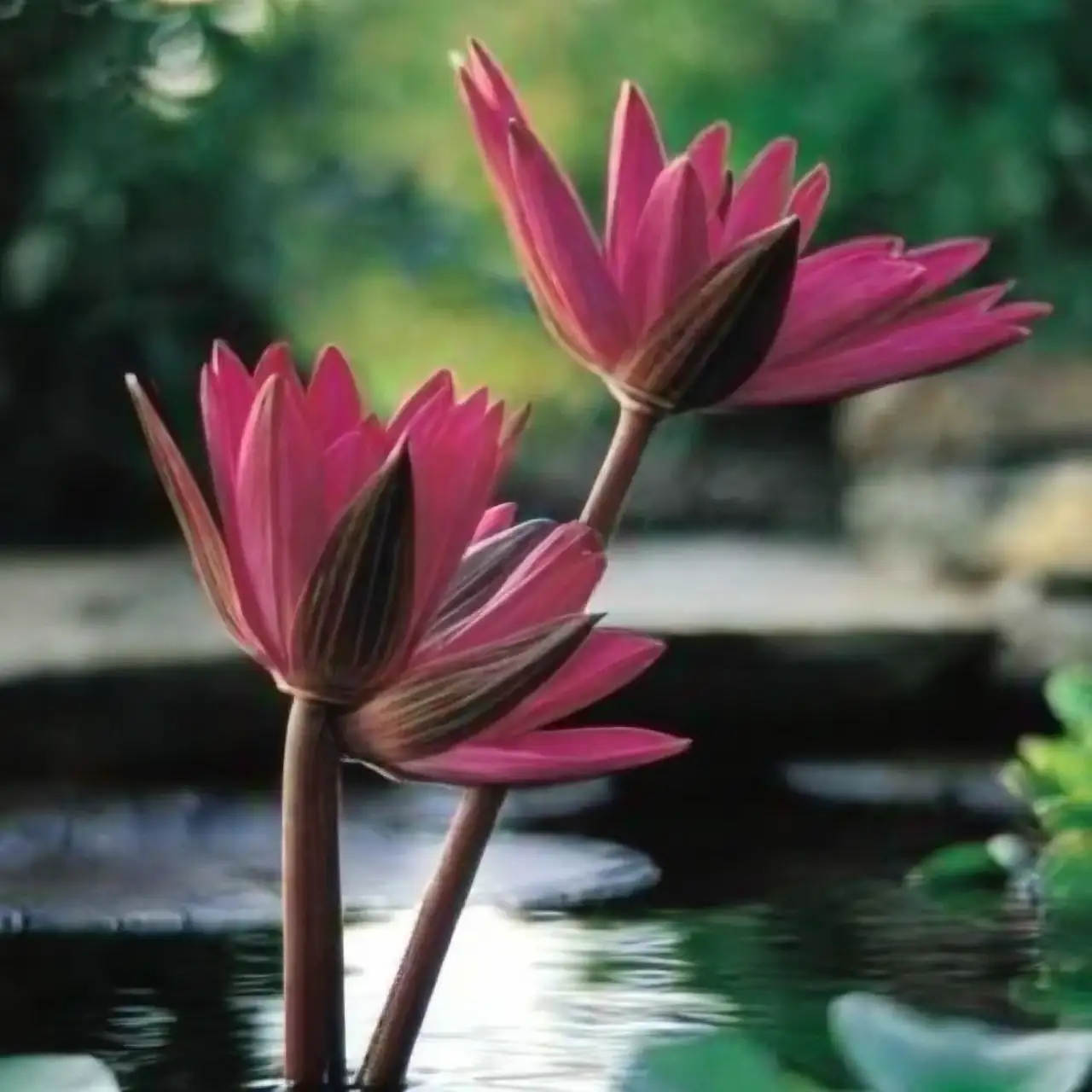
- Night bloomers: Tropical night-blooming Nymphaea flip the script, opening in early evening and closing around dawn. They’re often richly scented and held well above the water to broadcast fragrance into the night air—perfect for beetles that cruise after dark. Garden favorites include:
- ‘Antares’ (rosy red)
- ‘Red Flare’ (deep red, showy, often well above the water)
- ‘Red Cup’ (dark red, bronzy leaves)
- ‘Missouri’ (large white)
- ‘Trudy Slocum’ (pure white, fragrant)
- ‘Juno’ (white)
- ‘Emily Grant Hutchings’ (deep pink; opens early evening)
- ‘Texas Shell Pink’ (petals blending from white to soft pinkish tones)
Tip: Night-bloomers love consistently warm water—wait until the water sits near summer-warmth before planting.
One bloom, many roles: The 3–5 day life of a water lily flower
Here’s the short-but-spectacular timeline most Nymphaea follow:
- Day 1: The flower opens, usually functioning as female first—the stigma is receptive and ready to catch pollen. Many species subtly guide pollinators inward with patterns, warmth, and scent.
- Days 2–3 (sometimes to Day 5): The bloom reopens daily, now shedding pollen—its “male” phase. Fragrance and color tone can shift as the flower transitions, a clever signal that today’s visit is different from yesterday’s.
- The finale: After about 3–5 days of opening and closing, the spent flower often draws back under the surface to ripen seeds. Above the water, a fresh cast of buds is already queued for the next act.
This multiday routine is where the famous “changeable” lilies shine—some cultivars change color across successive openings, so the same plant can look like a sunset slide show over the course of a week.
Rule-breakers and show-offs
Water lilies have a reputation for opening by day and closing at night—but plenty of stars color outside the lines.
Night-blooming rebels
- Tropical night-bloomers, such as ‘Antares,’ ‘Red Flare,’ ‘Red Cup,’ ‘Juno,’ ‘Missouri,’ ‘Trudy Slocum,’ ‘Emily Grant Hutchings,’ and ‘Texas Shell Pink,’ unfurl at dusk and close by late morning.
- They’re typically pollinated by nocturnal beetles and often hold their flowers upright, above the pads, to better advertise scent and warmth in the evening air.
Color-shifters (“changeables”)
- Some cultivars visibly change color as each flower ages over its 3–5-day run. Famous examples among hardy lilies include:
- ‘Sioux’: yellow to orange to coppery red
- ‘Aurora’: soft yellow deepening to rich orange-red
- ‘Indiana’: small, prolific blooms that warm from yellow to orange-red
- These changes aren’t mood rings; they’re developmental signals—broadcasting to pollinators that today’s rewards may differ from yesterday’s.
Flexible schedules
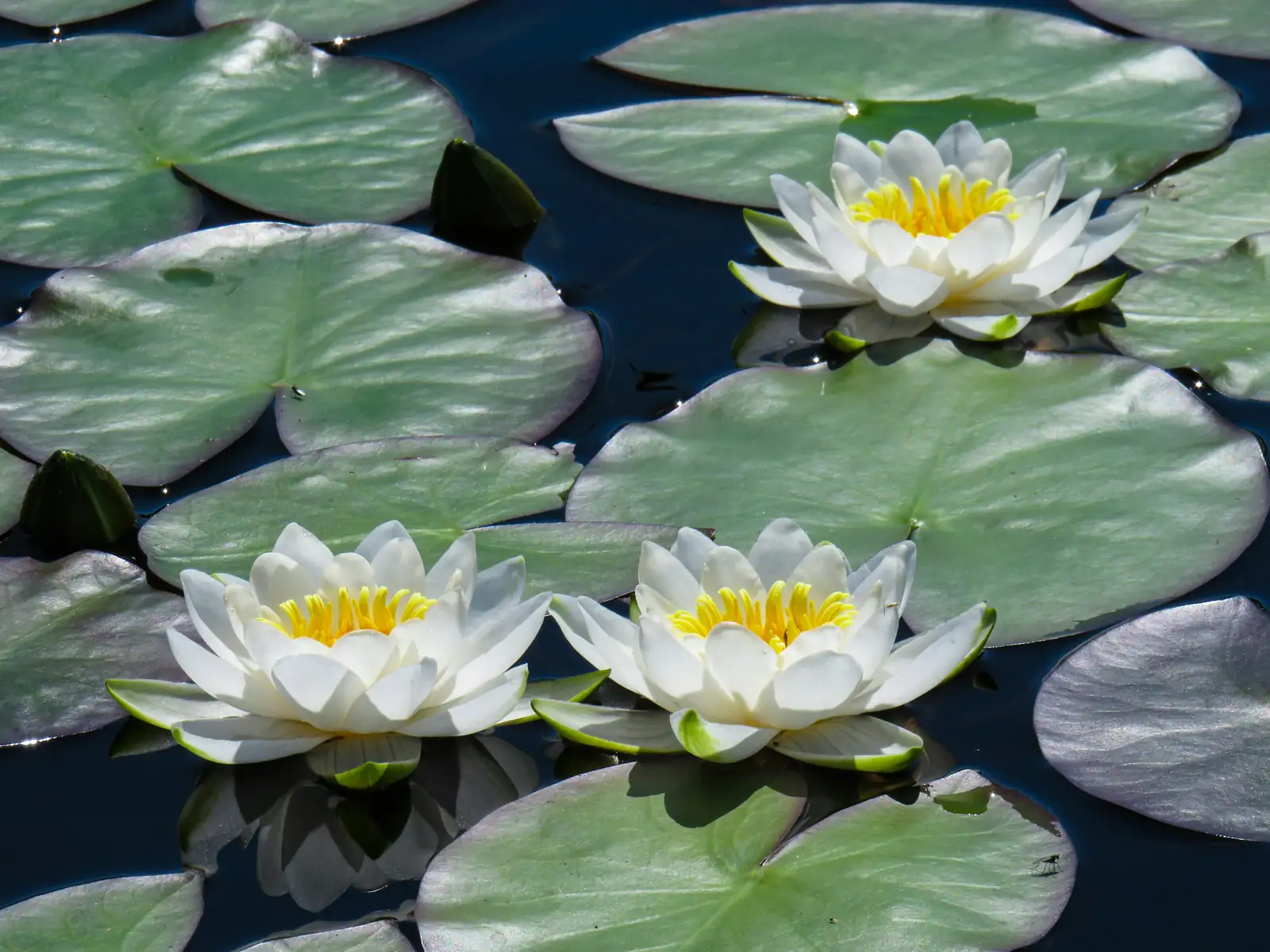
- Weather tweaks the script. On very cool, cloudy days, some day-bloomers may open later or stay open longer; in hot spells, certain flowers may partially “siesta” midday to protect pollen.
How to catch the show at home
If you want the grandest daily performance, set the stage right.
- Sunlight: Full sun is best—aim for 6–8 hours of direct light to fuel abundant blooms.
- Water depth: Plant so the crown sits with about 2–12 inches (5–30 cm) of water above it; vigorous cultivars can stretch deeper (up to about 80 cm). Keep water still or gently moving—avoid splashy fountains onto the pads.
- Warmth: Tropical water lilies thrive with warm water (around 25°C+/77°F+). Growth slows below about 15°C/59°F. Hardy water lilies tolerate cooler conditions and a longer season.
- Soil and feeding: Use heavy, loam- or clay-based aquatic soil (not floaty potting mixes). During the active season, push slow‑release aquatic fertilizer tablets into the soil—roughly monthly for hardy types, every two weeks for tropicals.
- Grooming: Snip yellowing leaves and spent flowers near the base to keep the water clearer and encourage fresh growth.
- Space and division: As rhizomes thicken, plants can crowd. Divide every 2–3 years in spring to keep vigor high and blooms coming.
Night-blooming fans: Set a chair by the pond at dusk and bring a camera. Many evening-openers begin right after sunset and are still glorious at breakfast time.
What you’re seeing when petals move
If you’re the curious type, the biomechanics are a delight. Petals are “powered” by changes in turgor—the pressure of water inside cells. At the petal base, bands of specialized cells act like hydraulic hinges. As ions move across membranes, water follows, cells swell or relax, and petals swing open or shut. A circadian clock, tuned by light and temperature, cues the whole performance with near metronomic precision.
Quick ID and color palette
- Signature foliage: Round, floating leaves with a neat notch; tops glossy green, undersides often blush purple-red. Some cultivars wear marbled or mottled patterns. Tropical types often show more prominently toothed edges.
- Flower stance: Solitary, many-petaled blooms sit on or just above the surface; tropicals often lift a bit higher.
- Colors: White, yellow, orange, red, pink, and purple; among tropical types, even blue. Many cultivars are delightfully fragrant.
- Size: Leaves about 6–30 cm (2.4–12 in) across; flowers can range from dainty to dinner-plate scale (3–30 cm/1.2–12 in), depending on species and cultivar.
Symbolism decoded: purity, serenity—and the dawn itself
Across cultures, water lilies symbolize purity, serenity, and renewal—an image born from their daily rise above murky water. In ancient Egypt, water lilies were bound to the sun’s rebirth, closing and sinking in darkness, then opening at dawn. Modern “flower language” amplifies these ideas, but remember: symbolism is cultural poetry, not plant biology. The scientific marvel is the same movement that inspired the myths—nyctinasty—reliably timed to the turning of the day.
Fun extras for plant geeks and pond dreamers
- Each bloom is a short story in chapters: open/close over 3–5 days, shifting fragrance and sometimes color as it moves from female to male function.
- Water lily leaves are famously water‑repellent; droplets bead and roll like quicksilver, inspiring self‑cleaning materials.
- Their giant cousin, Victoria, sports pads big enough to support a carefully placed child—proof that the water-lily clan has a flair for spectacle.
FAQ: quick hits
- Why isn’t mine flowering? Usually not enough sun, planting too deep, cool water, low nutrition, or a crowded rhizome. Give it 6–8 hours of sun, adjust depth, fertilize with aquatic tablets, and divide if packed.
- Can I grow one in a container? Yes—choose a compact cultivar and a wide tub (12–24 in/30–60 cm). Provide strong sun or a serious grow light.
- Winter care? Hardy types can overwinter outdoors if the crown stays below the ice line. Tropical types are frost‑tender; bring them in before cold hits and overwinter warm indoors, or treat them as annuals.
In short: Water lilies don’t just decorate the pond—they run it like a theater. The curtain rises with the sun (or the moon, for the night crowd), a flower performs brilliantly for 3–5 days, and then bows out as the next star takes the stage. Watch closely, and you’ll see not just beauty—but exquisite timing.


