

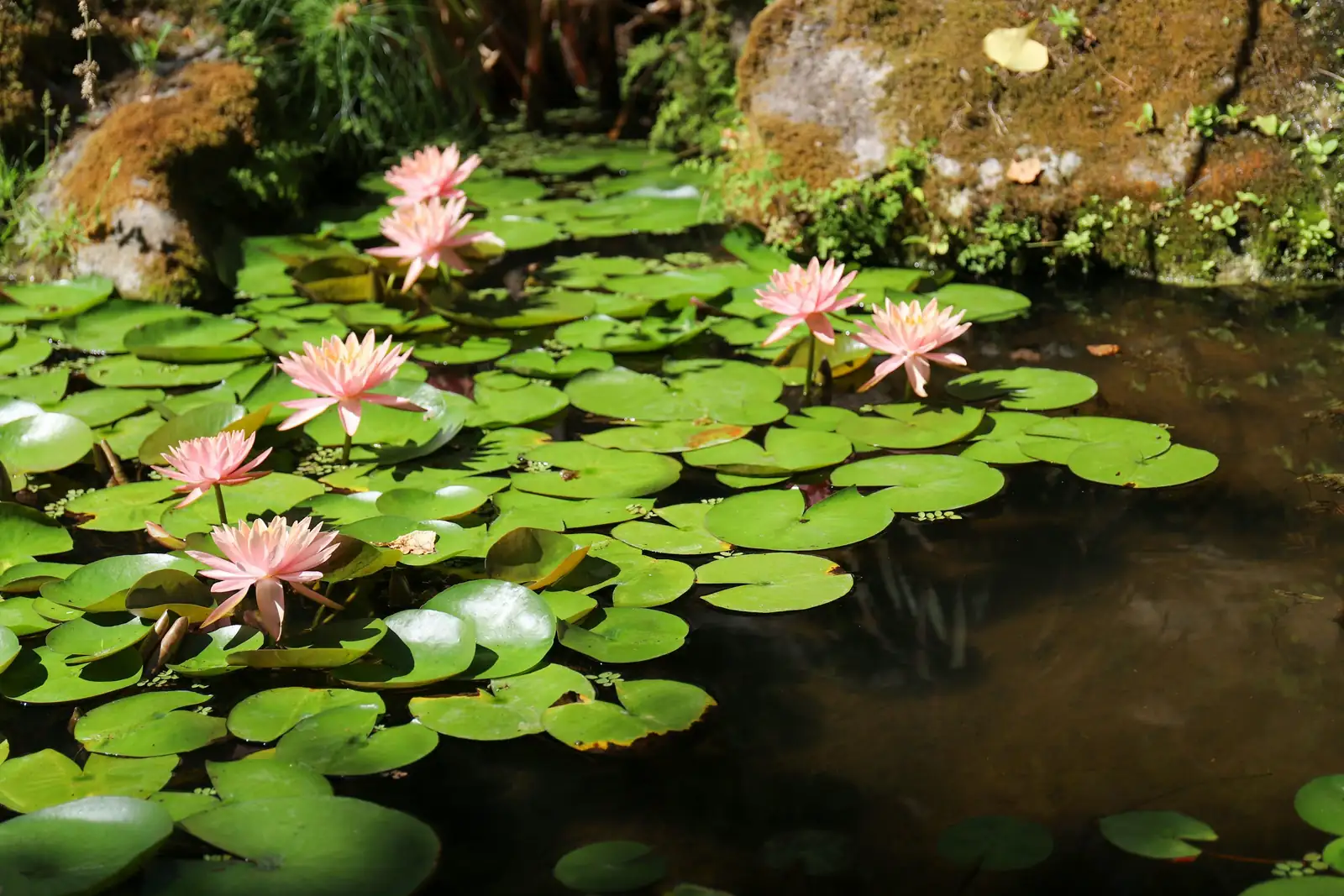
Imagine a calm pond at first light. A round, glossy leaf parts the mirrored surface; then a many-petaled bloom lifts and opens as if greeting the sun. By dusk, it will close again—an old ritual, repeated across continents and centuries. Follow that flower, Nymphaea—the water lily—and it will lead you from Egyptian temples to Greek myths, through global waters and modern breeding benches, and finally to Monet’s shimmering garden in Giverny.
Nymphs on the Water: How a Name Cast a Spell
Nymphaea takes its name from the nymphs of Greek mythology—spirits of fresh waters and hidden springs. It fits. These plants look ethereal yet are anchored by very earthly architecture: thick, underwater rhizomes (or tubers in some tropical kinds) that send up long stalks ending in floating leaves and solitary flowers.
- Leaves: round to oval, with the signature notch, typically glossy green above and sometimes purplish-red beneath. Some cultivars are handsomely mottled.
- Flowers: star-burst or bowl-shaped, in white, yellow, orange, pink, red, purple—and among tropicals, even blue. Many are fragrant.
- Daily rhythm: in many varieties, blooms open by day and close at night, each flower lasting about 3–5 days.
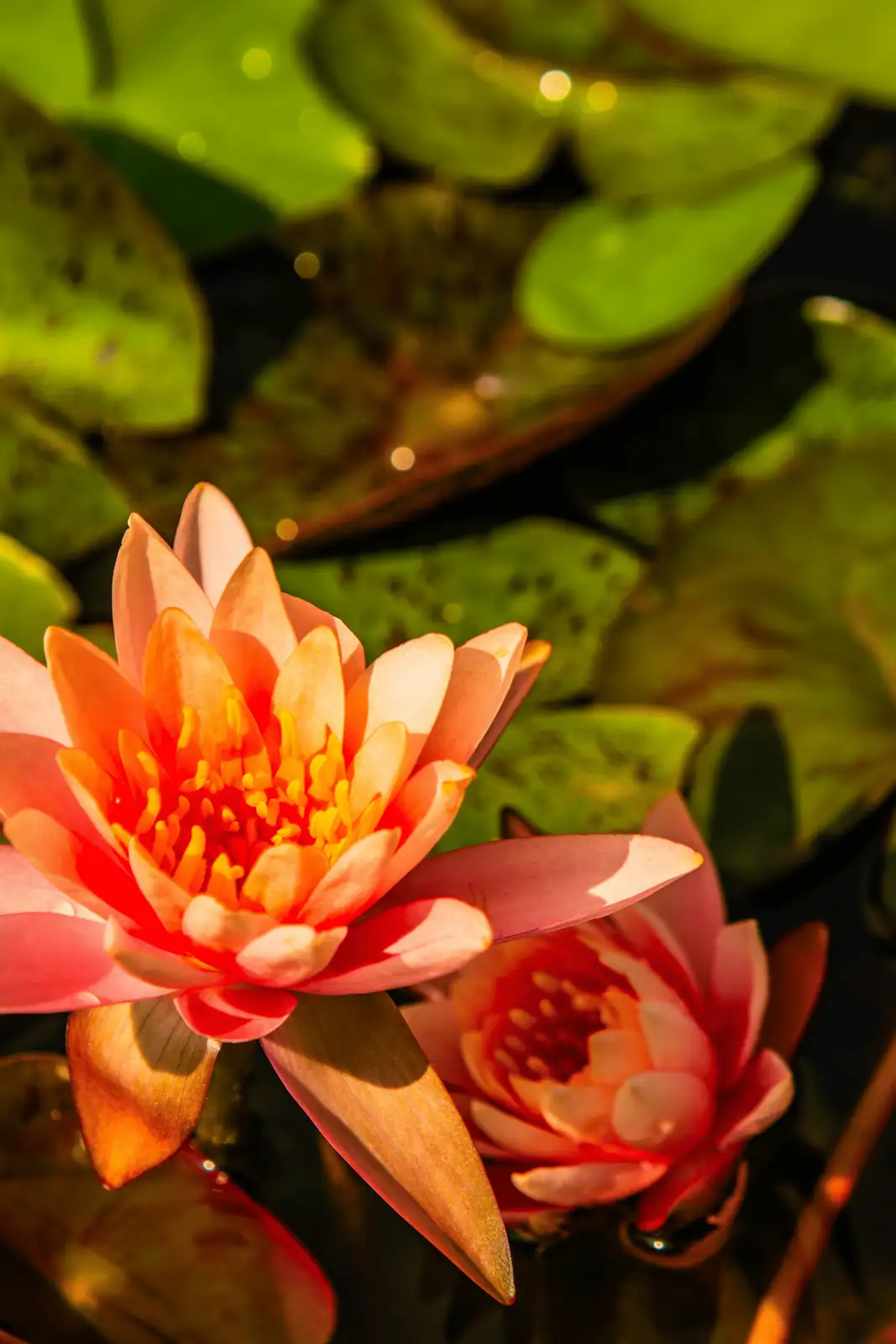
In short: a nymph’s grace with an engineer’s reliability.
Dawn on the Nile: Sun, Rebirth, and the Blue Water Lily
Ancient Egypt read the water lily’s choreography—open with sunrise, close at sunset—as a living emblem of the sun’s daily rebirth. Blue water lilies especially became sacred motifs, unfurling in frescoes, jewelry, and ceremonial objects. The flower’s perfume, its poised perfection above murky water, and its day–night cycle all converged into a spiritual shorthand for creation, renewal, and serenity.
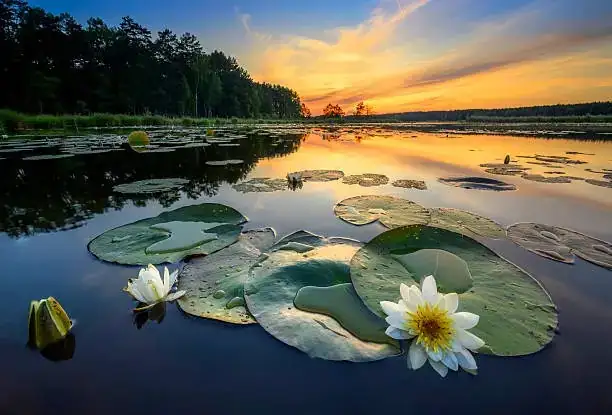
Even today, that symbolism travels well. To place a water lily in a pool is to write a small poem about light returning.
A World of Quiet Mirrors: Where Nymphaea Thrives
Water lilies are nearly worldwide in distribution—about 65 native species span regions from China and India to Egypt, Mexico, South Africa, and the United States. They settle into still or gently moving waters: ponds, lakes, slow streams, and modern tubs on sunlit balconies.
- Size and habit: floating leaves roughly 6–30 cm across; flowers 3–30 cm wide, depending on species and cultivar.
- Hardy vs. tropical: tropical types often hold blooms more upright and may show more toothed leaf edges; hardy kinds typically float their flowers closer to the surface.
- Season: typically late spring to early autumn; in mild climates, hardy selections can begin as early as March and linger into November.
- Ecology: leaves shade and cool the water, sheltering fish, frogs, and aquatic life.
Family lore bonus: the giant leaf that can hold a child belongs to Victoria, a close cousin in the same family, Nymphaeaceae—proof that this lineage has mastered the art of floatation.
The Gardener’s Chapter: Light, Warmth, and Calm Water
Water lilies are less “watered” than “well-placed.” Give them a sunny stage and steady depth, and they will sing all summer.
Where and how to plant
- Sunlight: full sun is best—6–8 hours daily. Flowering drops in shade.
- Water depth: typically 5–30 cm (2–12 in) of water above the soil/crown; some vigorous cultivars tolerate up to about 80 cm (31 in).
- Soil: heavy, nutrient-rich loam or clay-based aquatic soil. Avoid fluffy mixes that float or foul the pond.
- Water: still or gently moving only. Keep leaves away from constant splashing or turbulence.
Temperature and hardiness
- Hardy water lilies: generally suited to USDA Zones 4–10 if rhizomes stay below the ice line.
- Tropical water lilies: frost-tender, best in Zones 9–11; thrive in warm water around 25°C+ (77°F+), and growth slows below ~15°C (59°F).
Feeding, grooming, and dividing
- Fertilization: during active growth (about May–September).
- Hardy types: about monthly.
- Tropical types: about every 2 weeks.
Use slow-release aquatic tablets pressed into the soil near roots.
- Pruning: remove yellowing leaves and spent flowers to keep water clear and energy focused.
- Propagation: divide rhizomes in spring when plants get crowded (often every 2–3 years). Repot with fresh soil, trimming away exhausted sections.
Winter care in brief
- Hardy types: overwinter outdoors if the crown remains below the ice line; in containers, move pots deeper.
- Tropical types: bring in before frost. Overwinter tubers/rhizomes warm and just moist (around 10–15°C / 50–59°F) or grow as annuals.
Pests, wildlife, and water health
- Pests: aphids (rinse), caterpillars (hand-pick), water mites, leaf beetles.
- Diseases: leaf spot and crown/rhizome rot—minimize by pruning affected leaves and keeping conditions clean and sunny.
- Wildlife: turtles, fish, and waterfowl may chew on tender foliage and buds.
Palette and Perfume: The Modern Breeder’s Art
From heritage species to contemporary cultivars, breeders have chased color, form, and fragrance across the genus.
- Colors: classic whites and yellows to pinks, reds, and purples; tropicals can include striking blues.
- Form: starry or peony-like fullness, wide or narrow petals, compact rosettes for tubs or vigorous spreaders for larger ponds.
- Scent: many modern selections remain richly perfumed.
Tropical types show off with slightly elevated blooms and ornate leaf patterns; hardy varieties bring stamina across cooler seasons and climates. Together, they’ve made even a small patio pool into a scene of theater and scent.
The “Flower Language” of Water Lilies—Where It Comes From and Why It Endures
Flower language, as popularly shared today, braids ancient symbolism with later cultural retellings rather than strict botany. Still, Nymphaea’s daily performance gives the metaphors real roots.
- Purity and serenity: the leaf and bloom ride above murky water, unstained.
- Renewal and spiritual clarity: day-opening/night-closing reads as rebirth and reflection.
- Resilience: sturdy rhizomes keep returning each spring.
These meanings surface in Egyptian art, South and East Asian spiritual contexts, and Western paintings. They aren’t laboratory facts—but they are truthful to what a water lily makes people feel when they watch dawn touch its petals.
How to Bring the Myth Home: A Quick Planting Recipe
- Pick a compact cultivar for a container, or a more vigorous type for a pond.
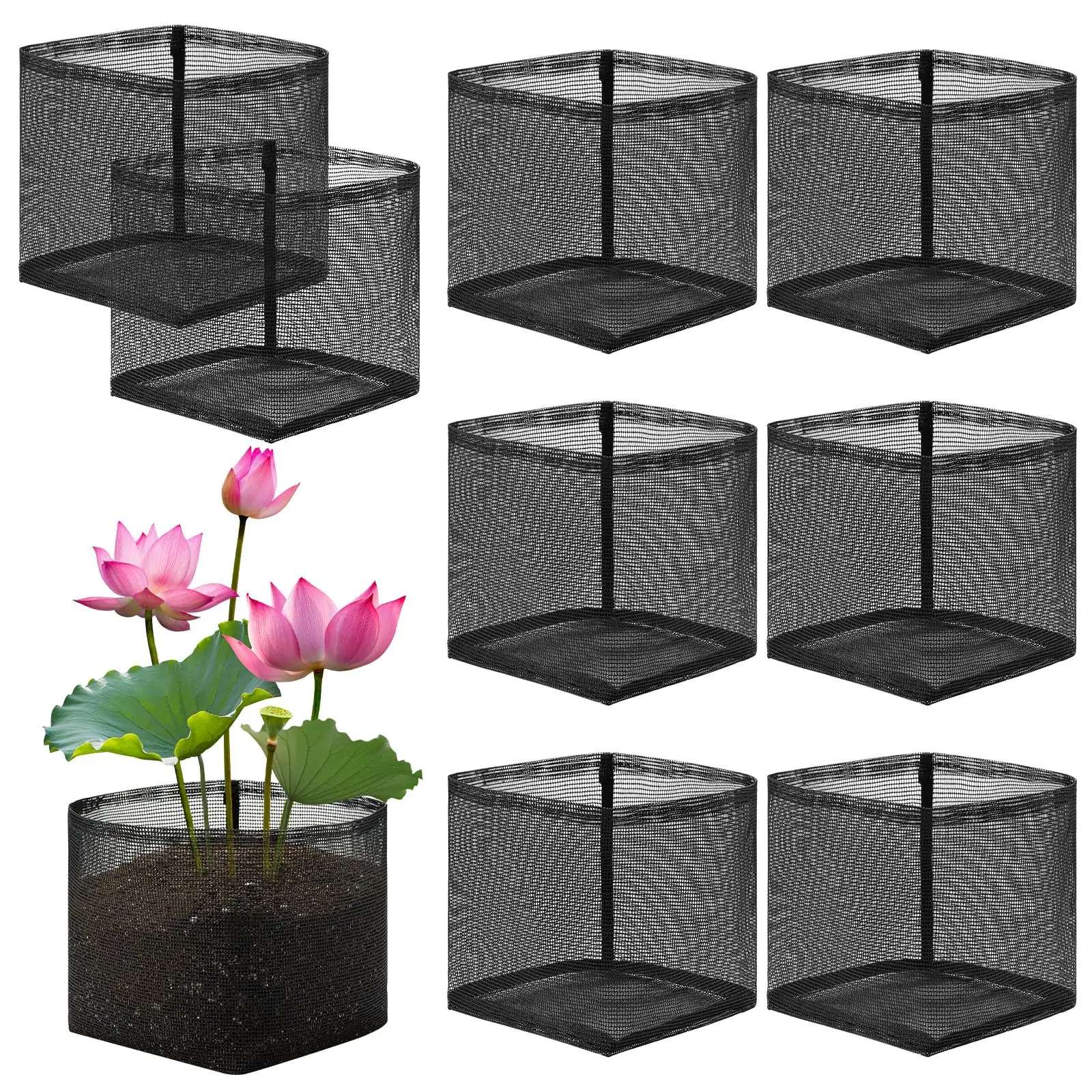
- Pot in heavy loam in a wide, shallow aquatic basket; set the crown just above the soil.
- Submerge so that 5–30 cm (2–12 in) of water covers the crown.
- Give it 6–8 hours of sun, feed regularly in summer, and keep the water calm and clean.
- In cold regions, overwinter hardy types below the freeze line and bring tropicals indoors.
Do this, and your water lily will write light into water, day after day.
The Last Scene: Monet’s Shimmering Legacy
At Giverny, Claude Monet turned a painter’s eye into a gardener’s hand—importing plants, shaping a pond, and installing a Japanese bridge. There he met Nymphaea anew. Across roughly 250 canvases, he tracked not the flower but the flicker: sky in water, hours across petals, seasons in the loosened brush of a dissolving sun. After World War I, he offered two great Water Lilies panels to France, a gift of quietude and healing now housed in the Musée de l’Orangerie.
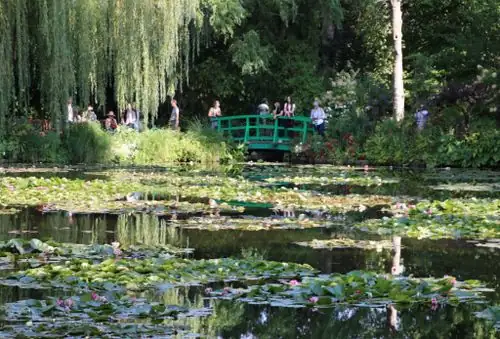
Stand before those vast ovals and you can feel it: the same pulse that woke a blue lily on the Nile. The day opens; the day closes. The water remembers the light. And on a summer morning, a Notched round leaf and a many-petaled bloom lift again, renewing an ancient promise on the surface of a small, human-made pond.


