

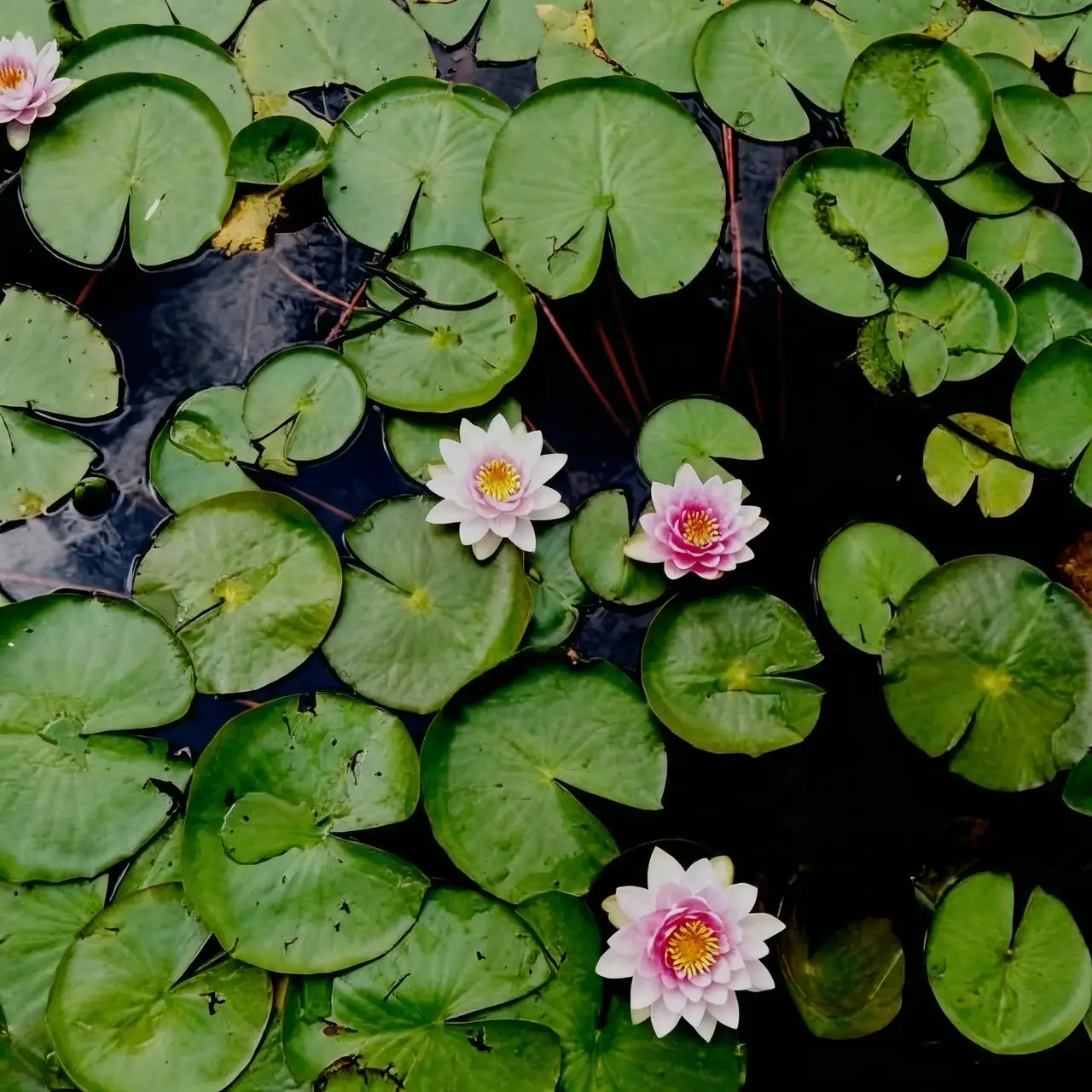
If your water lilies have gone from serene to stressed—leaves ragged, buds stunted, water murky—take a breath. You can stabilize a Nymphaea pond quickly with a clear triage routine, then build it back better for shimmering water and nonstop blooms.
Here’s your step-by-step playbook: diagnose fast, treat cleanly, and tune the habitat so problems don’t boomerang.
First, confirm your patient: Nymphaea in a nutshell
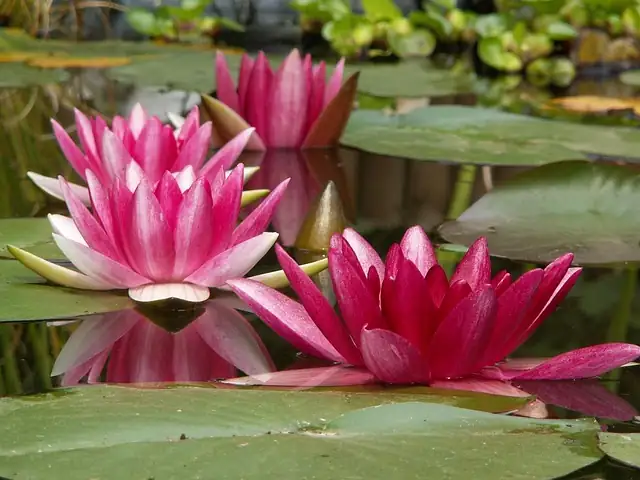
- Identity: Water lilies (Nymphaea), classic pond perennials with round floating pads (each with a signature notch) and showy, many-petaled flowers in white, yellow, pink, red, orange, purple—and, in tropical types, even blue. Many are fragrant.
- Growth: From chunky underwater rhizomes (or tubers in some tropical kinds); leaves and flowers rise on long stalks to the surface.
- Sun: Aim for full sun—6–8 hours daily for best flowering.
- Water depth: Typically 5–30 cm (2–12 in) above the crown; up to ~80 cm for vigorous cultivars.
- Temperature: Tropical types thrive warm (ideally 25°C+/77°F+), slowing below ~15°C/59°F; hardy types tolerate cooler water.
- Placement: Still or gently moving water; avoid strong turbulence or constant splashing.
Why this matters: Most “pest and disease” flare-ups are really culture issues—too little sun, planting too deep, overcrowding, or mucky water—making plants vulnerable. Fix the foundations and the rest gets easier.
The 15-minute triage (do this today)
- Count the sun: Are pads getting 6–8 hours of direct light? If not, relocate containers or thin overhanging shade.
- Check planting depth: Ensure 5–30 cm (2–12 in) of water above the soil/crown unless your cultivar prefers deeper.
- Look for crowding: If pads blanket most of the pond, thin or divide; aim for roughly half the surface shaded by plants to balance light and oxygen.
- Inspect the newest leaves and buds up close:
- Clusters of tiny green/black insects? Aphids.
- Neat slots, grazed “windows,” or ragged holes? Water lily leaf beetle.
- Shredded patches or “leaf sandwiches” that sail? Caterpillars (brown china mark moth).
- Fine speckling/bronzing with tiny red/orange dots? Mites.
- Sniff and feel the crown: Any soft, smelly, brown mush at the rhizome? That’s rot—address immediately.
- Housekeeping: Remove yellowing/chewed leaves and spent flowers by cutting near the base; scoop debris to keep water clear.
- Feeding status: During active growth, push aquatic fertilizer tablets into the potting soil (hardy: monthly; tropical: every 2 weeks). Never scatter fertilizer into the water.
Pest identification and precise interventions
Avoid broad-spectrum pesticides in ponds—they harm beneficial invertebrates, amphibians, and fish. Use physical and biological methods first.
Aphids (Rhopalosiphum nymphaeae)
- Signs: Small green/brown/black colonies on pads, stems, and buds; leaves curl/yellow; buds may distort.
- Fast actions:
- Hose or wipe them off into the water; fish often eat them.
- Briefly submerge affected leaves for 24–48 hours to drown aphids.
- Remove weak/dying leaves (aphids prefer tender tissue).
- Prevention:
- Keep lilies thinned; dense emergent growth above the surface invites aphids.
- Maintain vigorous growth with full sun and steady nutrition.
Water lily leaf beetle (Galerucella nymphae)
- Signs: Adults and black grubs graze the upper leaf surface, creating elongated “slots,” windows, and ragged edges; badly hit leaves rot.
- Fast actions:
- Hand-pick adults in the cool morning; crush or remove egg clusters and larvae from leaf undersides.
- Remove badly damaged leaves before they decompose.
- Clean pond edges of plant litter that shelters overwintering beetles.
- Prevention:
- Keep pads healthy and not overcrowded; robust growth outpaces minor damage.
Caterpillars (brown china mark moth, Elophila nymphaeata)
- Signs: Shredded patches; young larvae mine leaves, older larvae feed under folded or “sandwiched” leaf pieces.
- Fast actions:
- Hand-pick larvae and remove their leaf cases; prune heavily damaged pads.
- In severe cases, a targeted application of Btk (Bacillus thuringiensis var. kurstaki) on leaf surfaces can suppress caterpillars and is considered fish-safe when used as directed.
- Prevention:
- Regularly remove decaying leaves; reduce habitat for larvae.
Mites (water mites)
- Signs: Fine stippling/bronzing and slow decline on tender pads; tiny red/orange dots visible with a hand lens. Note: many aquatic mites are predators; confirm damage is active.
- Fast actions:
- Prune and remove the most affected leaves to break the cycle.
- Improve plant vigor (sun, depth, feeding) so new pads outgrow damage.
- Encourage natural predators (diverse pond life); avoid miticides in ponds.
Bonus: Chironomid midges (secondary feeders)
- Signs: If leaves already rotting from other causes, midge larvae may feed on decaying tissue.
- Fix the root cause (pests, leaf spot, or rot), remove decomposing leaves, and the midges move on.
Disease triage: stop leaf spot and rhizome rot
Leaf spot
- Signs: Brown to black spotting, sometimes with yellow halos; patches coalesce, leaves weaken.
- Actions:
- Promptly cut off spotted leaves at the base and remove from the pond.
- Improve sun exposure and avoid constant splashing on foliage.
- Thin crowded crowns; refresh old potting soil if plants are exhausted.
- Sanitize tools between cuts. Avoid blanket fungicides in ponds.
Crown/rhizome rot
- Signs: Soft, smelly, brown tissue at the crown/rhizome; failure to send up healthy new leaves; water may cloud around the plant.
- Actions (act now):
- Lift the plant; rinse gently to inspect.
- With a sterile knife, cut back to firm, white/green, non-smelly tissue; discard all mushy parts.
- Repot in fresh, heavy loam or clay-based aquatic soil; seat the rhizome so the growing point is just at the soil surface, not buried.
- Replant at correct depth; keep water still and warm (for tropicals), and hold fertilizer until you see strong new growth.
- If the entire rhizome is mush, it’s not salvageable—discard and sterilize containers/tools before replanting.
Restore clear water and vigorous blooms
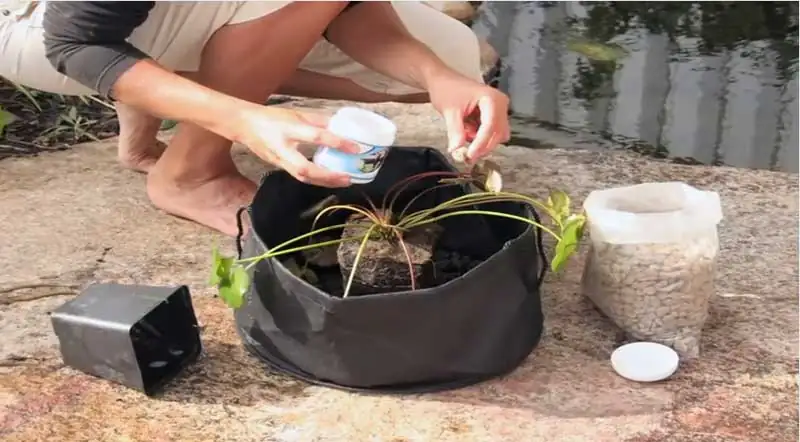
Think of clarity and flowering as outcomes of balanced inputs: sun, depth, nutrition, and cleanliness.
- Sunlight: Ensure 6–8 hours of direct sun. Move container gardens if needed.
- Planting depth: Keep 5–30 cm (2–12 in) of water above the crown for most cultivars; too deep suppresses flowering.
- Nutrition:
- Hardy lilies: feed monthly in the growing season.
- Tropical lilies: feed about every 2 weeks in warm conditions.
- Use slow-release aquatic tablets; press into the soil near roots.
- Pruning: Remove yellowing leaves and spent blooms promptly to prevent decay-driven water clouding.
- Repot/divide: Every 2–3 years, refresh soil and divide crowded rhizomes; replant the most vigorous pieces with 2–3 growing points.
- Water quality:
- Skim debris, thin excess pads, and avoid overfeeding fish.
- Gentle circulation is fine; avoid strong waterfalls or constant splashing that stresses foliage and reduces flowering.
- Top up clean water to maintain stable levels, especially in heat.
- Habitat balance: Allow lilies to shade a good portion of the surface without smothering the pond. A balanced canopy helps curb algae yet preserves gas exchange and access for maintenance.
Seasonal playbook
- Spring (Mar–May)
- Plant or divide rhizomes; set correct depth.
- Start fertilizing as growth begins; ramp sun exposure.
- Early pest patrol catches aphids, beetles, and caterpillars before populations surge.
- Summer (Jun–Aug)
- Peak growth: feed on schedule; prune weekly.
- Keep water level steady; skim debris; maintain gentle flow only.
- Autumn (Sep–Nov)
- Reduce feeding as growth slows.
- Prepare tropicals for overwintering; thin old foliage to minimize rot.
- Winter (Dec–Feb)
- Hardy lilies can remain outdoors if the crown stays below the ice line.
- Tropical lilies: bring indoors before frost; overwinter tubers/rhizomes in damp sand at ~10–15°C (50–59°F), or grow as annuals in cold climates.
Why flowering stalls—and how to fix it fast
- Not enough sun: Move to full sun (6–8 hours).
- Too deep: Lift to the recommended depth above the crown.
- Cool water (tropicals): Wait for consistently warm water (25°C+/77°F+), or use dark containers in sun to warm water.
- Underfed or exhausted soil: Feed with aquatic tablets; repot if soil is depleted.
- Overcrowded rhizomes: Divide and replant the strongest sections.
Quick prevention checklist
- Full sun and correct depth.
- Heavy, nutrient-rich aquatic soil (pH ~6–8); avoid floaty potting mixes.
- Regular feeding during active growth—tablets into soil only.
- Weekly grooming: remove spent blooms/yellow leaves.
- Thin pads and divide every 2–3 years.
- Keep water clean and still; avoid harsh splashing.
- Zero broad-spectrum pesticides; use physical controls and targeted biologicals when necessary.
- Watch for wildlife nibblers (fish, turtles, waterfowl) and protect prized buds if necessary.
A final note on symbolism—and why it matters for care
Water lilies are celebrated worldwide for purity, serenity, and renewal: the bloom rises clean from muddy water each day, opening to light and closing with night. In a practical sense, that metaphor guides good husbandry. Give your Nymphaea steady sun, clear water, and room to breathe, and they repay you with cyclical rebirth—fresh pads, fragrant flowers, and a pond that looks newly washed every morning.
Follow this triage playbook, and your water lilies will return the favor: clearer water, vigorous crowns, and blooms that turn your pond into a living painting.


