
Think of Peperomia obtusifolia—your glossy, compact Baby Rubber Plant—as the calm, steady heartbeat of a pet-safe plant vignette. It thrives in bright, indirect light, stores just enough water in those thick, waxy leaves to forgive a missed watering, and stays tidy on shelves or desks. Build a group around it with other pet-safe plants that like the same “sip, don’t soak” routine, and you’ll get a lush, low-fuss corner that looks curated and stays healthy.
Here’s your expert guide to curating that ensemble—balancing texture, airflow, and a routine you can actually keep.
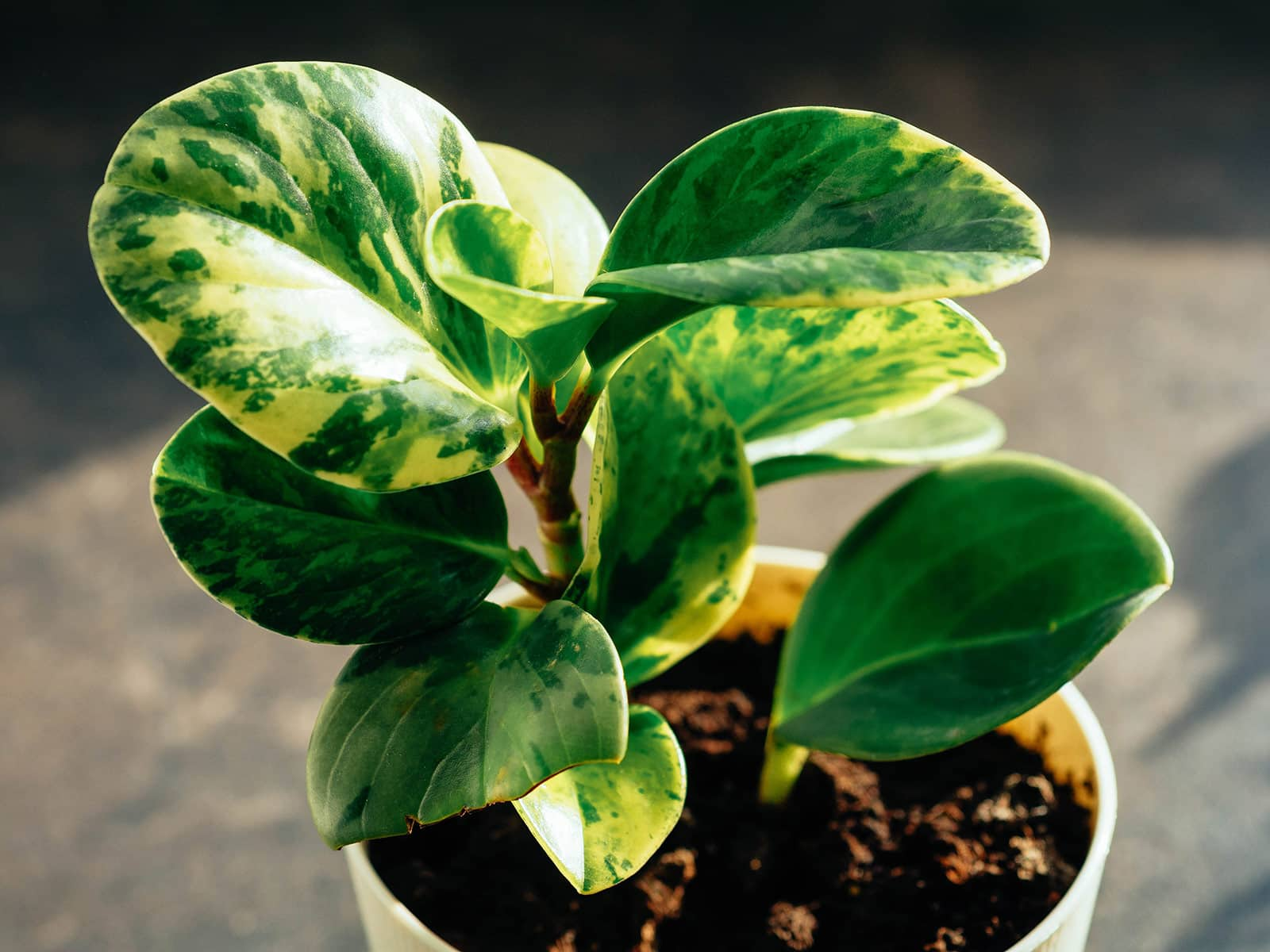
Your anchor: Baby Rubber Plant basics to set the standard
- What it is: Peperomia obtusifolia (aka Baby Rubber Plant, Pepper Face), a compact evergreen from tropical Central/South America and the Caribbean (especially Brazil), in the Piperaceae family.
- Look: Thick, glossy, water-storing leaves; naturally clumping; slow, steady growth. Expect the occasional quirky, tail-like flower spike—charming but not the main show.
- Size and pace: Typically 20–30 cm tall and wide indoors; stays neat with light pinching.
- Light: Bright, indirect light to partial shade. Harsh direct sun can scorch; low light is tolerated but growth gets looser.
- Temperature & humidity: Comfortable around 16–24°C (61–75°F). Keep above 10°C (50°F). Adapts to average home humidity; avoid cold drafts and stagnant, damp air.
- Water rhythm: Let the top ~5 cm (2 in) dry, then water thoroughly and drain. Rough rhythm: every 7–10 days in summer; every 2–3 weeks in winter—always adjust to your conditions. Overwatering is the top cause of decline.
- Soil: Loose, fast-draining mix (houseplant mix + perlite/coarse sand, optionally a pinch of orchid bark). Use pots with drainage.
- Feeding: Light feeder. Diluted balanced liquid fertilizer monthly in spring/summer (or every 2 weeks May–Aug if actively growing well). No feeding fall/winter; avoid heavy nitrogen on variegates.
- Pruning & repotting: Pinch to keep compact; thin dense growth to improve airflow. Likes to be slightly root-bound; repot every 2–3 years, just one pot size up.
- Pests: Mealybugs, spider mites, whiteflies can appear—especially if air is stagnant. Treat early with insecticidal soap or horticultural oil.
- Pet safety: Generally non-toxic to cats and dogs.
Moisture match: how to choose true companions
Baby Rubber Plant is “semi-succulent”: it wants consistent but careful moisture, never soggy, with a clear dry-down between waterings. For effortless group care, pick plants that:
- Prefer bright, indirect light (or gentle filtered sun).
- Like to dry the top 2–5 cm of mix between waterings.
- Handle average home humidity with good airflow.
If a plant demands constantly moist soil or daily misting, it throws off the shared routine. Keep those thirstier beauties nearby—but in their own microzone (more on that below).
Curated, pet-safe companions with similar care
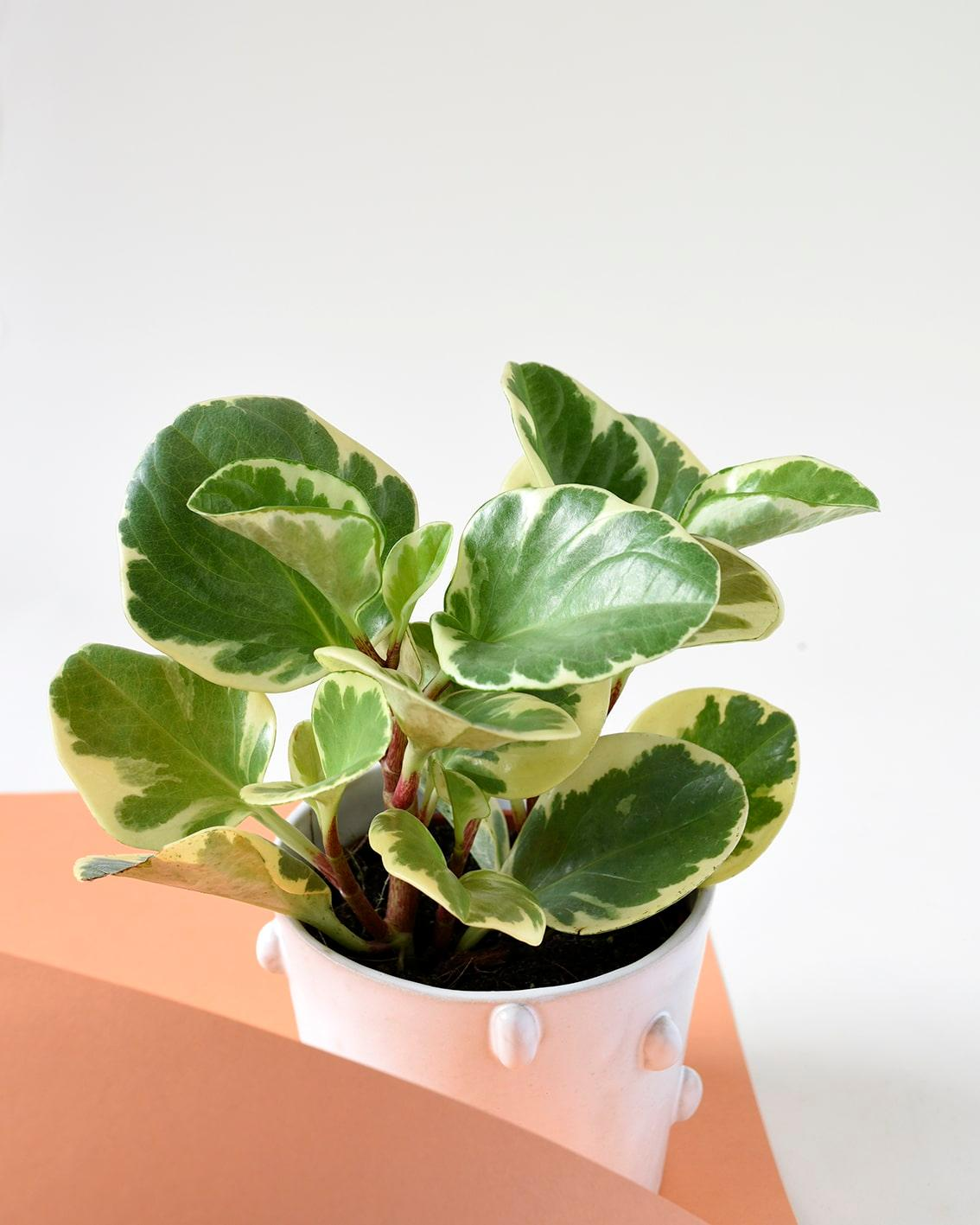
Same-genus “siblings” (texture harmony, identical watering tempo)
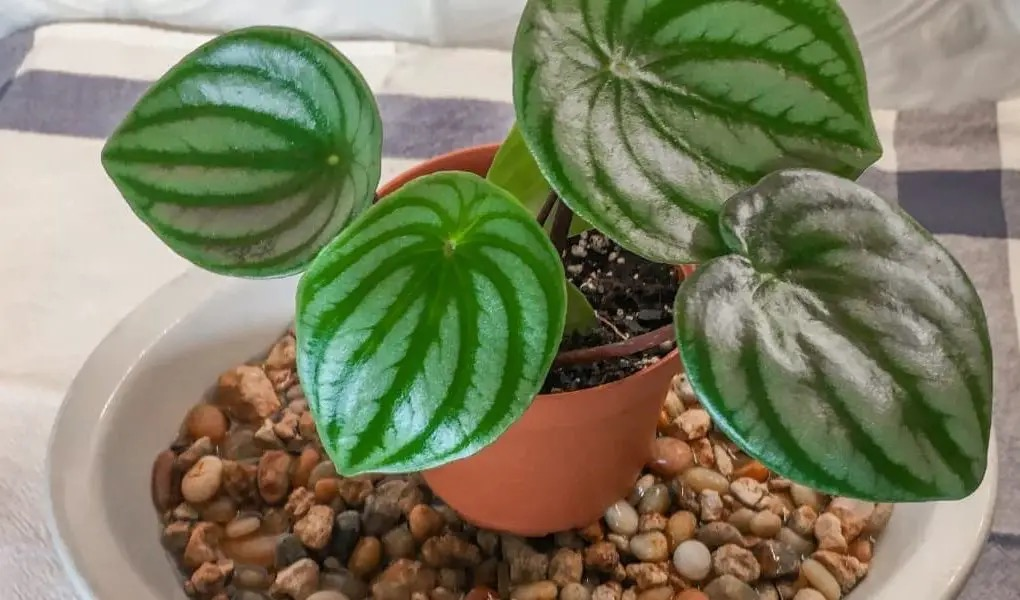
- Peperomia argyreia (Watermelon Peperomia): Silver-striped, round leaves add bold graphic pop; enjoys the same partial dry-down and filtered light.
- Peperomia caperata (Ripple Peperomia): Deeply corrugated leaves in emeralds and plums; compact footprint, great contrast to the Baby Rubber Plant’s smooth gloss.
- Peperomia ‘Hope’ (trailing, coin-like foliage): Softens edges of shelves; same fast-draining mix, light feeding, and partial dry-down.
Graceful trailers and climbers (movement without mess)
- Hoya carnosa (Wax Plant): Thick, glossy leaves echo the Peperomia’s semi-succulent vibe; allow to dry a bit between waterings; loves bright, filtered light.
- Chlorophytum comosum (Spider Plant): Arching, variegated ribbons bring motion and brightness; enjoys bright, indirect light and a moderate dry-down.
Feathery or architectural uprights (vertical rhythm and softness)
- Chamaedorea elegans (Parlor Palm): Airy fronds create height and light diffusion without hogging space; water when the top couple of centimeters feel dry.
- Aspidistra elatior (Cast Iron Plant): Slow, sturdy, and handsome; tolerates low to bright-indirect and a moderate dry cycle; a grounding counterpoint to Peperomia’s shine.
Elegant spotlight
- Phalaenopsis (Moth Orchid): Pet-safe, sleek blooms over sculptural leaves; prefers bright, indirect light and a wet-dry cycle suited to its bark mix. Different substrate, same schedule spirit.
Note: All plants above are generally considered non-toxic to cats and dogs. As with any houseplant, nibbling can still cause mild stomach upset in sensitive pets—so display out of enthusiastic paw range.
Design a group that breathes and thrives
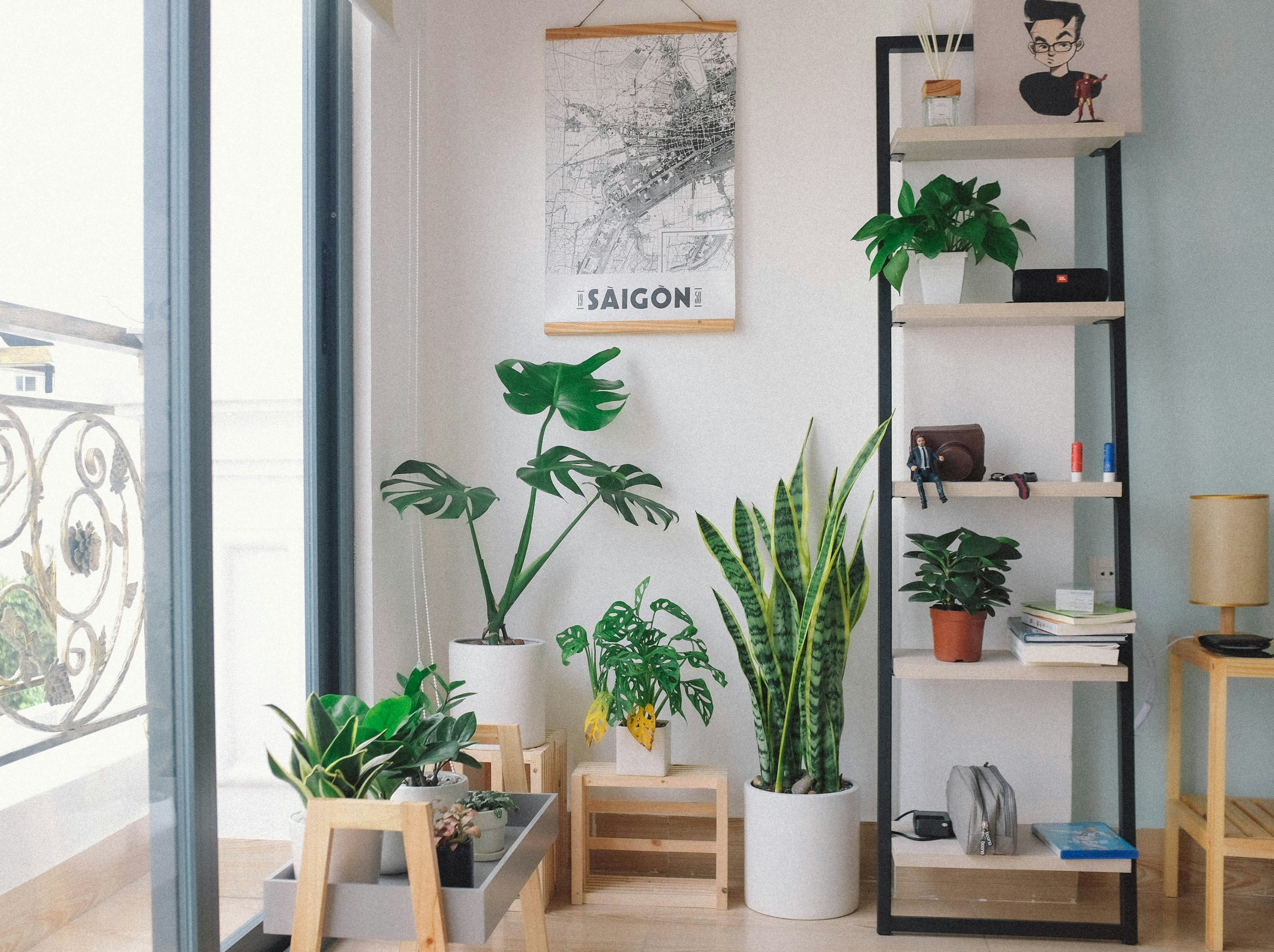
Think textures, heights, and airflow—not just “what fits on the shelf.”
- Light layering
- Place the Baby Rubber Plant slightly off-center near an east window, or behind a sheer on a south/west exposure.
- Keep companions with equal light needs shoulder-to-shoulder; tuck any “brighter” friend (e.g., Hoya) closer to the window, and “shade-friendlier” (e.g., Aspidistra) a step back.
- Texture trio formula
1) Glossy and bold: Peperomia obtusifolia or P. argyreia
2) Corrugated or ribbed: P. caperata or Parlor Palm fronds
3) Flowing/trailing: Hoya or Spider Plant
This mix reads lush without looking busy.
- Airflow spacing
- Leave a few centimeters between foliage tips. No leaf-on-leaf crowding—this reduces mealybug hideouts and fungal issues.
- Use small risers or stacked saucers to stagger heights and improve circulation.
- Pot scale and media
- Keep group members in similarly fast-draining media so their watering cadence aligns.
- Avoid oversized pots; slightly cozy roots help prevent sogginess (Peperomia especially appreciates this).
- Humidity without wetness
- A pebble tray beneath the grouping adds light humidity while keeping pots out of standing water.
- If your winters are very dry, a gentle oscillating fan on low helps prevent stagnant air.
- Rotate for symmetry
- Give the whole vignette a half-turn weekly so everyone grows evenly and stays compact.
The shared-care routine (simple, repeatable, pet-safe)
- Weekly “one-check day”
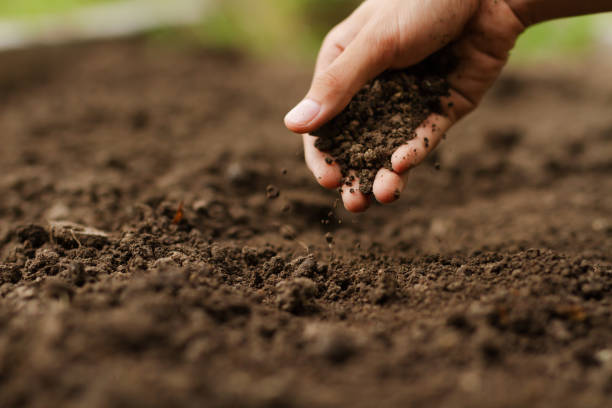
- Probe the top ~5 cm (2 in) of soil. Water only when dry to that depth.
- Lift-test: light pot = likely time to water. When you water, water thoroughly, then empty saucers.
- Seasonal cadence
- Spring–summer: Expect watering about every 7–10 days in many homes; feed monthly with a diluted balanced liquid fertilizer during active growth.
- Fall–winter: Brighten the spot if possible; stretch the interval to every 2–3 weeks; stop fertilizing.
- Groom and prune
- Pinch Peperomia tips to keep it compact and branched. Remove yellowing or damaged leaves promptly to maintain airflow.
- Thin any overcrowded clumps—especially important in display groups.
- Repotting rhythm
- Every 2–3 years for Peperomia (and only a small size up). Refresh the mix rather than chasing a bigger pot.
- Stagger repots across the group so watering needs don’t change for everyone at once.
- Pest patrol
- Quick visual check on “one-check day” for mealybugs, spider mites, or whiteflies.
- If found, isolate and treat with insecticidal soap or horticultural oil; repeat weekly until clear. Improve airflow to prevent reinfestation.
Smart microzoning: when a favorite needs different moisture
Love a prayer plant (Maranta/Calathea) or African violet with your Peperomia? They’re also pet-safe but often prefer more even moisture. Position them:
- Slightly closer to the humidifier or bathroom light spill.
- In their own cachepot or tray so you can water more frequently without overwatering your semi-succulents.
- With a gentle airflow buffer so extra humidity doesn’t become “constantly damp air.”
Troubleshooting in groups
- Yellowing, dropping leaves on Peperomia
- Most often overwatering or too little light. Let soil dry to the proper depth, increase filtered light, and thin dense foliage to improve airflow.
- Leggy growth
- Light is too low or rotation’s been skipped. Brighten the spot and rotate weekly.
- Dull leaves
- Plant may be too dry for too long—resume consistent “partial dry, then water thoroughly” rhythm. In variegated forms, overfeeding (especially high nitrogen) can also blur patterns.
- Slow or mushy roots
- Cold, wet soil or a heavy mix. Warm it up, repot into a faster-draining blend, and water less frequently.
Styling sparks
- Use a restrained color palette—white or sand-toned pots let variegation and textures sing.
- Mix matte and glossy containers to echo the Peperomia’s sheen, but keep drainage non-negotiable.
- Add a small, low-profile turntable under the cluster for easy rotation and cleaning.
A note on symbolism (and those funny flower spikes)
Peperomia’s modest, unscented “rat-tail” blooms won’t headline a bouquet, yet the plant has earned a place in modern plant lore as a symbol of steady, calm growth and a tidy, comfortable home—often gifted with warm wishes for happiness and quiet prosperity. That meaning likely grew not from traditional floriography, but from the plant’s personality indoors: compact, composed, and reassuringly resilient.
Why this grouping works—at a glance
- Pet-safe: A worry-free palette for homes with cats and dogs.
- Bright-indirect baseline: Shared light sweet spot reduces leggy growth and sun scorch.
- Similar moisture needs: Everyone follows the “partial dry, then thorough drink” rule.
- Built-in airflow: Spacing, height-staggering, and gentle circulation keep pests and rot at bay.
- Low-maintenance routine: One-check day, light feeding in season, and minimal repotting.
Curate it once, keep it breathable, and enjoy a lively tableau that stays beautiful on your busiest weeks—your Baby Rubber Plant leading the way with that endlessly fresh, just-polished look.