
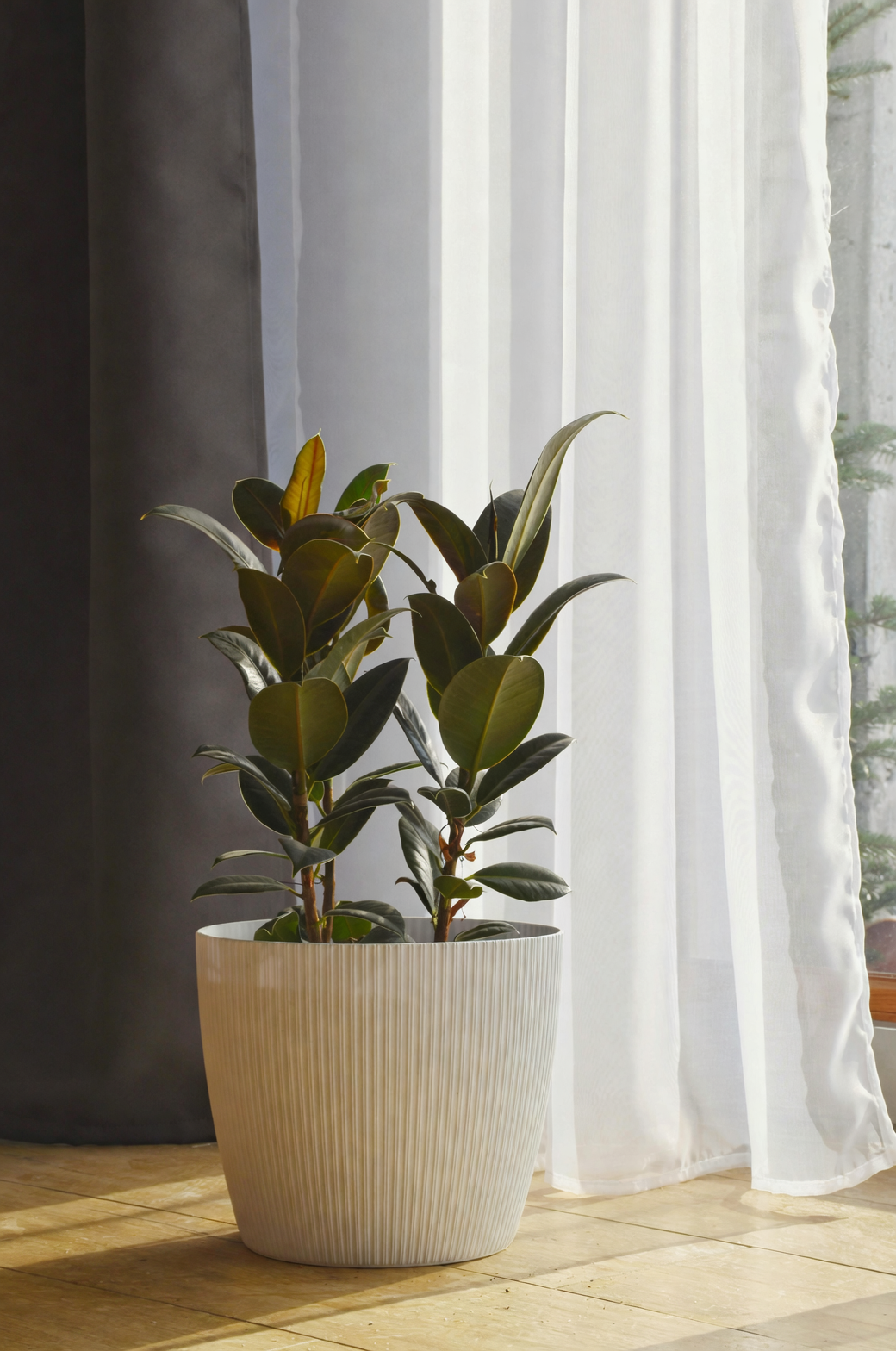
Meet the baby rubber plant (Peperomia obtusifolia): a tidy, glossy-leaved desk buddy with the personality of a succulent and the manners of a fern. Compact, slow, and steady, it stays fresh-looking in bright, filtered light and occasionally surprises you with quirky “rat-tail” flower spikes. Here are the bite-sized curios that make this plant so lovable—and so collectible.
Bite-sized curios
Why those odd tail-like flower spikes appear
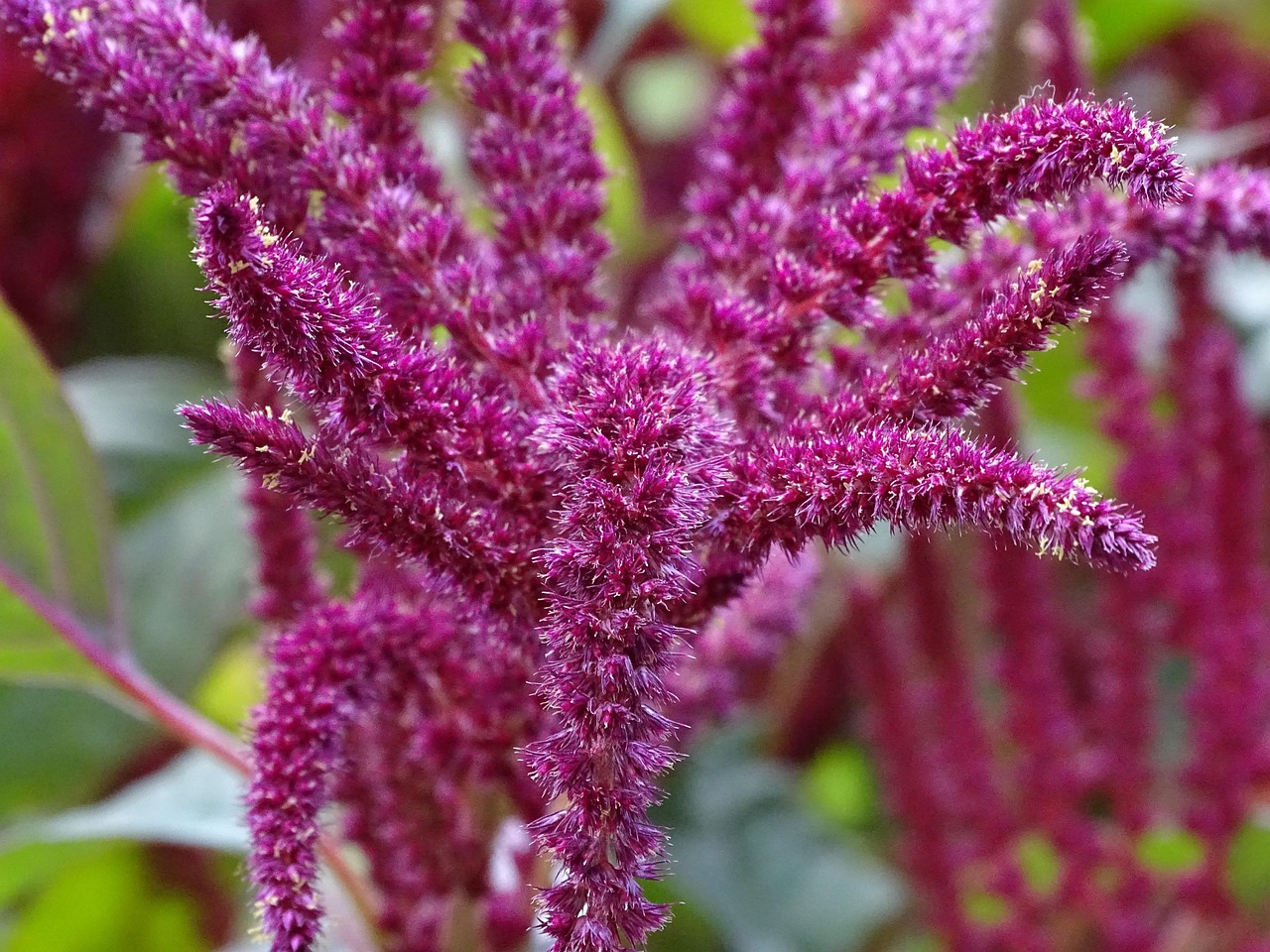
- What you’re seeing is a spicate inflorescence—countless tiny, unscented flowers packed onto a slender spike. In the pepper family (Piperaceae), this design trades flashy petals for efficiency: lots of flowers in little space, excellent for a tropical understory where small breezes and incidental insect visits do the pollinating.
- Indoors, spikes typically show up in summer into early autumn and are more of a conversation piece than a display. They won’t perfume the room and rarely set seed inside—but they do prove your plant is content.
- Care tip when spikes appear: keep your usual routine. Don’t overwater “to help it bloom.” Good light and a fast-draining mix matter more than extra drinks.
Semi-succulent leaves: tiny water tanks in plain sight
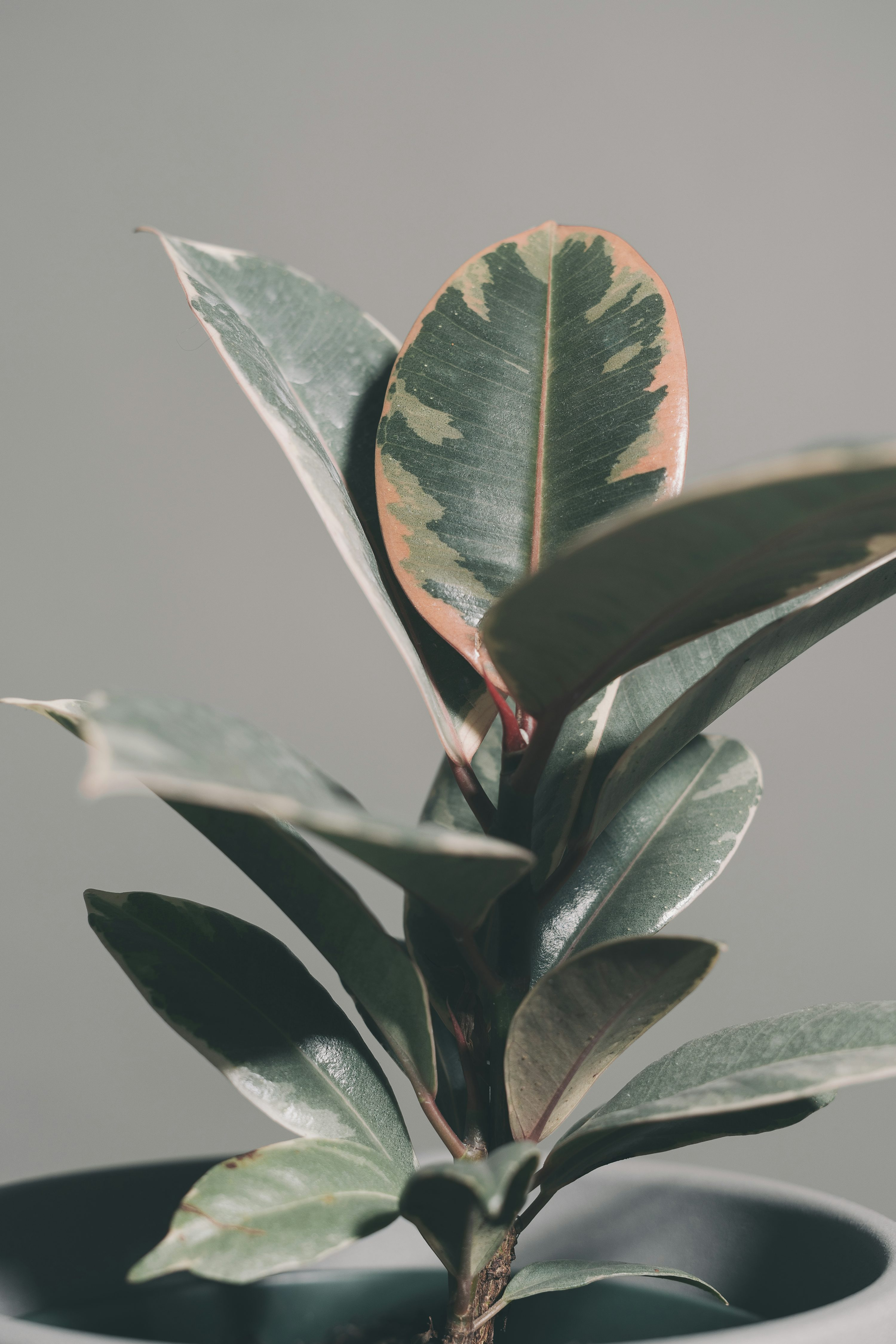
- Those thick, waxy-glossy leaves are storage pros. Inside is water-holding tissue that acts like a canteen, letting the plant ride out brief dry spells better than many tropical foliage plants.
- The shine isn’t just for looks: a smooth, waxy cuticle slows water loss. Stomata (the leaf pores) open conservatively, another water-saving trick.
- What this means for you:
- Water only when the top ~5 cm (2 in) of mix is dry, then drench and drain. Overwatering is the #1 way to lose this plant to root rot.
- If kept too dry for too long, leaves soften and lose their gloss. Rehydrate thoroughly once—don’t “sip-water” daily.
- Cold is the enemy. Below 10°C (50°F) leaves can show chilling damage; growth slows and rot risk rises.
A genus that refuses to look the same twice
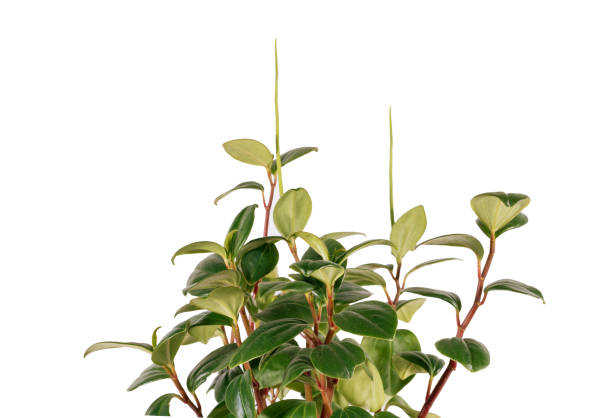
- Peperomia is a big, shape-shifting clan with well over 1,000 species—upright, mounding, or trailing; smooth or quilted; green, silver, red, or variegated.
- Crowd-pleasing cousins you might meet:
- P. argyreia (watermelon peperomia): silvery stripes like rind.
- P. caperata (emerald ripple): deeply quilted leaves.
- P. polybotrya (raindrop): glossy teardrops.
- P. puteolata (parallel) and P. prostrata (string of turtles): elegant trailers.
- Note: “Watermelon peperomia” is a different species from baby rubber plant. Labels sometimes blur, but your compact, spoon-leaved buddy is P. obtusifolia.
- Many Peperomia naturally grow as epiphytes or lithophytes—perched on bark or rock with airy, shallow roots. That’s why they insist on a loose, fast-draining mix and don’t like big, soggy pots.
- Good news for homes with pets: generally considered non-toxic to cats, dogs, and humans (still not a snack).
Cutings that root fast (and satisfy the impatient)

- Timing and type:
- Stem tip cuttings (3–4 cm long with 3–5 leaves) root readily in a light mix or moist sand—often in about 3 weeks.
- Leaf cuttings can also root in 2–3 weeks; tiny plantlets may appear in roughly a month.
- Water propagation works too if you prefer to watch roots form.
- Conditions that speed things up:
- Bright, indirect light; warmth around 16–24°C (61–75°F).
- A very airy medium (peat/coco with perlite; add a pinch of orchid bark if you have it).
- Even moisture, never soggy; excellent airflow.
- A simple, fast-track routine:
- Take a clean tip cutting just below a node; remove the lowest leaf.
- Dip in rooting hormone (optional), then insert into pre-moistened mix.
- Cover loosely with a vented dome or bag to hold moderate humidity and air out daily.
- Resist tugging; look for new leaf growth or gentle resistance around week 3.
- Pot on only when roots are established; keep feeding light to avoid lanky growth and, on variegates, washed-out patterns.
Care in 60 seconds
- Light: Bright, indirect to gentle filtered light (about 40–50% shade). Tolerates lower light but grows looser. Avoid harsh, hot sun.
- Water: “Less is more.” Water when the top ~5 cm (2 in) is dry. Typical rhythm: about every 7–10 days in summer, every 2–3 weeks in winter—always adjust to your conditions.
- Temperature: Best 16–24°C (61–75°F). Keep above 10°C (50°F); prolonged heat above 30°C (86°F) can stall growth.
- Humidity: Average home humidity is fine with good airflow.
- Soil: Loose, fast-draining houseplant mix with perlite/coarse sand; a little orchid bark optional. Always use drainage holes.
- Feeding: Light feeder. In active growth, use a diluted, balanced liquid fertilizer monthly—or every two weeks from May–August if growth is strong. Avoid excess nitrogen, especially on variegated forms.
- Pruning: Pinch tips to keep it compact; thin dense clumps for airflow. Older, leggy plants can be cut back to rejuvenate.
- Repotting: Likes to be slightly root-bound. Repot every 2–3 years at most, stepping up only 2.5–5 cm (1–2 in).
- Size and placement: Typically 20–30 cm (8–12 in) tall and wide. Perfect for desks, shelves, and bright bathrooms. An east window or a south/west window with a sheer curtain is ideal.
- Pests and problems: Watch for mealybugs, spider mites, whiteflies, and scale—treat early with insecticidal soap or horticultural oil. Root rot stems from cold, wet soil; prevent with drainage and measured watering.
Little history and meaning
- The genus was formally named in 1794 during South American botanical exploration. The nickname “radiator plant” is often said to reflect its love of warm, bright spots near windows—perfect modern indoor company.
- Symbolism: With its steady, compact growth and polished poise, Peperomia is exchanged in some traditions (notably in Brazil) as a quiet wish for happiness and calm: a gentle “everything will be alright.” It’s less about ancient folklore than about the plant’s reassuring habit—neat, enduring, and unfussy—making it a thoughtful gift for new homes and new beginnings.
Quick FAQs
- Why are my leaves yellowing and dropping?
- Most often overwatering (or cold, wet soil). Also check for low light, crowding, or poor airflow. Move to bright, filtered light, let the mix dry partially between waterings, and thin dense growth.
- Are they true succulents?
- Not quite. Think “semi-succulent”: fleshy leaves store water, but they prefer gentle, consistent moisture cycles rather than desert-dry conditions.
- Should I mist it?
- Misting is mostly cosmetic. If air is very dry, use a humidifier or pebble tray instead—and keep airflow moving to avoid fungal issues.
Bonus curiosity: Peperomia obtusifolia forgives the occasional missed watering, but not cold feet. Keep it warm, give it bright filtered light and a feathery-light mix, and it will repay you with gleaming leaves—and the occasional whimsical rat-tail bloom.