
If your baby rubber plant (Peperomia obtusifolia) normally looks like a little bowl of polished green pebbles, think of this guide as your calm, weekly ritual to keep it that way. We’ll move step-by-step—identify mealybugs, spider mites, whiteflies, and root rot; treat with a simple weekly soap/oil routine; and set up airflow and sanitation habits that prevent most problems before they start.
First, set the stage for resilience
Peperomia obtusifolia is naturally tidy and slow-growing, with thick, water-storing leaves that forgive the odd missed drink. When its everyday needs are met, pests and rot struggle to gain a foothold.
- Light: Bright, indirect light to partial shade. Avoid harsh direct sun that can scorch those glossy leaves. East windows or filtered south/west light are great.
- Temperature: Prefers 16–24°C (61–75°F); keep it above 10°C (50°F). Cold, wet soil is the fast track to rot.
- Humidity and airflow: Average home humidity is fine; prioritize gentle air movement and avoid stagnant, constantly damp conditions.
- Soil and pot: Loose, fast-draining mix (houseplant mix + perlite/coarse sand; a bit of orchid bark if you have it). Always use a pot with drainage holes.
- Watering: Let the top ~5 cm (2 in) dry before watering again—less is more. Overwatering is the #1 cause of decline.
Tip: Bright, filtered light and a fast-draining mix are your repeatable recipe for a baby rubber plant that stays compact, fresh-looking, and far less appealing to pests.
The calm 10‑minute checkup (weekly)
Do this once a week—ideally the same day you do your soap/oil routine if you need it.
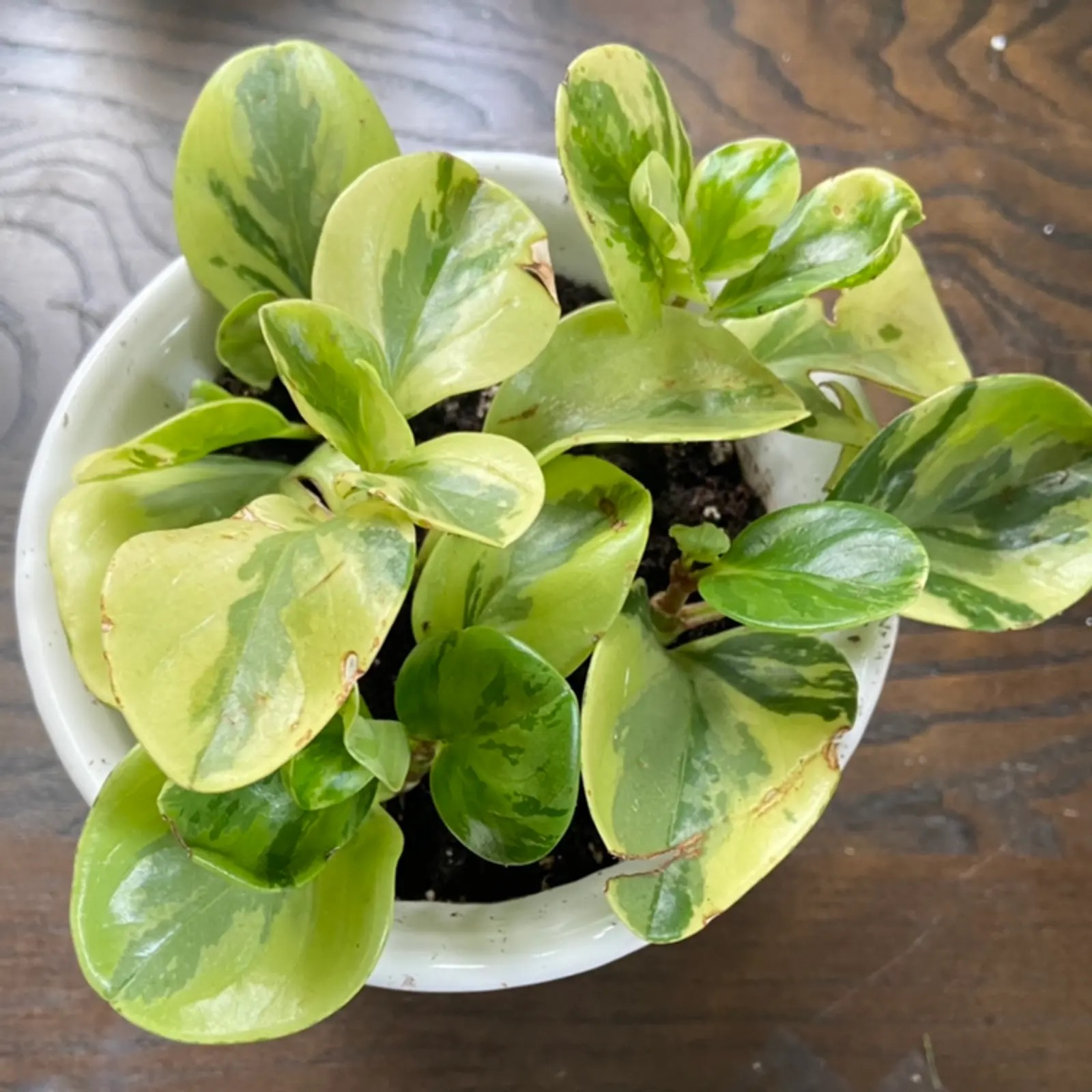
- Isolate and inspect
- Look into leaf axils (where leaves meet stems), undersides of leaves, and along the pot rim.
- Tap the plant over white paper; a faint “snow” of tiny white fliers suggests whiteflies.
- For spider mites, look for fine webbing and a dusty, speckled appearance on leaves.
- Feel, weigh, and sniff
- Lift the pot. Heavy and soggy for days? Risk of root rot.
- Sniff the soil. Sour or swampy smells are a red flag.
- Check the crown and lower leaves
- Yellowing or sudden leaf drop often points to overwatering or poor airflow.
- Sticky leaves or black sooty mold = sap-sucking pests (mealybugs/whiteflies).
- Thin and tidy
- Pinch back leggy tips to open the canopy for airflow.
- Remove yellowing or damaged leaves with clean, sharp shears.
Pest ID and first aid
Mealybugs (cottony clusters, sticky leaves)
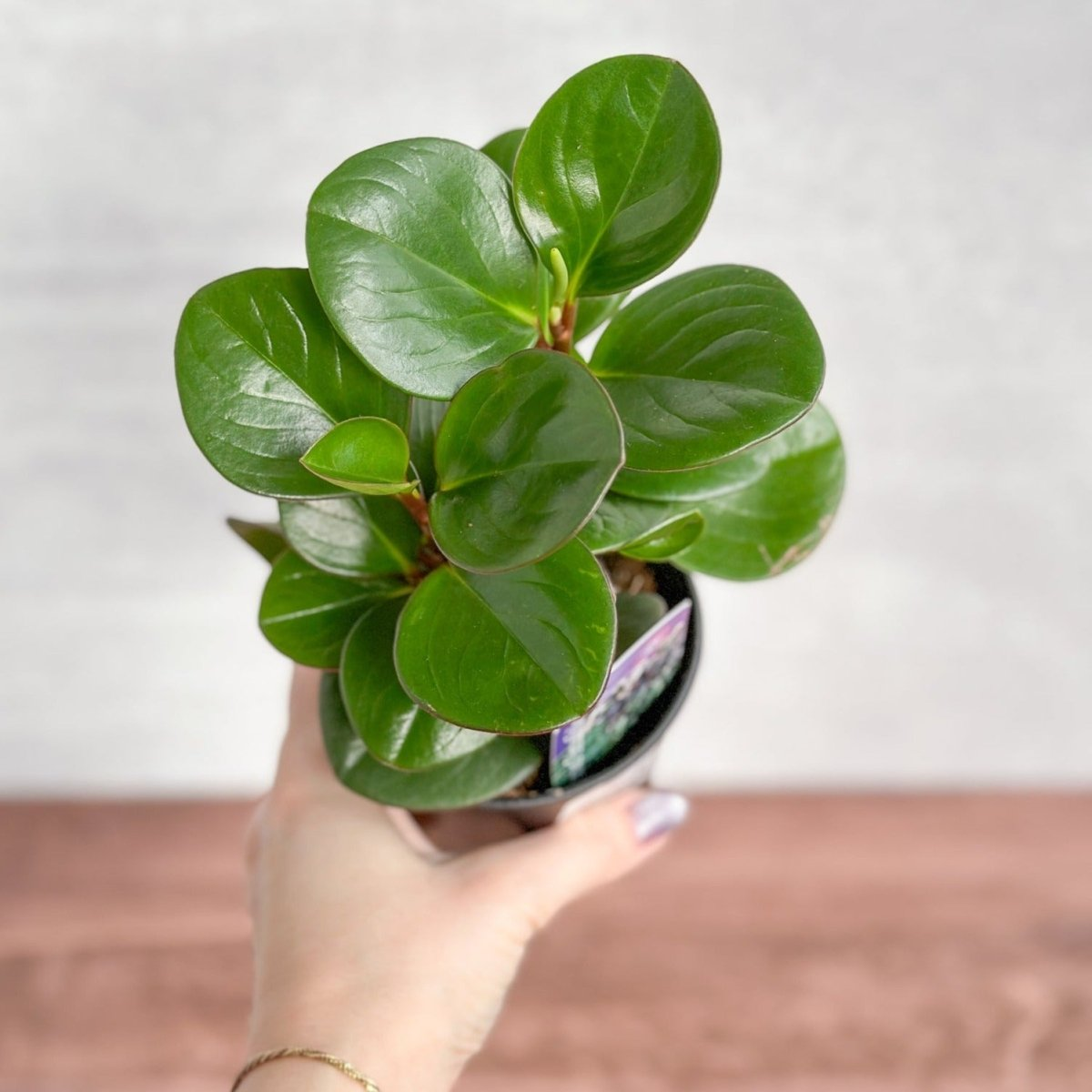
- What you’ll see: White, cottony tufts in leaf axils and along stems; sticky honeydew; sometimes sooty mold.
- First aid:
- Isolate the plant.
- Manually remove visible clusters (cotton swab dipped in soapy water works).
- Begin weekly insecticidal soap or horticultural oil treatments (details below).
- Watch for root mealybugs if infestations persist: when repotting, check for cottony fluff on roots. If found, gently wash roots, trim as needed, and repot in fresh, sterile, fast-draining mix.
Spider mites (speckled leaves, fine webbing)
- What you’ll see: Tiny stippling/bronzing on leaves, finest webbing on undersides and between petioles; more common in very dry, still air.
- First aid:
- Isolate and give the plant a gentle, lukewarm rinse to dislodge mites.
- Follow with insecticidal soap or horticultural oil. Increase ambient humidity modestly, but pair it with airflow to avoid stagnation.
Whiteflies (cloud of tiny white fliers)
- What you’ll see: A flurry of tiny white insects when the plant is disturbed; sticky honeydew, possible sooty mold, leaf yellowing.
- First aid:
- Isolate. Gently vacuum adults with a hand vac or tap them into a soapy water container.
- Place yellow sticky cards nearby to monitor.
- Thoroughly treat leaves (especially undersides) with insecticidal soap or horticultural oil.
Note: Scale can also appear on Peperomia as small, stuck-on bumps. The same weekly soap/oil routine and careful manual removal help.
Root rot triage (the big one to avoid)
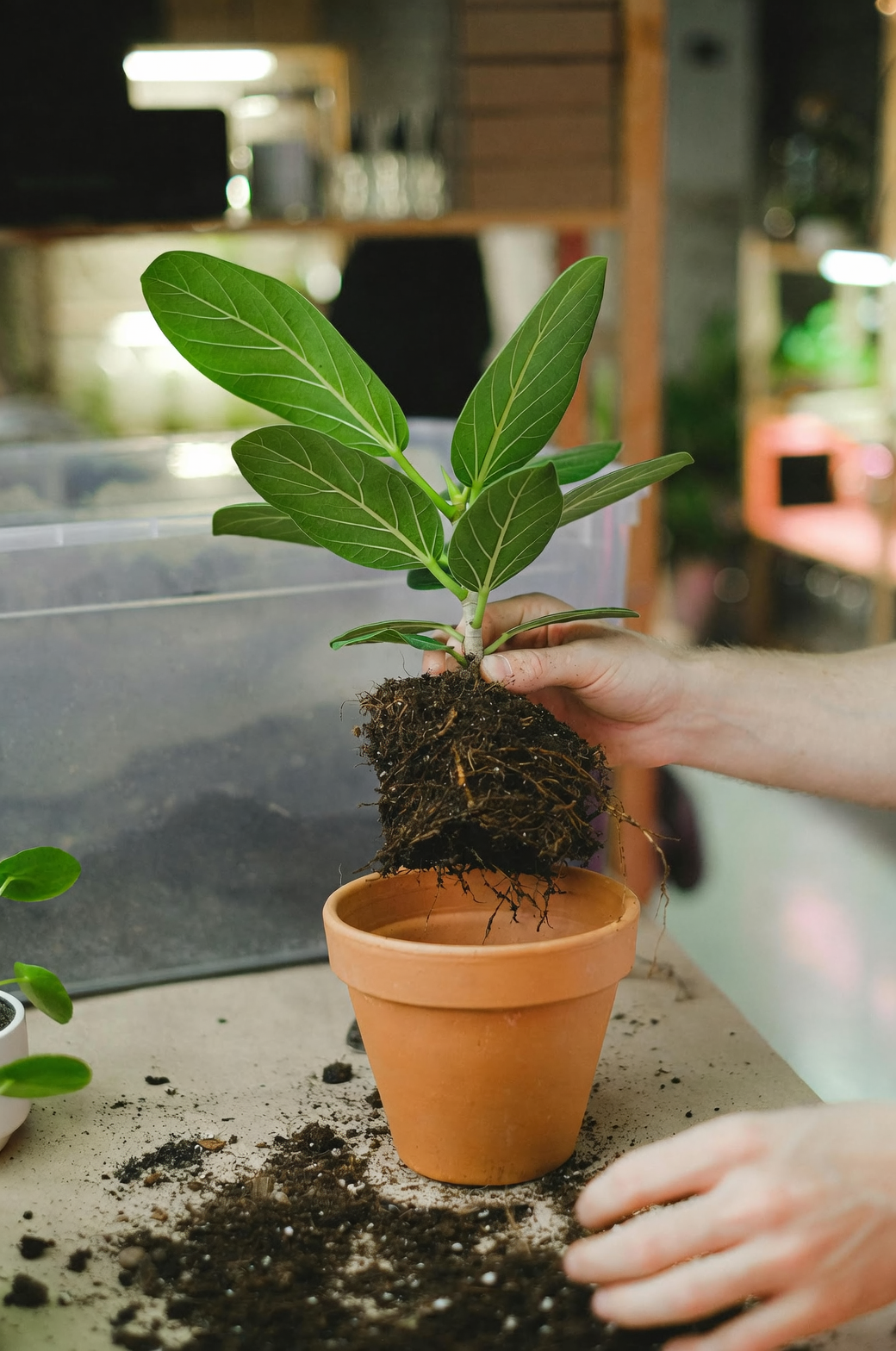
- Clues:
- Soil stays wet, pot remains heavy.
- Lower leaves yellow and drop; plant wilts despite wet soil.
- Roots look brown/black and mushy; stem at soil line can become soft.
- Immediate steps:
- Unpot carefully. Trim away all mushy roots with sterile shears.
- Repot in fresh, fast-draining mix and a pot with drainage—don’t upsize.
- Water lightly after repotting; then allow the top ~5 cm (2 in) to dry before the next watering.
- Keep warm (ideally 18–24°C/65–75°F) and improve airflow. Never let it sit cold and wet.
- Prevention:
- Bright, indirect light; partial drying between waterings; avoid oversized pots.
- In cooler months, water less frequently and ensure the plant is away from cold drafts.
Your weekly soap/oil routine (simple and effective)
Use this against mealybugs, spider mites, and whiteflies—and repeat weekly until you’ve had two clean inspections in a row.
- Prepare
- Choose an insecticidal soap or horticultural oil (such as neem oil). Always follow the product label for mixing and frequency.
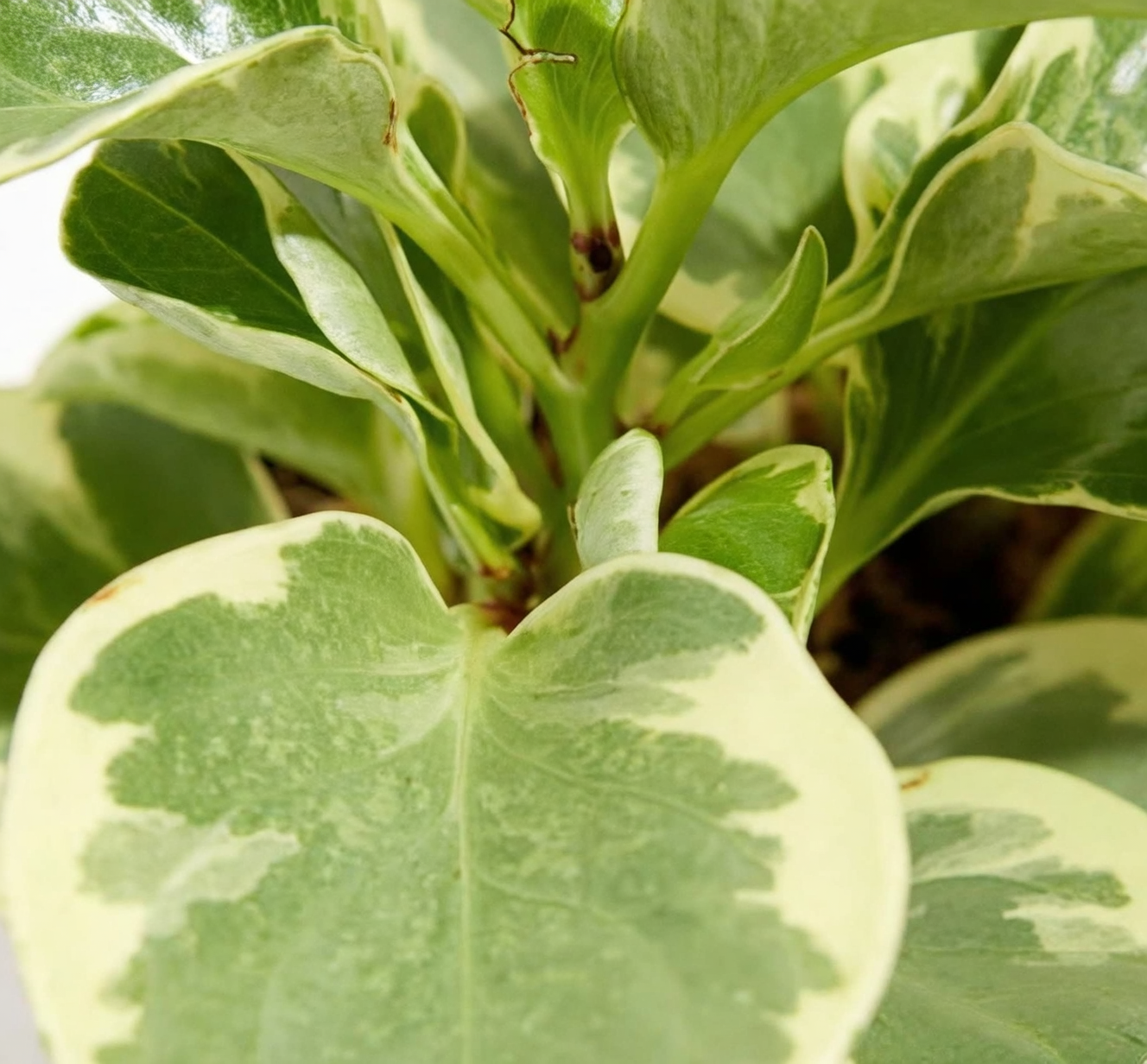
- Test on one leaf and wait 24 hours if your plant is very tender or variegated.
- Apply thoroughly
- Treat in the morning, out of direct sun, so leaves dry evenly.
- Spray to the point of light runoff, coating leaf tops, undersides, stems, and the leaf axils. Don’t forget the pot rim and saucer area where pests hide.
- For heavy mealybug clusters, wipe first, then spray.
- Repeat and rotate
- Repeat every 7 days until no pests are seen for two consecutive weeks.
- Rotate the plant a half-turn weekly so growth stays even and you don’t miss hidden spots.
- Clean up
- Wipe sticky honeydew from leaves with a damp cloth between treatments.
- Empty and clean the saucer after each watering or spray session.
Tip: Oils and soaps can mark leaves if used under strong sun or on heat-stressed plants. Keep light filtered on treatment day.
Airflow and sanitation habits that keep issues away
- Give it space: Avoid crowding plants; a little breathing room reduces pest pressure and leaf drop.
- Prune for porosity: Pinch tips and thin dense clumps to improve airflow into the canopy.
- Quarantine newcomers: Keep new or returning plants separate for 2–3 weeks; inspect before introducing to your collection.
- Dust the gloss: Wipe leaves occasionally—clean leaves photosynthesize better and are less hospitable to pests.
- Water discipline: Let the top ~5 cm (2 in) dry; in summer this may be every 7–10 days, and in winter often every 2–3 weeks (adjust to your light, pot size, and temperature).
- Fertilize lightly in active growth: Too much nitrogen can dull variegation and encourage soft, pest-prone growth. No feeding in fall/winter.
- Monitor: Keep a couple of yellow sticky cards in your plant area to spot whiteflies early.
- Tool hygiene: Clean and disinfect scissors/pruners between plants. Don’t reuse old, infested soil.
When to escalate
- If you still see live pests after 3–4 weekly treatment cycles:
- Reinspect methodically (undersides, axils, pot rim).
- Consider a gentle shower rinse before your next application for better coverage.
- For persistent mealybug issues, check roots at the next repot; bare-root, wash, and refresh the mix if you find cottony masses.
- Seek local expert advice if an infestation is severe or spreading to other plants.
A serene note to end on
Peperomia obtusifolia is often gifted as a quiet wish for steady, calm growth and a comfortable home—fitting for a plant that thrives on gentle routines and bright, filtered light. Its quirky, tail-like flower spikes are subtle; the real show is the evergreen shine it keeps year-round. With a weekly check, a simple soap/oil rhythm, and breezy, sanitary habits, your “baby rubber plant” will stay unbothered—and beautifully, reassuringly tidy.
Quick reference:
- Pet safety: Generally considered non-toxic to humans, cats, and dogs.
- Cold caution: Keep above 10°C (50°F) to avoid chilling damage and rot risk.
- Best placement: Near an east window, or a south/west window with a sheer curtain for filtered light.