

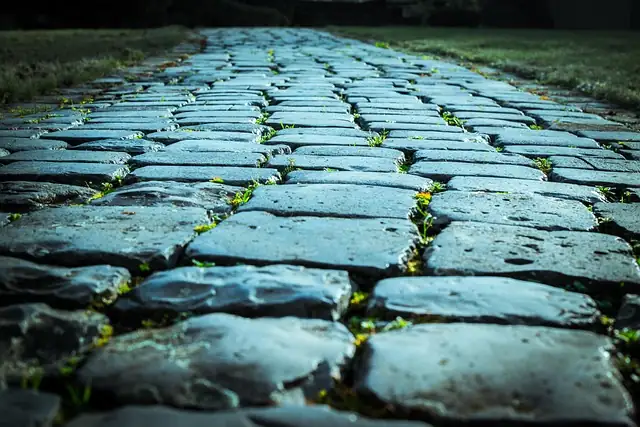
Imagine every step releasing a puff of sweet apple perfume. That’s the magic of chamomile tucked between stepping stones—a living carpet that invites you to slow down, breathe in, and wander. With the right spacing, drainage, and a few smart maintenance habits, you can keep that path dense, cool under heat, and sparkling with white-and-yellow daisy faces all season.
Pick the right chamomile for paths
- Roman chamomile (Chamaemelum nobile): The go-to for fragrant, foot-friendly groundcover. It’s a low, creeping perennial whose stems can root as they spread, forming soft mats around stones.
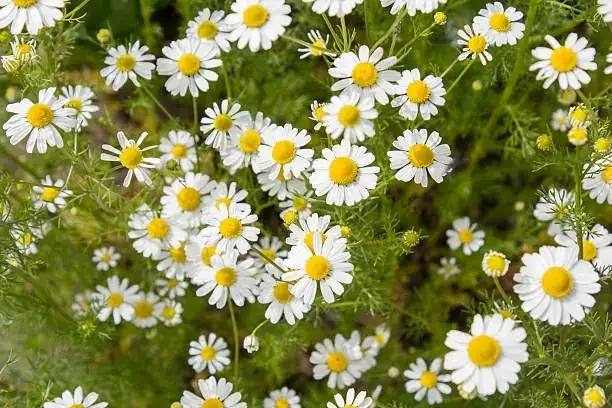
- German chamomile (Matricaria chamomilla): An upright, branching annual primarily grown for tea and essential oil. Gorgeous, but too tall and willowy for joints and cracks—use this one in nearby pockets or beds for harvest, not as gap filler.
- Cultivar to know for lawn-like mats: Roman chamomile ‘Treneague’ (non-flowering). Loved for staying low and neat with minimal trimming. Ideal where you prefer less bee traffic right on the path.
Tip on traffic tolerance: Roman chamomile handles light, regular footfall once established but not heavy trampling (think “garden path,” not “kids’ soccer pitch”). Keep most footfalls on the stones.
Drainage first: build a bed that never stays soggy
Chamomile thrives on sun and sharp drainage. Soggy soil invites rot and patchiness.
How to prep along stepping stones
- Grade for runoff: Aim for a gentle 1–2% slope away from the path so water never pools at the crowns.
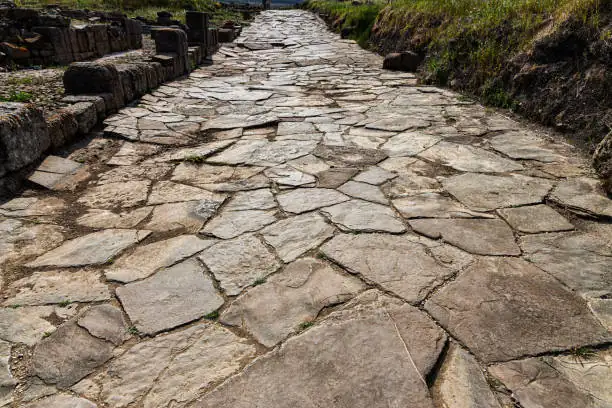
- Sub-base under stones: 8–15 cm (3–6 in) of compacted gravel topped with a thin sand layer helps stones sit solid, drains fast, and keeps the joints sweet and dry.
- Joint/backfill mix (around stones and in planting pockets):
- 50–60% sandy loam
- 30–40% sharp grit or coarse sand
- 10% compost at most (too-rich soil makes chamomile floppy and sparse)
- Target neutral to slightly alkaline pH; add a dusting of lime if your soil is quite acidic.
- In heavy clay: Raise the planting strip 5–10 cm (2–4 in) with a gritty, lean mix. Chamomile hates winter-wet and summer-baked clays.
Avoid downspout splash zones and low pockets. Good airflow helps prevent mildew in humid spells.
Spacing that knits into a perfumed carpet
Closer spacing fills faster and stands up better to brushing and light steps.
- Between/around stones: 10–15 cm (4–6 in) on center for quick coverage and a thick cushion.
- Path edges and open runs: 15–20 cm (6–8 in) on center.
- For large bare pockets: 20–25 cm (8–10 in), plus a few extras tucked in after 3–4 weeks if you spot gaps.
Planting tips:
- Set crowns level with the soil surface (not buried). Tease roots, firm in gently, then water to settle.
- For Roman chamomile, small plug plants or divisions from rooted runners establish fastest and most evenly.
Establishment timeline and foot-traffic etiquette
- Weeks 0–2: Keep evenly moist (not soggy). No stepping off the stones.
- Weeks 3–6: Light brushing is okay; keep feet on stones. Water when the topsoil dries.
- Weeks 7–10: Begin gentle walking—soft shoes, step mainly on stones. Rotate your route to avoid repetitive scuffing of young areas.
- Long-term: Roman chamomile releases that lovely “ground apple” scent when walked on, but keep traffic “light and mindful.” Use stepping stones as your landing pads.
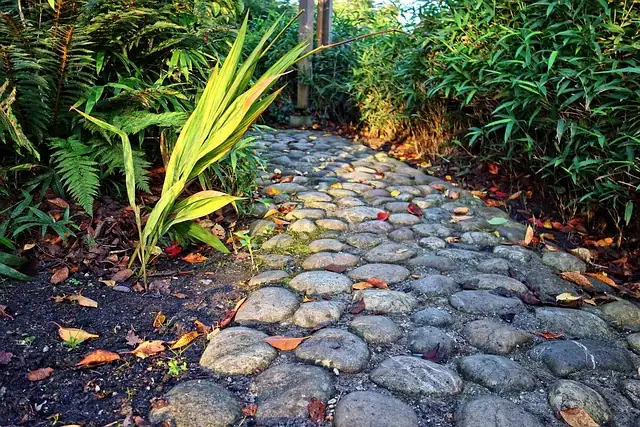
Pro move: Pre-set your stones to match a natural stride so footsteps naturally land on hard surfaces, with chamomile as the fragrant cushion between.
Watering and heat protection
- While establishing: Provide roughly 2.5 cm (1 in) of water per week. Let the top layer dry slightly between waterings.
- Established mats: Water during prolonged dry spells; avoid constant dampness.
- Heat resilience: Chamomile is happiest around 15–20°C (59–68°F) but can push through hot spells up to about 38°C (100°F) if watered sensibly and never left waterlogged.
- Summer sun strategy in hot climates:
- Offer a touch of afternoon shade (especially 2–4 p.m.) from nearby perennials or light shade cloth.
- Morning watering only—wet, hot evenings invite mildew.
- A mineral “mulch” of fine grit around crowns can reflect heat and boost drainage without smothering stems.
Keep it dense and blooming: when and how to trim
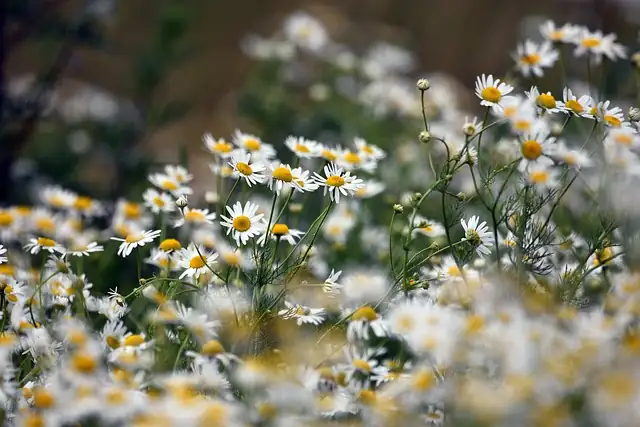
- Deadhead as you stroll: Snipping spent blooms encourages more flowers and keeps the mat tidy.
- Shear for bulk and rebloom: After the first heavy flush (late spring to early summer), shear Roman chamomile back to about 10 cm (4 in). This encourages bushier regrowth and often a second or even third flowering wave.
- Edge tidy: Lightly trim runners that creep onto stones so the path stays safe and defined.
- For ‘Treneague’: It rarely flowers; give a light cosmetic trim in late summer if growth looks tousled—no mowing needed.
Avoid hard cuts right before deep cold. In colder regions, leave a bit of foliage as winter protection and tidy in early spring.
Feeding, weeds, and quick patch repair
- Feeding: Chamomile is a light eater. In garden beds, skip routine fertilizer; in containers, a very dilute balanced feed monthly is enough. Too much nitrogen = floppy, sparse mats.
- Weeds: Thoroughly clear deep-rooted weeds before planting; they’re tough to remove after the carpet knits. Patrol monthly and pluck out intruders early.
- Patch repair: Roman chamomile ages gracefully but may thin at centers over years or after very wet/cold winters. Lift and divide runners in early spring every 2–3 years to refresh bald spots. Replant quickly to choke out weeds.
Seasonal care quick plan
- Spring (Mar–May): Plant plugs or divisions; surface-sow seeds where suitable and keep moist. First flowers appear. Set traffic-light rules (stones only).
- Summer (Jun–Aug): Peak scent and bloom. Water during heat, offer light afternoon shade in hot zones, and shear after the first flush to keep it tight and blooming.
- Fall (Sep–Nov): In mild-winter areas, sow/plant to root in cool weather. Patch thin spots with divisions. Harvest flowers for tea.
- Winter (Dec–Feb): Roman chamomile rests; shield from harsh wind. Water sparingly. German chamomile typically finishes the season as an annual.
Troubleshooting along paths
- Yellowing or collapse at crowns: Often waterlogging. Improve drainage, raise crowns, and trim back to encourage new growth.
- Powdery mildew in muggy weather: Increase airflow, water at the base in mornings, and thin lightly. Avoid overhead watering in the evening.
- Aphids, thrips, or leafminers: Usually minor. Use a firm water spray; if needed, apply insecticidal soap or neem.
- Sparse, floppy growth: Too much shade, fertilizer, or rich soil. Increase sun, lean out the soil with grit, and trim to reset shape.
Safety and pollinator notes
- Non-toxic in general, but members of the daisy family can trigger allergies in sensitive people. If you or guests are Asteraceae-sensitive, handle plants with care and consider the low- or non-flowering approach.
- Blooming chamomile attracts friendly pollinators. If you’d rather not invite bees onto the path itself, keep flowers snipped or choose a non-flowering Roman cultivar for tight joints and use flowering chamomile in adjacent beds.
A fragrant tradition underfoot
Chamomile’s long history as a “strewing herb” scattered on floors is exactly why it shines along stepping stones—walk on it and the air sweetens. That legacy fuels its symbolism of comfort and resilience: a plant that stays cheerful and useful even when conditions aren’t perfect. Victorian-era “flower language” later tied chamomile to patience and calm—ideas that echo its gentle scent and soothing household uses. On a garden path, those meanings become literal: every step releases ease.
Quick species recap for path success
- Use Roman chamomile (Chamaemelum nobile) for fragrant, foot-friendly mats; consider ‘Treneague’ for a neat, low, low-maintenance carpet.
- Save German chamomile (Matricaria chamomilla) for nearby pockets and tea harvests; it’s taller and not ideal between stones.
Give chamomile sun and drainage, space it close, walk lightly, shear once or twice, and your stepping stones will be flanked by a living, perfumed carpet that invites you to linger—and to smile—every time you pass.


