

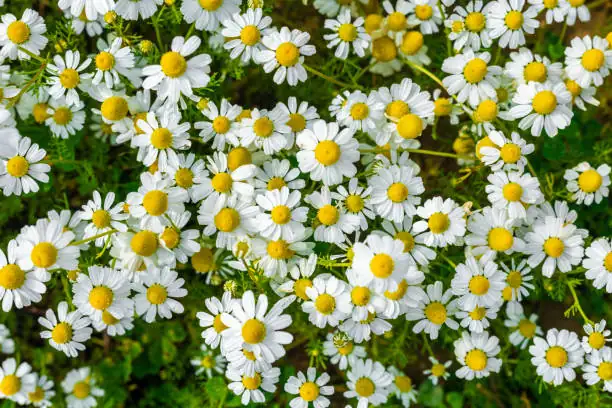
Breathe in: that crisp, apple-sweet perfume belongs to chamomile—the cheery, white-petaled daisy that makes paths smell like summer and draws a small parade of pollinators. In a well-planned companion bed, chamomile becomes more than a tea herb: it’s an insectary, a soft edging, a distraction for minor pests, and an easygoing neighbor. Here’s how to design a bed where chamomile shines, plus smart placement tricks for sunshine and airflow so your patch stays healthy and floriferous.
Meet the two chamomiles (and what each does best)
Gardeners usually mean one of two close relatives:
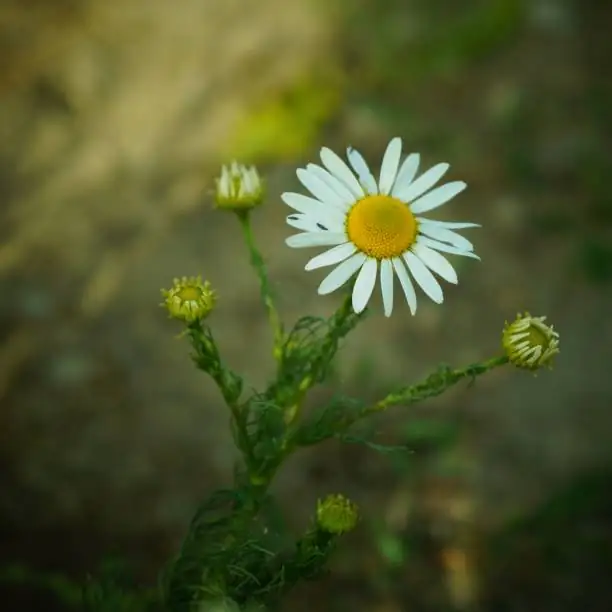
- German chamomile (Matricaria chamomilla)
- Habit: upright, branching annual, 15–60 cm (6–24 in) tall
- Best roles: tea harvest hero, airy “insectary” drifts among veggies
- Flower note: classic daisies with a sweet scent; receptacle often hollow and conical
- Roman chamomile (Chamaemelum nobile)
- Habit: low, creeping perennial, 20–30 cm (8–12 in), roots as it spreads
- Best roles: path edger, fragrant groundcover, soft filler between stepping stones
- Toughness: generally more cold-hardy and happy to be trimmed or lightly trodden
Both want full sun (about 6–8 hours daily), free-draining soil, and decent airflow. In very hot climates, a touch of afternoon shade keeps blooms fresh.
The Chamomile Companion Bed: a layout that works
Think of chamomile as the friendly host of a garden block party—serving nectar, corralling traffic, and keeping the mood easy.
A 4×8 ft (1.2×2.4 m) raised bed plan

- Path edge (long side): plant a low ribbon of Roman chamomile at 20–30 cm (8–12 in) spacing. Tuck plants between stepping stones so brushing past releases fragrance.
- Insectary drifts: weave two meandering rows of German chamomile through the center, 20–25 cm (8–10 in) apart. Stagger plants so blooms are evenly sprinkled.
- Companion pockets (between the German chamomile):
- Brassicas (broccoli, kale, cabbage) on the cooler, slightly breezier side
- Onions or leeks tucked in sunny seams
- Cucumbers or bush beans on the warmer side (trellised cukes to the back/north)
- Leafy greens (lettuce) along the Roman chamomile edge where temps run slightly cooler
Tip: Place taller crops to the north or on the down-sun side so they don’t shade chamomile’s blooms.
Why this mix works
- Open, daisy-like flowers are like landing lights for beneficial insects—hoverflies, tiny parasitic wasps, lady beetles, and bees all find them easily.
- A gentle “decoy effect”: aphids and thrips may settle on the German chamomile first. A few sacrificial stems can concentrate pests where natural predators are foraging.
- Roman chamomile along the path becomes a scented living border that suppresses a bit of weed pressure without trapping moisture at crop crowns.
Placement tricks for sunshine and airflow
Chamomile loves light and a breeze—give it both and it’s practically effortless.
- Sun strategy
- Aim for 6–8 hours of direct sun. In hot zones, site where late-day shade from a fence or shrub shields blooms from scorch.
- Keep Roman chamomile on the bed’s sunniest, best-drained edge; it resents soggy toes.
- Airflow upgrades
- Space generously: avoid dense mats that trap humidity. Maintain pathways 45–60 cm (18–24 in) wide for easy access and air movement.
- Align the long axis of the bed with prevailing winds and avoid tucking chamomile into windless corners by walls or hedges.
- Water soil, not leaves. Morning watering dries foliage quickly and reduces mildew risk.
- Midseason, shear leggy German chamomile to about 10 cm (4 in) to refresh growth and reopen air channels.
- Drainage first
- Blend in coarse sand or grit if soil is heavy; aim for neutral to slightly alkaline conditions.
- In containers, choose pots at least 15 cm (6 in) deep with plenty of drainage holes.
Soil, water, and feeding (the set-and-forget approach)
- Water: about 2.5 cm (1 in) per week while establishing; let the top layer dry a bit between waterings. Increase modestly during heat, reduce sharply in cool spells.
- Feeding: light feeder. Overfertilizing equals floppy stems and fewer flowers. In pots, a diluted balanced feed monthly is plenty; in beds, often none is needed.
- Mulch: a thin mineral mulch (fine gravel) around crowns enhances drainage. Avoid thick, damp organic mulches right against stems.
Seasonal game plan
- Spring (Mar–May)
- Sow chamomile seeds on the surface (they need light), press gently, and keep evenly moist. Expect germination in 7–14 days.
- Transplant seedlings small, at 5–8 cm (2–3 in) tall, to minimize sulking.
- Start the path edge with Roman chamomile plugs; begin weaving German chamomile through companions.
- Summer (Jun–Aug)
- Peak bloom. Deadhead often; shear German chamomile once if it stretches.
- In scorching heat, a whisper of afternoon shade helps keep petals pristine.
- Fall (Sep–Nov)
- In mild-winter areas, fall sowing sets up spring earlies. Collect seed from German chamomile if you’d like volunteers next season.
- Divide Roman chamomile clumps if they’ve thinned in the middle.
- Winter (Dec–Feb)
- Roman chamomile rests and appreciates wind protection. German chamomile finishes out as a seasonal annual in freezing climates.
Small spaces and orchard edges
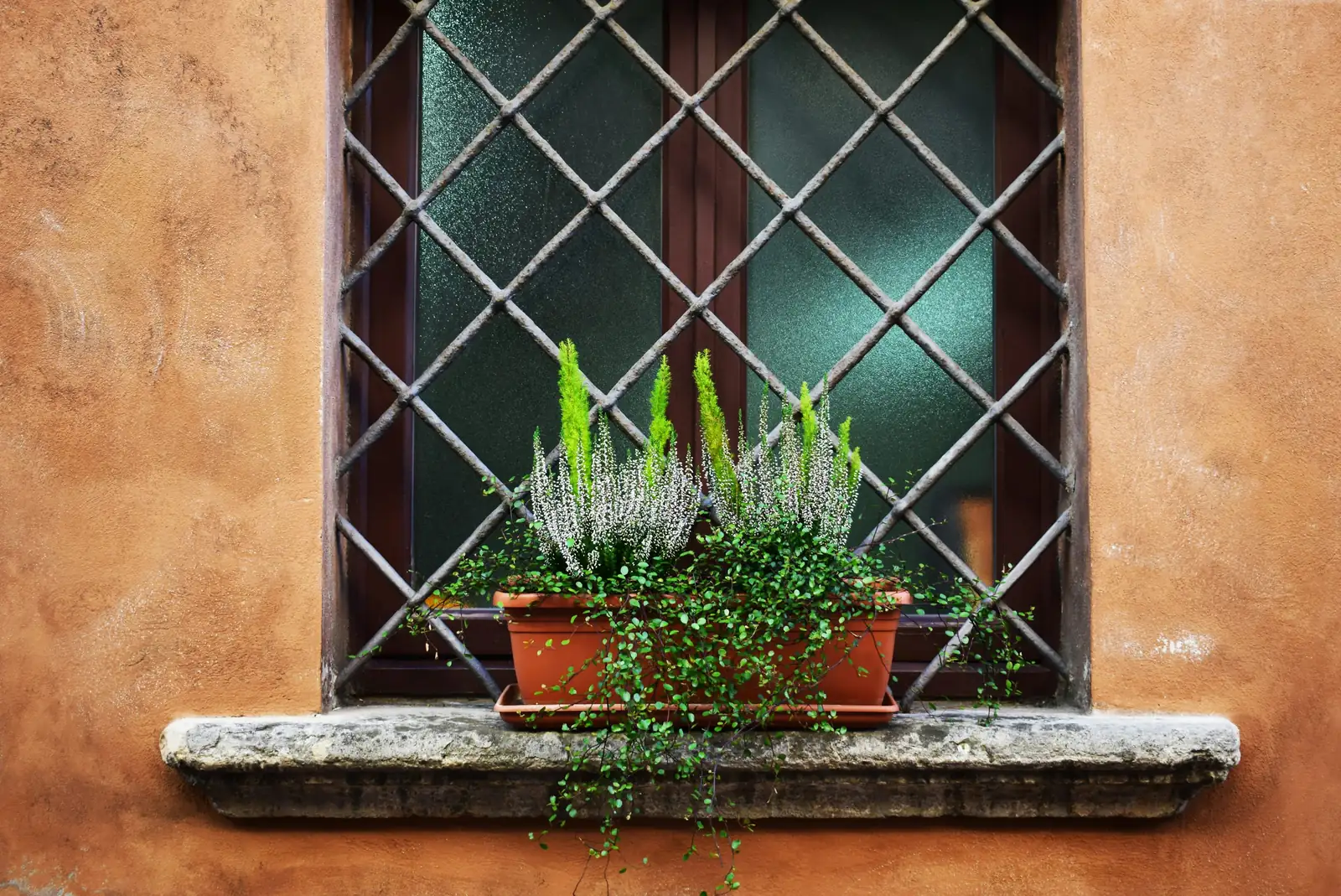
- Patio path-in-a-pot
- A trough or window box with Roman chamomile spilling over the lip, plus a few German chamomile stems for flowers at nose level.
- Park the container beside a frequently used step to enjoy “ground apple” fragrance as you brush past.
- Along orchard paths
- Use Roman chamomile as a soft, mowable edging beside walkway stones. Keep a clear, airy circle around trunks and avoid waterlogged low spots.
- Herb guild notes
- Many gardeners swear that nestling chamomile near aromatic herbs like basil, rosemary, or mint keeps the herb patch buzzing with beneficials—just ensure sun and space so everyone stays dry and well-ventilated.
Troubleshooting and gentle pest management
- Aphids or thrips on chamomile
- Blast with a firm water spray, then follow with insecticidal soap or a light neem solution if needed. Leave a few aphids to feed lady beetles and hoverfly larvae—they’re your in-garden cleanup crew.
- Mildew, leaf spots, or botrytis in damp weather
- Improve airflow, water early at soil level, and thin or shear to reopen the canopy. Sun and dry leaves are the best prevention.
- Floppy plants
- Usually too rich, too wet, or too shady. Cut back hard and ease up on fertilizer.
Harvest and enjoy the fragrance
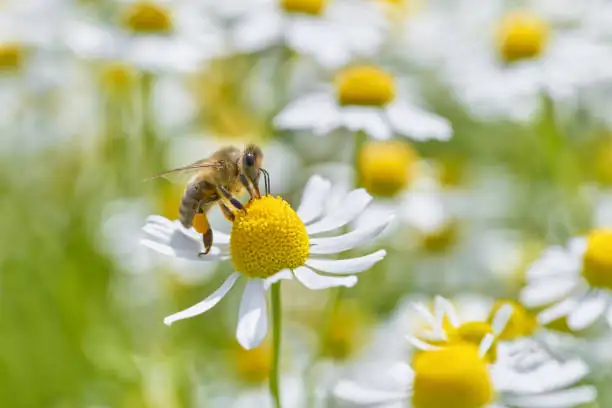
- For tea, pinch off freshly opened flower heads in dry weather—German chamomile is the classic tea harvest, though Roman chamomile is also used.
- Frequent picking doubles as deadheading, keeping blooms rolling for 50–65 days in good conditions.
- Revive an old tradition: scatter a few Roman chamomile sprigs along stepping stones. As feet brush them, the historic “strewing herb” perfume is released—there’s a reason some gardeners quip it “spreads best when trodden.”
Quick companion pairings to try
- Brassicas: thread German chamomile between broccoli or kale to draw hoverflies and tiny wasps.
- Alliums: onions or leeks make tidy neighbors that don’t shade blooms.
- Cucumbers and bush beans: flank trellises with chamomile drifts to support pollinator visits.
- Lettuces: plant along the Roman chamomile edge where the air is cooler and movement is easy.
- Strawberries: use Roman chamomile as a fragrant, low border outside the strawberry row (give berry crowns air and good drainage).
Note: Chamomile is generally friendly in mixed beds, but avoid cramming it into damp, still pockets or allowing taller neighbors to hog the sun.
Choosing types and understanding hardiness
- German chamomile: seasonal annual widely grown across USDA Zones 2–9; doesn’t overwinter through hard freezes.
- Roman chamomile: a low, creeping perennial commonly hardy to about Zone 4. Refresh with division every 2–3 years.
Safety notes
Chamomile is generally considered non-toxic, but it belongs to the Asteraceae family—people sensitive to daisies/ragweed can experience allergies or contact dermatitis. Use extra caution with concentrated extracts and essential oils, during pregnancy, for very young infants, and if you’re taking anticoagulant medications.
Flower language and meaning (beyond the tea cup)
Chamomile has long been linked with comfort and calm—its folk reputation as a household soother is centuries old. In the language-of-flowers traditions that bloomed in the 18th–19th centuries, chamomile often stood for patience and resilience: a sunny spirit that keeps working even when trodden down. Its very name—“ground apple”—captures a humble charm. Along a garden path, that symbolism becomes literal: a low, sweet-scented welcome that steadies the day as you pass.
—
Design your bed so chamomile plays host: flowers at bee eye-level, a soft-edged path that releases scent, and airy spacing that keeps everything bright and healthy. With sun, drainage, and a friendly breeze, this little daisy will repay you in fragrance, blossoms, and a garden alive with helpful wings.


