

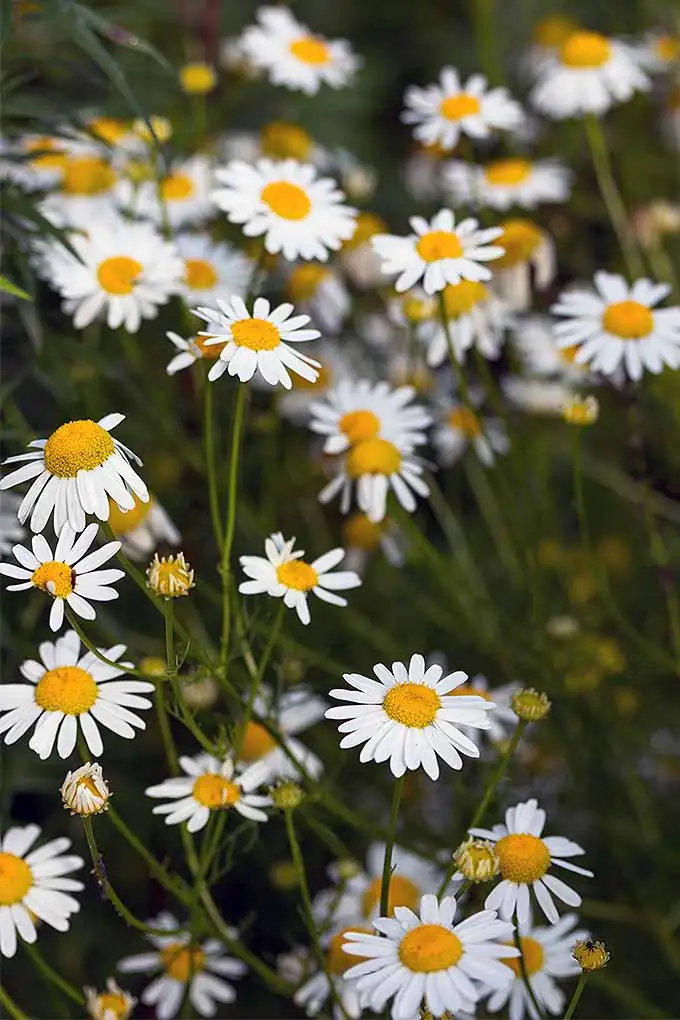
If a cup of tea could sprout, it would look like chamomile: clouds of feathery green, pinwheels of white and gold, and that unmistakable apple-perfume when you brush past. But the real magic is how quickly and easily it multiplies when you use the right propagation tricks. Here’s your deep dive into raising two beloved chamomiles—Matricaria chamomilla (German chamomile) and Chamaemelum nobile (Roman chamomile)—from whisper‑tiny seed and creeping runners to carpets of bloom.
Meet your two chamomiles (and why it matters for propagation)
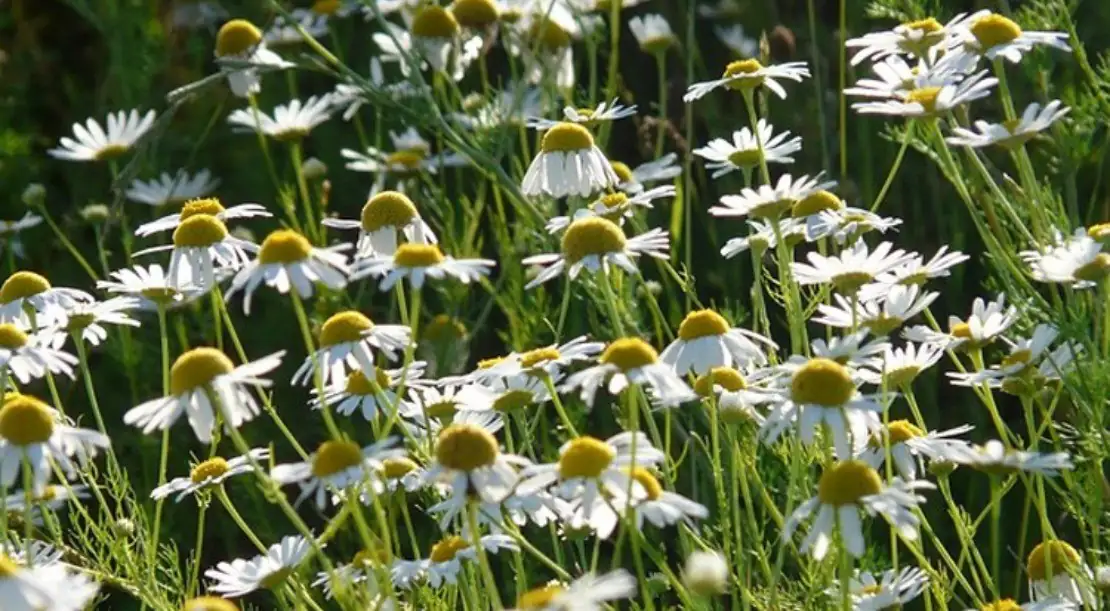
- German chamomile (Matricaria chamomilla): An upright, branching annual, typically 15–60 cm (6–24 in) tall, grown heavily for tea and essential oil. Classic daisy flowers with a sweet apple scent and often a hollow, conical yellow center. Readily self‑seeds.
- Roman chamomile (Chamaemelum nobile): A low, creeping perennial about 20–30 cm (8–12 in) tall that roots as it spreads—perfect as a fragrant groundcover. Smaller blooms and a mat‑forming habit; best multiplied by division as well as seed.
Both prefer full sun, mild temperatures around 15–20°C (59–68°F), and well‑drained, loose soil that’s neutral to slightly alkaline. Sun + drainage + don’t overwater is the whole game.
Surface‑sowing for quick, reliable germination
Chamomile seed is dust‑fine and light‑hungry. Cover it, and you’ve just tucked it into the dark—no thank you.
When to sow
- Spring sowing: Prime time in most climates (think March).
- Fall/winter sowing: Excellent in mild‑winter areas (around September) for an early spring show.
- Indoors: Start 4–6 weeks before your last expected frost if you want a jump on the season.
The seed‑starting setup
- Light: Bright window or grow lights; gentle airflow to prevent mildew.
- Temperature: Aim for 15–20°C (59–68°F) for speedy, even sprouting.
- Medium: A fine, well‑drained, sterile seed mix. Moisten so it’s damp, not soggy.
- Trays/pots: Shallow cells or nursery trays with drainage. Bottom‑watering tray optional but helpful.
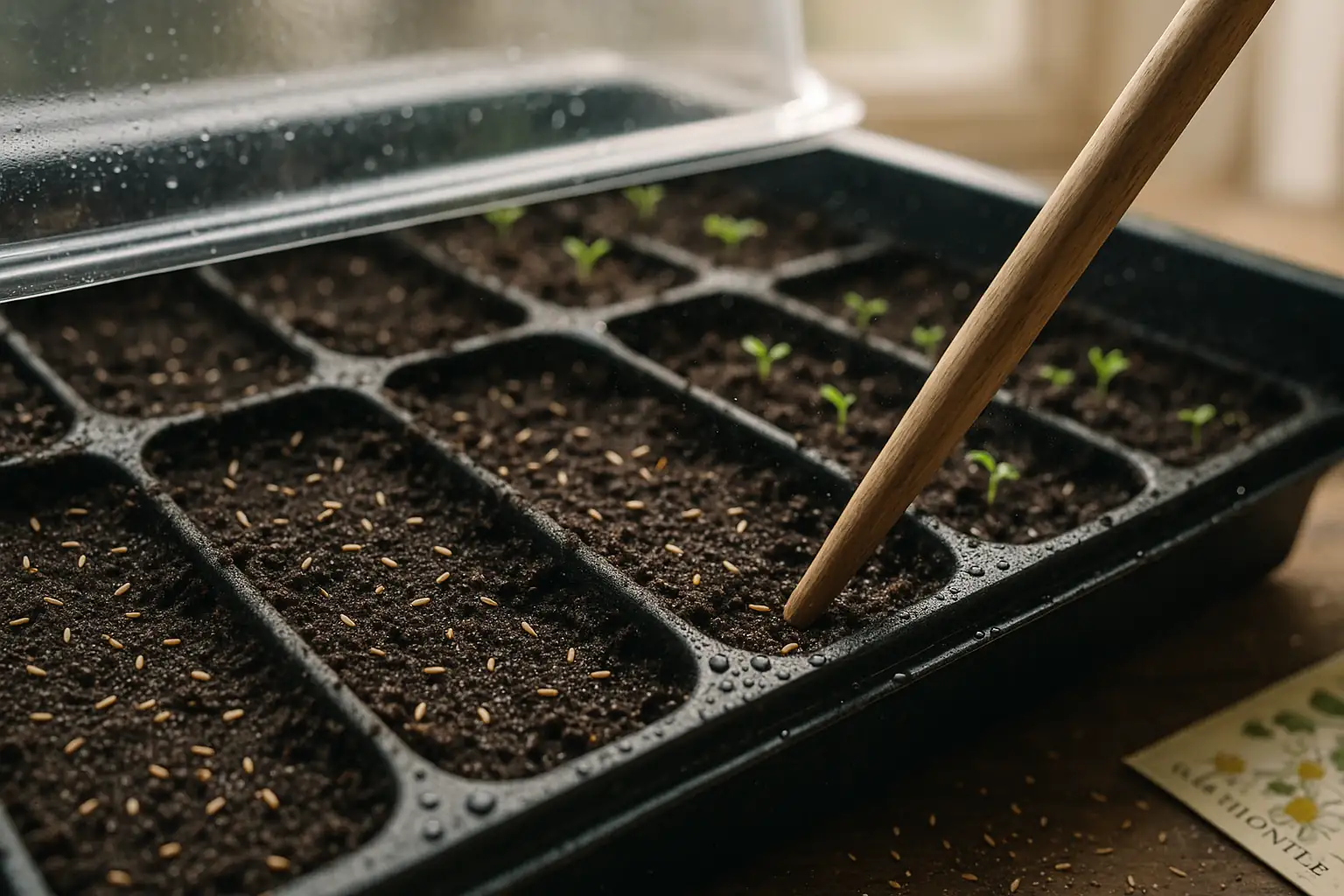
Step‑by‑step: the “no‑cover” method
- Fill containers and level the surface. Pre‑moisten.
- Sprinkle seeds thinly—think “pepper on soup,” not “salt on fries.”
- Press seeds gently to make contact (use a flat board or the bottom of a pot). Do not bury.
- Mist to settle; cover with a clear lid only if you can vent (avoid steamy buildup).
- Keep evenly moist—bottom‑water or mist as needed so the surface never fully dries.
- Bright light from day one. Expect germination in 7–14 days (often 7–10 when conditions are ideal).
Troubleshooting quick wins
- Patchy germination? Seeds likely dried out or were covered. Re‑sow and keep surface glistening‑moist.
- Leggy seedlings? Add light and a whisper of airflow; avoid excess fertilizer.
- Damping‑off (stems collapse at soil line)? Increase airflow, water from below, and don’t crowd.
Spacing, thinning, and transplant timing
Tiny chamomile seedlings grow fast. Move them while they’re small and happy.
When to transplant
- Size cue: 5–8 cm (2–3 in) tall with a couple of true leaves.
- Weather cue: After hard frosts have passed for German chamomile; Roman chamomile can go out earlier in many regions since it’s the hardier perennial.
- Blooming plants resent moves—avoid transplanting mid‑flower if you can.
Hardening off
Over 5–7 days, give seedlings increasing outdoor time in bright shade to full sun, protecting from wind. This simple step prevents shock and stalled growth.
Bed prep and soil
- Loose, well‑drained soil is non‑negotiable. In heavy soils, blend in grit or coarse sand.
- Go easy on fertility. Too much nitrogen = floppy stems and fewer flowers.
Spacing guidelines
- German chamomile (upright annual): 20–30 cm (8–12 in) between plants. Thin dense patches so air circulates.
- Roman chamomile (groundcover perennial): 15–30 cm (6–12 in) between plugs for quick coverage; closer for a near‑instant mat.
- Containers: Use pots at least 15 cm (6 in) deep with strong drainage. One German chamomile per 20–25 cm (8–10 in) pot, or a handful of Roman chamomile plugs 10–15 cm (4–6 in) apart to knit a fragrant bowl.
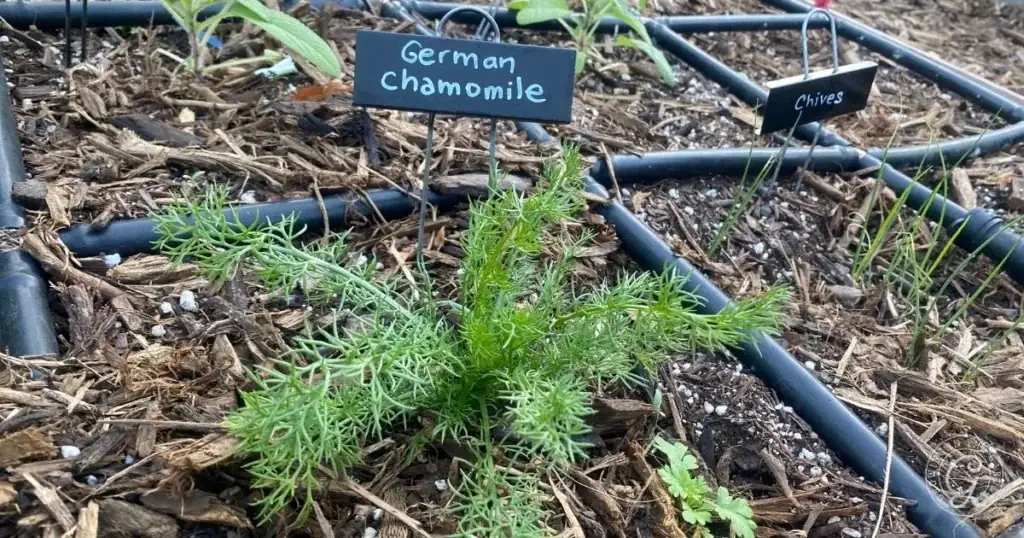
Coaxing German chamomile to self‑seed like a pro
This is where “set it and forget it” truly shines.
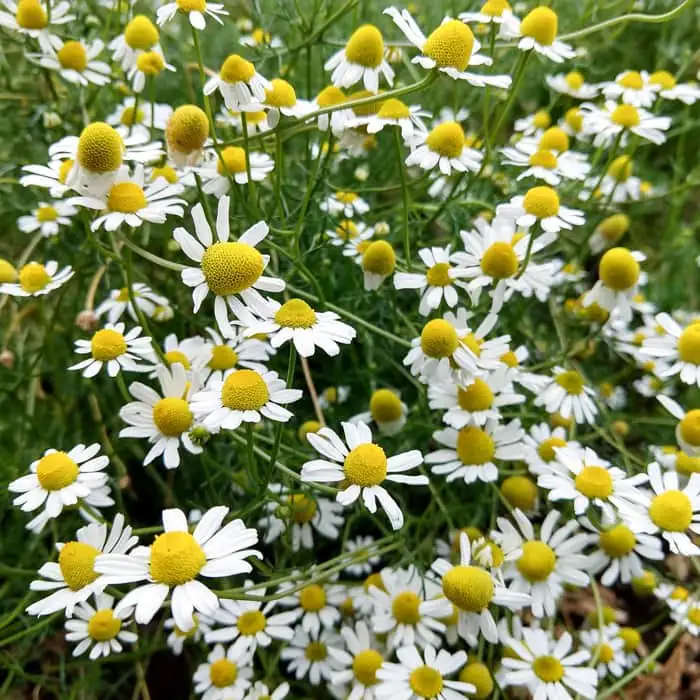
- Edit, don’t erase: Deadhead most flowers to keep the show going, but deliberately leave a portion to ripen seed.
- Check for ripeness: Seed heads turn from bright yellow to a paler, drier look; petals often droop on mature German chamomile blooms.
- Make a seed bed: Keep a few small patches lightly raked and free of thick mulch. Seeds need light and contact with bare, crumbly soil.
- The seed shower: On a dry, still morning, shake mature plants so seed falls in place—or clip heads and crumble them over prepared patches.
- Watering nudge: After seed drop, a light mist or brief sprinkle helps settle seed. Keep the surface evenly moist for 1–2 weeks during key germination windows.
- Fall strategy (mild climates): Let plants drop seed in fall. Winter moisture stratifies and seeds pop when spring warms.
- Spring clean‑up smarts: Hold off on deep mulching or vigorous raking until you’ve identified seedlings (short, ferny sprigs). Thin to 20–30 cm (8–12 in) spacing for sturdy, floriferous plants.
- Curb over‑enthusiasm: If self‑seeding becomes too generous, deadhead more aggressively or mulch more thickly after peak bloom to limit volunteers.
Dividing Roman chamomile runners for lush, even mats
Roman chamomile creeps on prostrate stems that root where they touch soil—nature’s ready‑made plant factory.
Best timing
- Early spring is ideal (as growth stirs).
- Alternatively, divide right after the first flush of bloom, then water well to resettle the mat.
How to lift and split
- Identify rooted runners: Trace creeping stems to spots where they’ve formed little root clusters.
- Water the day before to reduce stress and crumbling.
- Slice sections: Use a sharp knife or spade to cut 5–10 cm (2–4 in) wide plugs that each include roots and several shoots.
- Trim lightly: Shear foliage to about 5–8 cm (2–3 in) to reduce transpiration and encourage bushy regrowth.
Replanting and aftercare
- Spacing: 15–30 cm (6–12 in) between divisions, depending on how fast you want coverage.
- Plant level: Keep crowns at soil surface; firm in so roots contact the soil.
- Water: Moisten thoroughly, then keep evenly moist (not soggy) while new roots knit in.
- Maintenance: Light monthly feed in containers only. In beds, overly rich soil promotes floppiness—best avoided.
- Refresh cycle: Divide and refresh every 2–3 years to prevent thinning patches and keep fragrance and vigor high.
Quick care that powers propagation
- Sunlight: Full sun (6–8 hours) yields the sturdiest growth and heaviest bloom. In very hot regions, a touch of afternoon shade can prevent flower scorch.
- Water: About 2.5 cm (1 in) per week while young. Let topsoil dry slightly between waterings once established. Never waterlog.
- Airflow and humidity: Moderate humidity and good air movement help prevent mildew and leaf spot.
- Pruning for repeat bloom: Shear sprawly plants back to about 10 cm (4 in) to trigger a bushy second (or even third) flush from late spring to midsummer.
- Harvest smart: Snip blooms in the morning as soon as petals open flat. Leave some heads intact if you’re courting self‑seeding.
A mini calendar by climate
- Early spring
- Start seeds indoors or direct‑sow as soil warms.
- Divide Roman chamomile runners and replant.
- Mid to late spring
- Transplant small seedlings (5–8 cm tall) after frost risk for German chamomile; Roman can go out earlier in many regions.
- Begin light deadheading to extend bloom.
- Summer
- Peak flowering; shear lightly after first flush for rebloom.
- Water during hot spells; offer slight afternoon shade in extreme heat.
- Fall (mild winters)
- Direct‑sow for a head start next spring.
- Let German chamomile set seed to naturalize patches.
- Winter
- Roman chamomile rests; protect from harsh wind in exposed spots. German chamomile typically finishes as an annual.
Safety, companions, and good garden manners
- Friendly companion: Generally trouble‑light and often considered a good garden neighbor.
- Pests/disease: Watch for aphids or thrips; a strong water spray or mild soap typically clears them. Avoid soggy soils to prevent root/stem rot and mildew.
- Sensitivities: Chamomile is in the Asteraceae family; individuals with daisy/ragweed allergies can react. Use extra caution with concentrated extracts, during pregnancy, for very young infants, and with anticoagulant medications.
Symbolism and the “trodden” charm
Chamomile has long symbolized comfort, gentle healing, and resilience—thriving even when conditions aren’t perfect. Medieval Europeans scattered it on floors so its scent released underfoot, fueling the old saying that chamomile “spreads best when trodden.” That bit of folklore rings especially true for Roman chamomile: light footfall encourages a denser, low mat—just don’t treat it like a highway.
—
With surface‑sown seeds you can’t even see and little runners eager to root, chamomile practically volunteers for you—if you let it. Give German chamomile a patch to self‑seed and Roman chamomile a few well‑timed divisions, and you’ll have teacups, bouquets, and fragrant pathways all from a single season’s start.


