


Imagine a tiny sun with a white ruffle of petals and the scent of a fresh-cut apple. That’s chamomile—an old friend in European kitchens and cottage paths—and the quiet star of a powerful flower language. In Victorian floriography, chamomile stood for resilience: energy in adversity. The meaning didn’t appear out of thin air; it grew from centuries of folk use as a soothing herb and from a plant that seems to smile and carry on, even when life steps on it—literally.
Meet the plant behind the message
- Scientific names: Matricaria chamomilla (German chamomile) and Chamaemelum nobile (Roman chamomile)
- Family: Asteraceae (the daisy family)
- Native range: Southern and eastern Europe; now grown widely from Germany and France to Morocco and far beyond, found on all continents
- Nicknames: Barnyard Daisy, Blue Chamomile, Wild Chamomile, Roman Chamomile, Ground Apple (a nod to its apple-like aroma)
German vs. Roman: two cousins, one comfort
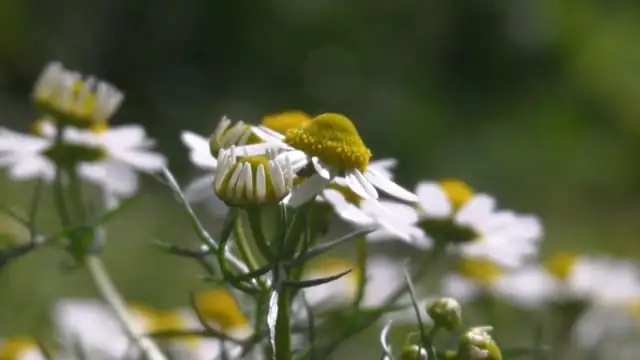
- German chamomile (Matricaria chamomilla): a taller, branching annual (about 15–60 cm). Classic for tea and essential oil. Its sunny yellow disc often develops a hollow, conical center; the petite white rays may droop with age.
- Roman chamomile (Chamaemelum nobile): a low, creeping perennial (about 20–30 cm) used as fragrant groundcover; lovely along paths where it releases scent when brushed.
Both wear the same cheerful “mini-daisy” look and a sweet, apple-fruity perfume that inspired the ancient Greek name chamaimelon—ground apple.
How the meaning took root: trampling, tea, and tender care
Before it was a coded message in bouquets, chamomile was a household ally. Ancient Mediterranean cultures prized it as a calming herb; medieval Europeans scattered it as a “strewing herb” on floors so its scent rose with every footstep. Garden lore still says it “spreads best when trodden”—a perfect living metaphor. Here was a plant that:
- Kept its fragrance under pressure
- Bounced back after being walked on
- Offered gentle comfort when people needed soothing
From these everyday encounters, a symbolic thread formed: a small flower that meets hardship with grace. It’s easy to see how Victorians, who loved to wrap feelings in flowers, would choose chamomile to say, “You are steady and strong, even now.”
Victorian floriography: energy in adversity
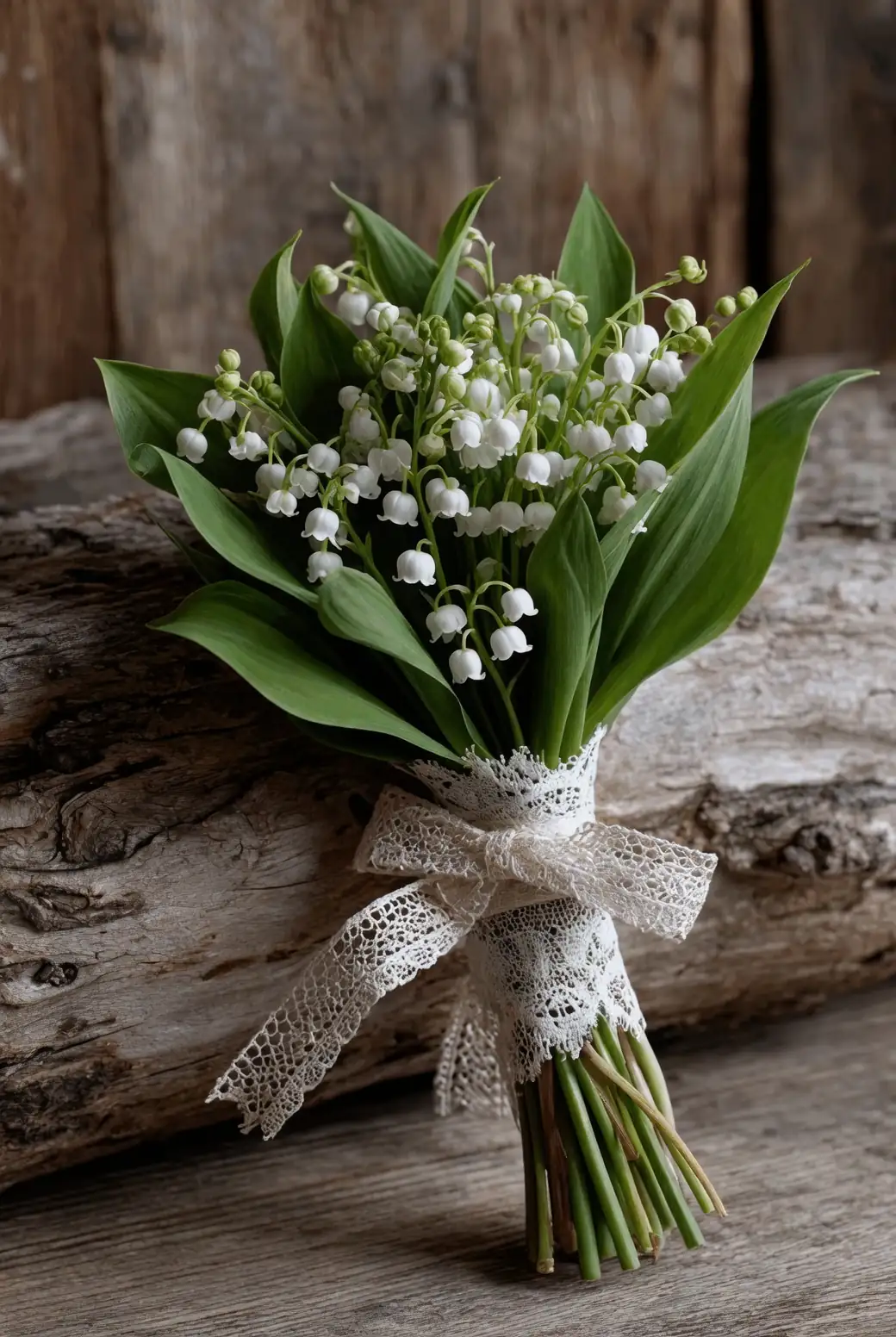
In the 19th century’s language of flowers, chamomile carried messages like “patience in adversity,” “energy in adversity,” and steadfast resilience. Tucked into a nosegay, it was a quiet nudge to keep going—especially in times when speaking plainly wasn’t always possible.
- A get‑well posy with chamomile promised comfort and recovery.
- A friend’s bouquet after a disappointment said, “I admire your strength.”
- Paired with white blooms, chamomile emphasized purity of intent; with sunny yellows, it brightened the wish for cheer.
The symbolism mirrors the plant’s nature: sunny-centered, undemanding, and reliable. Chamomile doesn’t shout; it steadies.
In Japan’s hanakotoba: patience and calm
When referenced in hanakotoba (Japanese flower language), chamomile is often glossed as patience and calm—sometimes framed as withstanding adversity. The fit is natural: a flower that thrives quietly and a tea ritual that invites deep breaths at day’s end. In both traditions, the heart of the message is the same: gentle strength is still strength.
Rituals that carry the meaning home

- The bedtime cup: A warm chamomile tea before sleep is a small, nightly ceremony of calm. Steam curls up with a honeyed, apple note; the day exhale begins.
- After-meal comfort: A familiar European habit—sip to settle, restore, and reset.
- In literature and lore: Think of Peter Rabbit being soothed with chamomile tea—our cultural shorthand for “everything’s going to be okay.”
When to gift chamomile (and how to say it beautifully)
Chamomile makes a thoughtful gift when someone needs courage with comfort.
Perfect moments:
- Get‑well wishes or recovery hampers
- Exam weeks, job changes, or big moves
- New parents navigating sleepless nights
- Sympathy and “thinking of you” notes where gentle support feels right
Pair it with:
- A sachet of dried chamomile flowers or high-quality tea
- A soft throw, a journal, or a candle for evening wind‑down
- Sunny companions (yellow yarrow, craspedia) to highlight resilience,
or whites and creams (roses, lisianthus) to lean into serenity
Message ideas:
- “For quiet strength on a hard road.”
- “Patience, calm, and a brighter tomorrow.”
- “Energy in adversity—just like chamomile.”
A botanist’s glance: why this plant feels so reassuring
- Aroma: An apple-sweet, fruity perfume that our noses read as reassuring and clean
- Bloom season: Spring to midsummer (often May–July), with the right conditions yielding multiple flushes
- Growth habit that matches the metaphor: German chamomile stands upright and keeps blooming; Roman chamomile knits the ground together, soft and forgiving underfoot
- A blue secret: German chamomile’s essential oil famously turns deep blue after distillation, a visual echo of its mellow, soothing reputation
Growing a message of resilience in your own space
Want to root the symbolism right at home? Chamomile is delightfully easy.
- Sun: Full sun (6–8 hours) is best; a touch of afternoon shade helps in hot climates.
- Soil: Light and well-drained; avoid sogginess to prevent rot.
- Water: Keep young plants evenly moist; then let the topsoil dry slightly between waterings.
- Choose your type:
- For tea harvests, pick German chamomile (annual).
- For a fragrant, walkable edging, pick Roman chamomile (perennial).
- Care tip: Deadhead for more blooms; if plants get leggy, shear back to encourage a fresh flush.
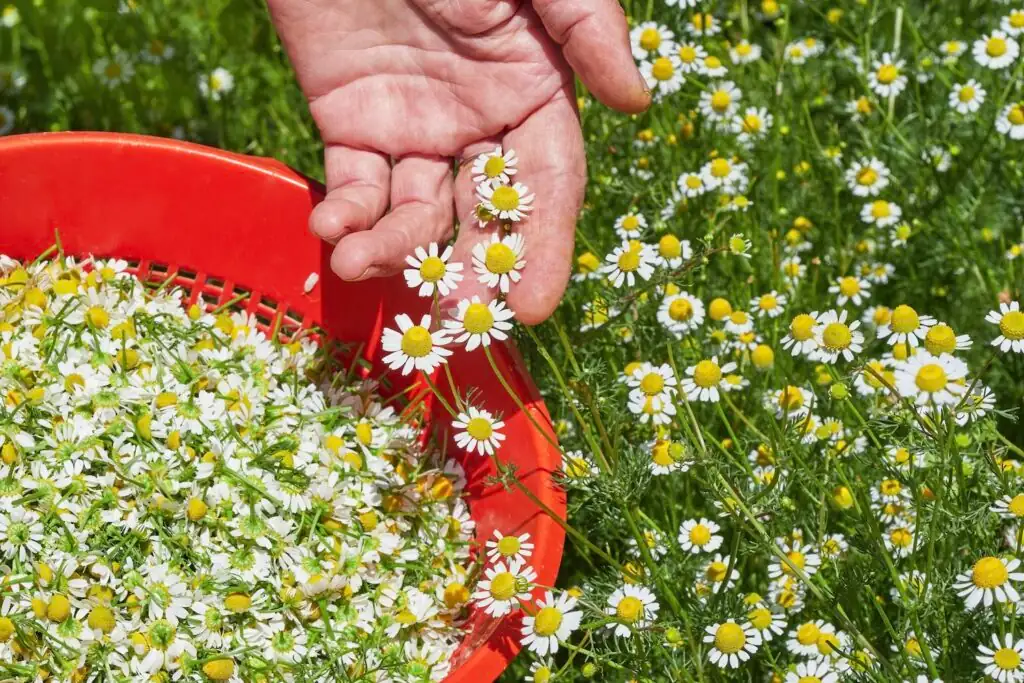
Harvesting your own flowers for drying and tea turns the nightly cup into a personal ritual—one you grew with your own hands.
A flower-sized philosophy
Chamomile’s language—resilience, patience, energy in adversity—grew straight out of people’s lived experience with the plant: it endures, it comforts, it keeps giving. That’s why the symbolism still lands today. In a bouquet, a tea tin, or a sprig tucked into brown paper, chamomile is the soft voice that says, “Courage can be gentle.” And sometimes, that’s exactly the kind we need.
Note: Chamomile is generally well-tolerated, but people sensitive to daisies/ragweed (Asteraceae) may react. If pregnant, giving to very young infants, using essential oils, or taking anticoagulant medications, check with a healthcare professional before use.


