

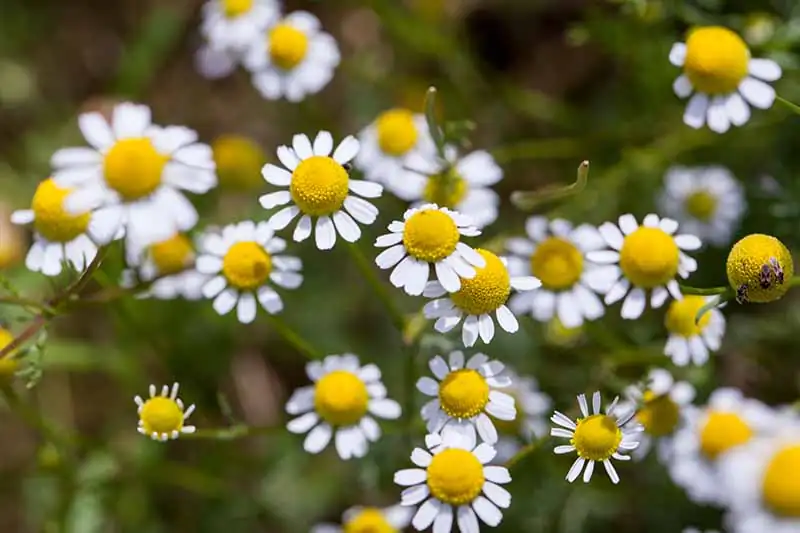
Ever smelled a flower that answers back with a crisp bite of apple? Meet chamomile—the sunny little “ground apple” with surprising superpowers. Two close cousins share the spotlight: German chamomile (Matricaria chamomilla), the tea-and-oil workhorse, and Roman chamomile (Chamaemelum nobile), the plush, foot‑friendly carpet. From blue oil magic to petals that do yoga, here’s the fun, fast, and deeply useful side of this classic herb.
Meet the two celebrity chamomiles
- German chamomile (Matricaria chamomilla)
- Habit: Upright, branching annual
- Height: About 15–60 cm (6–24 in)
- Best for: Tea harvests and essential oil
- Roman chamomile (Chamaemelum nobile)
- Habit: Low, creeping perennial with rooting runners
- Height: About 20–30 cm (8–12 in)
- Best for: Fragrant groundcover and pathways
Both belong to the daisy family (Asteraceae), boast feathery, aromatic foliage, and release that signature apple-like perfume when you brush past.
The blue secret: chamazulene’s dramatic reveal
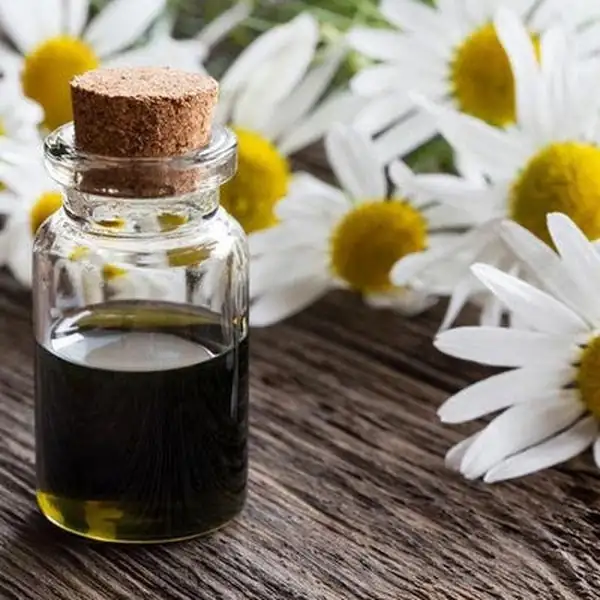
Here’s the jaw‑dropper: German chamomile essential oil can turn a rich, inky blue during steam distillation. The star is chamazulene, a compound formed in the process that gives the oil its vivid color—hence one of its nicknames, “Blue chamomile.” Fresh flowers aren’t blue, so the reveal happens only after distillation. Roman chamomile’s oil, by contrast, stays a pale yellow.
Drooping rays and hollow cones: how to ID them at a glance
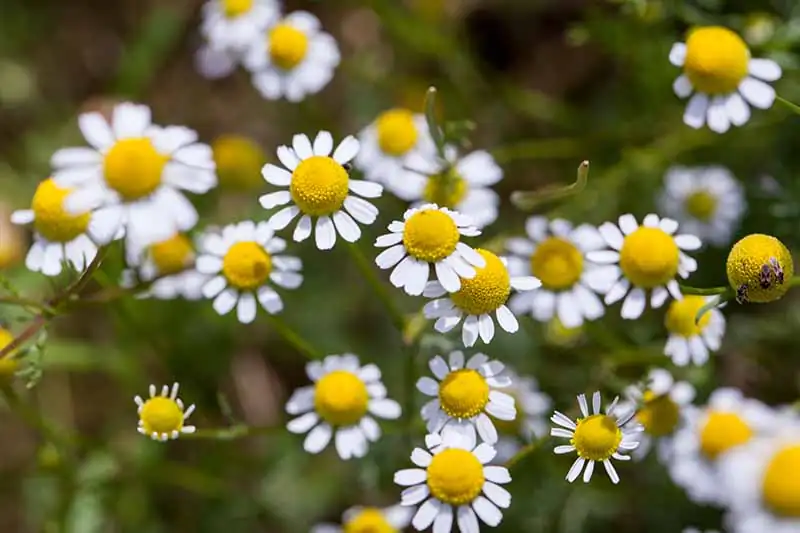
Think of German chamomile as the daisy that practices yoga:
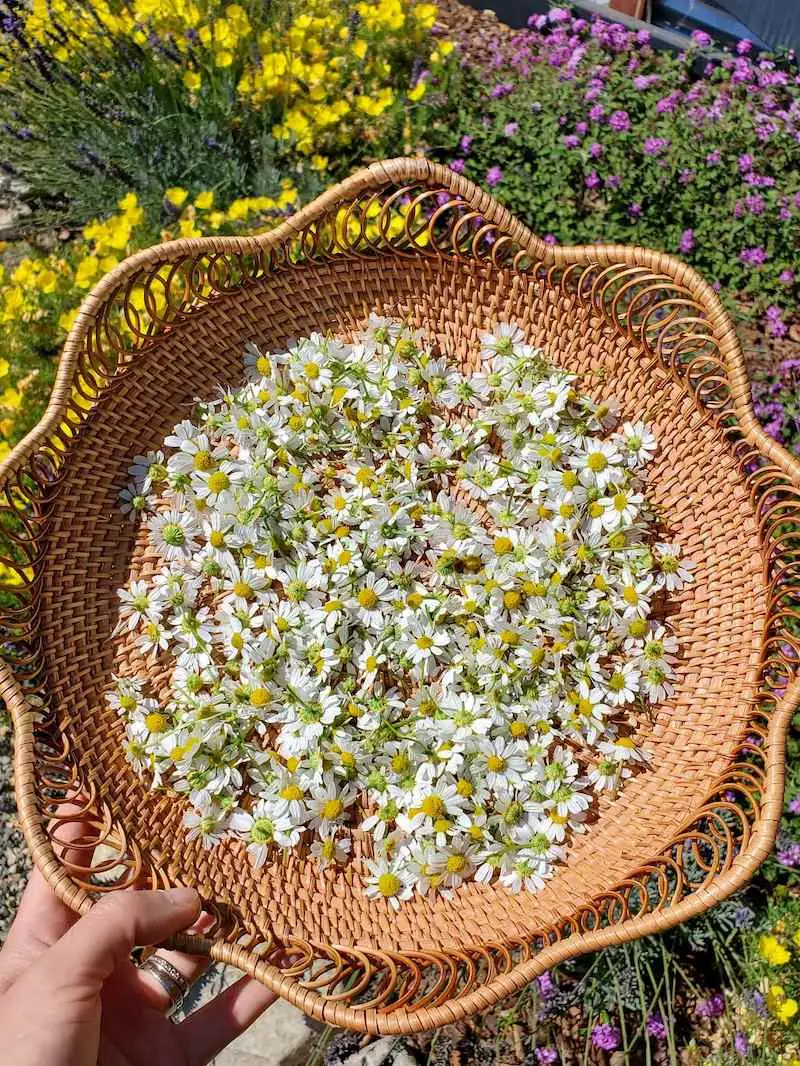
- As the flower matures, its white ray petals often droop downward.
- The yellow center forms a hollow, conical dome—peek inside and you’ll find it’s like a tiny thimble with no “stuffing.”
Roman chamomile’s blooms are smaller and borne close to the ground on a creeping plant, typically with more rounded, solid centers. Both smell deliciously of apples.
A carpet you can walk on (gently)
Roman chamomile is the soft, green welcome mat of herb gardens:
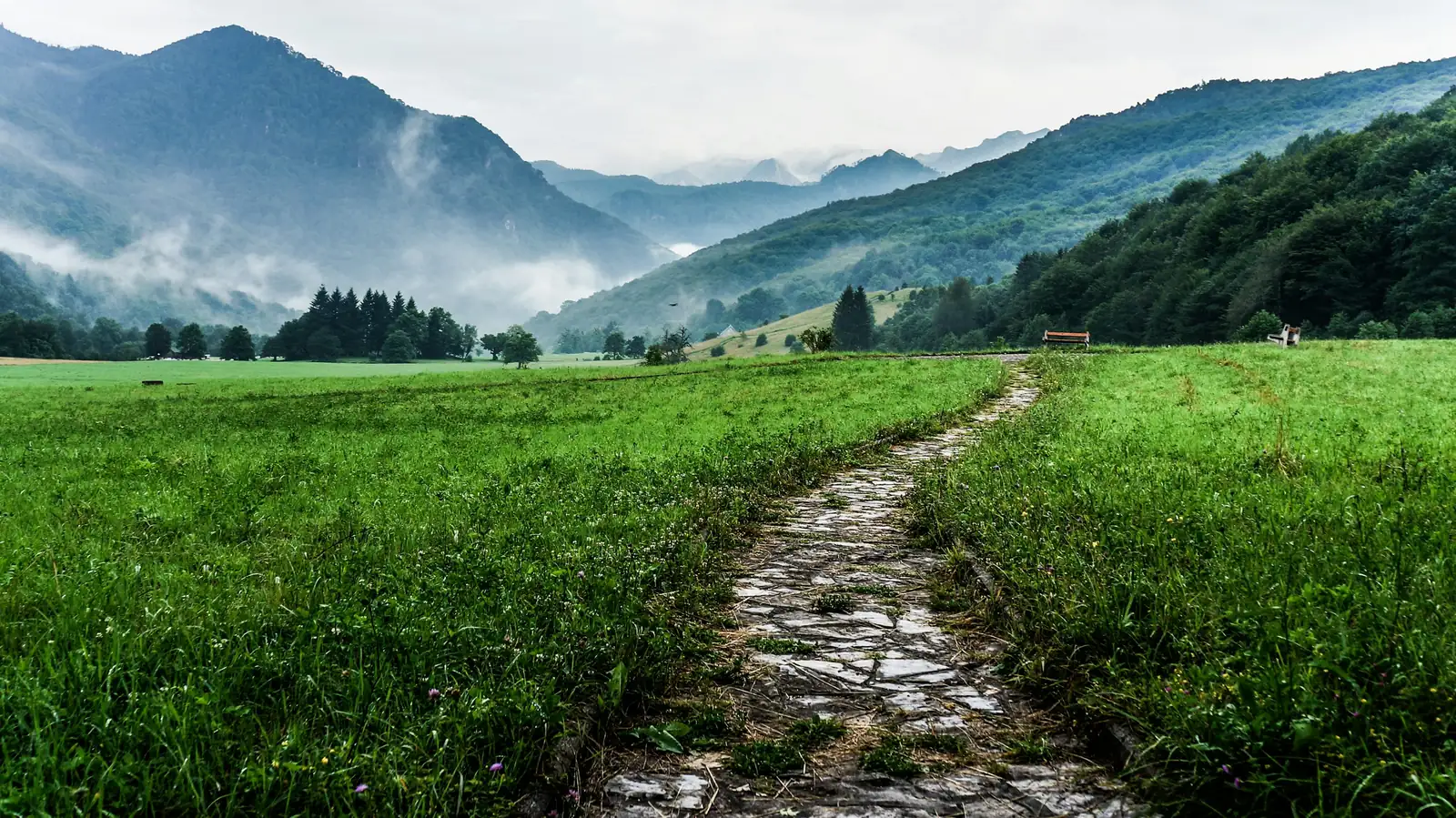
- Creeping stems root as they spread, forming a fragrant, cushiony groundcover.
- Brush it, tread lightly on it, and it releases sweet scent—no wonder it was a classic “strewing herb.”
- Old garden lore even says chamomile grows better when trodden, which suits its along‑the‑path placement perfectly.
Self-seeding confetti and multi‑flush blooms
- German chamomile loves to self‑seed. Leave a few flower heads and it will sprinkle next year’s seedlings like herbal confetti.
- With sun and regular deadheading, chamomile often blooms in multiple flushes (commonly 2–3 per season).
- A bloom run typically lasts about 50–65 days, and buds roll out over roughly 20–25 days—plenty of tea-time harvests.
Fast facts that make chamomile irresistible
- Origin story: Native to southern and eastern Europe; now grown across temperate regions worldwide.
- Scent: “Ground apple”—the Greek name chamomēlon literally nods to its fruity aroma.
- Foliage: Finely divided, feathery, aromatic leaves; German chamomile’s look a touch finer and more thread‑like.
- Flowering season: Spring to midsummer (often May–July), especially prolific with full sun and sharp drainage.
- Companionship: A friendly neighbor in mixed borders and veggie patches.
How to grow chamomile like a pro (but keep it effortless)
- Sunlight
- Best: Full sun (6–8 hours/day) for sturdy growth and abundant flowers
- Hot climates: Offer a little afternoon shade to protect blooms
- Temperature and climate
- Happy zone: Mild 15–20°C (59–68°F)
- Heat: Can handle brief spikes to ~38°C (100°F) with sensible watering
- Hardiness: Widely grown as an annual across USDA Zones 2–9; Roman chamomile is commonly hardy to about Zone 4
- Soil and drainage
- Loves: Well-drained, loose soil—neutral to slightly alkaline suits it fine
- Tip: Avoid rich, soggy conditions that make plants floppy or invite rot; add grit/sand in heavy soil
- Watering
- While young: Keep evenly moist (about 2.5 cm/1 in per week equivalent)
- Established: Let the topsoil dry slightly between waterings; never waterlog
- Feeding
- Light eater: Overfeeding = leafy, floppy, fewer flowers
- Containers: Diluted, balanced feed about monthly during active growth
- Pruning and bloom-boosting
- Deadhead for continual flowers
- If leggy mid-season, shear back to ~10 cm (4 in) to trigger fresh, bushy regrowth and another flush
- Propagation
- From seed (most common): Surface‑sow in spring or fall—seeds need light; germination in ~7–14 days
- Self-seeding: German chamomile enthusiastically reappears if you let seed heads mature
- Division: Roman chamomile spreads by runners; divide rooted pieces in early spring
- Pots and placement
- Use containers at least 15 cm (6 in) deep with excellent drainage
- Perfect for sunny balconies, border edges, and footpaths (especially Roman chamomile)
- Indoors: Brightest window + good airflow to discourage mildew
What to pick (and when)
- Buying plants
- Choose fresh, green, aromatic foliage with tight buds or new blooms; avoid sticky residue, distorted growth, or spots
- Goal-based choices:
- Tea and oil harvests? German chamomile
- Fragrant groundcover or path edging? Roman chamomile
- Harvesting flowers
- Snip open blooms during peak fragrance on dry mornings
- Dry in a breezy, shaded place; store airtight away from light
Tea, oil, and other delights
- Tea: Dried flower heads are the classic calming brew—naturally caffeine‑free, sipped any time, often an hour before bed
- Essential oil:
- German chamomile oil famously turns deep blue post‑distillation (chamazulene reveal)
- Used in skincare, perfumery, and aromatherapy for gentle, soothing reputations
- Garden use: Borders, pots, groundcovers; stroll-by aromatherapy for paths and patios
Pests, problems, and how to keep the calm
- Typically easy-going, but watch for:
- Aphids, thrips, leafminers—usually handled with a strong water spray or mild insecticidal soap/neem
- In damp, still conditions: leaf spot, powdery mildew, botrytis, rust, or root/stem rot
- Prevention trio: Sun, airflow, and watering that avoids soggy soil or constantly wet leaves
Safety notes (read before you sip, slather, or steam)
- Generally non‑toxic, but:
- Allergies can occur—especially if sensitive to Asteraceae family plants (e.g., ragweed)
- Possible contact dermatitis for some
- Use extra caution with concentrated extracts/essential oils, during pregnancy, for very young infants, and if taking anticoagulant medications
- As with any herb, moderation and personal sensitivity checks are wise
Folklore, flower language, and the deeper meaning
- Old Europe scattered chamomile on floors so footsteps would press out perfume—a fragrant welcome that inspired the saying it “spreads better when trodden.”
- In symbolic “flower language,” chamomile often stands for comfort, gentle healing, and resilience—its sunny face stays cheerful and useful even in less‑than‑perfect conditions.
- Flower language isn’t ancient botany—it’s mostly a 19th‑century cultural code. Yet chamomile earns its reputation the honest way: it thrives with simple care, soothes with scent and tea, and bounces back after a trim.
Quick cheat sheet (because your garden is calling)
- Want tea and blue oil? Grow German chamomile.
- Want a scented, soft‑to‑step groundcover? Grow Roman chamomile.
- Give both: Full sun, sharp drainage, light hands with water and fertilizer.
- Deadhead, then shear mid‑season for encore blooms.
- Let a few German chamomile heads go to seed for a self‑sown encore next year.
Chamomile proves that small things carry big magic: a whiff of apple on the breeze, petals doing their graceful droop on tiny hollow cones, and a distillation trick that turns gold to blue. Plant it once—then follow your nose.


