
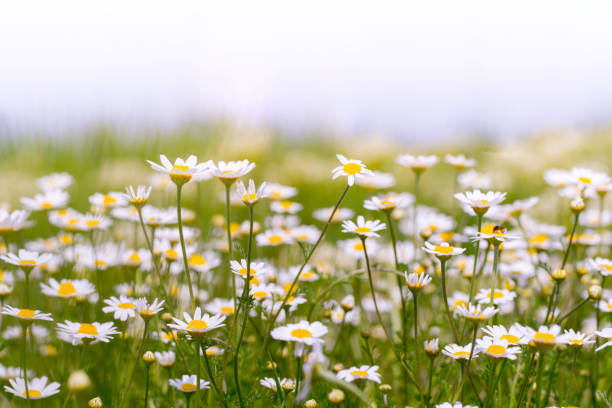
Bend down to the chamomile patch and you’ll catch it at once—the shy, sweet waft of apples. The Greeks noticed it too and named the plant chamaimelon, “ground apple,” for that sun‑warmed perfume hidden in its daisy‑white rays and golden centers. From pharaohs and philosophers to medieval housekeepers and modern distillers, chamomile has walked beside us for millennia—underfoot as a strewing herb, in cups as a calming infusion, and today swirling out of copper stills as a striking blue essential oil.
Two names, two habits: meet German and Roman chamomile
When gardeners say “chamomile,” they’re usually talking about one of two close cousins in the daisy family (Asteraceae)—each with its own personality.
- German chamomile (Matricaria chamomilla)
- Habit: Tall, airy annual; 15–60 cm (6–24 in) high, finely threadlike foliage
- Flowers: White rays encircle a yellow cone; the receptacle is hollow and often goes conical, with rays that may charmingly droop as blooms mature
- Best for: Hefty tea harvests and essential oil; grown widely across temperate regions
- Roman chamomile (Chamaemelum nobile)
- Habit: Low, creeping perennial; 20–30 cm (8–12 in), mat‑forming and fragrant underfoot
- Flowers: Smaller daisies held close to a lush, feathery green carpet
- Best for: Fragrant groundcover, path edges, and the classic “walk‑on” cottage‑garden look
Native to southern and eastern Europe, chamomile now spans the globe, cultivated from Germany and France to Belgium and Morocco—and naturalized far beyond.
Sun gods and scholars: antiquity’s golden thread
Ancient Egypt, where the sun was both deity and daily compass, saw kinship in chamomile’s golden hearts. Linked with the sun god Ra, chamomile found use in ritual and household practice, its bright discs a tiny echo of the solar disc itself. Greeks and Romans picked up the story: physicians and herbalists praised its scent and soothing reputation, and the name “ground apple” stuck because those blushing‑apple notes are unmistakable when you crush the leaves or brush the flowers.
“Strewing herbs” and cottage floors: the Middle Ages
Fast‑forward to medieval Europe, where fragrant plants were scattered over rush‑covered floors to sweeten the air. Roman chamomile—soft, low, and scented—was a star of the strewing‑herb cast. A cheery proverb claimed it “spreads best when trodden,” capturing both its groundcover habit and the folk wisdom that its aroma wakes when stepped on. Monastic herb gardens, humming with bees and prayer, kept chamomile in steady rotation for household infusions and as a companion in physic beds.
Empire, hedgerow, and teacup: early modern to Victorian eras
By the early modern period, chamomile was a familiar friend: the tidy daisies snipped for drying, stuffed into pillows, and steeped after meals. Herbalists wrote that its virtues were so commonly known “it is but lost time to describe it,” and yet they kept writing—because chamomile belonged to every class, from hedgerow to apothecary. In literature and lore it symbolized steady comfort and cheerful resilience. Even in children’s tales, it plays the gentle nurse: in Beatrix Potter’s story, Peter Rabbit is soothed with chamomile tea.
From field to flask: today’s blue German‑chamomile oil
Walk the summer fields of Europe or North Africa and you’ll find rows of German chamomile shimmering in heat haze, their feathery foliage trembling with bees. Harvesters clip the flower heads during the peak flush (spring to midsummer—often May through July), and with good conditions growers can coax multiple runs, each bloom set forming over about 20–25 days.
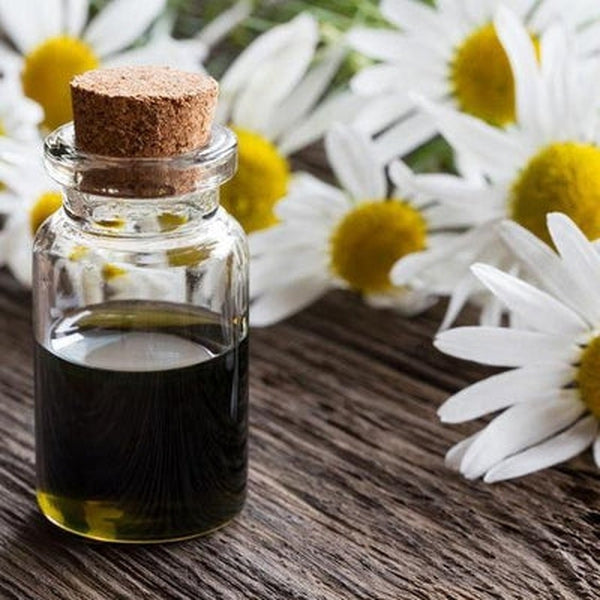
Then comes the magic: steam distillation. In the still, heat transforms a precursor compound into chamazulene, tinting the essential oil an improbable deep blue—one of the perfume world’s small marvels. This “blue chamomile” is prized for its gentle, soothing reputation in aromatherapy and skincare. Today, you’ll find German chamomile cultivated and distilled across Germany and France, in Belgium, and in North African countries such as Morocco—part of a broad, modern supply chain that keeps those cobalt drops flowing into creams, serums, and blends around the world.
How to tell them apart in a glance
- Architecture:
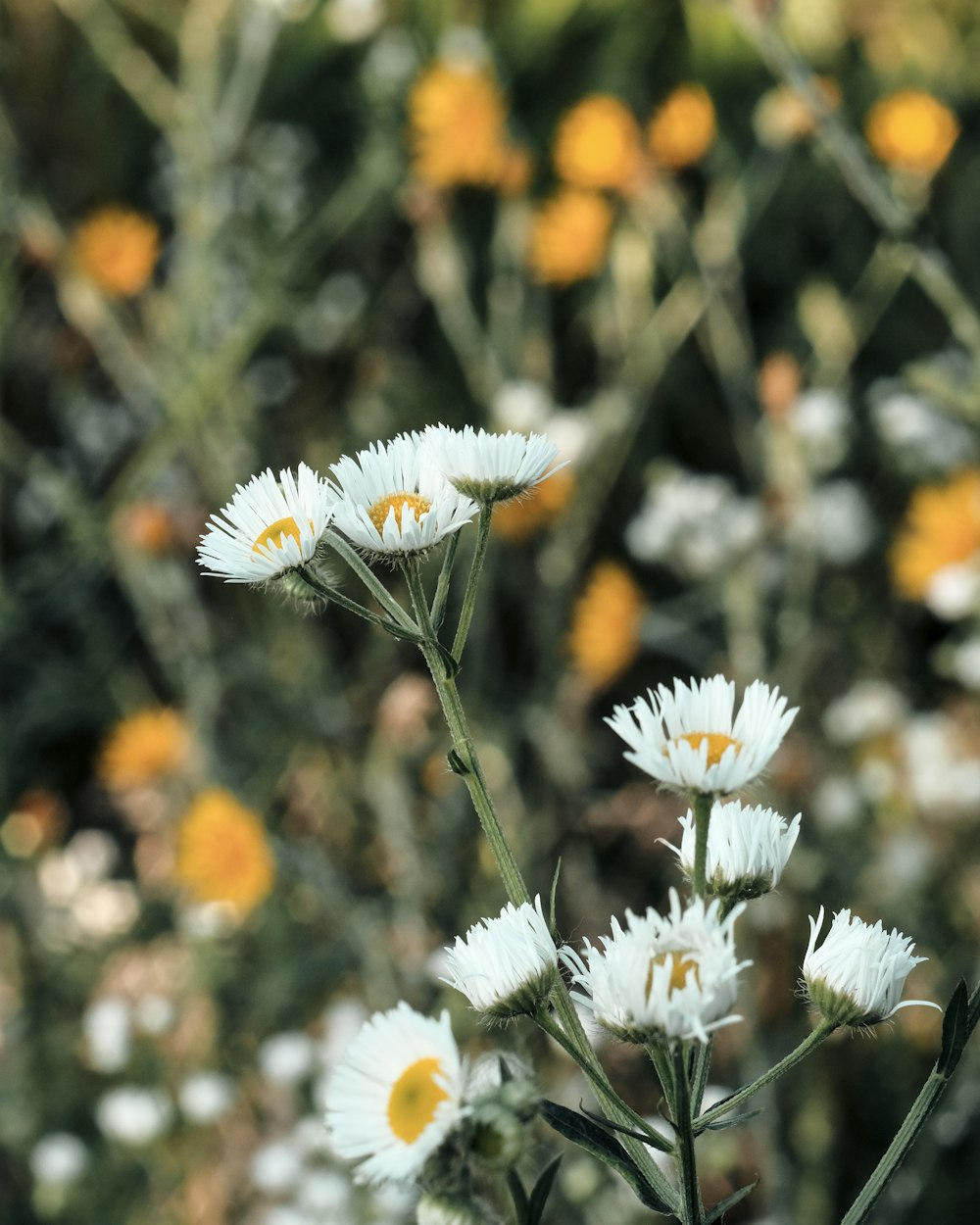
- Tall, airy, branching annual? Likely German.
- Low, tufted mats that invite bare feet? Roman.
- Flower center:
- Hollow, conical dome that elongates with age (rays sometimes drooping)? German.
- Smaller daisies on short stalks above a carpet of green? Roman.
- Use:
- Bulk tea and blue essential oil? German leads.
- Fragrant lawn, border edging, path‑side perfume? Roman shines.
A gardener’s pocket guide
Both chamomiles are refreshingly undemanding—perfect for new growers and seasoned herb lovers alike.
- Light: Full sun (6–8 hours) for sturdy growth and flowers; in hot zones, a hint of afternoon shade helps prevent scorch.
- Temperature: Sweet spot around 15–20°C (59–68°F). German chamomile is grown as an annual; Roman chamomile is generally hardier and overwinters better.
- Soil: Well‑drained and on the lean side. Think sandy or gritty—soggy soil is the enemy.
- Water: Keep evenly moist while young, then allow the top layer to dry between waterings. About 2.5 cm (1 in) per week is a useful guide; increase in hot spells.
- Feeding: Light feeders. Too much fertilizer = floppy plants, fewer blooms.
- Pruning: Deadhead to extend the show. If plants sprawl mid‑season, shear to about 10 cm (4 in) to prompt a fresh flush.
- Propagation:
- German chamomile: from seed in spring or fall; surface‑sown (needs light), germinates in 7–14 days, and self‑seeds happily.
- Roman chamomile: division of rooted runners in early spring; also from seed.
- Where they shine:
- German: cutting patch for tea; bee‑magnet in borders and pots.
- Roman: along paths, between stones, as a scented green carpet near seating.
Harvest, cup, and craft

- Tea: Snip open blooms on dry mornings and dry on screens out of direct sun. The result? A mellow, apple‑tinged infusion that’s naturally caffeine‑free—popular after meals or about an hour before bedtime.
- Skincare and scent: The blue oil of German chamomile adds a soft, herb‑fruity note to perfumes and is a beloved ingredient in gentle creams and balms.
- In the garden: Both species make friendly companions; their presence and scent are often welcomed among vegetables and ornamentals.
Note on sensitivities: Chamomile is generally considered non‑toxic, but members of the daisy family (Asteraceae) can trigger allergies in sensitive people. Concentrated extracts and essential oils deserve extra caution—especially during pregnancy, for very young infants, and if you use anticoagulant medications. If in doubt, consult a professional and start small.
The flower language of chamomile: comfort with backbone
Flower “languages” often bloom where folklore, fragrance, and lived experience meet. Chamomile’s meanings—comfort, gentle healing, resilience—grow from centuries of use and observation:
- Comfort: Few household herbs feel as homely as chamomile; the cup before bed, the scent underfoot, the memory of cottage floors strewn with fragrance.
- Healing (gently): Across cultures, chamomile has been a go‑to soothing herb. While modern evidence is nuanced, the association remains deeply rooted in tradition and daily life.
- Resilience: Roman chamomile’s knack for being trodden and springing back made it a symbol of cheerful toughness. Even in lean soil and bright sun, chamomile keeps giving—flowers, fragrance, and forage for pollinators.
In other words, chamomile’s “language” isn’t a coded Victorian list so much as a living shorthand for what gardeners, cooks, and storytellers have felt for ages: this is a small plant with a big heart.
A quick tour of form and season
- Foliage: Both species carry soft, feathery, finely divided leaves that release scent when brushed; German chamomile’s are typically finer and more threadlike.
- Flowers: Classic mini‑daisies—white rays, sunny discs, fruity‑apple aroma.
- Season: Spring to midsummer (May–July in many climates), often in waves; a flowering run may last 50–65 days with individual blooms forming over 20–25 days. With a timely shear, a second or even third flush isn’t uncommon.
Pests, plagues, and prevention
Chamomile is usually trouble‑light. Still, in damp, still air or chronically wet soils, you may see leaf spots, powdery mildew, botrytis, rust, or root/stem rot. Aphids, thrips, or leafminers occasionally visit; most yield to a sharp spray of water or a gentle soap/neem treatment. The best defense is simple: sun, airflow, drainage.
Where in the world is chamomile now?
Everywhere. Born in southern and eastern Europe, chamomile has made itself at home on all continents. Today it’s widely cultivated in:
- Europe: notably Germany, France, and Belgium
- North Africa: including Morocco
- Temperate regions worldwide, from small backyard patches to commercial fields destined for tea rooms and distilleries
Parting sips and scented steps
Consider chamomile a small passport to a very old world. Its Greek name whispers ground apples; its Egyptian lore glints like the sun; its medieval carpets release fragrance with every footfall. And in modern stills from Europe to North Africa, German chamomile’s blue oil turns history into hue. Whether you sow an annual patch for tea or plant a perennial path to tread, chamomile rewards you with exactly what it has promised for centuries: a little calm, a lot of character, and the quiet joy of golden hearts in white ruffs.
Fun to know
- The essential oil of German chamomile turns deep blue during steam distillation, thanks to chamazulene.
- Roman chamomile makes a charming “lawn” in small spaces and along paths—soft on bare feet, generous with scent.
- In a beloved children’s tale, Peter Rabbit is dosed with chamomile tea after his garden misadventure—folk wisdom in storybook form.