If you love the sunny, apple-scented charm of chamomile but hate seeing pests and fuzzy mildews move in, you’re in the right place. Whether you grow upright German chamomile (Matricaria chamomilla) for tea or cushy Roman chamomile (Chamaemelum nobile) as a fragrant groundcover, the simplest fixes—strong water sprays, mild soap or neem, and better airflow—go a long way. Here’s your friendly, no-fuss plan to tackle aphids, thrips, leafminers, mildew, botrytis, rust, and rot—and to prevent leggy, overfed plants that flower less and flop more.
Meet your plant: two chamomiles, one calming vibe
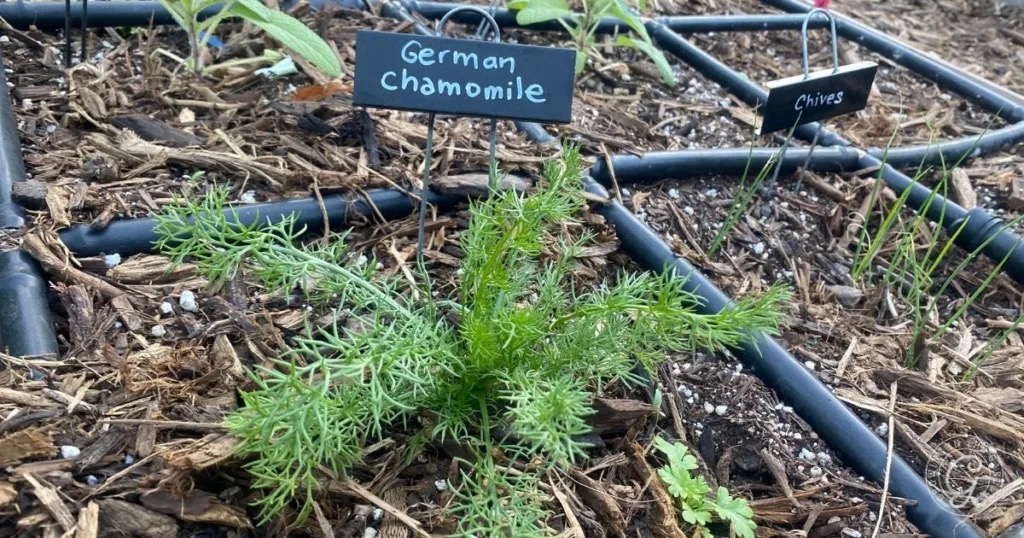
- German chamomile (Matricaria chamomilla): Upright, branching annual, roughly 15–60 cm tall. Famous for tea and essential oil (the distilled oil can be striking blue).
- Roman chamomile (Chamaemelum nobile): Low, spreading perennial (about 20–30 cm), great as a living, aromatic mat along paths.
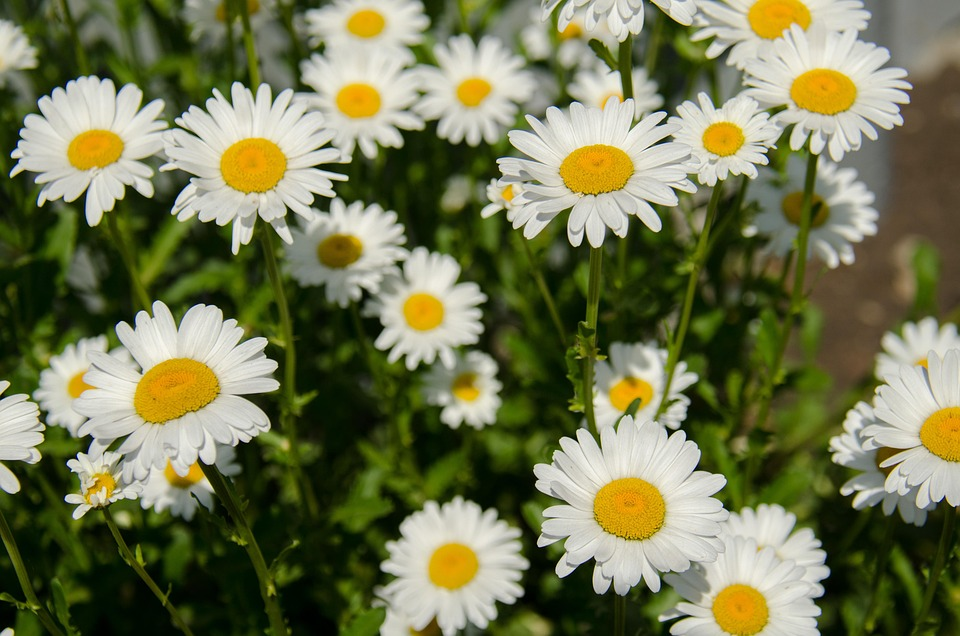
Both share sweetly scented white “daisy” flowers with golden centers and finely cut, feathery leaves. Think sunshine with a whisper of apple.
Strong starts prevent most problems
Healthy, well-sited chamomile shrugs off trouble. Lock in these basics:
Sun and airflow
- Aim for full sun (about 6–8 hours daily). In very hot climates, a touch of afternoon shade prevents flower scorch.
- Keep air moving. Space plants so foliage dries quickly after dew or a rinse; stagnant, humid air invites mildew and rot.
Soil and watering
- Use well-drained, loose soil (neutral to slightly alkaline is great). Add sand/grit in heavy soils.
- Water to establish, then let the topsoil dry a bit between waterings. About 2.5 cm (1 inch) per week is a good ballpark when young.
- Avoid soggy soil—constant wetness is the fastest path to stem/root rot.
Feeding (the big secret to prevent legginess)
- Chamomile is a light feeder. Too much fertilizer = lush, floppy stems and fewer flowers.
- In containers: go easy—diluted, balanced feed about once a month is plenty.
- In garden beds: often none is needed unless soil is very poor.
Seedlings and transplants
- Sow on the soil surface (seeds need light), keep evenly moist; expect 7–14 days to sprout.
- Give bright light and a little airflow (a small fan is perfect) to prevent lanky seedlings.
- Transplant when small (about 5–8 cm tall). Avoid moving plants during heavy bloom if possible.
Troubleshooting pests (fast, low-tox solutions)
Aphids
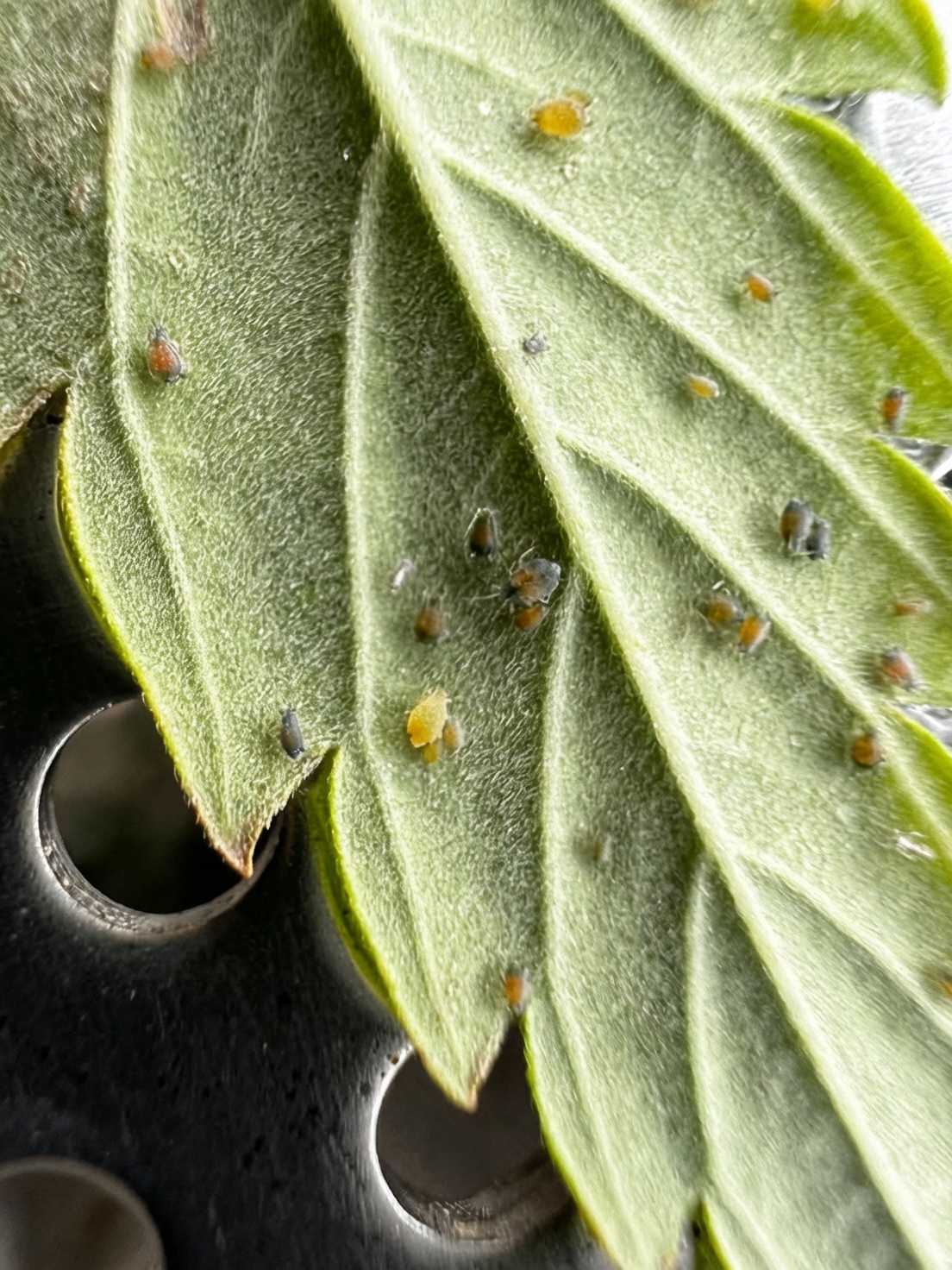
- Signs: Clusters of soft-bodied insects on tips and undersides of leaves; sticky honeydew; curled, stunted new growth.
- Quick fix:
- Blast with a strong water spray to dislodge.
- Follow up with insecticidal soap or neem oil, coating undersides of leaves. Repeat weekly until gone.
- Prevention:
- Don’t overfertilize (lush, sappy growth attracts aphids).
- Keep airflow up; check tender new growth often.
Thrips
- Signs: Silvery, streaked or stippled leaves; distorted buds; tiny dark specks (frass).
- Quick fix:
- Rinse foliage, then apply insecticidal soap or neem weekly for 2–3 weeks to catch new hatchlings.
- Use blue or yellow sticky cards near plants to catch adults.
- Prevention:
- Remove spent flowers promptly; keep weeds away; avoid overcrowding.
Leafminers
- Signs: Pale, squiggly “tunnels” inside leaves; blotchy trails you can see through.
- Quick fix:
- Remove and dispose of mined leaves—larvae feed inside the leaf where sprays can’t reach.
- A light neem application can help deter egg laying, but sanitation is key.
- Prevention:
- Encourage steady growth with good light and drainage so plants rebound after pruning.
- Avoid heavy nitrogen that encourages the tender, buffet-style new growth pests love.
Tackling diseases with airflow, timing, and tidy habits
Powdery mildew
- Signs: White, powdery film on leaves and stems; worst in still, humid conditions.
- Quick fix:
- Improve airflow: thin crowded stems and nearby plants.
- Water the soil, not the leaves—and do it in the morning so any splashes dry fast.
- A gentle rinse can remove light growth; follow with better spacing and sun.
- Prevention:
- Full sun, good spacing, and avoiding constant leaf wetness are your best defenses.
Botrytis (gray mold)
- Signs: Fuzzy gray mold on spent flowers or damaged tissue; browning petals; collapse in damp, cool weather.
- Quick fix:
- Deadhead promptly; remove infected bits and discard (don’t compost if it’s heavy).
- Boost airflow and sunlight; avoid watering over the canopy late in the day.
- Prevention:
- Keep blooms and leaves dry; thin plantings; sanitize shears between cuts.
Rust
- Signs: Orange/brown pustules under leaves; yellowing blotches above.
- Quick fix:
- Snip off affected leaves; improve airflow and avoid overhead watering.
- Keep foliage dry in the evening.
- Prevention:
- Space plants, water at the base, and keep humidity from lingering.
Stem and root rot (plus seedling damping off)
- Signs: Wilting despite moist soil; black, mushy roots; seedlings that topple at the soil line.
- Quick fix:
- Unpot, trim mushy roots, and replant in sharply draining soil—only if roots remain healthy enough.
- Often it’s faster to restart from seed (German chamomile) or divide a healthy runner (Roman).
- Prevention:
- Never let pots sit in water; ensure rapid drainage.
- Sterile seed-starting mix and light airflow help prevent damping off. Many gardeners also use a weak chamomile tea rinse for seedlings as a traditional aid, though airflow and clean media are the primary defenses.
Leggy, floppy, or overfed? Here’s the rescue plan
- Causes:
- Not enough sun; overcrowding; overly rich soil; too much nitrogen; overwatering.
- Fixes that work:
- Add light: move to full sun or the brightest window you have.
- Shear back to about 10 cm (4 in) to reset and encourage bushy regrowth.
- Feed less: skip fertilizer in-ground unless the soil is depleted; in pots, use a diluted, balanced feed monthly at most.
- Water wisely: allow the top layer of soil to dry before watering again; never keep roots soggy.
- Space for air: give each plant room so stems strengthen and dry quickly after dew or rain.
Harvesting and hygiene that keep plants healthy
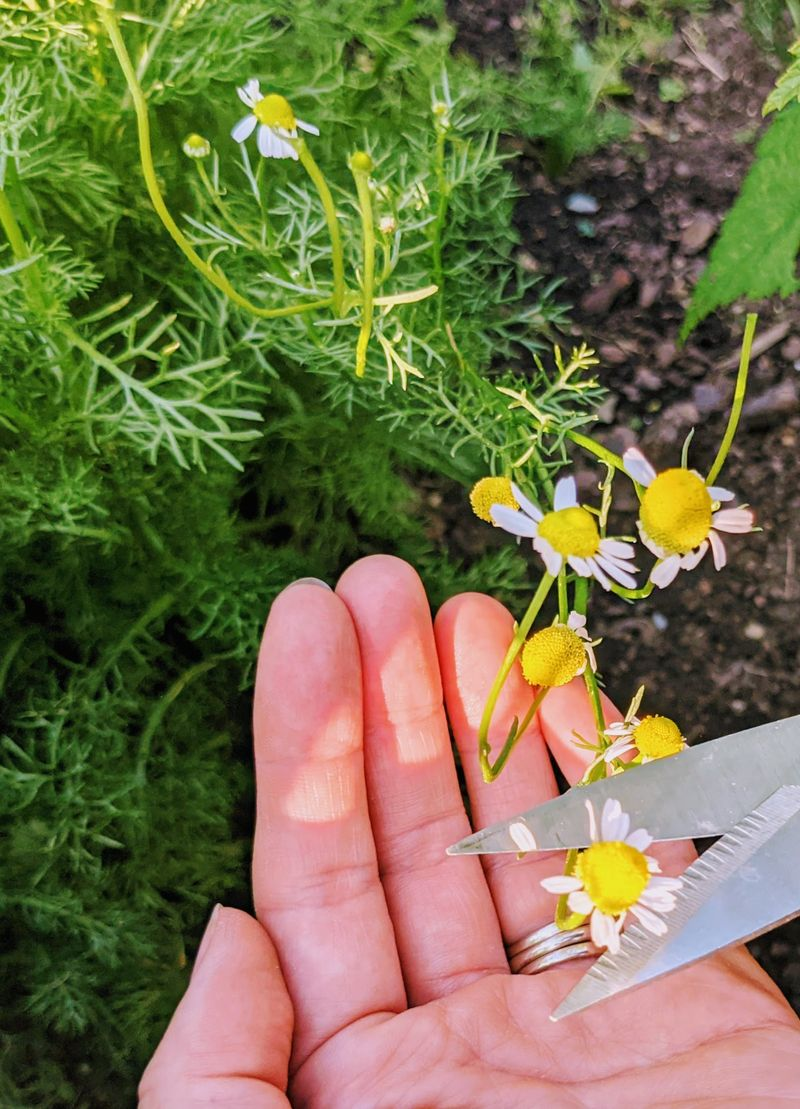
- Harvest on dry mornings after dew evaporates; avoid wet-picking to reduce mold during drying.
- Deadhead to keep blooms coming and to remove potential fungus magnets.
- Clean snips between cuts when removing diseased parts.
- In containers, choose pots at least 15 cm (6 in) deep with generous drainage holes.
Where chamomile thrives
- Light: Full sun best; partial shade helps in extreme heat.
- Temperature: Loves mild 15–20°C (59–68°F), tolerates hot spells up to ~38°C (100°F) if not kept soggy.
- Humidity: Moderate, with good airflow. Prolonged high humidity + poor ventilation = mildew/rot risk.
- Hardiness: Grown across USDA Zones 2–9. Roman chamomile is generally hardy to colder zones; German chamomile is typically grown as an annual and won’t overwinter in freezing winters.
- Indoors: Brightest window, lean potting mix, and a small fan to gently move air.
Picking the right one
- For tea and essential oil harvests: German chamomile (upright annual).
- For a fragrant, low groundcover or edging: Roman chamomile (creeping perennial).
Quick prevention checklist
- Full sun and generous airflow.
- Water at soil level; let the topsoil dry a bit between waterings.
- Go light on fertilizer.
- Deadhead and tidy regularly.
- Check undersides of leaves weekly; act early with water, soap, or neem.
- Space plants; avoid crowded, steamy corners.
Safety notes
- Generally non-toxic, but people sensitive to the daisy family (Asteraceae) may have allergic reactions or contact dermatitis.
- Use extra caution with concentrated extracts/essential oils, during pregnancy, for very young infants, and if taking anticoagulant medications.
A gentle note on symbolism
Chamomile is widely associated with comfort, calm, and resilience—the kind of plant that keeps smiling even when conditions aren’t perfect. Historically scattered on medieval floors as a fragrant “strewing herb,” it earned a reputation for thriving underfoot, which is a fitting metaphor: a small plant with surprising staying power. Treat it well, keep the air moving, and it will repay you with long, sunny bloom runs and that classic, soothing scent.
With a hose, a drop of soap or neem, and a bit of space and sun, you can outsmart most chamomile troubles. Simple, effective, and delightfully aromatic—that’s the chamomile way.