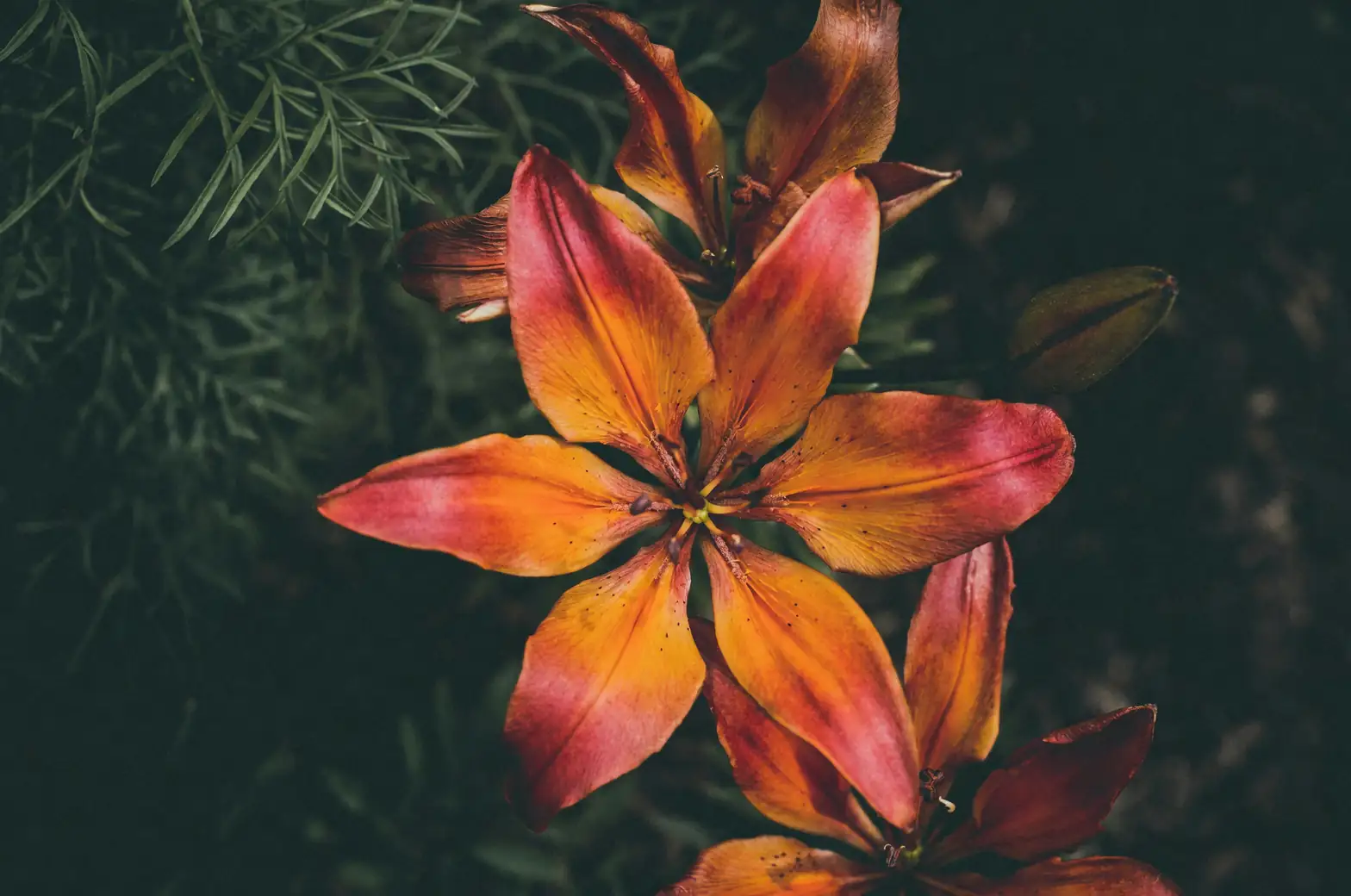
A great lily stem is like a slow-motion firework—first one bud unfurls, then another, then another. Nail the right harvest stage and a few smart aftercare moves, and you’ll enjoy a full two weeks of drama without the mess or premature fade. Here’s your pro-level playbook for Lilium spp. (true lilies).
Choose the perfect stem: timing, tells, and transport
The ideal bud stage
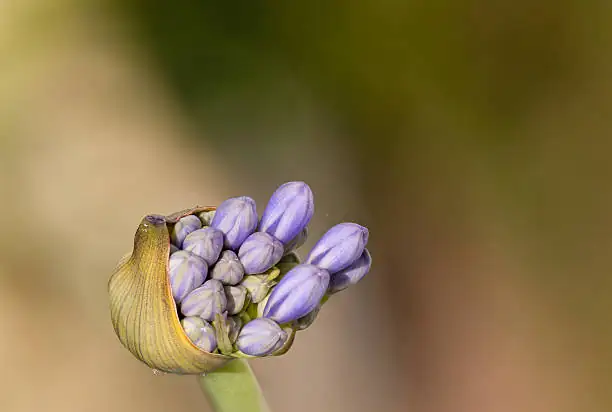
- Pick stems when the first bud is fully colored but still closed; the rest can be slightly less colored. This is the sweet spot for travel and durability, with flowers typically opening indoors within about 24 hours at room temperature.
- Skip stems with only hard green “bullet” buds (they may be immature and slow to open) and those with multiple fully open blooms (shorter remaining vase life).
Stem quality cues
- Look for 3–7 well-formed buds on a straight, sturdy stem.
- Leaves should be glossy, clean, and bright green—avoid limp foliage, tears, or brown/gray spotting (a warning for botrytis).
- Choose stems that feel firm and hydrated; overly light stems or wrinkled buds are a red flag.
Best time to cut (if harvesting from the garden)
- Early morning or early evening, when plants are well hydrated.
- Use sharp, sanitized pruners to avoid crushing the vascular tissue.
- Leave as much foliage as you can on garden plants—those leaves recharge the bulb for next year.
Smart transport
- Keep stems upright, shaded, and cool. Don’t bake them in a hot car.
- Place them promptly into clean water (room temperature if you want timely opening). Warm water and warmth hasten opening; cooler water and rooms slow it down.
Stain-proof your space (and yourself)
Lily pollen is legendary for staining, but you can outsmart it.
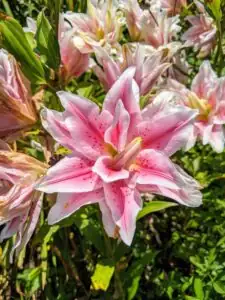
- As each bloom opens, gently remove the six pollen-bearing anthers with a tissue before they dust. This prevents stains and keeps arrangements looking crisp.
- If pollen lands on fabric: let it dry completely, then tap or brush it off; use sticky tape to lift remaining grains. Avoid rubbing or adding water at first (it can set the stain). Treat any shadow with a stain remover afterward.
- Keep open flowers dry. Overhead misting or wet petals encourage rot and brown patches—and water can fuse loose pollen to petals and linens.
Conditioning 101: the longest-lasting lilies
Aim for 10–14 days of vase life with these habits.
Prep like a florist

- Wash vases with hot, soapy water (or dilute bleach), then rinse well.
- Recut stems 1–2 cm (about 1/2 in) at a slant. Cutting underwater helps prevent air bubbles that can block water uptake.
- Strip all leaves that would sit below the waterline—submerged foliage fuels bacteria.
Water and food
- Use fresh, room-temperature water plus a commercial flower preservative.
- No packet on hand? A simple DIY per liter/quart: 1 tsp sugar + 1 tsp lemon juice (or white vinegar) + 1/4 tsp household bleach. Mix well and test on a small batch first.
- Change water and rinse stems every 1–2 days. Recut the stem ends each time.
Placement and temperature
- Keep arrangements in bright, indirect light at a cool-to-mild 15–21°C (59–70°F).
- Avoid hot windowsills, heating vents, and sun-blasted spots; heat accelerates opening and age.
- At night, moving the vase to a cooler room slows bloom progression and extends the show.
Air and spacing
- Give lilies breathing room—good airflow discourages botrytis (gray mold).
- Remove fading blooms promptly so the rest of the buds stay fresh.
Ethylene: the invisible enemy that shortens lily life
Lilies are ethylene-sensitive—this natural plant hormone speeds up aging and bud drop.
Hidden household sources to avoid
- Ripening fruit bowls (especially apples, bananas, avocados, pears, tomatoes, melons).
- Kitchens with active gas stoves or heaters and rooms with open flames.
- Engine exhaust (idling cars, enclosed garages).
- Aging flowers in the same arrangement—senescing blooms release more ethylene.
Pro moves
- Keep lilies well away from fruit and veg (ideally in a different room).
- Ventilate displays; don’t park them by the fruit bowl or on the stove-side shelf.
- Cull wilting blooms daily from mixed bouquets.
Quick fixes: common vase problems
- Buds won’t open:
- Likely too cold, harvested too immature, or ethylene exposure. Move to a slightly warmer spot, refresh water, and recut stems.
- Petals spotting or going mushy:
- Petals got wet or airflow’s poor. Keep blooms dry, improve ventilation, and avoid overhead misting.
- Cloudy, smelly water:
- Bacterial bloom. Scrub the vase, replace with fresh solution, and recut stems.
Safety first
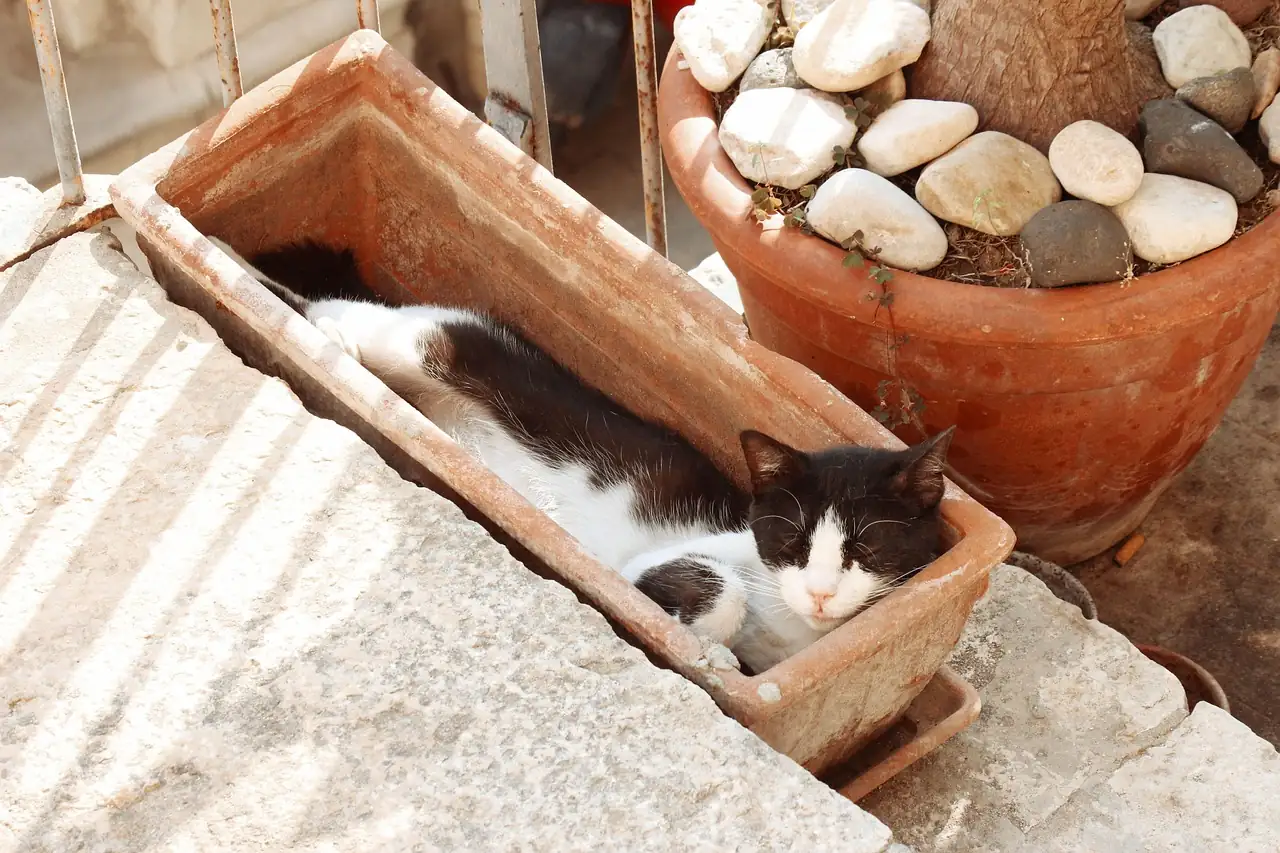
- True lilies (Lilium spp.) are extremely toxic to cats—pollen, petals, leaves, even vase water. Keep completely out of feline reach and seek urgent veterinary help if exposure is suspected.
- Some people are sensitive to strong fragrance or pollen—choose lightly scented types for bedrooms, remove anthers, or display elsewhere.
A quick word on lily types and timing
- Asiatic lilies: Usually less fragrant, early to mid-summer bloomers, buds open readily—great for people sensitive to scent.
- Oriental and trumpet lilies: Big, showy, often intensely fragrant; buds may take a touch longer to open, but the payoff is spectacular.
- For all: the “first-bud-colored, still closed” rule is your most reliable harvest and purchase cue.
Flower language, with roots and nuance
Lilies have carried layered meanings across cultures for millennia:
- Purity and renewal in classical and Christian symbolism (think the white Madonna lily).
- Devotion and fresh beginnings in Western floristry.
- Color cues in modern bouquets: white (purity/rebirth), pink (admiration/abundance), red (passion), orange (confidence), yellow (gratitude/joy).
- In Chinese culture, lilies evoke harmonious union—百年好合 (a hundred years of happy togetherness)—making them beloved for weddings.
These meanings come from long-standing myth, religion, and Victorian “floriography,” so consider them as cultural poetry rather than strict rules—and enjoy choosing colors that speak to your moment.
Your at-a-glance lily care checklist
- Selection: Pick stems with the first bud fully colored but closed; healthy leaves; no spots.
- Sanitation: Clean vase. Clean tools.
- Prep: Recut stems (ideally underwater), strip underwater leaves, add preservative.
- Placement: Cool room, bright indirect light, no drafts or heat.
- Water: Change every 1–2 days; recut stems; keep petals dry.
- Stain control: Remove anthers as flowers open; brush off any fallen pollen dry.
- Ethylene defense: Keep far from fruit, exhaust, gas appliances, and wilting flowers.
- Safety: Absolute no-go for cats.
Treat lilies like the divas they are—cool, clean, and far from the fruit bowl—and they’ll reward you with a cascading performance of blooms, one after another, each as flawless as the last.