

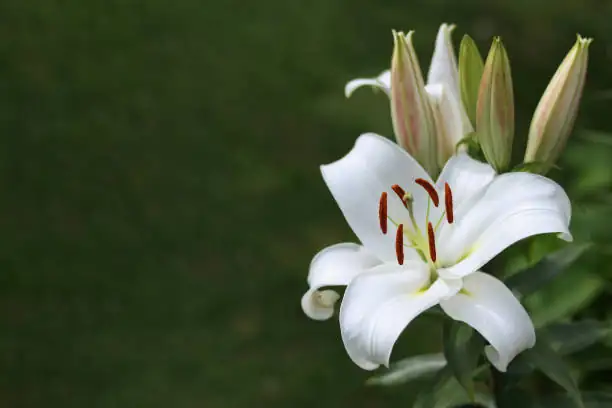
Think of lilies as divas with very sensible requests: sun on their shoulders, cool feet, and room to breathe. Get those three right and you’ll have showstopping blooms that float above a lush, healthy understory well into summer—and even longer when you pair them with the right cast of companions. Here’s how to design lily borders and containers that shade bulbs, boost airflow, stretch the season, and even help fend off pests so petals stay pristine.
First principles for Lilium spp. success
- Sun and shade balance: Aim for at least 4–6 hours of sun on stems and leaves, with light shading at the root zone. Low companions or mulch keep bulbs cool without stealing the spotlight.
- Drainage above all: Lilies are perennials grown from scaly bulbs that detest soggy soil. Use fertile, loose, sharply drained ground or a gritty container mix.
- Airflow matters: Moderate humidity with good circulation reduces Botrytis and leaf spot. Space clumps so air moves easily between stems.
- Planting depth: In garden beds, set bulbs about 2–3× the bulb’s height deep so stem roots can form. In containers, use a deep pot with excellent drainage; some growers set pre-sprouted bulbs more shallowly and top with 2–3 cm of mix—drainage becomes critical with shallower coverage.
Companion plants that cool the soil—without choking bulbs
Choose shallow-rooted, low growers that “skirt” lilies, shading the soil while letting stems rise unimpeded.
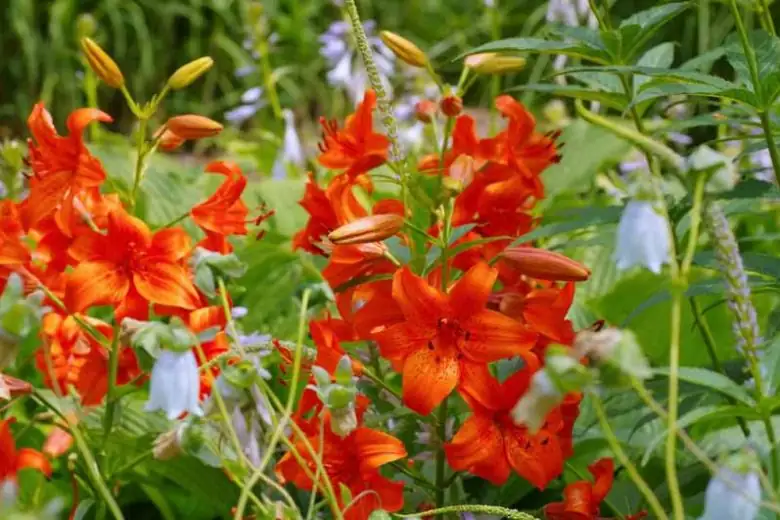
Superb root-shaders (perennials and small grasses)
- Hardy geraniums (Cranesbills) like ‘Rozanne’ or ‘Johnson’s Blue’—mounded habit, long bloom, great blue contrast.
- Heuchera and Heucherella—ever-fresh foliage in plums, ambers, and silvers; shallow-rooted and polite.
- Brunnera macrophylla—heart-shaped leaves, spring sky-blue flowers; give it morning sun, afternoon shade.
- Fine-textured grasses: Sesleria, Festuca glauca, or Hakonechloa for part shade—cool the soil, sway without smothering.
- Ferns for edges and part shade: Dryopteris, Athyrium—place a step away so crowns don’t crowd bulbs.
- Hostas—use sparingly and not too close; their dense roots can compete and foliage can harbor slugs. Choose smaller varieties and give lilies clear space to rise.
Spring understory for off-season color
- Snowdrops, crocus, grape hyacinths (Muscari), squills (Scilla), Anemone blanda, daffodils—flower early, go dormant as lilies take the stage.
Easy annual “living mulch”
- Sweet alyssum, dwarf lobelia, and compact calibrachoa—shallow roots, pollinator-friendly, and perfect for pot skirts or border fronts.
Plants to skip right next to lilies
- Aggressive groundcovers (e.g., ivy) or any mat-former that hides slugs/snails or strangles bulbs.
- Tall, leafy thugs planted too close—dense shade reduces bloom count and traps humidity.
Airflow architects: companions that keep petals dry and fungus at bay
Use plants that filter breezes rather than blocking them, and arrange heights so lilies aren’t hemmed in.
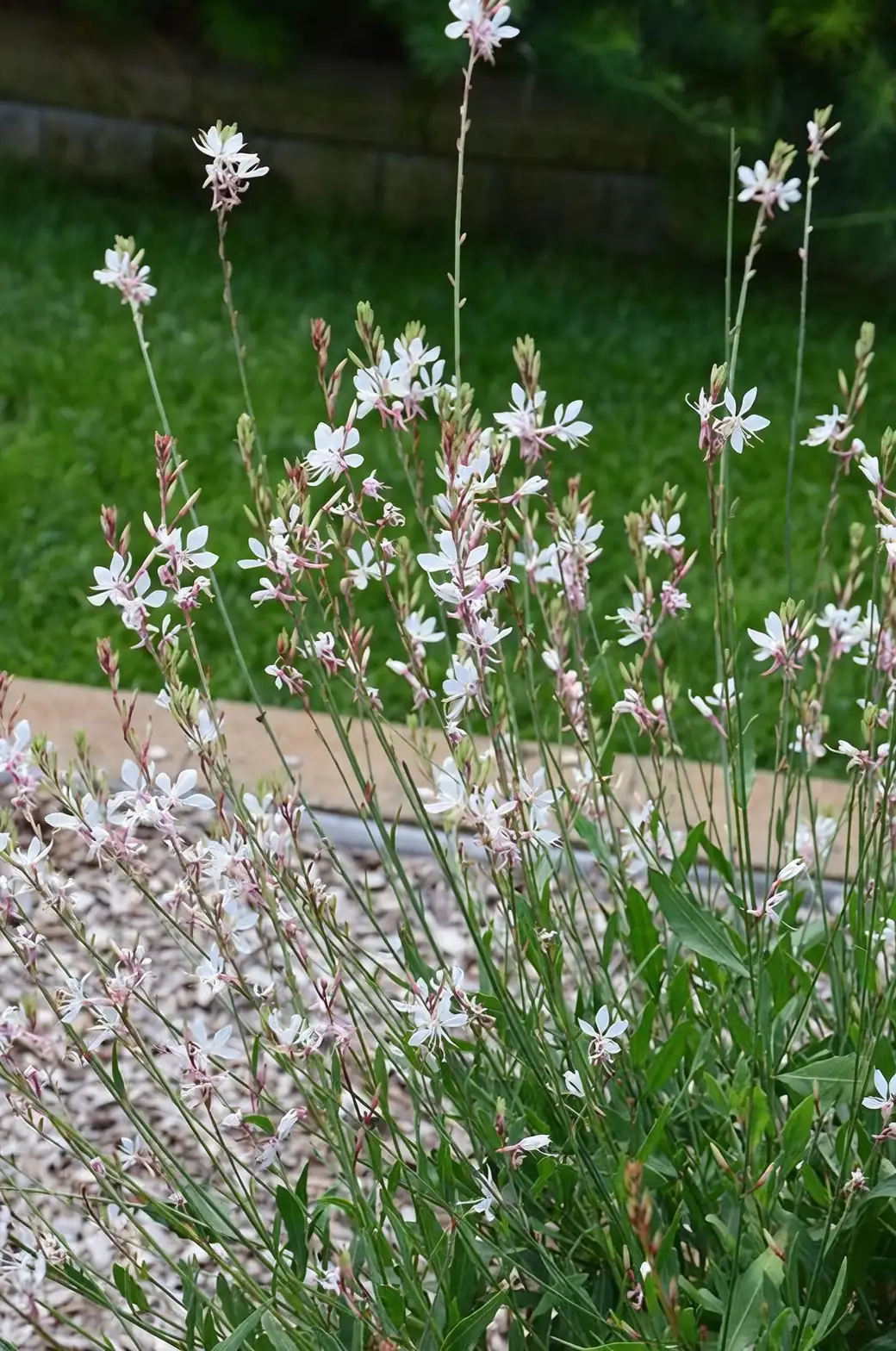
- Airy companions: Gaura (Oenothera lindheimeri), Orlaya grandiflora, Nigella—light, lacy canopies that don’t trap moisture.
- Spiky accents for contrast (place behind or to the north): Liatris spicata, Veronica longifolia/veronicastrum, Kniphofia—strong verticals that won’t smother lily stems.
- Ornamental grasses for “wind-wash”: Stipa (Nassella) tenuissima, Panicum, and slim Carex provide movement and quick-drying foliage.
Pro tip: Aim for 20–45 cm between mature lily stems/clumps (varies by cultivar). Water at the base only and avoid overhead sprinklers during bloom.
Extend the show: a lily-long season
Lilies typically flower from late spring into summer (often peaking July–August), but you can stage a months-long performance.
Sequence your lilies
- Early: Asiatic and many LA hybrids
- Mid: Trumpet and some Orienpets (OT hybrids)
- Late: Oriental and later Orienpets
Plant small drifts of each to roll color forward through the season.
Bookend with companions
- Before lilies: Peonies, bearded Irises, and aquilegias (columbines) provide late-spring drama without deep root competition.
- During peak: Mounded geraniums and heucheras frame the stems; airy grasses and gaura let flowers breathe.
- After bloom: Asters and chrysanthemums hide aging lily stalks while delivering fresh fall color; Japanese anemones and fall-blooming salvias keep the energy going.
- Evergreen backdrops: Rhododendrons or camellias (set far enough away to avoid root disturbance) anchor the bed and intensify lily hues.
Partners that deter pests and keep petals pristine
Companion planting can’t replace good hygiene and sharp drainage, but it can tip the balance in your favor.

Invite beneficials and confuse pests
- Umbellifers and lacey bloomers (dill, fennel, yarrow, sweet alyssum, Orlaya) attract hoverflies and lacewings that feast on aphids.
- Alliums (garlic chives, ornamental alliums) are often used near susceptible ornamentals to discourage aphids and add a rhythmic vertical beat.
- Aromatic herbs (thyme, lavender, rosemary) create a drier, breezy edge that’s less welcoming to fungal issues; they also attract pollinators and beneficials.
Nematode and soil-health allies
- Marigolds (Tagetes) are frequently used in rotations and as edging to help suppress certain root-knot nematodes—handy insurance for bulb beds.
Slug and snail strategies
- Keep skirts light and airy; avoid dense, damp groundcovers.
- Use mineral mulches (fine gravel or grit) around stems, and deploy pet-safe iron phosphate baits where pressure is high.
Lily leaf beetle reality check
- Companions won’t stop it outright. Hand-pick eggs/larvae early, and use locally approved insecticidal soaps or horticultural oils when needed.
Petal-perfect practices
- Never wet open flowers; mist leaves only if air is extremely dry.
- Water early in the day at the base; improve airflow with smart spacing and slender, quick-drying companions.
Four foolproof design recipes
1) Sunlit border classic (cool-toned elegance)
- Lilies: White or lemon Asiatics for early show, segue to creamy trumpets and white Orientals.
- Companions: Hardy geranium ‘Rozanne’, Stipa tenuissima, silvery Heuchera, and spring Muscari.
- Fall finishers: Aster ‘Little Carlow’ or blue symphyotrichum to hide the stalks and extend color.
- Bonus defense: A low drift of allium ‘Millenium’ for summer pollinator appeal and aphid discouragement.
2) Dappled afternoon shade (textural calm)
- Lilies: Soft pink Orientals rising through a matrix of Hakonechloa and Brunnera.
- Companions: Dryopteris ferns, low lavender at the sunny edge to move air and add scent.
- Shoulder seasons: Daffodils underplant for spring; Japanese anemones pick up late summer into fall.
3) Hot, bright, well-drained edge (breezy and resilient)
- Lilies: Sun-loving Asiatics grouped in drifts.
- Companions: Gaura, blue catmint (Nepeta), thyme as a living mulch, and silvery Festuca.
- Pest-savvy: Interplant sweet alyssum to lure aphid predators; top-dress with grit to discourage slugs.
4) Patio container that breathes
- Pot: Deep container with drainage holes; fill with a mix of compost/leaf mold + peat or coco coir + coarse sand/perlite.
- Planting: 1–3 bulbs per pot. In deep pots, set bulbs 2–3× bulb height; in some shallow display setups, cover pre-sprouted bulbs with 2–3 cm of mix—only if drainage is excellent.
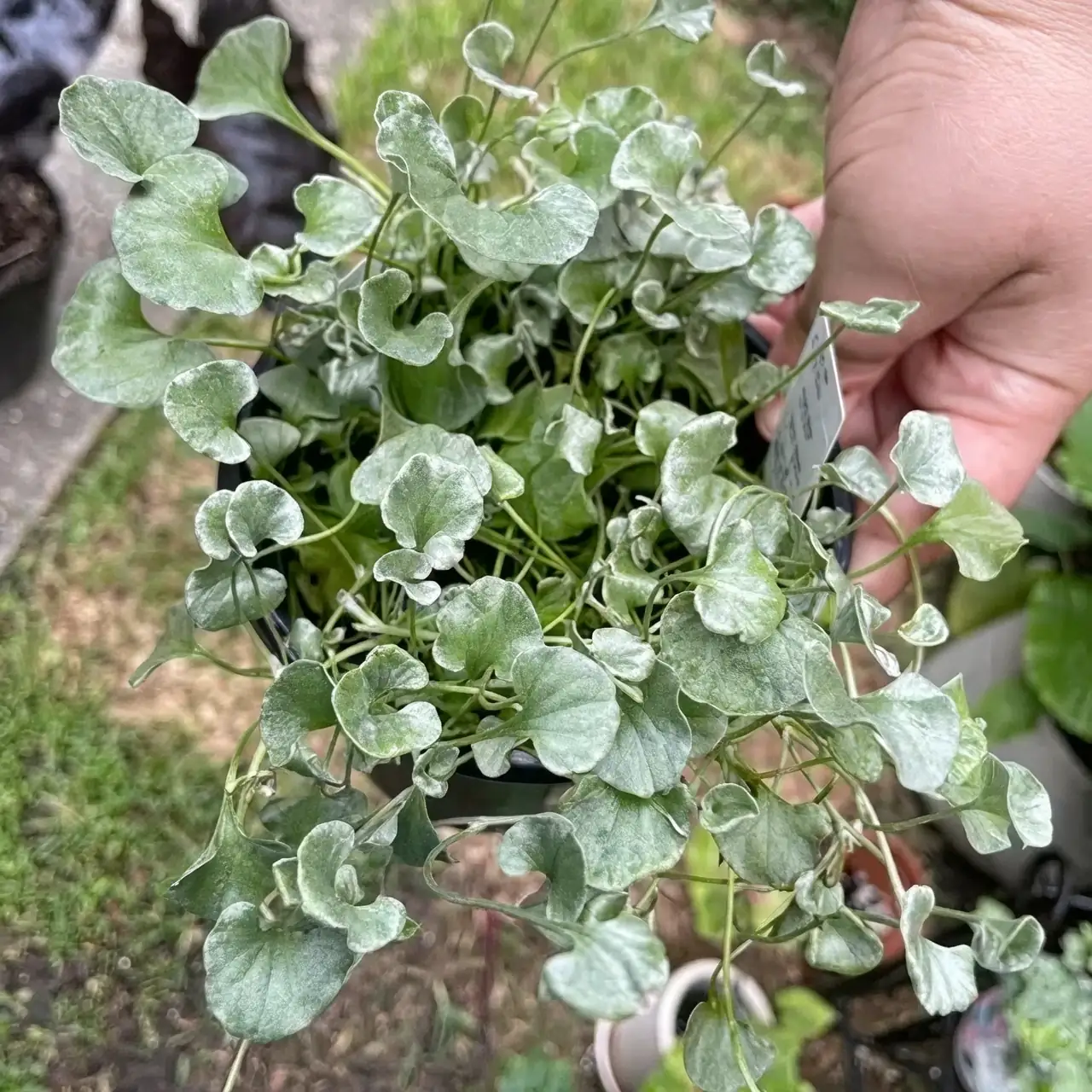
- Skirt: Trailing silver Dichondra ‘Silver Falls’ or creeping thyme to shade the surface.
- Care: Keep evenly moist (never waterlogged); protect from hard freezes; ensure airflow around the pot.
Care notes that keep designs effortless
- Watering: Deeply about once per week during growth, adjusting for heat and rainfall; always at the base. Reduce after flowering; stop when stems yellow and bulbs go dormant.
- Feeding: Start with fertile soil. Feed at early growth and again at bud set, or use diluted liquid fertilizer every 15–20 days during active growth. Shift toward higher phosphorus/potassium at bud stage.
- Pruning: Deadhead promptly; let foliage feed the bulb until it naturally yellows. Cut to ground only after withering.
- Propagation: Divide offsets when clumps crowd; or try bulb scales/bulblets if you enjoy propagation projects.
- Cut-flower savvy: Harvest when the first bud is fully colored but not open; remove anthers to prevent pollen stains. Keep bouquets away from ripening fruit—ethylene shortens vase life.
Safety and household notes
- Cats: Many true lilies (Lilium spp.) are extremely toxic to cats—pollen, leaves, flowers, even vase water. Keep completely out of reach and seek urgent veterinary help if exposure occurs.
- People and pets: Pollen/fragrance can irritate sensitive folks; dogs are usually less affected than cats but may have GI upset if chewed.
Meaning, myth, and modern mood
For millennia across Eurasia, lilies have symbolized purity, renewal, devotion, and fresh beginnings. The “flower language” many gardeners reference blends ancient myth and later floristry traditions:
- In Greek lore, lilies sprang from Hera’s milk—purity and rebirth.
- In Christian art, the white Madonna lily is linked to the Virgin Mary.
- In Chinese culture, lilies echo wishes for harmony and lasting union—“百年好合”—a favored wedding emblem.
Color plays a role in modern symbolism too: white for purity and rebirth, pink for admiration and abundance, red for passion, orange for confidence, yellow for gratitude and joy. While these meanings aren’t botany, they’re a delightful cultural layer to pair with your palette.
—
Lily magic comes from thoughtful staging: cool feet, sunny shoulders, and a chorus of companions that lift, frame, and protect. Build that living microclimate—shallow-rooted skirts, airy neighbors, and a seasonal handoff—and your Lilium will sing all summer without missing a note.


