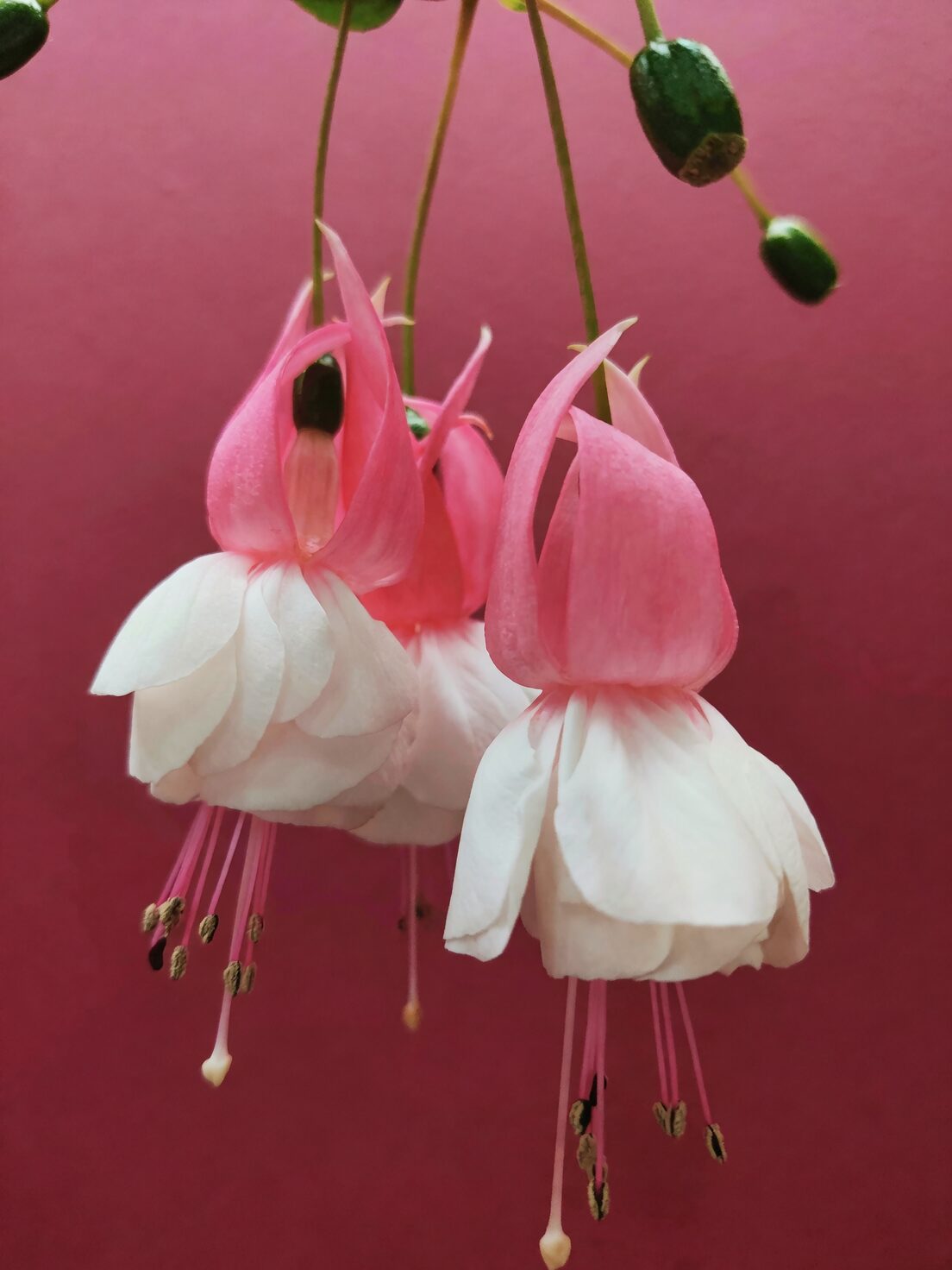

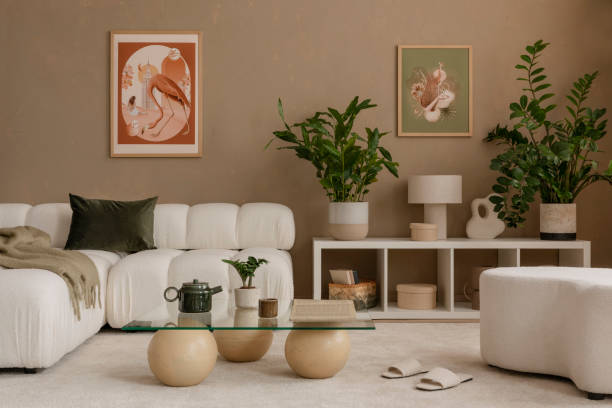
Think of true lilies (Lilium spp.) as couture flowers: statuesque, sculptural, and often powerfully perfumed. They can transform a room in minutes—if you style them smartly. Here’s your insider guide to longer vase life, no-pollen mishaps, low-scent choices, ethylene avoidance, and crystal‑clear safety rules for homes with cats.
Meet the lily: big blooms, sleek lines, dramatic presence
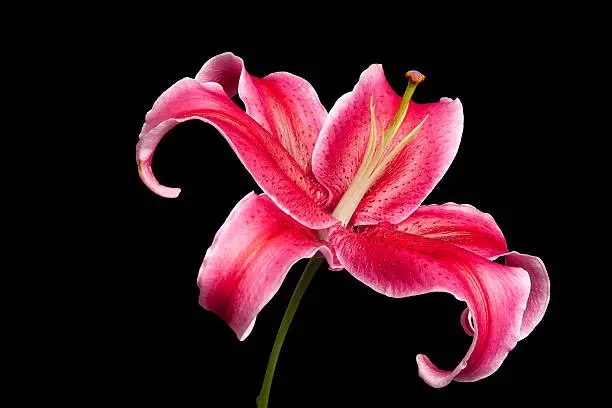
- What they look like: Six broad, satiny “petal” segments (technically tepals) in trumpet, bowl, cup, or reflexed “Turk’s cap” shapes. Colors range from white and lemon to sunset oranges, clear pinks, reds, and plums—often spotted or edged.
- Size and stance: Upright stems lined with narrow, glossy leaves; flowers commonly 15–25 cm (6–10 in) across.
- Fragrance spectrum:
- Often strongly scented (many Oriental and longiflorum types).
- Lightly scented to unscented options exist—great for bedrooms and scent-sensitive households.
Low-scent (or no-scent) picks for interiors
If you adore the look but prefer a gentler aroma:
- Asiatic hybrids (Lilium asiaticum): Typically unscented or very light. Try crisp whites like ‘Navona’ or cheerful oranges like ‘Enchantment’.
- LA hybrids (Longiflorum × Asiatic): Usually a soft, clean scent—present but not heady.
- Martagon (Turk’s cap) types: Often lighter fragrance; elegant, speckled, nodding blooms.
Tip: Double-flowered “Roselily” types drop little-to-no pollen and can read as less intense on scent, but many are still fragrant—sample a stem before buying if scent is a concern.
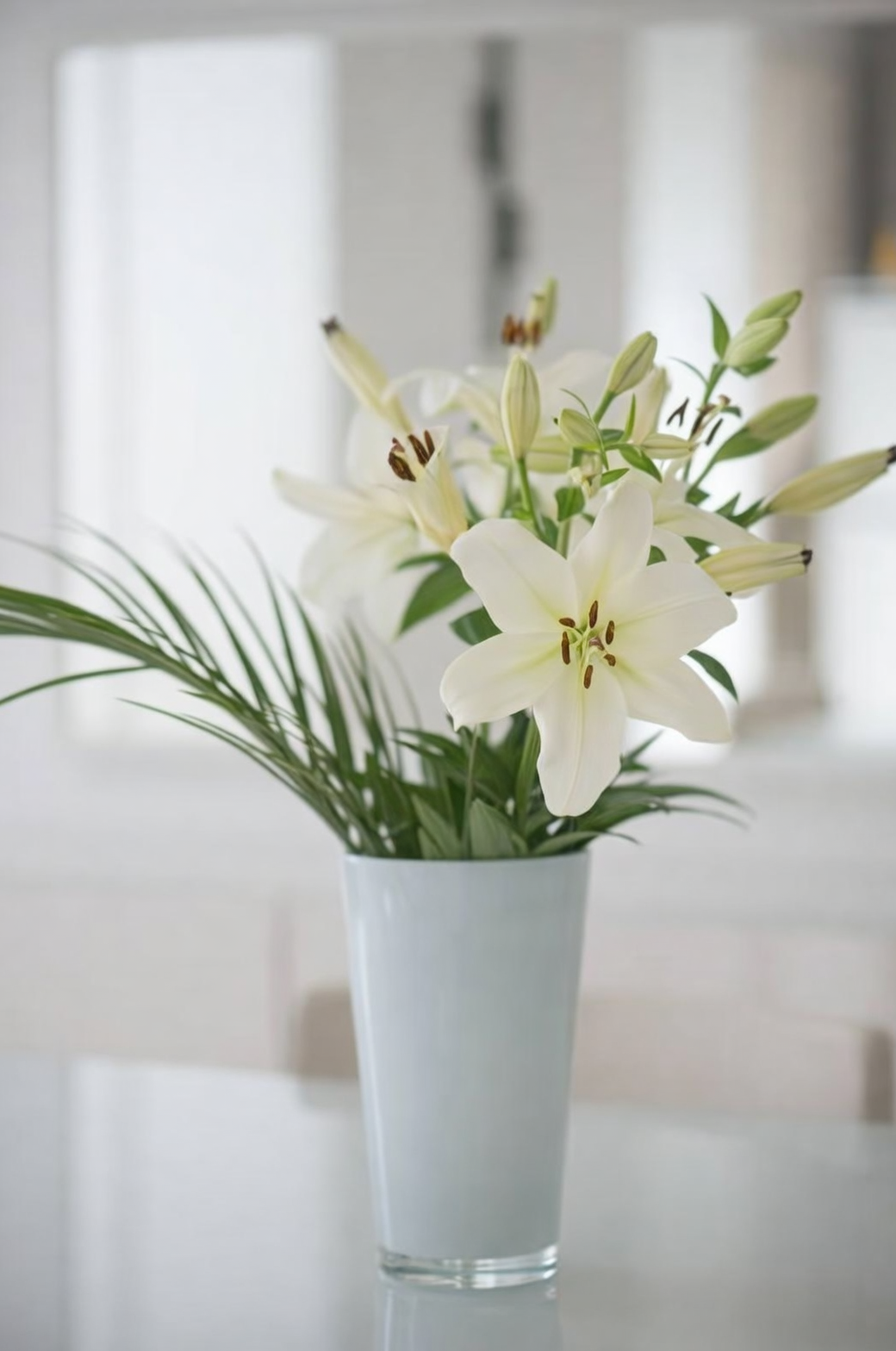
The vase-life playbook: how to keep lilies looking luxe for longer
1) Shop like a florist
- Choose stems with the first bud fully colored but still closed and the other buds plump. This ensures a long show as blooms open in sequence.
- Stems should be firm, leaves unspotted and vivid green.
2) Prep and condition (the first hour matters most)
- Clean vase, cool water: Wash vases with hot soapy water (or a dash of bleach), then rinse well.
- Recut stems: Trim 1–2 cm (½–¾ in) at a slant with a sharp knife or shears; strip any leaves that would sit below the waterline.
- Use flower food: It balances sugars, pH, and biocide—key for lilies, which are sensitive to dirty water and ethylene.
3) Daily care that pays off
- Change water every 1–2 days; recut stems slightly each time.
- Keep cool and airy: 15–21°C (59–70°F) is ideal; avoid heaters, hot windows, and stuffy corners.
- Ethylene avoidance is non-negotiable: Keep lilies away from ripening fruit bowls (bananas, apples, tomatoes, avocados), cigarette smoke, and exhaust—ethylene gas shortens bloom life.
4) The anther trick (plus stain rescue)
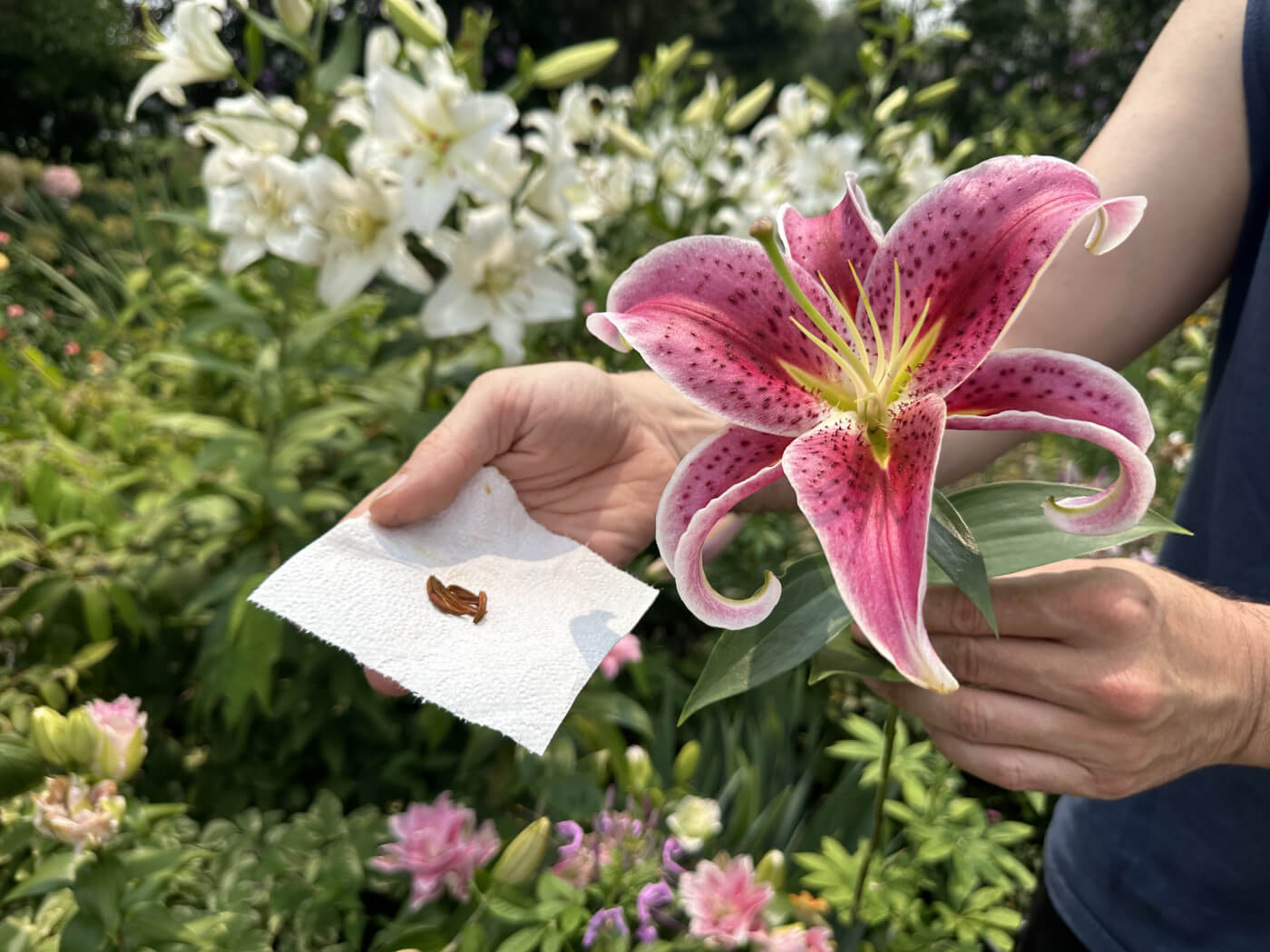
- As each flower opens, pinch off the six pollen-bearing anthers before they dust. Use a tissue to avoid smudges.
- Pollen on fabric? Let it dry. Flick off gently or lift with tape; avoid water at first (it sets the stain). Any faint yellow can fade in sunlight or with an oxygen-based stain remover.
5) Placement that flatters and protects
- Light: Bright, indirect light keeps colors vivid without overheating the blooms.
- Distance: Give those large flowers room so petals don’t bruise on walls or frames.
- Bedrooms: If you’re scent-sensitive, choose low-scent types or style lilies in living spaces instead.
Styling ideas: modern, minimal, and memorable
- Single-stem drama: One towering stem in a tall, narrow cylinder for high-impact minimalism.
- Monochrome modern: All-white lilies in a matte black vase; echo the lily’s glossy leaves with a deep-green backdrop.
- Bud‑to‑bloom progression: Mix one open flower with several colored buds for a living time-lapse on your table.
- Textural duet: Pair lilies with airy grasses, fern fronds, or eucalyptus to offset bold petals with fine textures.
- Low, lush compote: Nestle shorter stems in a shallow bowl with floral mechanics; perfect for coffee tables where you want width, not height.
Safety first—absolute rules for households with cats
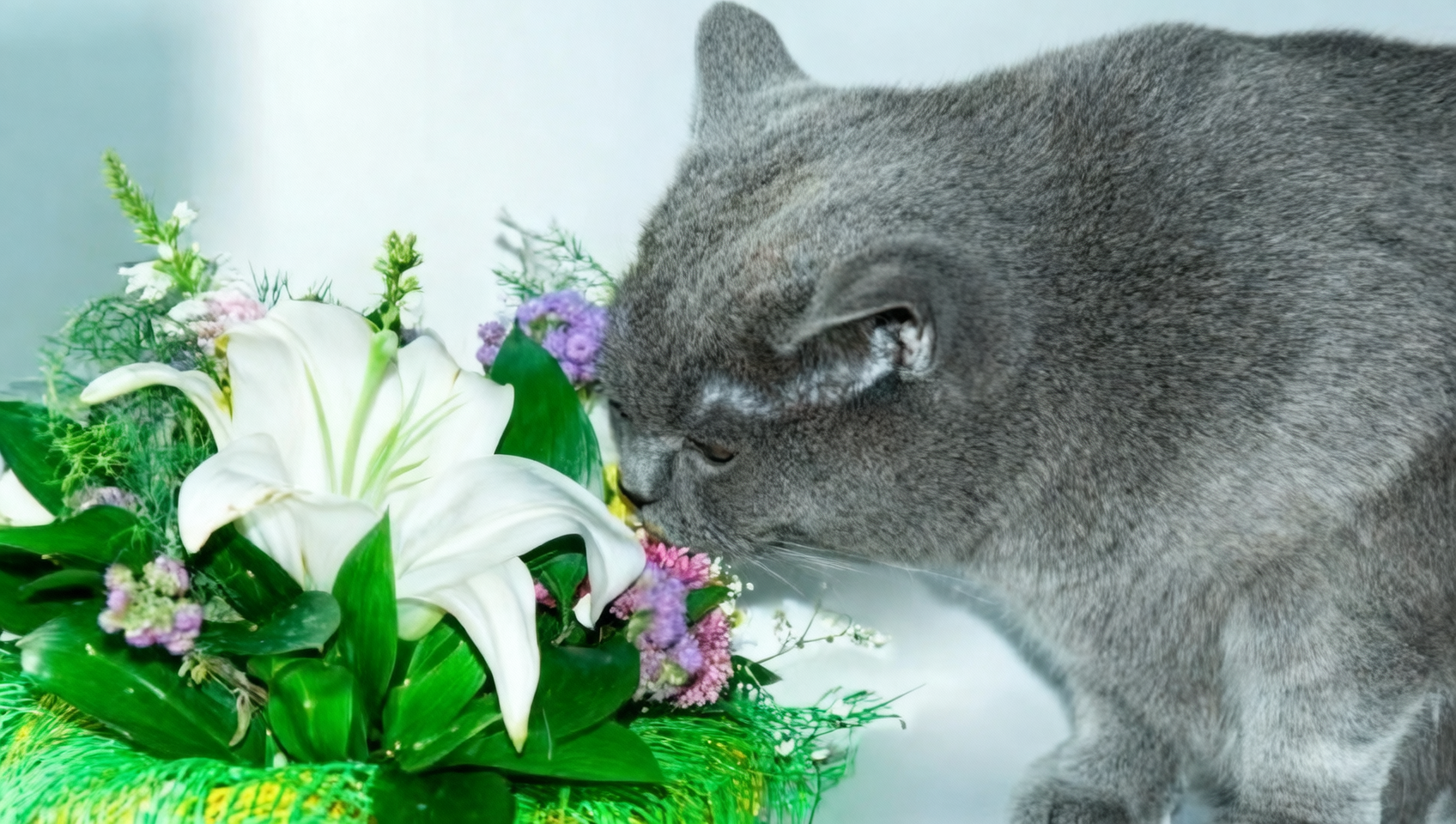
True lilies (Lilium spp.) are a high‑risk plant for cats. All parts—flowers, leaves, pollen, and even the vase water—can trigger sudden, potentially fatal kidney failure. There is no safe “workaround” in cat homes.
- If you live with cats:
- Do not bring true lilies indoors or plant them where cats roam.
- Gifted a lily bouquet? Rehome it immediately and scrub any surfaces where pollen may have fallen.
- If exposure is suspected:
- Act now. Call your veterinarian or an emergency clinic immediately.
- Early treatment drastically improves outcomes; waiting can be deadly.
- Safer design swaps with a similar vibe:
- Peruvian lily (Alstroemeria): A popular cut-flower alternative with lily-like blooms; may cause mild stomach upset if chewed but not the kidney failure risk seen with true lilies in cats.
- Also consider roses (thorn-aware), orchids (Phalaenopsis), snapdragons, lisianthus, gerberas. Always verify plant safety for your pets before bringing anything home.
Note for dogs and people:
- Dogs are generally less severely affected by true lilies (possible GI upset), but don’t let them chew stems or drink vase water.
- Some people find heavy lily fragrance stimulating or irritating; opt for low-scent varieties and good airflow.
Potted lilies indoors: short, spectacular displays
- Light: Bright, airy spot with indirect sun.
- Water: Keep evenly moist, never soggy; water at the base to keep flowers dry.
- Handling: Avoid moving pots around while in bud—jostling can cause bud drop. After flowering, reduce water as foliage yellens.
- Keep pots (and cut stems) far from fruit bowls to avoid ethylene exposure.
Quick cut‑flower FAQs
How do I get the longest life from my bouquet?
- Start with clean tools and vases, recut stems, remove submerged leaves, use preservative, refresh water every 1–2 days, and keep cool, bright, and away from fruit.
My lilies won’t open—what gives?
- Too little light or too-cool, dry rooms can slow opening. Move to brighter, indirect light (not hot sun), keep water fresh, and be patient as buds color up.
Can I display lilies on a dining table?
- Yes—just de‑anther to prevent pollen dust on linens, keep them a few feet from hot dishes/candles, and refresh the water before guests arrive.
What if pollen dusts my upholstery?
- Let it dry, then lift with a piece of sticky tape; avoid rubbing. Use a vacuum’s upholstery attachment if needed and treat lingering color with a daylight “bleach” session near a sunny window.
Are lilies okay in the bedroom?
- If you’re scent-sensitive, pick unscented or lightly scented types and remove anthers—or style them outside the bedroom.
Flower language and meaning: symbolism with nuance
Lilies have carried layered meanings for millennia—purity and renewal in classical and Christian traditions (the white “Madonna lily” with the Virgin Mary), and in Chinese culture, wishes for harmony and enduring union. The phrase 百年好合—“a hundred years of harmonious togetherness”—makes lilies a favorite at weddings and new-beginning celebrations. Modern floristry often plays with color to tune the message:
- White: purity, rebirth, clarity
- Pink: admiration, abundance
- Red: passion and depth
- Orange: confidence and creativity
- Yellow: joy and gratitude
A thoughtful note for today’s homes: symbolism shines brightest when paired with safety. If cats are part of your household, channel lily meanings through alternatives like Alstroemeria or elegant white roses—honoring the message without risk.
—
Design like a pro, care like a scientist, and—if you share your space with cats—choose alternatives without a second thought. With the right variety, placement, and a few florist tricks, lilies can be the showstopping, long‑lasting highlight of your room.