

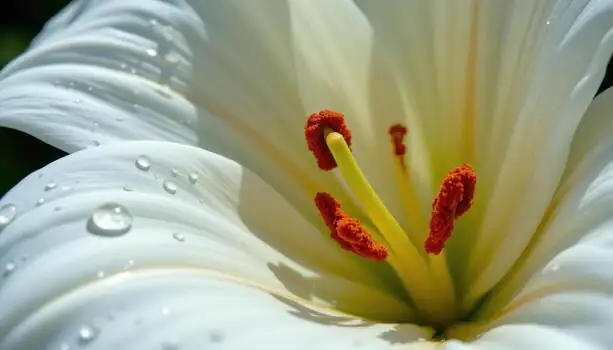
Silk-soft petals, starlit fragrance, and a knack for showing up at life’s biggest moments—lilies are flowers with a message. Across centuries and continents, Lilium spp. have spoken of purity, devotion, harmony, and hope. But how did these “flower words” take root—and how do color choices still shape what we say with lilies today? Let’s follow this storied bloom from ancient altars to Victorian parlors, from Japanese hanakotoba to Chinese wedding blessings, and into the modern bouquet.
Meet the true lilies (Lilium spp.)
Before we dive into meanings, a quick botanical hello:
- True lilies belong to the genus Lilium (family Liliaceae), native across temperate regions of the Northern Hemisphere—especially East Asia (including China and Japan), and also Europe and North America.
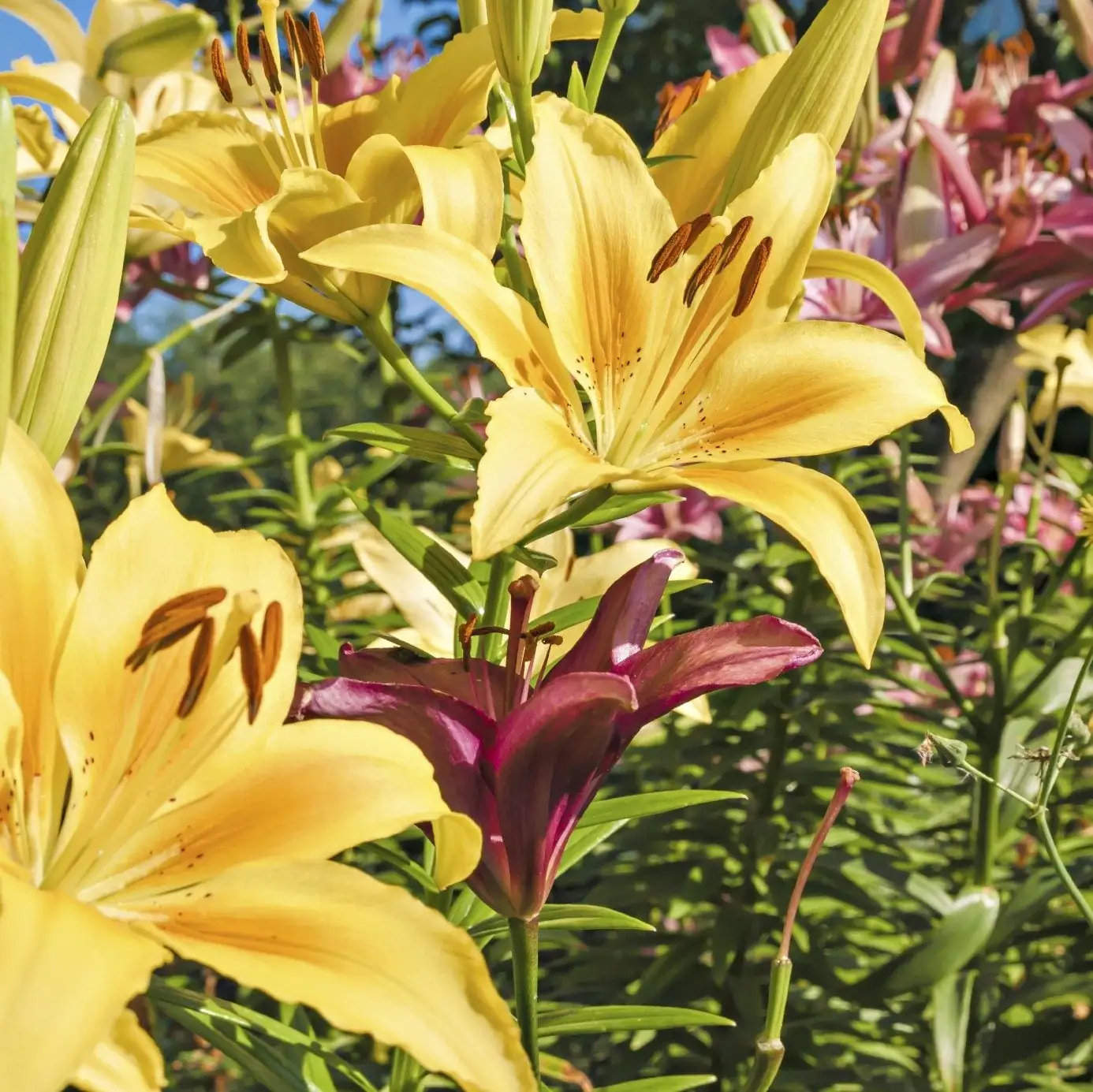
- They are bulb-grown perennials with upright stems and elegant, lance-shaped leaves. Flowers are large and dramatic—trumpet, bowl, cup, or reflexed “Turk’s cap” forms—in white, yellow, orange, pink, red, and purple, sometimes spotted or brushed, often richly fragrant.
- Loved in gardens and vases alike, lilies reward good drainage and steady, sensible moisture. Many bloom in summer.
These botanical traits—purity of white, opulent scale, heady scent—are exactly what made lilies irresistible to storytellers, saints, poets, and gift‑givers.
Before the dictionaries: ancient roots of lily meaning
Long before formal “flower languages,” lilies were already eloquent.
- In Greek myth, lilies sprang from the milk of Hera, tying them to purity, renewal, and divinity.
- Around the Mediterranean, the pure white Lilium candidum (Madonna lily) was cherished for beauty and medicinal use and appeared in sacred imagery. Its gleaming color and luminous scent made it a natural emblem of radiance and grace.
- Across cultures, the lily’s seasonal return suggested rebirth—an idea that still clings to the bloom today.
Christian purity and the white Madonna lily
From late antiquity through the Renaissance, Lilium candidum became a central Christian emblem:
- Annunciation scenes often show the Archangel Gabriel presenting a white lily to Mary—purity, devotion, and divine favor distilled into one bloom.
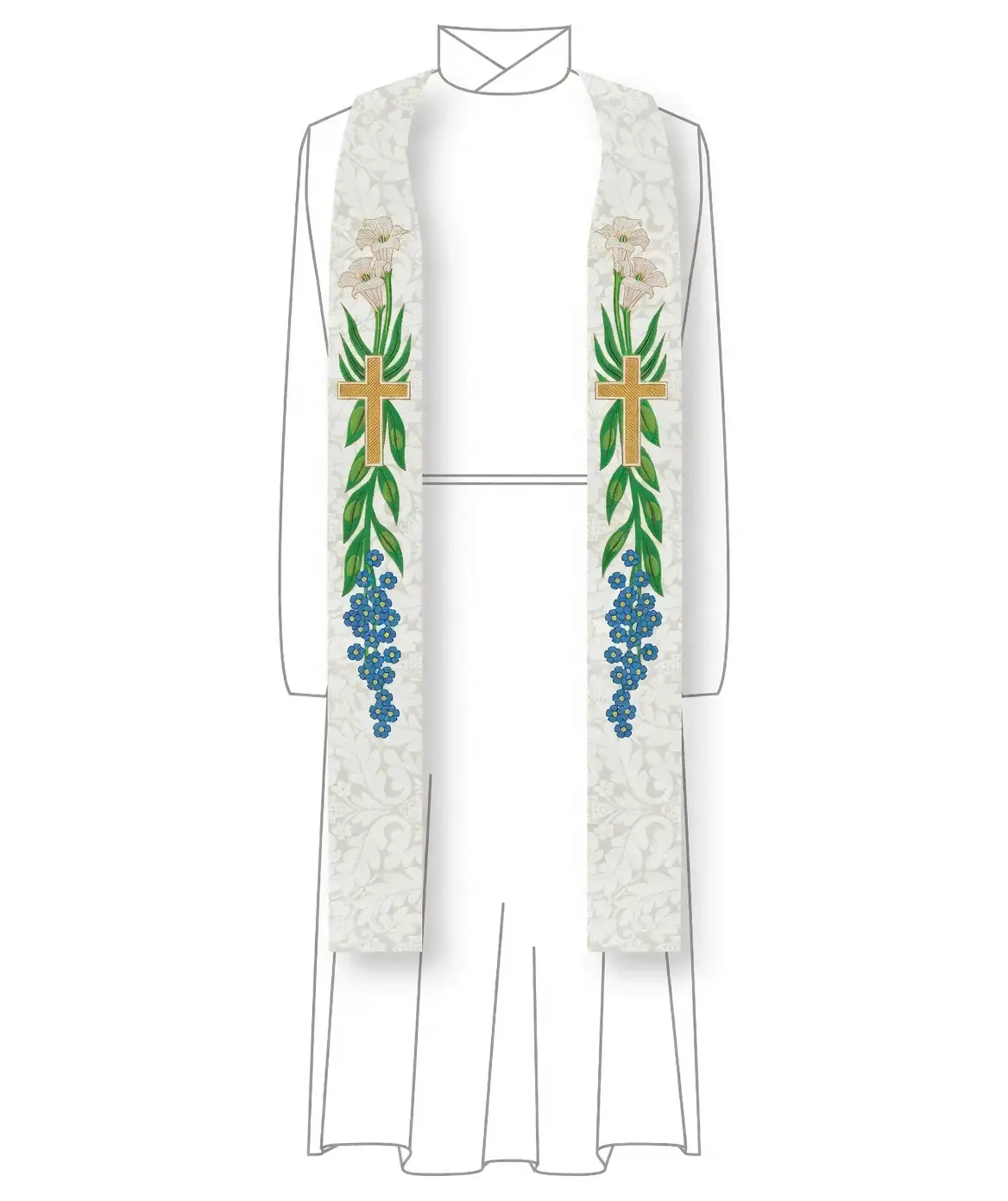
- White lilies in Easter celebrations echo resurrection and new beginnings; their trumpet-like shape feels like a proclamation of hope.
- In funerals, white lilies convey the restoration of purity and peace.
A note on names you may see: the modern “Easter lily” in commerce is usually Lilium longiflorum, a white, trumpet-flowered species native to East Asia, while many classical artworks feature Lilium candidum, the historic Madonna lily of the Mediterranean. Both now carry strong Christian associations of purity and renewal.
When Victorians gave flowers a grammar: floriography
In the 19th century, the West fell in love with “the language of flowers.” Gift-givers chose blooms as carefully as sentences. Lilies quickly became staples of this secret conversation:
- White lilies spoke of chastity, virtue, and rebirth—perfect for moral drama, discreet romance, and high ceremony.
- Their sheer scale and perfume added a subtext of majesty and sincerity, making lilies appropriate for milestones, from weddings to memorials.
- The era’s plant hunters spurred a lily craze, introducing spectacular East Asian species that widened both gardens and symbol sets.
Victorian floriography didn’t invent lily meanings from scratch; it amplified ancient ideas—purity, renewal, dignity—and paired them with strict social codes.
Hanakotoba: the “flower words” of lilies in Japan
Japan’s hanakotoba assigns emotional meanings to flowers (and often to colors or species). Lilies—yuri (百合)—carry layers of refinement:
- At their heart, lilies suggest purity, noble beauty, and a composed, dignified love—fitting their poised posture and serene petals.
- Specific species and colors have carried more nuanced shades in different eras and sources, sometimes including austere or cautionary tones. The key is that hanakotoba is contextual and poetic, not a fixed legal code.
- In practice today, lilies are beloved in ikebana, temple offerings, and modern bouquets—often read through a positive, graceful lens, especially in white.
If you’re gifting across cultures, lean into the lily’s shared, timeless core—purity, devotion, and auspicious beginnings—unless a recipient cherishes a very specific hanakotoba nuance.
“百年好合”: a hundred years of harmonious union
In Chinese culture, the lily (百合, bǎihé) is steeped in happy symbolism:
- Wordplay and form unite: bǎihé sounds like phrases for lasting harmony, inspiring the blessing “百年好合” (a hundred years of harmonious union). The bulb’s layered scales also suggest togetherness woven over time.
- That’s why lilies are classic wedding flowers and joyful gifts for new marriages, anniversaries, and housewarmings—wishes for harmony and prosperity bound up in one stem.
- In parts of Asia, certain verified species’ bulbs are eaten or used traditionally; never assume all lily bulbs are edible—stick to known, properly prepared kinds.

What color says what today?
Modern floristry leans on a clear, intuitive color code that makes lilies easy to “read” at a glance:
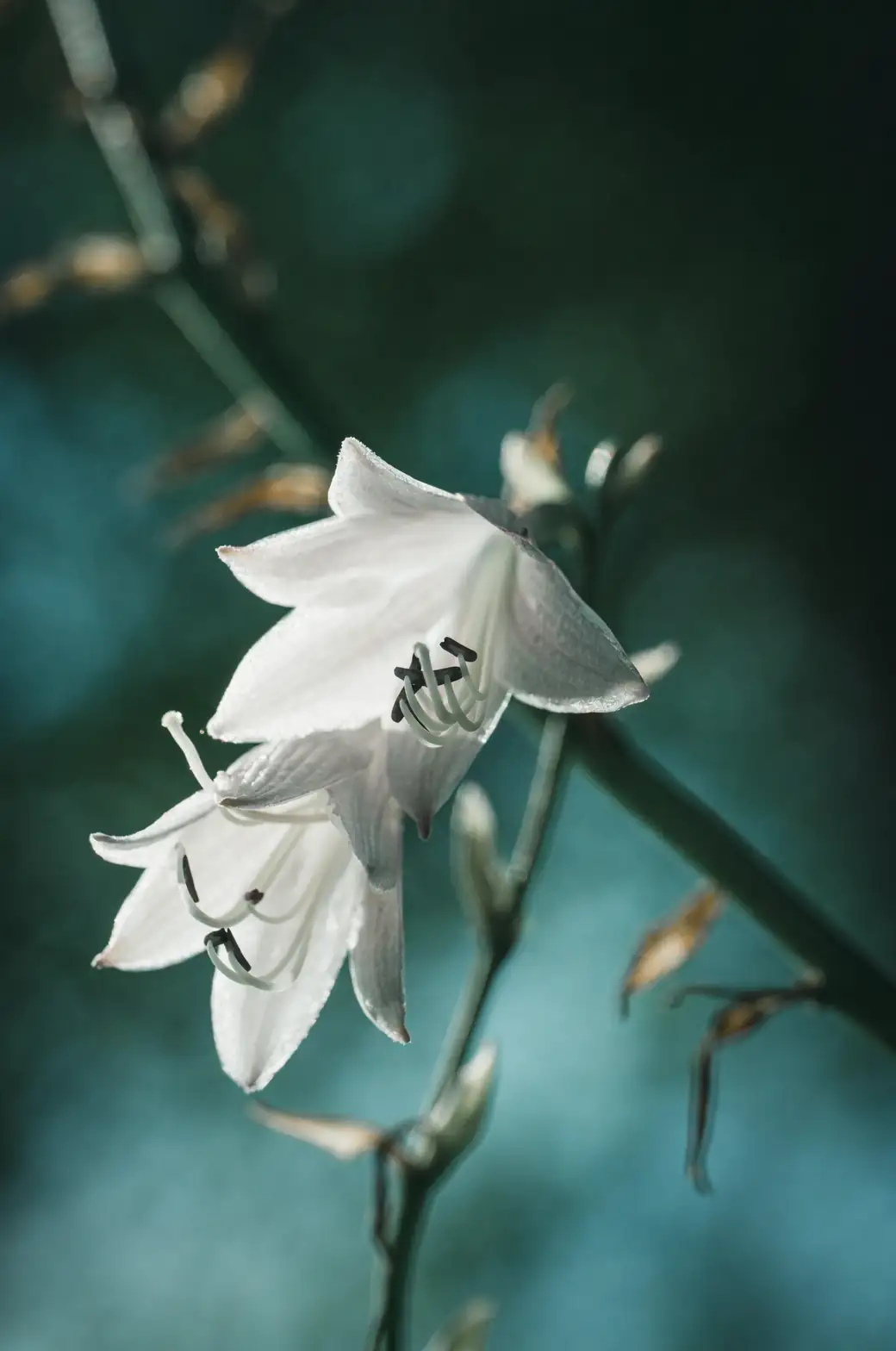
- White: purity, renewal, and rebirth. Ideal for weddings, Easter, and sympathy arrangements.
- Pink: admiration and abundance. A gracious choice for celebrations, thank‑yous, and maternal tributes.
- Red: passion. Romantic gestures, anniversaries, and bold personal milestones.
- Orange: confidence. Congratulations, career milestones, and spirited birthdays.
- Yellow: gratitude and joy. Housewarmings, friendships, sunny pick‑me‑ups.
These meanings dovetail beautifully with lilies’ cultural heritage—white for Christian purity and rebirth; abundant pinks and joyful yellows for celebrations; vivid reds and oranges for bold, heartfelt declarations.
Quick gifting guide
- Weddings: white or soft pink lilies honor purity and harmonious union—especially meaningful in Chinese contexts for “百年好合.”
- Condolences: predominantly white arrangements signal peace and renewal; add greenery for serenity.
- New beginnings (graduation, new job, new home): yellow for gratitude and joy; orange for confidence and courage.
- Romance: red for passion; blend with pink for a tender, admiring tone.
Pro tips for bouquets and displays
- Ask the florist to remove anthers (or snip them at home) to prevent pollen stains and keep the look pristine.
- Keep arrangements away from ripening fruit; ethylene gas shortens lily vase life.
- If fragrance sensitivity is a concern, display lilies in a bright, airy spot rather than a small bedroom.
How the “flower languages” shaped rituals—then and now
- Victorian floriography formalized what lilies had long suggested—purity, renewal, and noble feeling—turning them into a refined social signal for ceremonies, courtship, and mourning.
- Hanakotoba gave lilies a subtle emotional palette in Japan, with white and elegant forms favored for composed, earnest sentiment.
- Chinese blessings fused sound and symbol, making lilies a beloved emblem of marital harmony and good fortune—traditions that thrive in modern weddings.
Today, whether you’re choosing lilies for a chapel, a tea ceremony, or a city hall celebration, color choices and cultural echoes still steer the message. The shared ground across traditions—purity, devotion, and hopeful beginnings—makes lilies one of the safest, most eloquent blooms to give.
A botanist’s aside: form feeds meaning
It’s no accident lilies read as pure and noble:
- The architecture: six immaculate tepals arranged with geometric grace.
- The stature: upright stems, glossy leaves in orderly tiers—poised without pretense.
- The scent: often rich and luminous, like a halo your nose can feel.
Nature gave lilies the grammar; cultures wrote the poetry.
Safety note (especially for pet lovers)
- True lilies (Lilium spp.) are extremely toxic to cats—pollen, petals, leaves, and even vase water. Keep them completely away from cats and seek urgent veterinary help if exposure is suspected.
- Some people are sensitive to lily fragrance or pollen; remove anthers and ventilate well.
Choosing lilies with cultural care
- Cross‑cultural gifting: white and soft pink are almost universally read as pure, admiring, and auspicious.
- For recipients who cherish hanakotoba or Victorian lore, consider including a small card naming the variety and your intended meaning.
- When in doubt, let the occasion lead. Weddings and memorials lean serene; promotions and graduations welcome bolder tones.
In every era, lilies have marked thresholds—moments when we step into something new. That is the heart of their language: a promise of harmony, devotion, and a life renewed, one luminous bloom at a time.


