

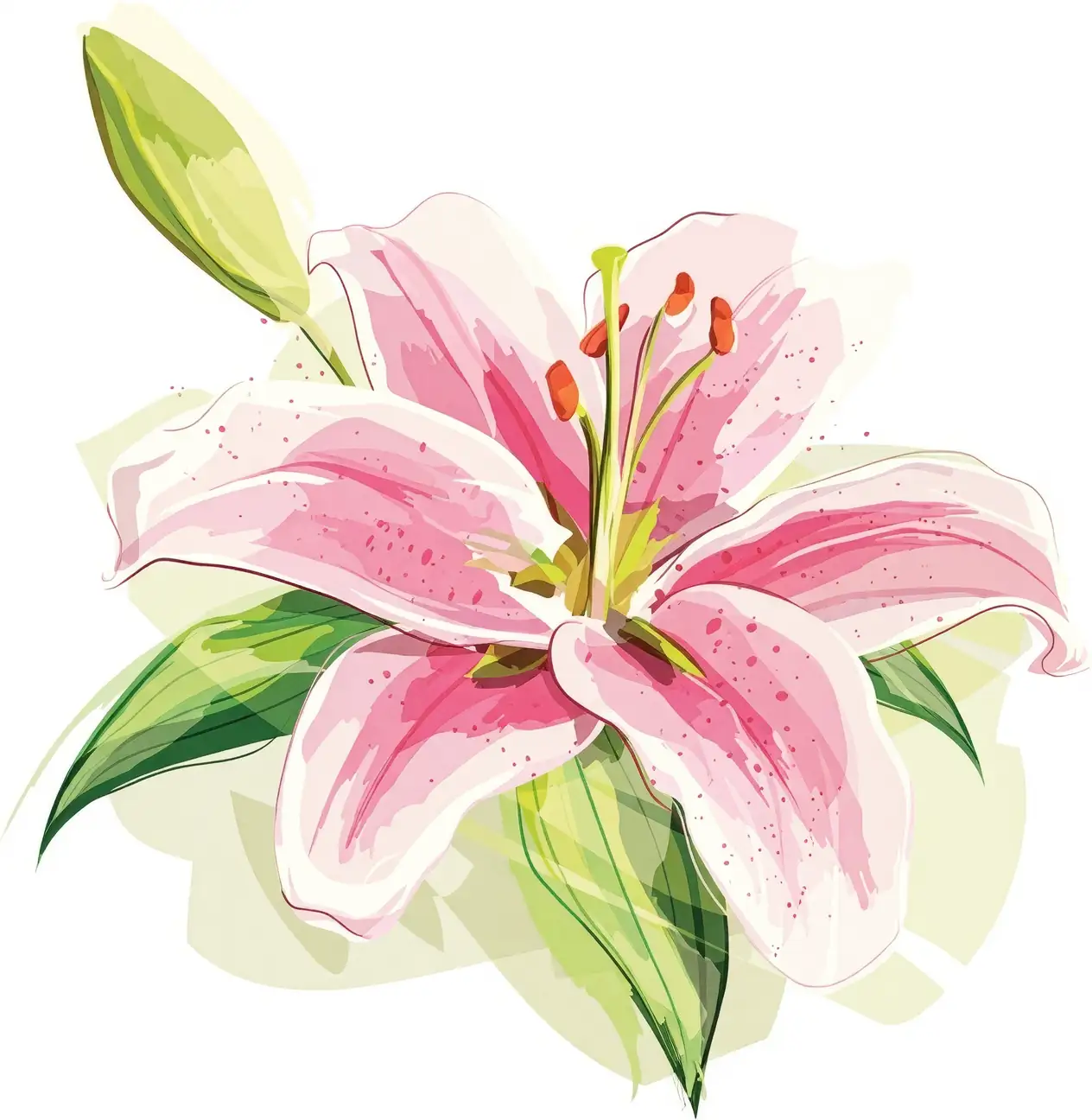
Lilies have a flair for drama—vast, starry flowers; perfume that shifts with the time of day; and botany tricks that reward those who know them. If you’ve ever wondered why lily pollen stains so fiercely, why bouquets sulk near a fruit bowl, or why planting depth matters more than you’d think, welcome to the fun, surprising science of Lilium spp.
Pollen, stains, and the anther-removal trick
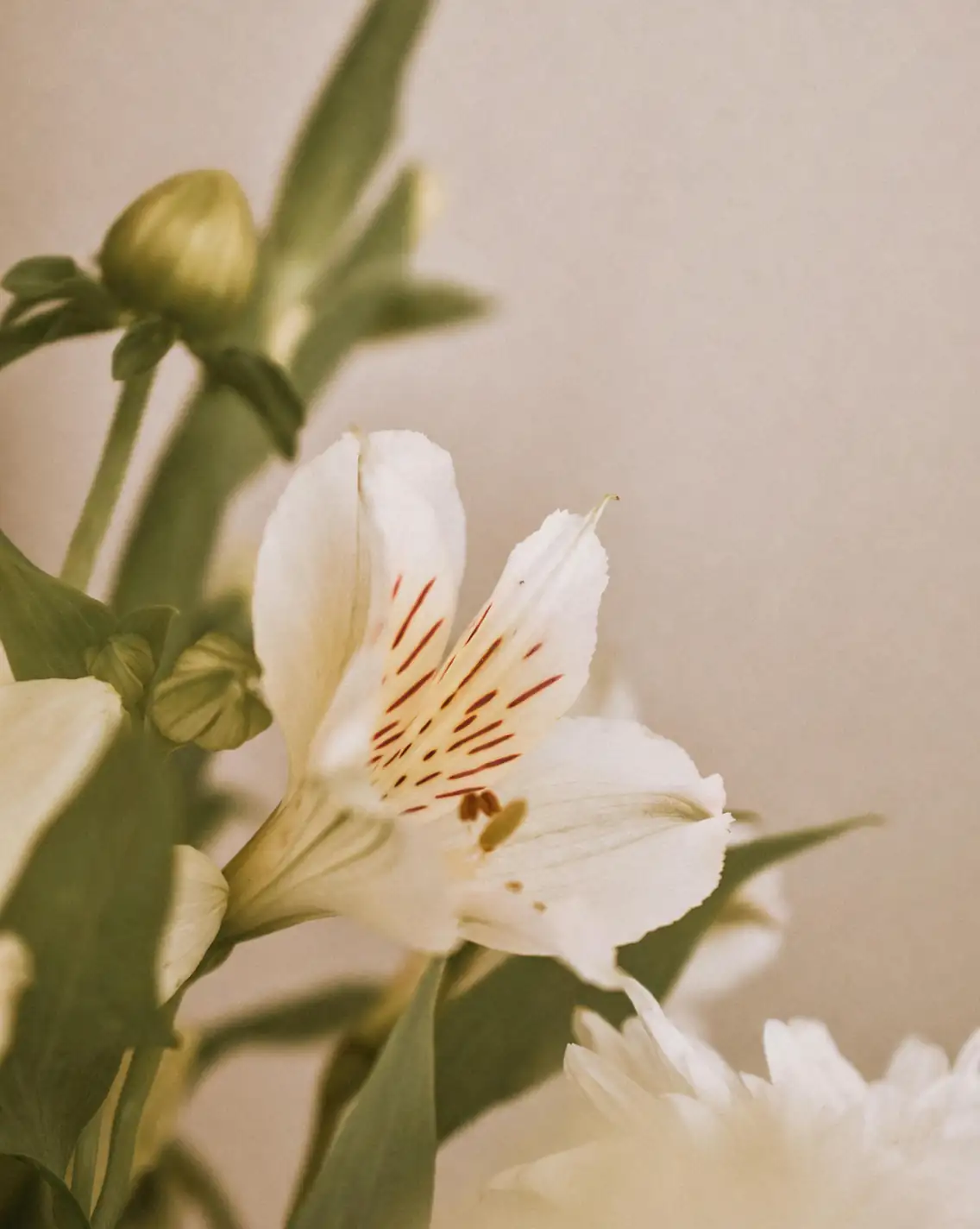
Lily blooms are built around a simple equation: six petal-like tepals framing six pollen-bearing anthers and one central stigma. Those plush, “bean-like” anthers do two notorious things indoors:
- Shed golden dust that clings to fabric and petals
- Speed up petal drop once pollination happens
Here’s the sciencey shortcut: remove the anthers. Do it right as the flower cracks open—before they dust out—and you’ll:
- Prevent stains on clothes, table linens, and the flower itself
- Often extend bloom time by reducing the chance of pollination-triggered senescence
How-to in seconds:
- As each blossom opens, gently pluck or tweeze off the six anthers from the slender filaments.
- Work carefully around the sticky stigma—avoid brushing pollen onto it or bruising the petals.
- If pollen already shed, use a tissue or tweezers and a very steady hand.
Pollen on fabric? Don’t add water. First, tap or shake the fabric, then lift remaining grains with a strip of tape or a dry soft brush. Only after you’ve removed the dry pollen should you spot-clean; moisture can “fix” the stain.
Ethylene: why your fruit bowl shortens lily vase life
Ripening fruit (think bananas, apples, tomatoes) emits ethylene gas—a natural plant hormone that speeds up flower aging. Many true lilies are ethylene-sensitive, so bouquets displayed beside a fruit bowl tend to open fast and fade faster.
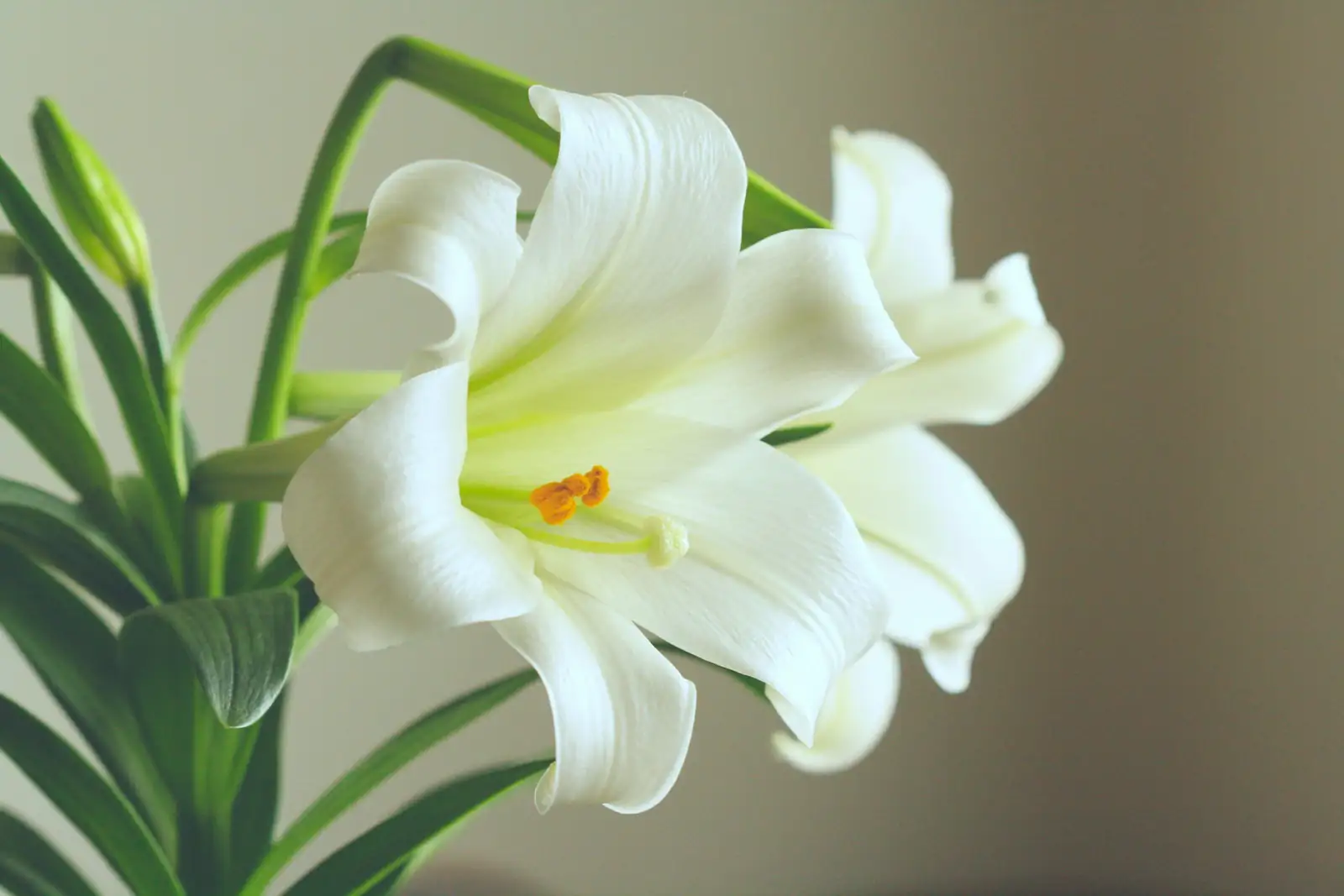
- Keep cut lilies and potted displays away from ripening fruit, gas heaters, and stuffy kitchens.
- For longer vase life: display in a bright, cool, airy room; refresh water; recut stems; and remove aged blooms.
The two-root superpower (and why depth matters)
Lilies grow from scaly bulbs and build not one but two root systems:
- Basal roots: from the base of the bulb, supporting nutrient uptake and anchorage
- Stem roots: from the underground stem above the bulb, crucial for vigor and flowering

This dual system explains classic planting advice:
- In garden beds, plant bulbs about 2–3 times their height deep to give room for stem roots to form and to stabilize tall stems.
- Use a deep, well-drained container for potted lilies so both root zones can develop. Some retail potting setups may cover bulbs shallowly at first, but drainage and depth of the vessel still matter.
And remember the lily mantra: sunny tops, cool feet.
- Aim for full sun to partial shade (at least 4–6 hours of sun), but mulch or low companions to shade the soil surface so bulbs stay cool and never soggy.
Turk’s-cap, trumpets, bowls: petal shapes with a purpose
Lily flowers are showstoppers in many forms—trumpet, bowl, cup, funnel, and the reflexed “Turk’s-cap” where tepals sweep back like a comet tail. These shapes aren’t just for looks:
- Reflexed forms (like classic martagon and turk’s-cap types) pull petals away from the anthers and stigma, often suiting pollinators that hover or brush past the dangling flower.
- Trumpets and bowls can concentrate fragrance and guide pollinators toward the reward.
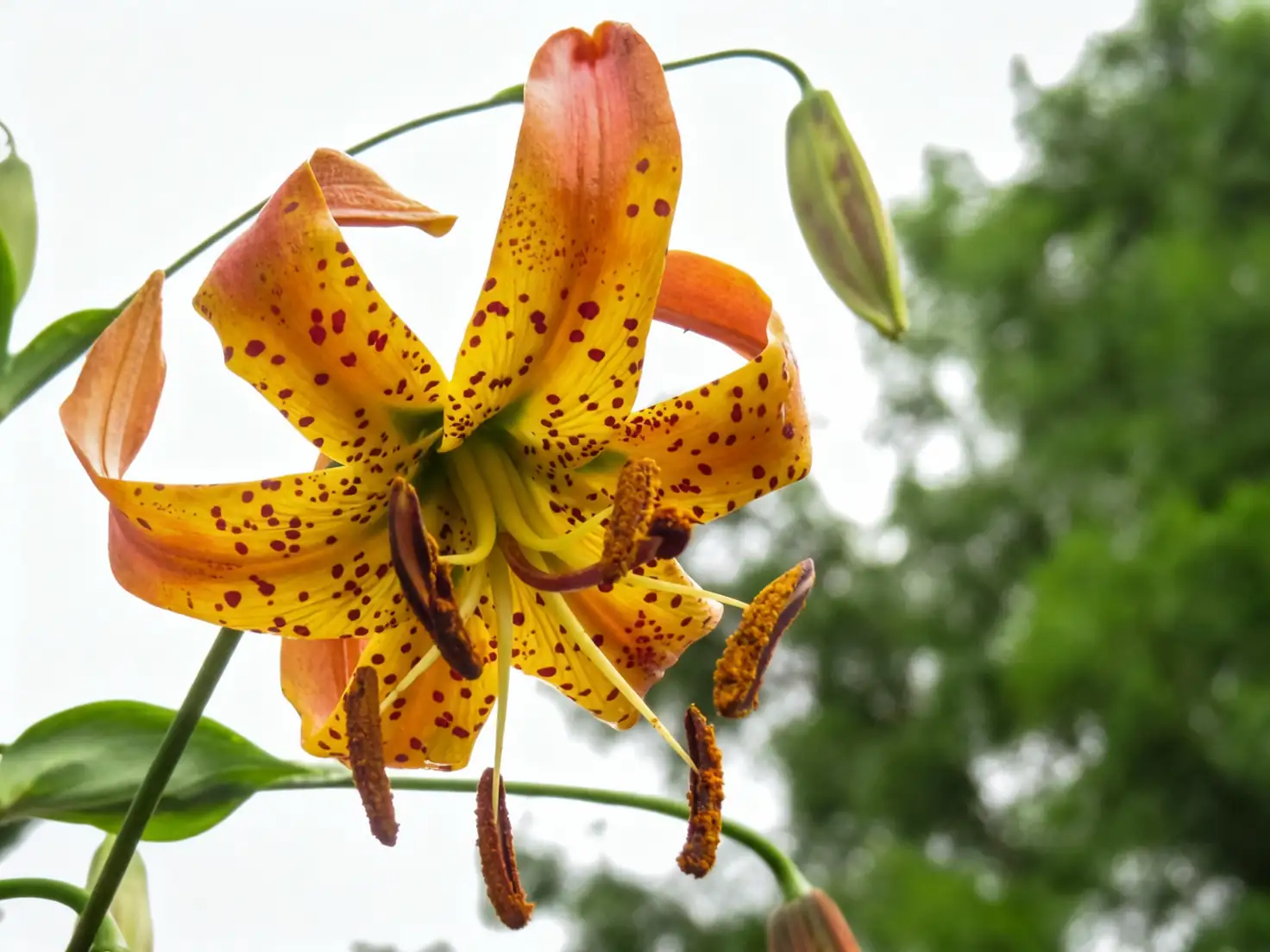
Color spans white through yellow, orange, pink, red, and purple, often with speckles and brushstrokes—your canvas of choices for borders and bouquets.
Perfume with a schedule: when lilies smell strongest
If you’ve noticed lilies smell bolder at certain times, your nose is onto real plant strategy. Many strongly scented lilies intensify fragrance in the late afternoon and evening—exactly when their natural pollinators (including dusk-active insects) are on the wing. Temperature and humidity also tune the scent:
- Warmer rooms = faster opening and a stronger, shorter-lived scent show
- Cooler, airy spaces = gentler perfume and longer vase life
Fragrance tips indoors:
- Place exuberantly scented lilies away from bedrooms if you’re a light sleeper.
- Rotate in lightly fragrant cultivars for small rooms.
- Keep blooms dry—wet petals invite Botrytis and can turn that perfume into petal mush.
Cut-flower playbook: longer, cleaner, lovelier
- Harvest stage: Cut stems when the first bud is fully colored but still closed; it typically opens within a day at room temperature. Warmth speeds opening; coolness slows it.
- Conditioning: Use clean tools, recut under water, strip any leaves below the waterline, and refresh water regularly.
- Display: Bright, cool, draft-free spot, away from fruit and heat sources.
- Housekeeping: Remove anthers early; deadhead spent blooms to keep the display tidy.
Grower’s quick-start guide
- Light: Full sun to partial shade; best bloom with 4–6+ hours of sun.
- Soil: Fertile, loose, extremely well-drained; slightly acidic to near-neutral (around pH 5.5–6.5).
- Water: Even moisture during active growth, never waterlogged. Water at soil level; avoid wetting open flowers. Reduce after bloom; stop when stems yellow and die back.
- Feeding: Start with fertile soil. Feed during growth and again at bud set, or use a diluted liquid feed every 15–20 days in active growth. Avoid heavy feeding before roots are active.
- Hardiness: Varies by species/hybrid; many garden lilies do well around USDA Zones 4–8. Bulbs fail more from soggy soil than cold in the ground; protect containers from hard freezes.
- Pruning: Deadhead promptly; let stems and leaves yellow naturally to recharge the bulb before cutting down.
- Propagation: Offsets/division are easiest. Scales and bulbils work too but take patience (often 2–3 years to bloom).
- Pests/disease watch: Aphids (virus vectors), lily leaf beetles (where present), and botrytis/leaf spot in muggy, wet conditions. Prevention = sharp drainage, spacing, airflow, and base-watering.
Safety first (especially for cat owners)
True lilies (Lilium spp.) are extremely dangerous to cats—pollen, petals, leaves, even vase water. Exposure can cause sudden, life-threatening kidney failure. Keep lilies completely away from cats and seek urgent veterinary care if contact is suspected. Humans aren’t typically poisoned by handling lilies, but pollen/fragrance can irritate sensitive folks. Dogs are usually less severely affected than cats but may have digestive upset if they chew foliage.
Symbolism, with a critical lens
Lilies have carried layered meanings for millennia—purity, renewal, devotion—and cultures have embroidered their own stories. In Western art, the white Madonna lily symbolizes the Virgin Mary; in Chinese gifting culture, lilies embody good wishes and harmony, and the bulb’s layered scales inspire the blessing 百年好合 (a hundred years of harmonious union), making them beloved wedding flowers.
Treat “flower language” as cultural poetry rather than universal code: meanings shift by era, region, and color in floristry. Choose the hues and forms that speak to you—and say what you mean with a note in the card.
Meet Lilium up close
- What they are: True lilies—bulb-grown, upright, clump-forming perennials in the genus Lilium
- Native range: Temperate Northern Hemisphere, with East Asia (including China and Japan) a major center of diversity; also Europe and North America
- Look-for features: Narrow, glossy leaves; stately stems; six-tepal blooms in trumpet, bowl, cup, funnel, or Turk’s-cap shapes; often richly fragrant, in summer
The “cool feet, sunny faces” checklist
- Plant deep enough for stem roots (2–3× bulb height in beds; deep pots for containers).
- Mulch or underplant to shade the root zone.
- Keep water moving downward (add grit/perlite in pots; never let pots sit in saucers of water).
- Indoors, guard against ethylene (no fruit-bowl roommates) and remove anthers at first bloom.
- Keep blooms dry and rooms airy to dodge petal rot.
With a few smart tweaks—anther removal, ethylene avoidance, proper depth for that two-root engine, and a spot that flatters their fragrance schedule—lilies repay you with weeks of luminous color and perfume. They’re showy, yes, but also satisfyingly scientific once you know their secrets.


